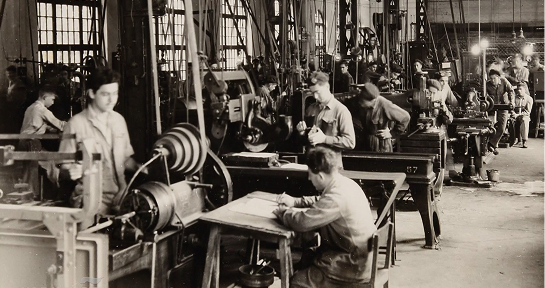
The Technion’s story has been intertwined with Israel’s for more than a century, from laying the foundations for a new nation to shaping its future.
From medicine to security, explore how the Technion is advancing Israel and improving lives around the world.
View All Impact Areas
Explore stories, news, insights, and data across articles, videos, and podcasts.
view all content types
in Europe and #21 in the world for aerospace engineering*
of all universities in the world*
of the student body are Arab Israeli
The Technion’s story has been intertwined with Israel’s for more than a century, from laying the foundations for a new nation to shaping its future.
Explore ATS, the Technion, and the people behind the breakthroughs redefining what's possible for Israel and the world.
Learn More About ATSATS is a community of supporters, innovators, and champions of possibility united by one mission: transforming Israel and the world through science and discovery.
Learn MoreFor more than 100 years, the Technion has been Israel's technological engine and leading driver of innovation, technology, and entrepreneurship, transforming ideas into impact.
Learn More
Step inside Israeli innovation at the David and Janet Polak Visitors Center. Experience our 360° immersive movie and tech exhibition. Open to individuals and groups.
Learn MoreFrom medicine to security, explore how the Technion is advancing Israel and improving lives around the world.
View All Impact AreasExplore stories, news, insights, and data across articles, videos, and podcasts.
view all content typesDiscover ways to support, connect, and help drive innovation.
Get InvolvedExplore ATS, the Technion, and the people behind the breakthroughs redefining what's possible for Israel and the world.
Learn More About ATS
Chances are, you have a hot glue gun somewhere in your home. They’re perfect for scrapbooking, arts and crafts, assembling toys, even the occasional repair around the house.
And now, researchers at the Technion–Israel Institute of Technology have adapted hot-glue-gun technology to heal seriously injured human tissues.
Better, Faster Healing
Most serious injuries are treated with sutures, pins, and staples that can leave painful scars and sometimes require removal after the tissues heal. It also requires a great deal of medical skill to suture or staple skin, which drives up medical costs.
Medical glue is different. Already popular in the field, particularly in dermatology and surgical theaters, it can produce improved medical and cosmetic results.
Medical glue does come with drawbacks: Because it is very toxic, it can be utilized only on the surface of the skin. The glue must be hard enough to fuse the skin together — but that can make the organ less flexible. These challenges have prevented more widespread use of medical glue in wound care.
A New Way
In an article published recently in Advanced Functional Materials, Biomaterials Laboratory head Professor Boaz Mizrahi and doctoral student Alona Shagan introduced a strong, nontoxic tissue adhesive that remains flexible even after solidifying.
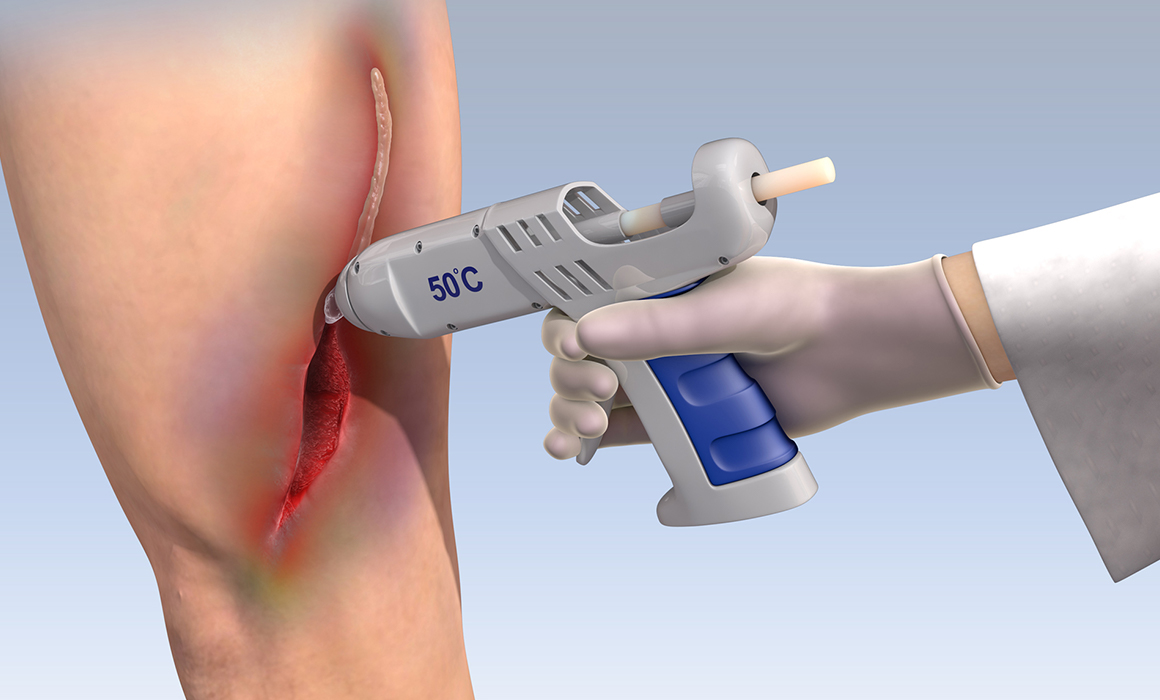
The adhesive is based on a biocompatible, low-melting-point, four‐armed N‐hydroxy succinimide‐modified polycaprolactone, named star‐PCL‐NHS. Star-PCL-NHS is melted and applied to the skin using a device similar to a hot glue gun.
Unlike a hot glue gun you can use for crafting, this device heats the glue to a moderate temperature — just a bit warmer than human body temperature. After the glue is applied, it quickly hardens, though changes in molecular weight allow physicians to control the strength, melting point, and elasticity properties of the glue. It decomposes in a few weeks.
The nontoxic adhesive can also be used to fuse tissues inside the body, unlike other medical glue on the market. It is four times stronger than current adhesives used for this purpose.
The straightforward yet highly effective and durable glue and its simple delivery method are game-changers in wound management. The researchers hope this new concept will reduce the use of stitches, staples, and pins, speeding up the healing process and reducing scarring in patients.
June 06, 2019
Researchers at the Technion have adapted hot medical glue gun technology to heal seriously injured human tissues.
1 min
X (opens in a new tab) / Facebook (opens in a new tab) / LinkedIn (opens in a new tab) / Email / Copy Link
Faculty /
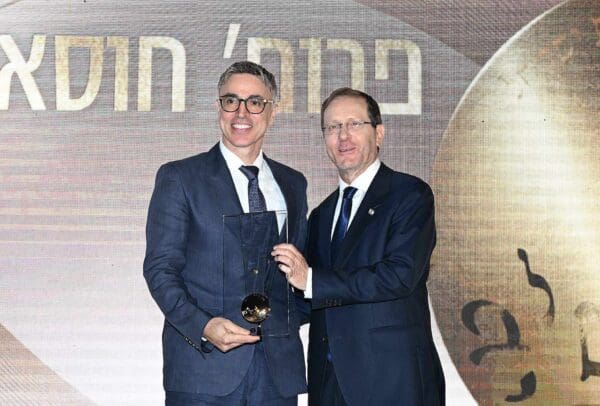
What if diagnosing cancer, Parkinson’s disease, or other serious illnesses could be as simple as breathing into a handheld device? That possibility is moving closer to reality thanks to the work of the Technion’s Prof. Hossam Haick, whose groundbreaking research is changing how diseases are detected around the world. In recognition of his extraordinary achievements, […]
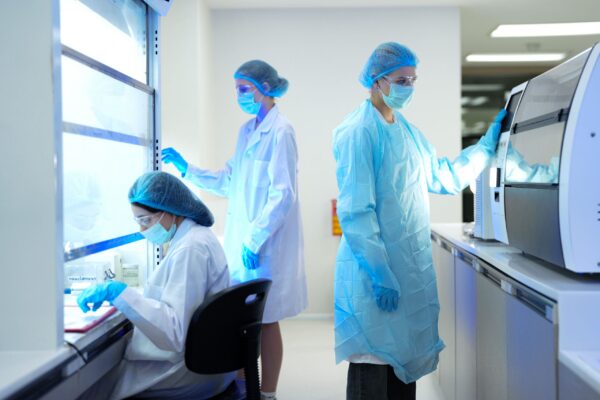
Every year, the European Research Council (ERC) identifies some of the world’s most promising early-career researchers and gives them the freedom to pursue bold ideas. This year, two of those ideas came from the Technion – Israel Institute of Technology. From cancer research to artificial intelligence (AI), breakthroughs that shape the future often begin with […]
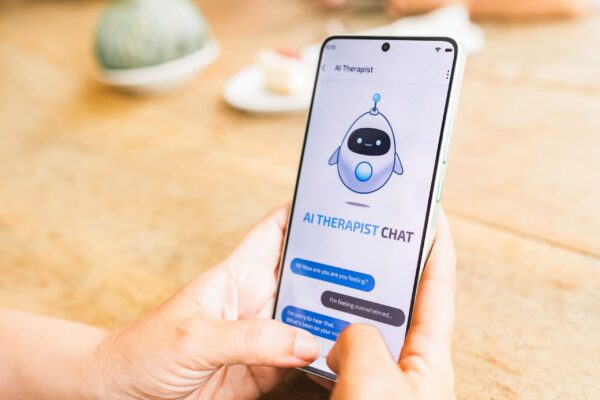
As more people turn to AI chatbots for companionship, life advice, or even as a stand-in for therapy, experts say the technology offers both new opportunities and risks when it comes to mental health. Prof. Tanzeem Choudhury is the chief of health innovation in the Joan & Irwin Jacobs Technion-Cornell Institute and has been studying AI and mental health for 15 years. She said AI tools are available any time, often at low cost, making it easier for people to access some form of mental health support.
Stay on top of the latest breaking scientific discoveries from Israel and the Technion. Subscribe to the ATS newsletter.