Something Fresh in the State of Denmark
October 06, 2026















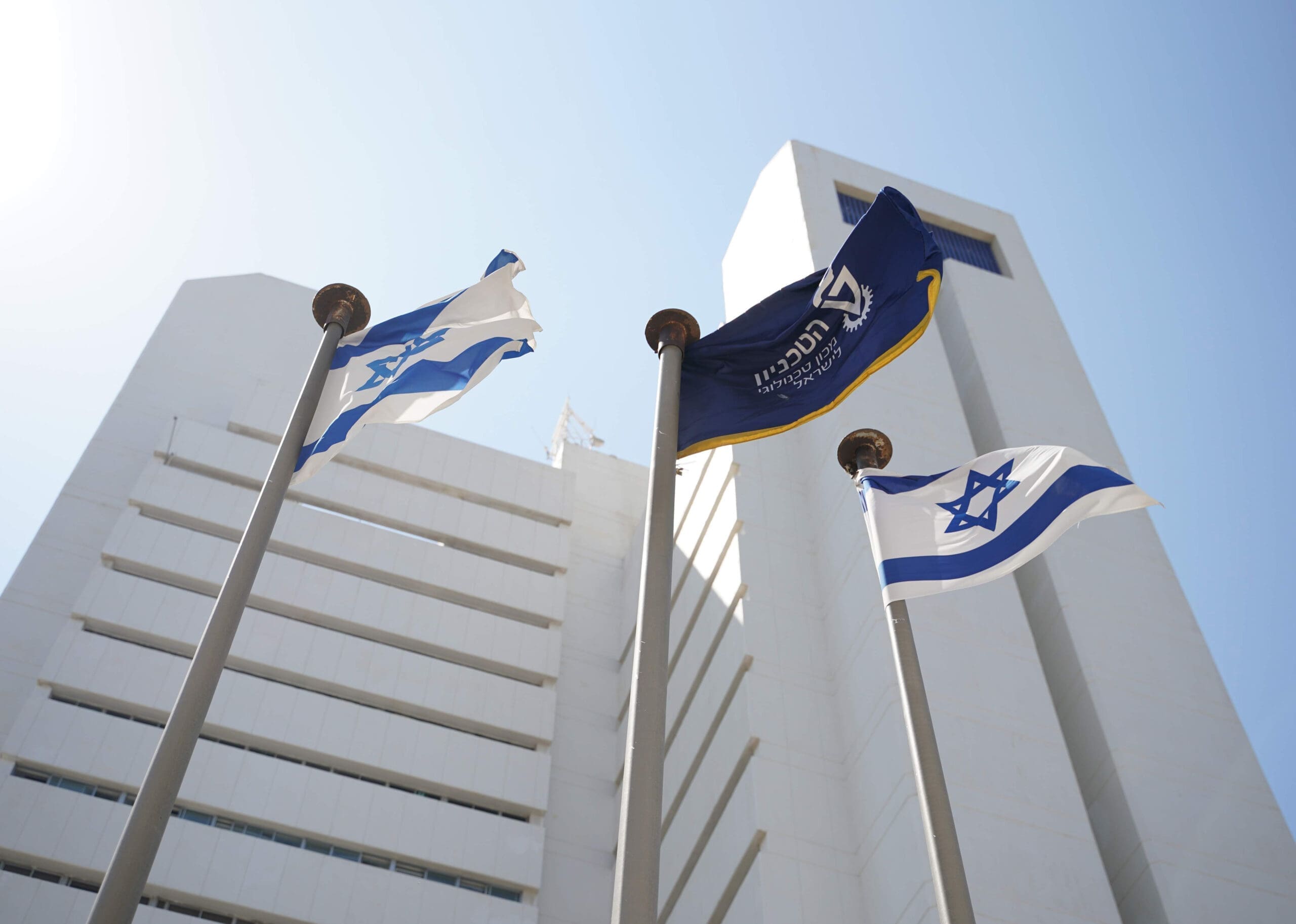





The Technion’s story has been intertwined with Israel’s for more than a century, from laying the foundations for a new nation to shaping its future.

Step inside Israeli innovation at the David and Janet Polak Visitors Center. Experience our 360° immersive movie and tech exhibition. Open to individuals and groups.
Learn More
Before Israel became a state, the Technion was educating the people who would help build it. As the country grew, its challenges called for new knowledge — and generations of Technion minds answered. This short film follows that journey, from the engineers who helped construct Israel’s infrastructure to the researchers whose discoveries strengthened its security, […]
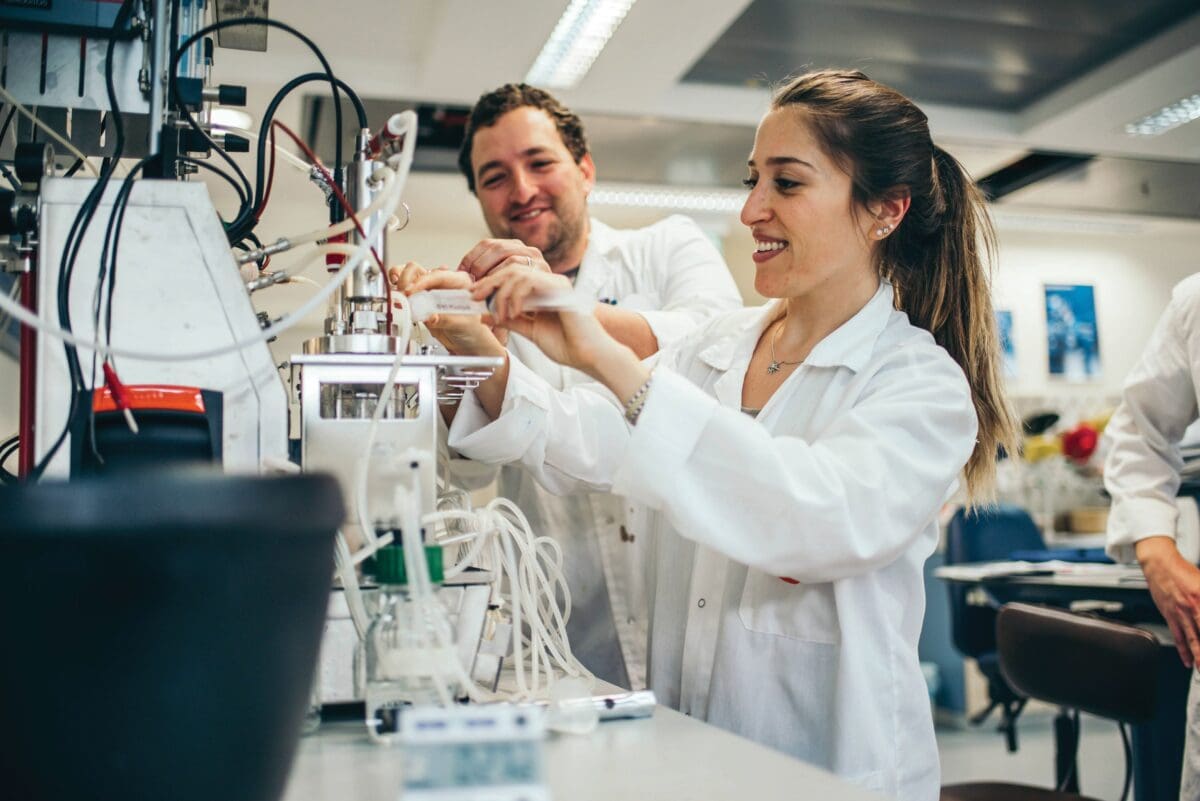
At the Technion, Israel Institute of Technology, the future often begins with a deceptively simple question: What can we do today that we could not do before? “Science and engineering have never been about yesterday’s tasks. They’ve always been about the future,” said Prof. Lihi Zelnik-Manor, vice president of External Relations and Resource Development at […]
Their study investigated fruit flies, a classic model organism in genetics. It focused on the species Drosophila sechellia, whose ancestors’ larval bodies possessed tiny hair-like structures (trichomes). These structures have disappeared over the course of evolution. In other words, the same evolutionary outcome — the loss of gene expression — emerged through several distinct molecular […]

Los Angeles Unified School District recently announced it will bar student use of generative artificial intelligence on school devices for the 2026-27 academic year, joining New York City Public Schools in limiting children’s access to a technology no one yet knows how to safely manage. The nation’s two largest school districts made the move at […]

Artificial intelligence is not simply changing higher education — it is detonating old assumptions about how students learn and how professors teach. As universities worldwide grapple with how to respond, the Technion is working to confront the questions head-on. Here, AI is not treated as a threat but a catalyst, prompting careful reexamination at every […]
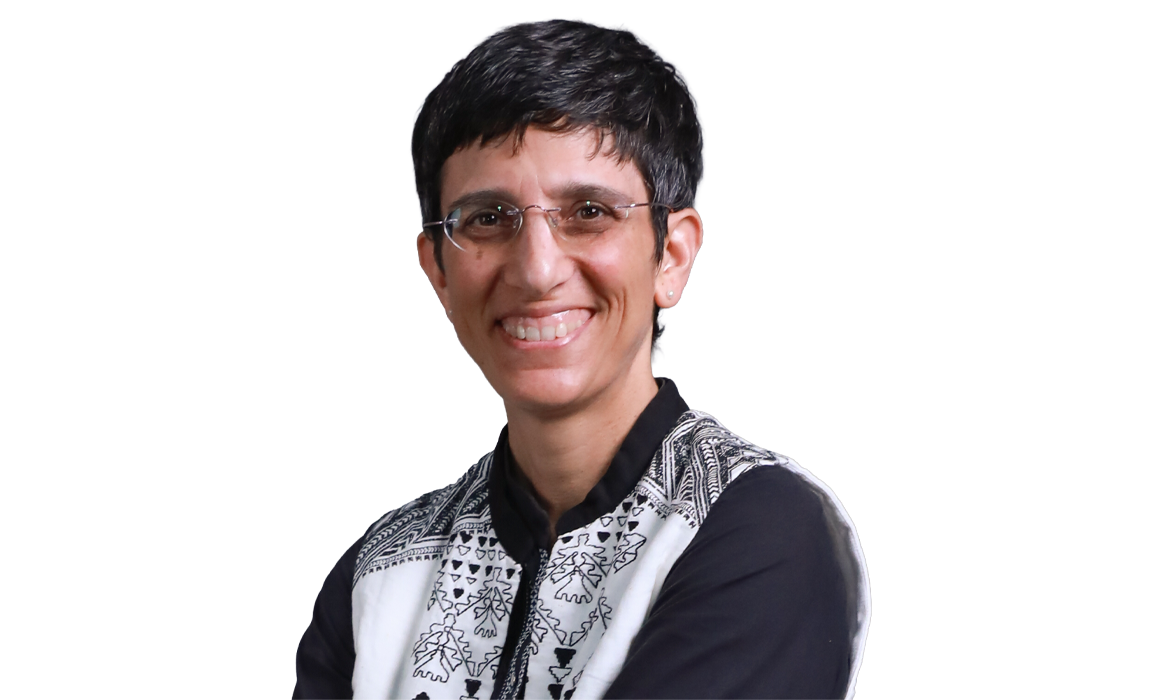
Galit Shmueli is the Tsing Hua Distinguished Professor at the Institute of Service Science, College of Technology Management, National Tsing Hua University in Taiwan.Prof. Shmueli also serves as Vice President for Global Affairs at the university, and is the author of multiple books. She is a truly world-renowned authority in her fields of data science […]

“I thought it was fake,” she recalled. “There was no chance.” As reports continued to emerge, reality became impossible to ignore. By 7 a.m., L.’s brigade commanders had convened an emergency call. Within 20 minutes, L. had packed her things and was helping mobilize reserve battalions, distribute weapons and equipment, and prepare soldiers to enter […]

It’s Your Technion. The Technion has always been more than a university. It is where impossible ideas become world-changing realities. Where breakthroughs in medicine, artificial intelligence, climate technology, food security, aerospace, cybersecurity, and countless other fields improve millions of lives every day. It’s where the next generation of innovators is preparing to solve the challenges […]
When I read that Hackney Council had voted to begin ending its twinning arrangement with Haifa, I couldn’t help wondering: why Haifa? Whatever your views on the wider Middle East conflict, Haifa has always felt different. It is probably Israel’s most multicultural city – a place where Jews, Muslims, Christians, Druze and Baha’is live alongside one another. It’s a city where Hebrew and Arabic are heard every day, and where people from different communities don’t just coexist; they work, study and build lives together. It isn’t perfect, no city is. But if we’re looking for examples of what coexistence can…
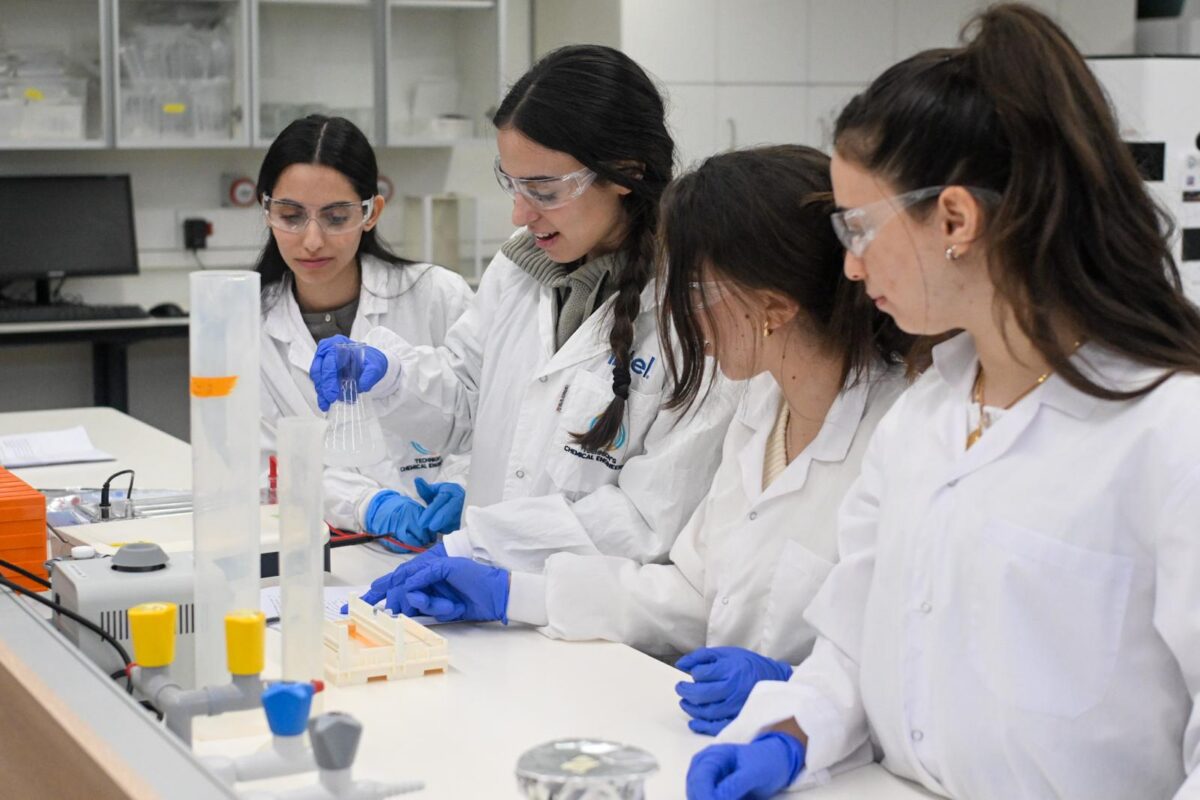
Two Israeli universities have been ranked among the world’s top 30 institutions for their ability to produce artificial intelligence talent, research and entrepreneurs, according to a new global index measuring universities’ “AI production capacity.” The Technion – Israel Institute of Technology ranked 25th worldwide, fourth in Europe and first in Israel, while Tel Aviv University […]
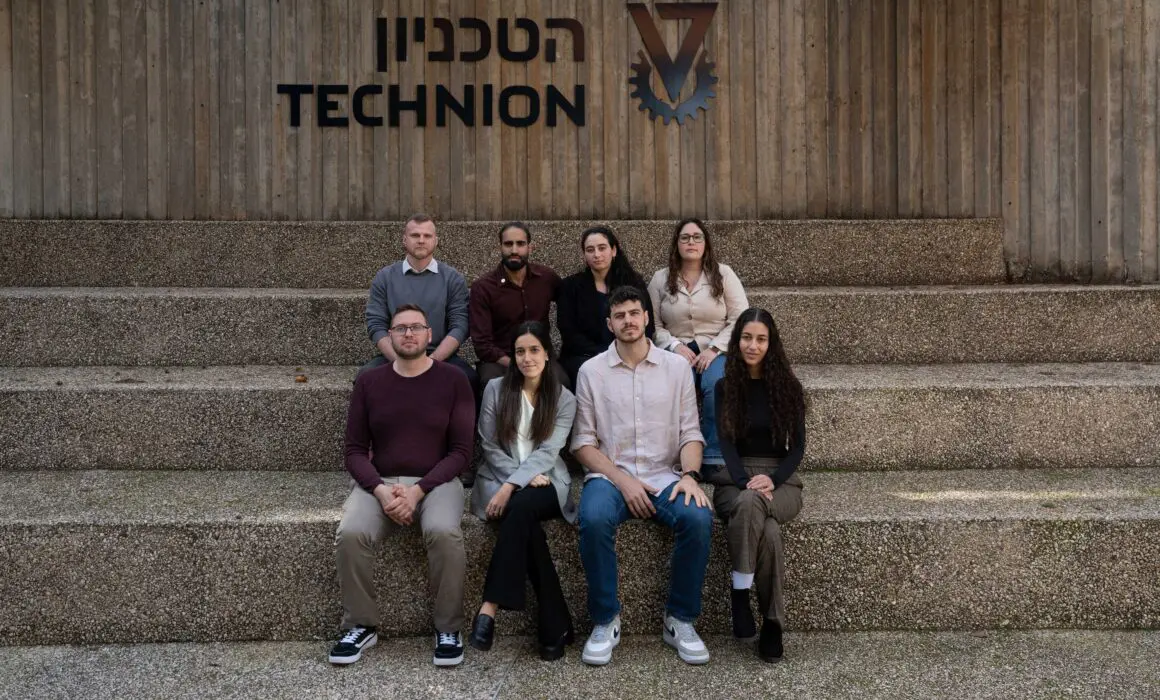
Get to know the students of the Technion: innovators, problem-solvers, and big dreamers driven by curiosity and purpose. You’ll be inspired by their passion for science, their personal stories of resilience, and their commitment to building a stronger, brighter future for Israel’s next generation. From developing life-saving technologies to launching ambitious startups, these students are turning bold ideas into real-world impact, all while balancing exams, lab work, and the occasional all-nighter. Their stories are a reminder that behind every breakthrough is a person determined to make a difference.

Vast Data, one of Israel’s fastest-growing technology companies, is using proceeds from a recent secondary transaction to establish a NIS 3 million ($1M) scholarship fund for artificial intelligence and computer science students at the Technion – Israel Institute of Technology, Tel Aviv University, and the Open University. The fund, established together with the Tmura Foundation, will be financed through options that Vast Data donated in its early years and that were exercised following the company’s recent secondary transaction at a $30 billion valuation. The scholarships will target students who meet academic, socioeconomic and social criteria, with the goal of expanding…