Why the Perfect Pitch is Your Biggest Mistake
September 23, 2026















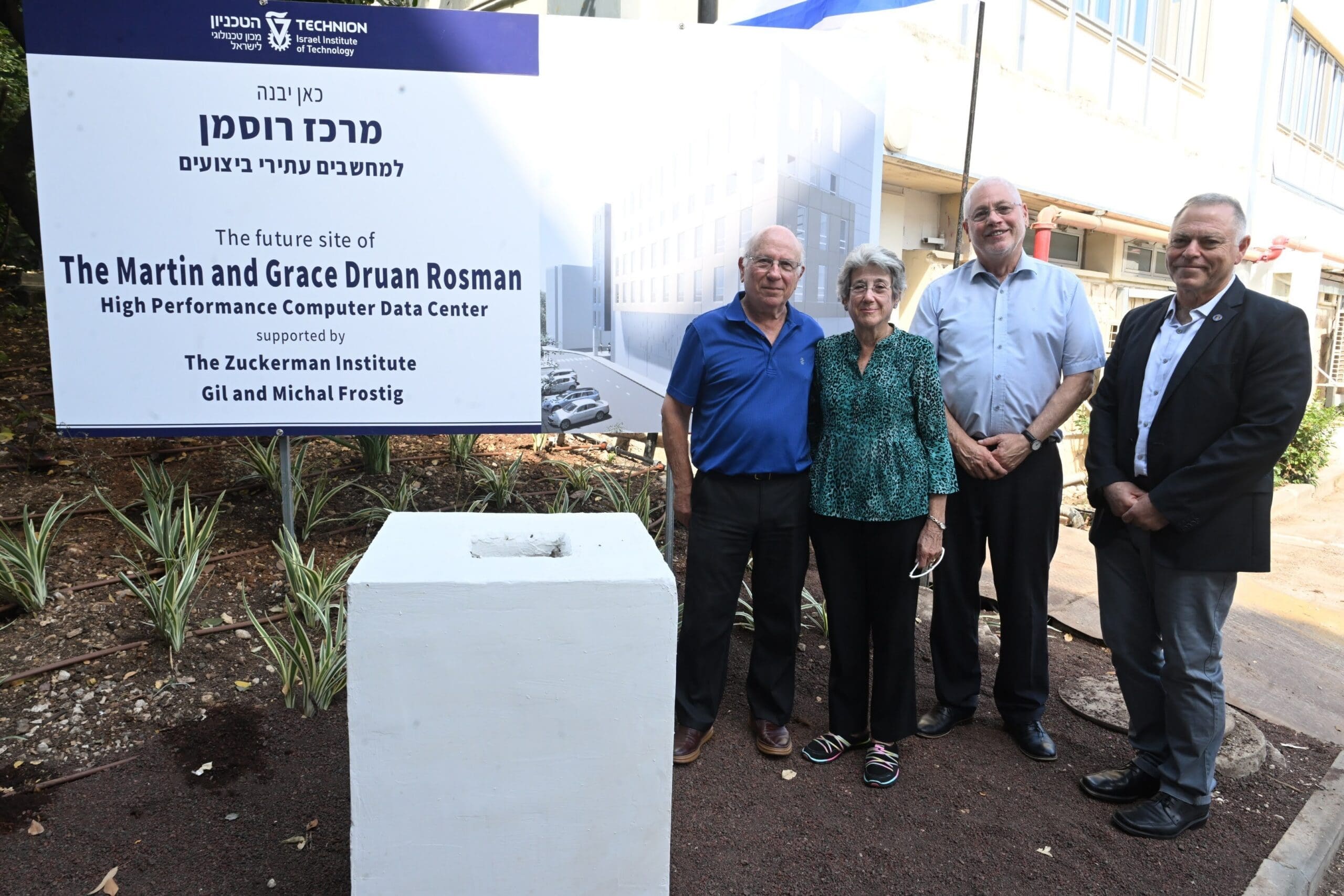



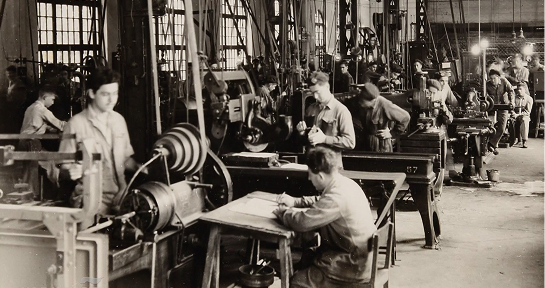
The Technion’s story has been intertwined with Israel’s for more than a century, from laying the foundations for a new nation to shaping its future.
Step inside Israeli innovation at the David and Janet Polak Visitors Center. Experience our 360° immersive movie and tech exhibition. Open to individuals and groups.
Learn More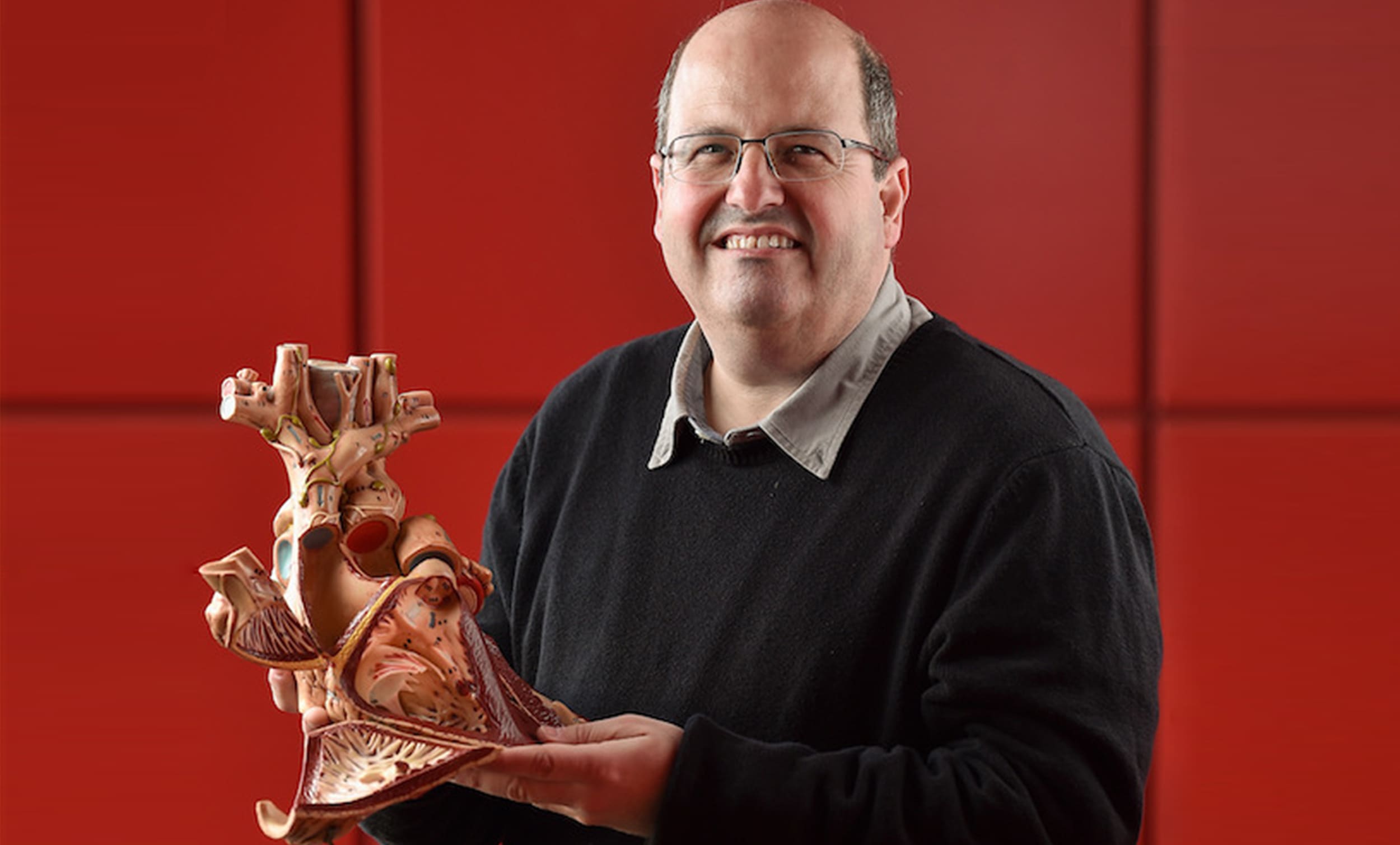
Researchers at the Technion, the Rambam Healthcare Campus (Rambam Medical Center), and colleagues at the McEwen Stem Cell Institute at the University Health Network in Toronto have succeeded in producing 3D engineered cardiac tissues from embedded chamber-specific heart cells (atrial and ventricular cells) derived from human stem cells.
The tissues, which simulate heart tissues of the atrium (auricle, or the upper chamber of the heart through which blood enters the ventricles) or the ventricles, will serve in the near future for personalizing medications for cardiac patients and developing new drugs to treat them. In the more distant future, the technology is expected to be used to develop implants for damaged areas in the auricles and ventricles.
To demonstrate the technology, researchers developed a model of arrhythmia in the engineered atrial tissue. The model simulates the most common type of irregular heartbeat, atrial fibrillation, and allows the examination of the effect of relevant drugs in preventing or stopping the arrhythmia after it has begun.
The atrial and ventricular tissue models displayed unique gene and protein expression patterns, electrical activity, and contractile properties, which were similar to their corresponding chambers in the heart. This is important because drugs that can improve the function of atrial cells may cause harm to ventricular cell function — even inducing ventricular arrhythmias. Being able to individually manufacture the cells of the atrium and the ventricle means researchers can test each drug for each cell type separately.
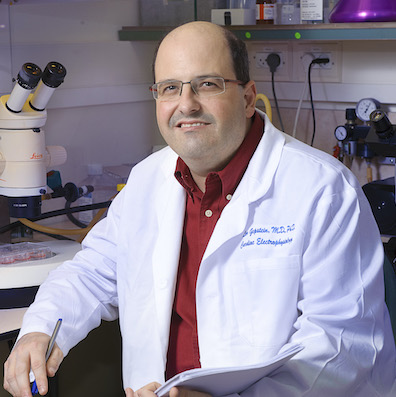
This research could revolutionize the field of drug development as well as the ability to personalize medicine. Lead researcher Professor Lior Gepstein, head of the Sohnis Family Research Laboratory for Cardiac Electrophysiology and Regenerative Medicine at the Technion’s Rappaport Faculty of Medicine and chief of cardiology at Rambam Health Care Center, hopes similar methods could produce heart tissue for transplants in cardiac patients.
This research complements a previous study from Prof. Gepstein’s lab that was recently published in the Journal of the American College of Cardiology.
In that study, a unique, two-dimensional model of cardiac tissue was derived from a patient-specific human stem-cell source, allowing the modeling and study of complex arrhythmias in inherited cardiac disorders. This unique model was used for the study of a life-threatening inherited arrhythmogenic syndrome called short QT syndrome.
The model presented by Prof. Gepstein’s team makes it possible to reconstruct and investigate the mechanisms underlying arrhythmias in this syndrome, test different treatments in the lab, and choose in advance the optimal treatment for the specific patient. This work also demonstrated the possibility of using genetic editing (CRISPR) to correct the mutation leading to the arrhythmia in this disease, providing proof-of-concept evidence for the potential of this approach for treating genetic disorders in the future.