Why the Perfect Pitch is Your Biggest Mistake
September 23, 2026



















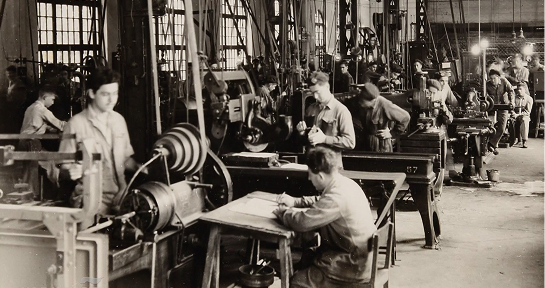
The Technion’s story has been intertwined with Israel’s for more than a century, from laying the foundations for a new nation to shaping its future.

Step inside Israeli innovation at the David and Janet Polak Visitors Center. Experience our 360° immersive movie and tech exhibition. Open to individuals and groups.
Learn More
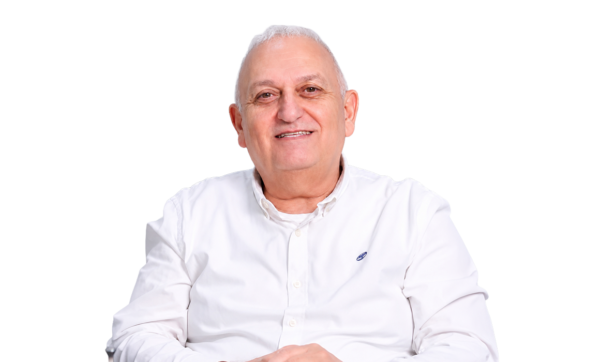
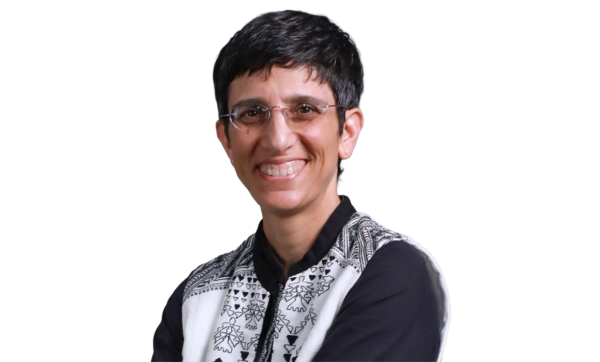
Pictured above: Professor Reem Dowery (left) and Professor Doron Melamed
Since the start of the COVID-19 pandemic, the scientific community has been bewildered by a mystery: why does the elderly population appear to be more vulnerable to COVID-19, and why are vaccines less effective in protecting them?
Technion doctoral student Reem Dowery may have discovered the reason why.
Memory B lymphocytes are cells within the human body that are responsible for long-term production of effective antibodies. They are formed when the body is exposed to a new pathogen, such as a virus. Upon consequent exposures to the same pathogen, they recognise it and elicit an enhanced antibody response to trigger an accelerated and augmented immunity. Memory B lymphocytes are capable of surviving and maintaining immune memory for many years. They are what vaccines attempt to generate, providing the body with a first exposure to what it interprets as the pathogen.
The elderly population is not as effective at creating memory B lymphocytes, putting them at greater risk when facing new pathogens such as COVID-19. Dowery’s research — under the supervision of Professor Doron Melamed, the principal investigator in the Richard and Kenneth Skodnek Developmental Immunology and Aging Research Laboratory in the Rappaport Faculty of Medicine — explains why. Existing memory B lymphocytes impede the production of new ones by means of hormone signals. As a result, as we age our immune systems become more adept in responding to pathogens we have encountered before, but less capable of adapting to new threats. The same process makes vaccines less effective in protecting the elderly population.
But Dowery wondered, could it be possible to rejuvenate the immune system? To answer that question, she collaborated with the departments of haematology and rheumatology in the Sourasky Medical Centre and the Rambam Health Care Center.
As part of treatment for medical conditions like lupus, lymphoma, and multiple sclerosis, a significant amount of memory B lymphocytes are removed from a patient’s body. Upon examination of these patients, Dowery found that elderly patients who had their memory B lymphocytes removed had their immune systems rejuvenated, and their bodies were able to produce new, highly potent B lymphocytes again.
An effect similar to B-cell depletion can be produced by inhibiting one of the hormones in the signalling pathway that suppresses the production of new B lymphocytes.
This research has paved the way for further exploration of immune system rejuvenation, and provides valuable insight into the immune system of the elderly population as we fight COVID-19.