The Technion’s story has been intertwined with Israel’s for more than a century, from laying the foundations for a new nation to shaping its future.
From medicine to security, explore how the Technion is advancing Israel and improving lives around the world.
View All Impact Areas
Explore stories, news, insights, and data across articles, videos, and podcasts.
view all content types
in Israel and Europe for research on artificial intelligence
locations
of all universities in the world*
The Technion’s story has been intertwined with Israel’s for more than a century, from laying the foundations for a new nation to shaping its future.
Explore ATS, the Technion, and the people behind the breakthroughs redefining what's possible for Israel and the world.
Learn More About ATSATS is a community of supporters, innovators, and champions of possibility united by one mission: transforming Israel and the world through science and discovery.
Learn MoreFor more than 100 years, the Technion has been Israel's technological engine and leading driver of innovation, technology, and entrepreneurship, transforming ideas into impact.
Learn More
Step inside Israeli innovation at the David and Janet Polak Visitors Center. Experience our 360° immersive movie and tech exhibition. Open to individuals and groups.
Learn MoreFrom medicine to security, explore how the Technion is advancing Israel and improving lives around the world.
View All Impact AreasExplore stories, news, insights, and data across articles, videos, and podcasts.
view all content typesDiscover ways to support, connect, and help drive innovation.
Get InvolvedExplore ATS, the Technion, and the people behind the breakthroughs redefining what's possible for Israel and the world.
Learn More About ATS
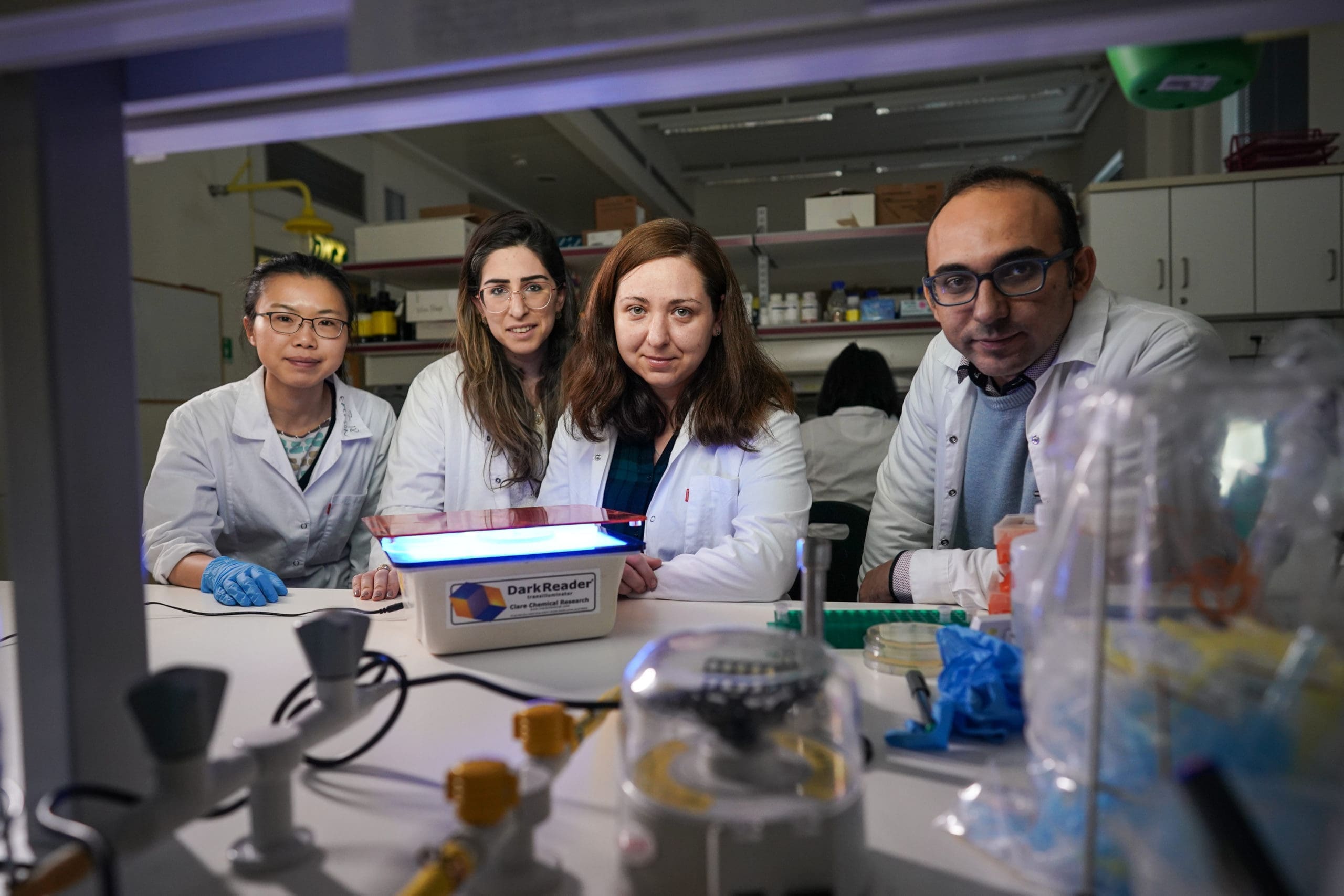
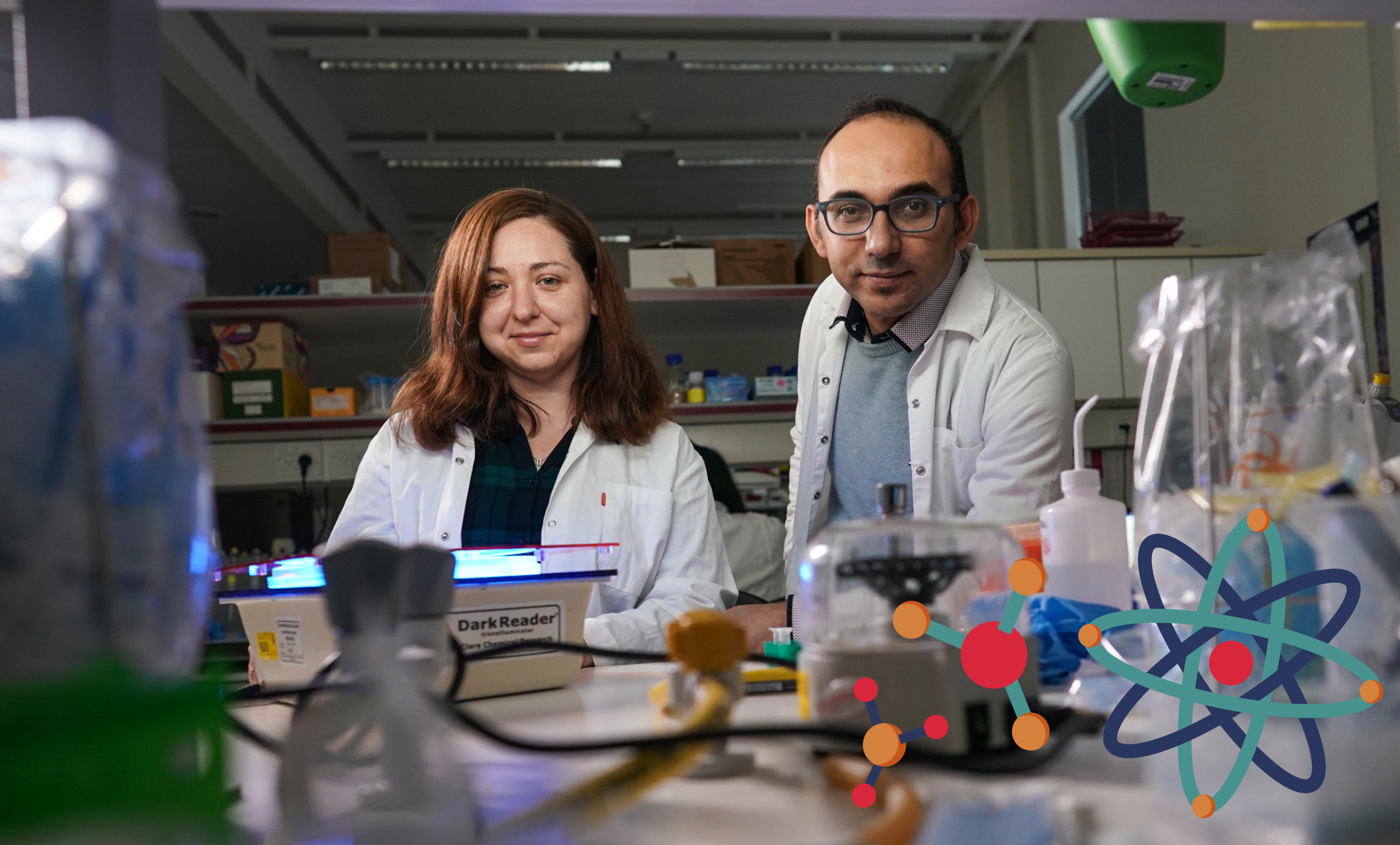
Prof. Daniel’s research, conducted with doctoral candidate Natalia Barger, focuses on how these cells generate light as a response to “multi-input” conditions, that is, in the presence of more than one toxin. Such a method, Prof. Daniel said, can be used to detect toxins in urine samples or warn of bleeding in the gut.
Research in synthetic biology is still at the cellular level but the potential is enormous, he said. “We can build bacteria that can detect the concentration and type of toxins in food and water.” Another promising application: viruses that can detect and bind to tumor cells, then release a protein that triggers the body’s immune system to destroy the cancerous cell.
Prof. Daniel grew up in Nazareth, where his father, who owned a carpentry shop, encouraged him to build things with his hands. “My father didn’t finish school, but he taught me about famous scientists,” Prof. Daniel said. He gravitated to electrical engineering and worked as a design engineer in Israel’s Tower Semiconductors from 2000 to 2007, studying how to build complex engineering circuits. But academia always exerted a strong pull; he left to pursue graduate studies and eventually returned to the Technion as a faculty member in 2014.
The Technion has provided room for Prof. Daniel’s interdisciplinary approach. He is affiliated with the Lorry I. Lokey Interdisciplinary Center for Life Sciences and Engineering (opens in a new tab). “I thank the Technion for believing in my vision, the Neubauer Family Foundation for supporting my research, and most important, my students and lab researchers,” he said.
“To solve challenges like disease and those related to food and water, we need systems based on living materials. Electronics alone is not enough,” Prof. Daniel said. “Synthetic biology is the next revolution.”
July 15, 2020
Discover the innovative research of Ramez Daniel in synthetic biology, focusing on the incredible potential of human cells.
1 min
X (opens in a new tab) / Facebook (opens in a new tab) / LinkedIn (opens in a new tab) / Email / Copy Link
Faculty /
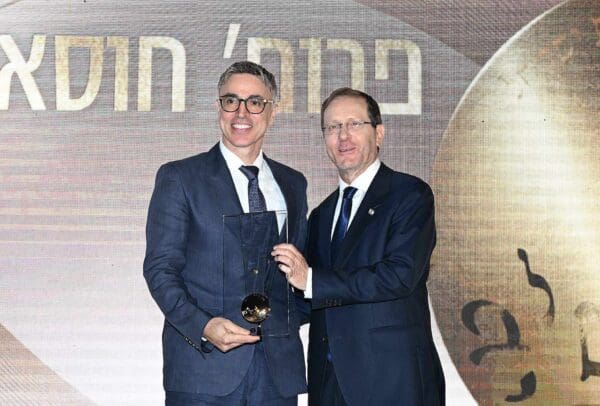
What if diagnosing cancer, Parkinson’s disease, or other serious illnesses could be as simple as breathing into a handheld device? That possibility is moving closer to reality thanks to the work of the Technion’s Prof. Hossam Haick, whose groundbreaking research is changing how diseases are detected around the world. In recognition of his extraordinary achievements, […]
Every year, the European Research Council (ERC) identifies some of the world’s most promising early-career researchers and gives them the freedom to pursue bold ideas. This year, two of those ideas came from the Technion – Israel Institute of Technology. From cancer research to artificial intelligence (AI), breakthroughs that shape the future often begin with […]
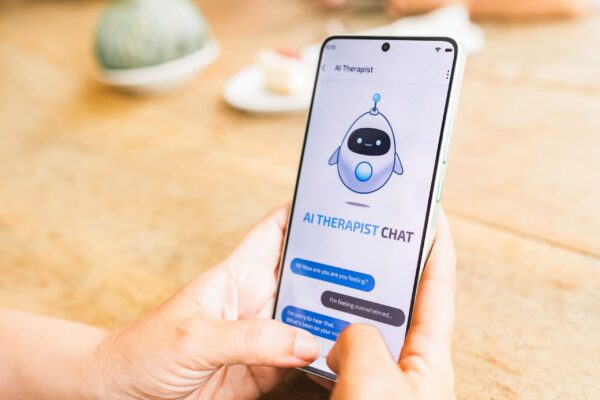
As more people turn to AI chatbots for companionship, life advice, or even as a stand-in for therapy, experts say the technology offers both new opportunities and risks when it comes to mental health. Prof. Tanzeem Choudhury is the chief of health innovation in the Joan & Irwin Jacobs Technion-Cornell Institute and has been studying AI and mental health for 15 years. She said AI tools are available any time, often at low cost, making it easier for people to access some form of mental health support.
Stay on top of the latest breaking scientific discoveries from Israel and the Technion. Subscribe to the ATS newsletter.