The Technion’s story has been intertwined with Israel’s for more than a century, from laying the foundations for a new nation to shaping its future.

From medicine to security, explore how the Technion is advancing Israel and improving lives around the world.
View All Impact Areas
Explore stories, news, insights, and data across articles, videos, and podcasts.
view all content types
companies founded by graduates and faculty in the last 10 years
of the student body are Arab Israeli
in Europe and #21 in the world for aerospace engineering*
The Technion’s story has been intertwined with Israel’s for more than a century, from laying the foundations for a new nation to shaping its future.
Explore ATS, the Technion, and the people behind the breakthroughs redefining what's possible for Israel and the world.
Learn More About ATSATS is a community of supporters, innovators, and champions of possibility united by one mission: transforming Israel and the world through science and discovery.
Learn MoreFor more than 100 years, the Technion has been Israel's technological engine and leading driver of innovation, technology, and entrepreneurship, transforming ideas into impact.
Learn More
Step inside Israeli innovation at the David and Janet Polak Visitors Center. Experience our 360° immersive movie and tech exhibition. Open to individuals and groups.
Learn MoreFrom medicine to security, explore how the Technion is advancing Israel and improving lives around the world.
View All Impact AreasExplore stories, news, insights, and data across articles, videos, and podcasts.
view all content typesDiscover ways to support, connect, and help drive innovation.
Get InvolvedExplore ATS, the Technion, and the people behind the breakthroughs redefining what's possible for Israel and the world.
Learn More About ATS
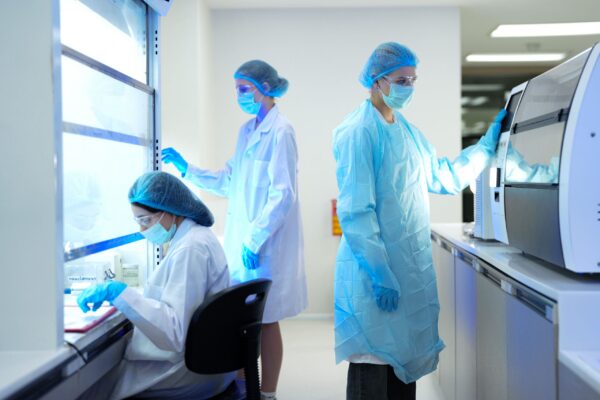
The best way to stop the spread of the coronavirus is by identifying carriers and keeping them away from healthy people. That requires testing — and a lot of it.
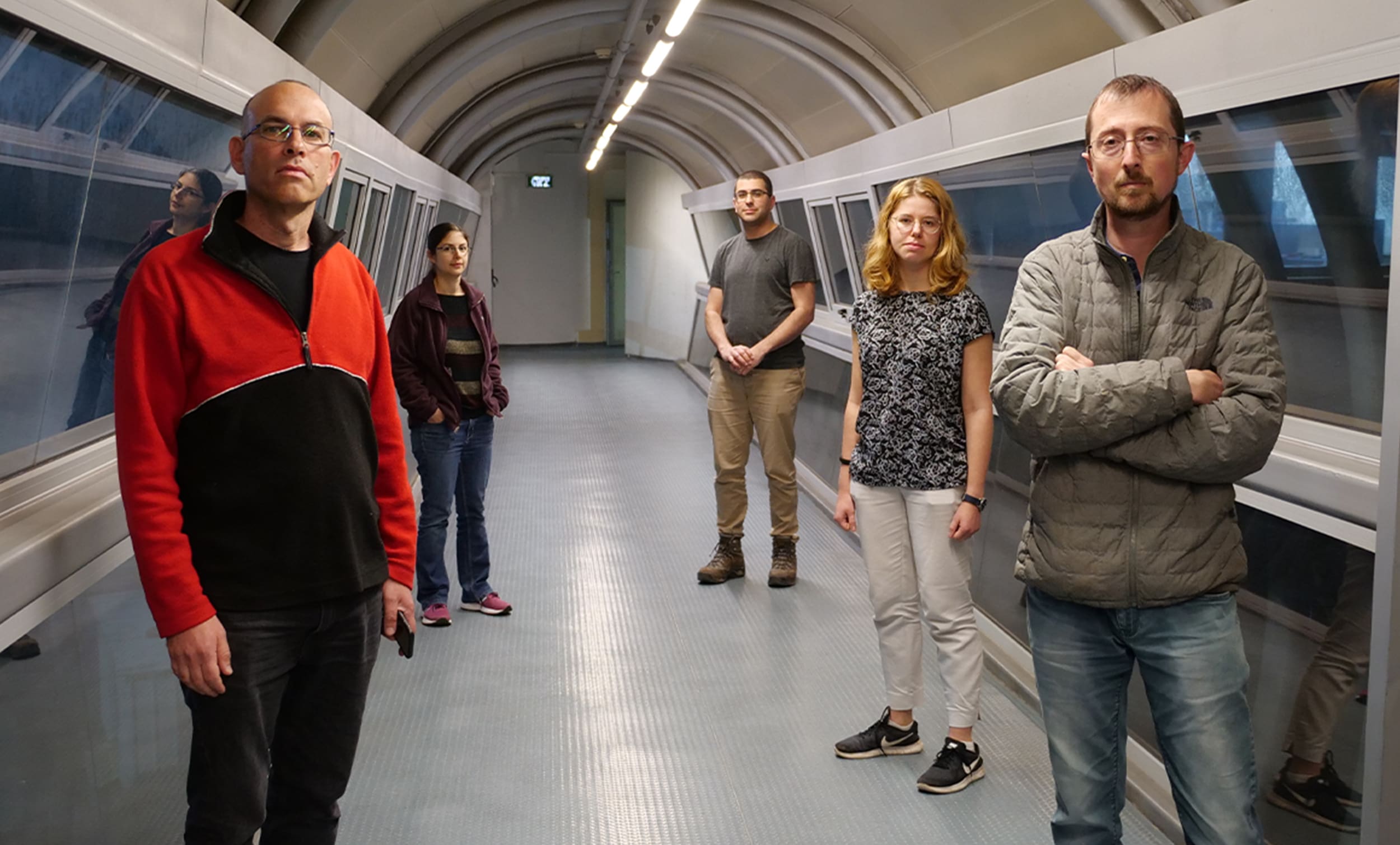
Researchers at the Technion and Rambam Health Care Campus are undergoing a final validation of their “pooling” test, which would dramatically increase testing capacity and speed. They hope the test will be available for widespread use by winter, when people could be suffering from a second wave of coronavirus, or a combination of COVID-19 and the flu.
“In winter, a lot of people will have respiratory diseases and will really want to know if they have SARS or something else,” said Technion researcher Dr. Idan Yelin. “There are going to be a lot of people being tested — even more than now — and we will need this.”
The team is led by Technion Professor Roy Kishony, the Marilyn and Henry Taub Chair in Life Sciences, and the director of the Lorry I. Lokey Interdisciplinary Center for Life Sciences and Engineering.
The new method, announced in March, advances PCR molecular testing common for COVID-19 by analyzing dozens of people simultaneously. Samples from saliva or throat and nose swabs are grouped into one batch and undergo a single test. If the group comes back negative, no further testing is needed. Individual testing would only be necessary when the pool comes up positive. Pooling is most beneficial in communities with a relatively low incidence of coronavirus because fewer positive results would emerge.
Currently, Israel is screening an average of 25,000 people per day, and as of July 19, the U.S. was testing more than 750,000 people daily, according to Johns Hopkins University & Medicine. The pooling method would test more people rapidly — a requirement for allowing the economy to reopen. The new approach would also save on chemical reagents and other equipment that has been in short supply.
July 22, 2020
Discover the latest Technion advancements in COVID testing and the role it plays in public health and safety measures.
1 min
X (opens in a new tab) / Facebook (opens in a new tab) / LinkedIn (opens in a new tab) / Email / Copy Link
Faculty /
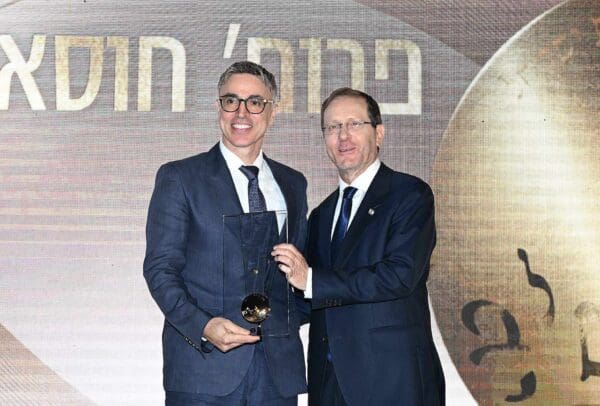
What if diagnosing cancer, Parkinson’s disease, or other serious illnesses could be as simple as breathing into a handheld device? That possibility is moving closer to reality thanks to the work of the Technion’s Prof. Hossam Haick, whose groundbreaking research is changing how diseases are detected around the world. In recognition of his extraordinary achievements, […]
Every year, the European Research Council (ERC) identifies some of the world’s most promising early-career researchers and gives them the freedom to pursue bold ideas. This year, two of those ideas came from the Technion – Israel Institute of Technology. From cancer research to artificial intelligence (AI), breakthroughs that shape the future often begin with […]
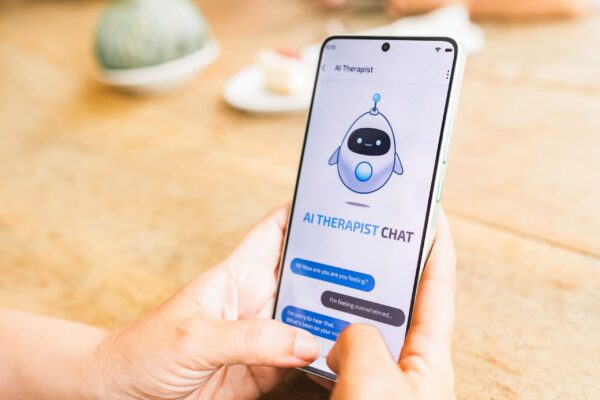
As more people turn to AI chatbots for companionship, life advice, or even as a stand-in for therapy, experts say the technology offers both new opportunities and risks when it comes to mental health. Prof. Tanzeem Choudhury is the chief of health innovation in the Joan & Irwin Jacobs Technion-Cornell Institute and has been studying AI and mental health for 15 years. She said AI tools are available any time, often at low cost, making it easier for people to access some form of mental health support.
Stay on top of the latest breaking scientific discoveries from Israel and the Technion. Subscribe to the ATS newsletter.