Why the Perfect Pitch is Your Biggest Mistake
September 23, 2026











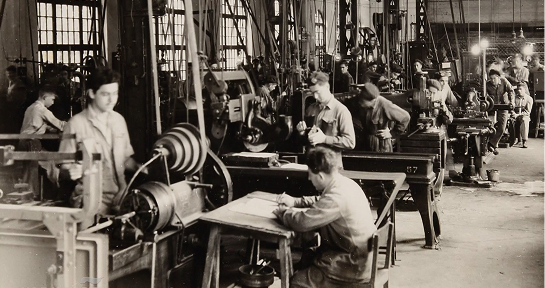
The Technion’s story has been intertwined with Israel’s for more than a century, from laying the foundations for a new nation to shaping its future.
Step inside Israeli innovation at the David and Janet Polak Visitors Center. Experience our 360° immersive movie and tech exhibition. Open to individuals and groups.
Learn More
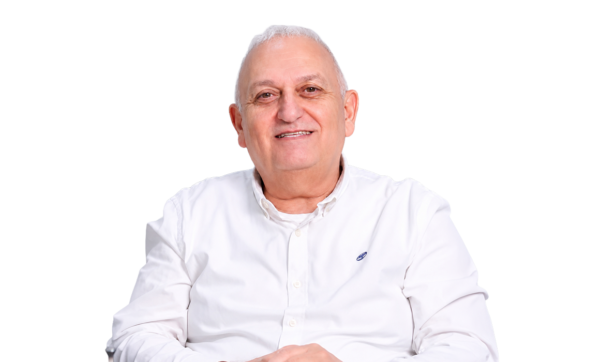
The Technion has long eschewed the typical silos of academia, encouraging faculty and students to build research partnerships outside their areas of expertise. This approach has brought together the basic sciences and engineering to develop medical devices and countless other technological breakthroughs, helping Israel earn the moniker “Start-up Nation.” “The Technion vision has prepared, shaped, and empowered the high-tech nation, which is the Israel of today,” said President Sivan.
Notwithstanding the hardships brought on by COVID-19, the crisis has remarkably accelerated opportunities for commercialization. This year, the Technion launched a record 15 new companies. To catalyze even more breakthroughs, the Technion is establishing a network of multidisciplinary research institutes focused on the grand challenges of the new century: human health, energy, sustainability, and advanced manufacturing. These centers will cross disciplines and approaches to bring out the best in the Technion and its people.
“We have to start embedding leadership skills in a more general arena, on nontraditional studies like entrepreneurship, ethics, environmental awareness… We believe these are essential for the technological leaders of tomorrow.”
| Prof. Uri Sivan
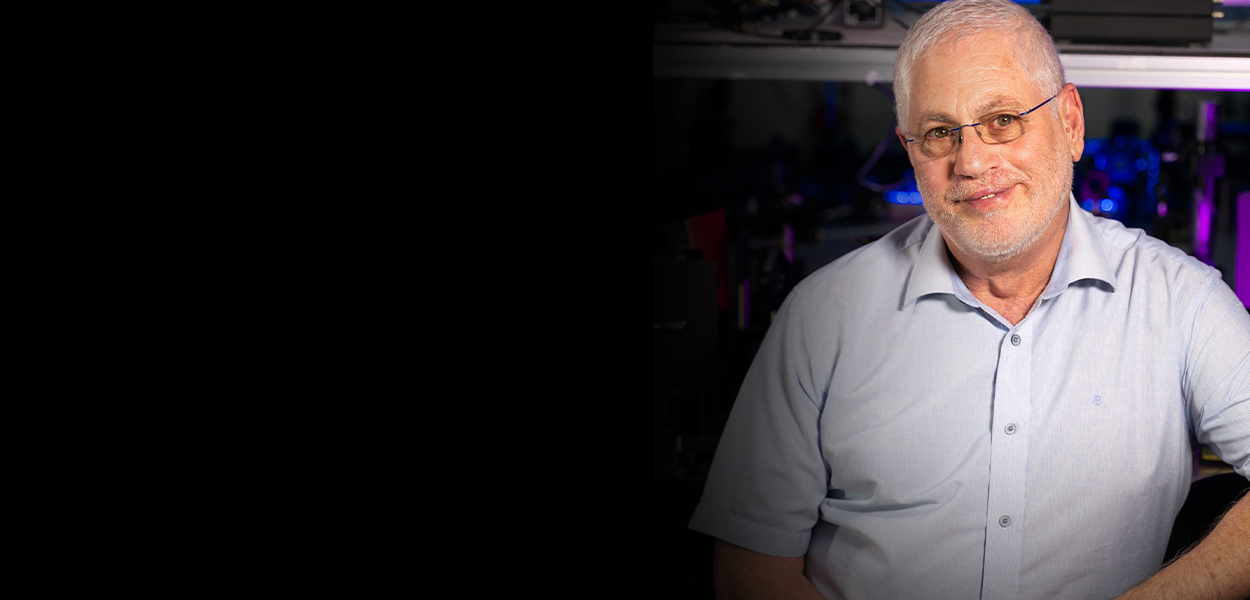
The world is changing. “Just a few years ago, university professors were the sole source of information and authority,” President Sivan said. “This is not the case now. People have easy access to information.”
To prepare the next generation of scientists, entrepreneurs, and innovators, our education methods must match the needs of the 21st century — which is exactly what the Technion is doing.
“We have to start embedding leadership skills in a more general arena, on nontraditional studies like entrepreneurship, ethics, environmental awareness — skills that are different from conventional engineering,” President Sivan said. “We believe these are essential for the technological leaders of tomorrow.”
By giving students a broad perspective in addition to a world-class science and engineering education, the Technion is setting graduates up to better understand the ethical, environmental, and societal ramifications of their professional endeavors.
Increasingly, major corporations are building their own research teams, competing with universities for the best and brightest minds.
Where some see a formidable barrier, President Sivan sees opportunity. “We need to reach a new understanding with those companies,” he stated. “They need to understand that their long-term interest is in preserving academic interest and protecting curiosity-driven research. We need to streamline the technology transfer from the university to tech and
startup companies.”
By bringing industry deeper into campus, the Technion immediately benefits from industry researchers’ deep bench of knowledge and resources in the lab. This gives the Technion firsthand access to technology and information from some of the world’s most cutting-edge companies. Technion students also immensely benefit from the opportunity to learn from these experts as teachers and mentors, further enriching their Technion education.
As President Sivan was envisioning this strategic direction for the Technion, he could not have imagined campus would grind to a halt as the world dealt with a bruising global pandemic. The Technion adjusted quickly to remote learning, but students and faculty are eager to get back to “normal” life in classrooms and labs across campus.
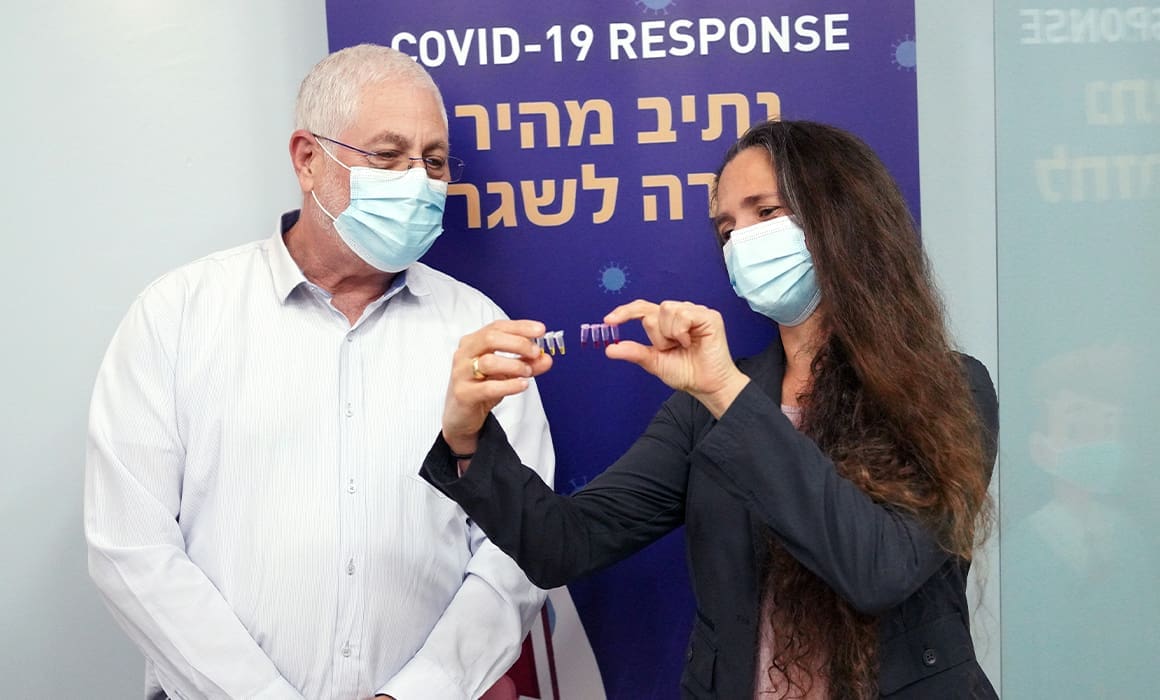
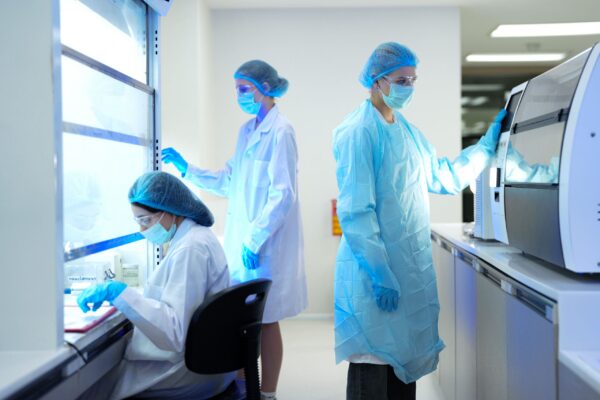
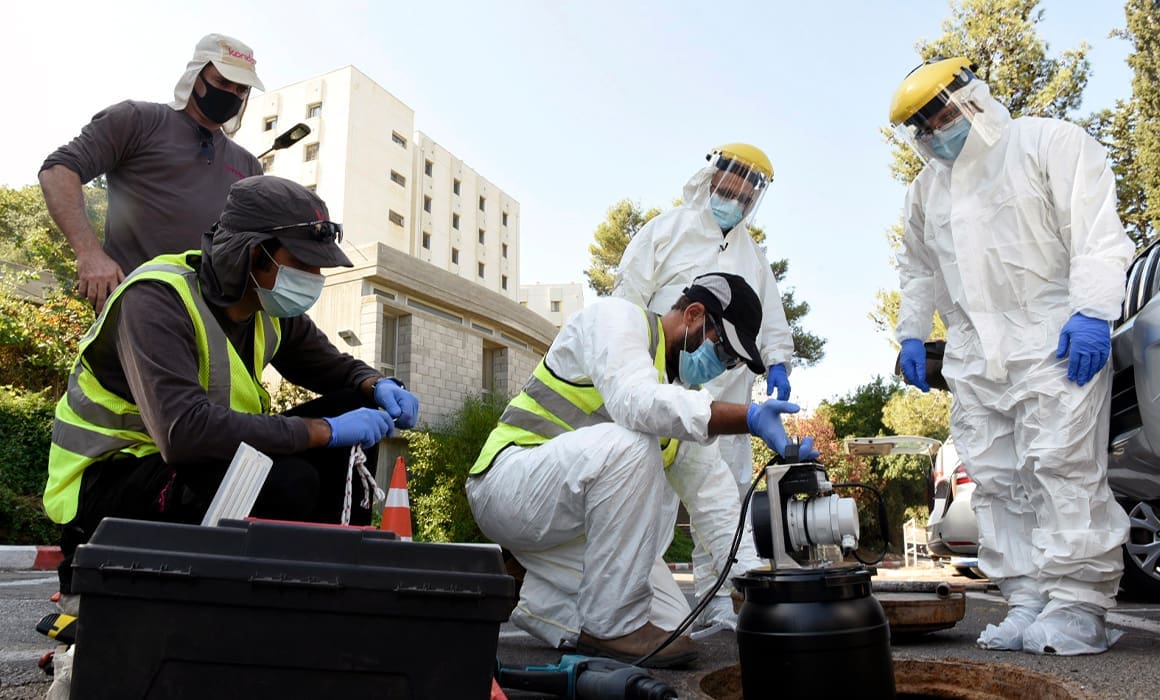
As part of the Technion’s “Open and Safe Campus” initiative, the Technion is using technology developed in part by Associate Professor Eran Friedler to monitor wastewater on campus for signs of COVID-19. And they are testing students, faculty, and visitors alike with NaorCov19, a rapid test developed by Assistant Professor Naama Geva-Zatorsky.