Why the Perfect Pitch is Your Biggest Mistake
September 23, 2026





















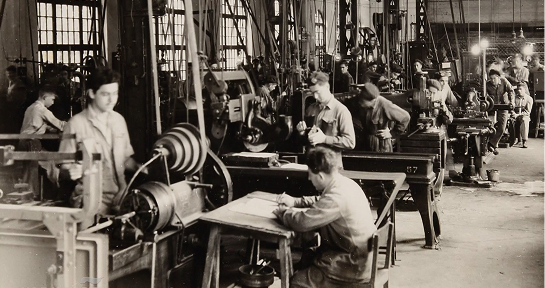
The Technion’s story has been intertwined with Israel’s for more than a century, from laying the foundations for a new nation to shaping its future.

Step inside Israeli innovation at the David and Janet Polak Visitors Center. Experience our 360° immersive movie and tech exhibition. Open to individuals and groups.
Learn More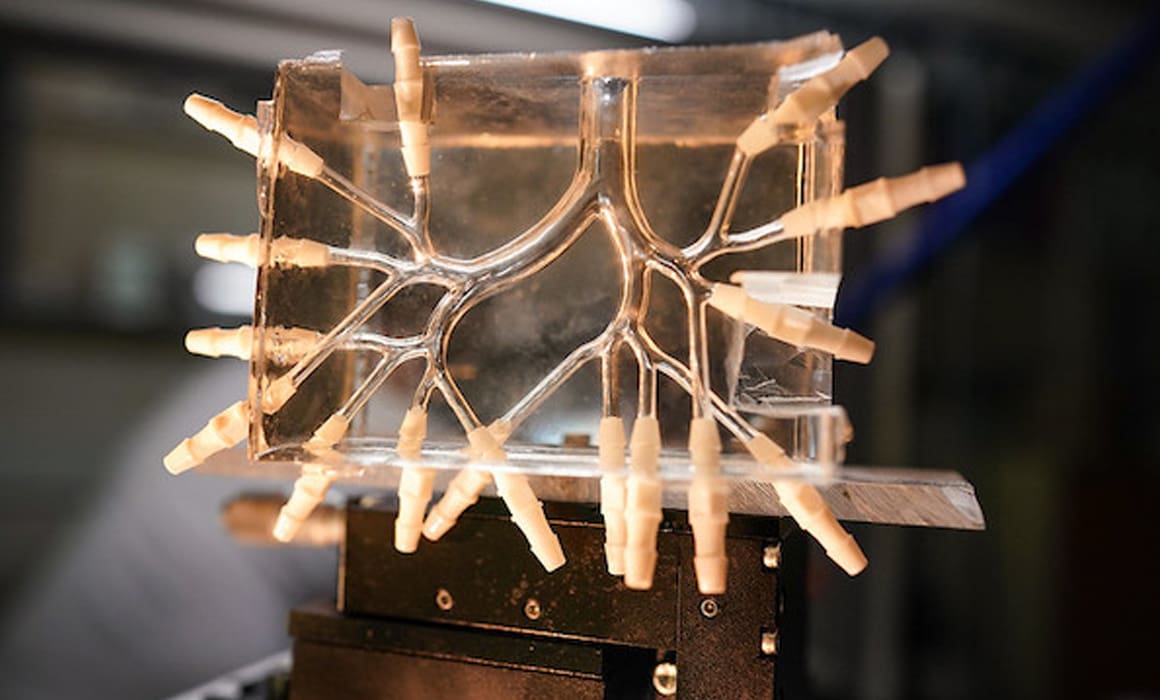
A new artificial model of premature infants will make possible experiments that are expected to reduce injury to infants on respirators. The model may also be beneficial in helping patients infected by COVID-19.
The study, published in the Journal of the Royal Society Interface, was conducted by doctoral student Eliram Nof and Professor Josué Sznitman of the Technion Faculty of Biomedical Engineering, in collaboration with Professor Dan Waisman, director of the Newborn Unit at the Carmel Medical Center.
More than 10% of babies worldwide are born prematurely. Premature babies are subject to many respiratory issues, as the respiratory system only reaches its full function late in fetal development. As a result, premature babies often experience respiratory distress at birth, due to the lack of a unique soapy substance (surfactant), which prevents the collapse of the lungs and facilitates breathing.
Using an exterior surfactant in conjunction with a ventilation machine — a breathing apparatus that pumps air into the baby’s respiratory tract through an orally inserted tube — greatly helps premature infants. But respirators can damage infant lung tissue. There is no standardization for choosing ventilator operating parameters like the percentage of oxygen in the infused air, the volume of air, the pressure, the rate, and more. Doctors do their best to make adjustments based on each infant’s condition and to minimize injury, but many infants are still injured during this process that is vital to saving their lives.
The new silicone model developed by the Technion researchers simulates — in 3D and in real size — the upper respiratory tract of a premature baby, allowing researchers to better understand how to treat premature babies in respiratory distress.
The researchers were surprised to discover a phenomenon not mentioned at all in the medical literature: an air jet at the exit of the tube inserted into the mouth of the baby. For the first time, researchers were able to see that this jet exerts strong shear forces on the epithelial tissue — the layer of cells that cover the upper airways. These forces can cause damage, including inflammation, which poses a real risk to the premature infant.
Researchers have made recommendations for optimal respiratory protocols for premature infants based on this finding. In their estimation, adjusting respiratory protocols to the flow configuration in the baby’s respiratory system may reduce damage and improve the chances of these infants developing a proper respiratory system.
With further study, researchers intend to grow live biological cells onto the model and examine the effect of the jet on them. There is also the possibility that this model could help researchers and physicians understand how to treat patients infected by COVID-19.