The Technion’s story has been intertwined with Israel’s for more than a century, from laying the foundations for a new nation to shaping its future.

From medicine to security, explore how the Technion is advancing Israel and improving lives around the world.
View All Impact Areas
Explore stories, news, insights, and data across articles, videos, and podcasts.
view all content types
in Israel and Europe for research on artificial intelligence
companies founded by graduates and faculty in the last 10 years
students
The Technion’s story has been intertwined with Israel’s for more than a century, from laying the foundations for a new nation to shaping its future.
Explore ATS, the Technion, and the people behind the breakthroughs redefining what's possible for Israel and the world.
Learn More About ATSATS is a community of supporters, innovators, and champions of possibility united by one mission: transforming Israel and the world through science and discovery.
Learn MoreFor more than 100 years, the Technion has been Israel's technological engine and leading driver of innovation, technology, and entrepreneurship, transforming ideas into impact.
Learn More
Step inside Israeli innovation at the David and Janet Polak Visitors Center. Experience our 360° immersive movie and tech exhibition. Open to individuals and groups.
Learn MoreFrom medicine to security, explore how the Technion is advancing Israel and improving lives around the world.
View All Impact AreasExplore stories, news, insights, and data across articles, videos, and podcasts.
view all content typesDiscover ways to support, connect, and help drive innovation.
Get InvolvedExplore ATS, the Technion, and the people behind the breakthroughs redefining what's possible for Israel and the world.
Learn More About ATS
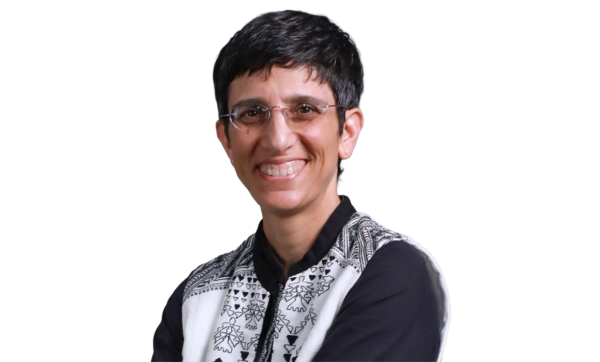
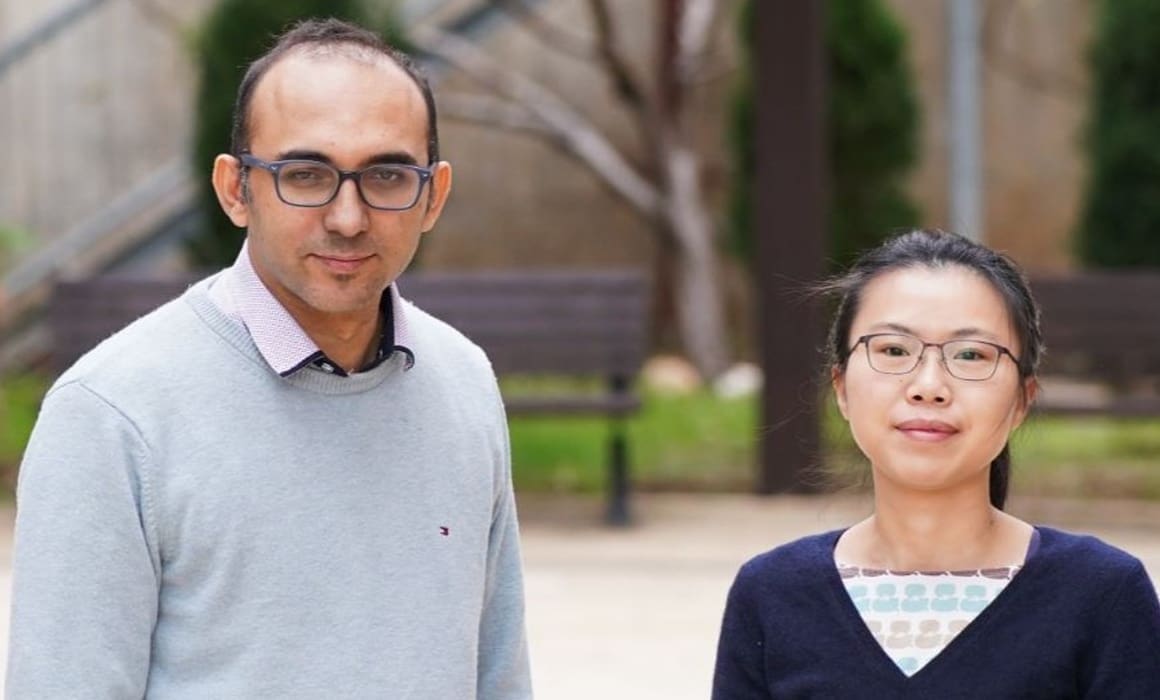
Pictured above: Assistant Professor Ramez Daniel and Dr. Ximing Li
When you get an infection, your immune system mobilizes by sharing information about the pathogen and how much of a response is required. Microbial colonies, like the ones that make up your immune system, are stronger and smarter when they act collectively against threats like infection. To do that, they communicate among themselves through a phenomenon called “quorum sensing.”
In a recent breakthrough, Dr. Ximing Li and Assistant Professor Ramez Daniel from the Technion Faculty of Biomedical Engineering were able to engineer microbe colonies to recognize specific geometric patterns, such as letters, by modifying how microbe colonies communicate. Their findings were published in Nature Communications.
Prof. Daniel’s lab studies synthetic biology, specifically biological circuits. Like electronic switches that can be turned on and off, they engineered cells to “turn on” and perform a function, for example fluorescence, in response to a particular stimulus. Using this technique, the group has already engineered biological sensors that recognise the presence of arsenic and other poisons in water, or the presence of blood in urine.
For this study, Prof. Daniel’s group leveraged the quorum sensing phenomenon to increase the algorithmic complexity of the task it gave a colony, generating a biological circuit that acted as an artificial neural network that could perform the complex task of pattern recognition.
Geometric patterns are a proof of concept of what biological circuits acting as an artificial neural network can do. In the future, we might see bioengineered systems monitoring toxins, diagnosing cancer, and being used in tissue regeneration. We may one day even see biological computers that use biologically derived molecules to conduct computational analysis.
Click here (opens in a new tab) for photos of Prof. Daniel’s work.
June 04, 2021
Explore how microbes communicate and strengthen the immune response through quorum sensing in this groundbreaking study.
1 min
X (opens in a new tab) / Facebook (opens in a new tab) / LinkedIn (opens in a new tab) / Email / Copy Link
Faculty /
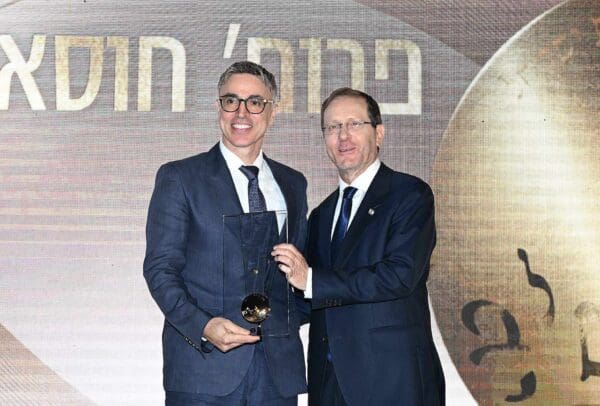
What if diagnosing cancer, Parkinson’s disease, or other serious illnesses could be as simple as breathing into a handheld device? That possibility is moving closer to reality thanks to the work of the Technion’s Prof. Hossam Haick, whose groundbreaking research is changing how diseases are detected around the world. In recognition of his extraordinary achievements, […]
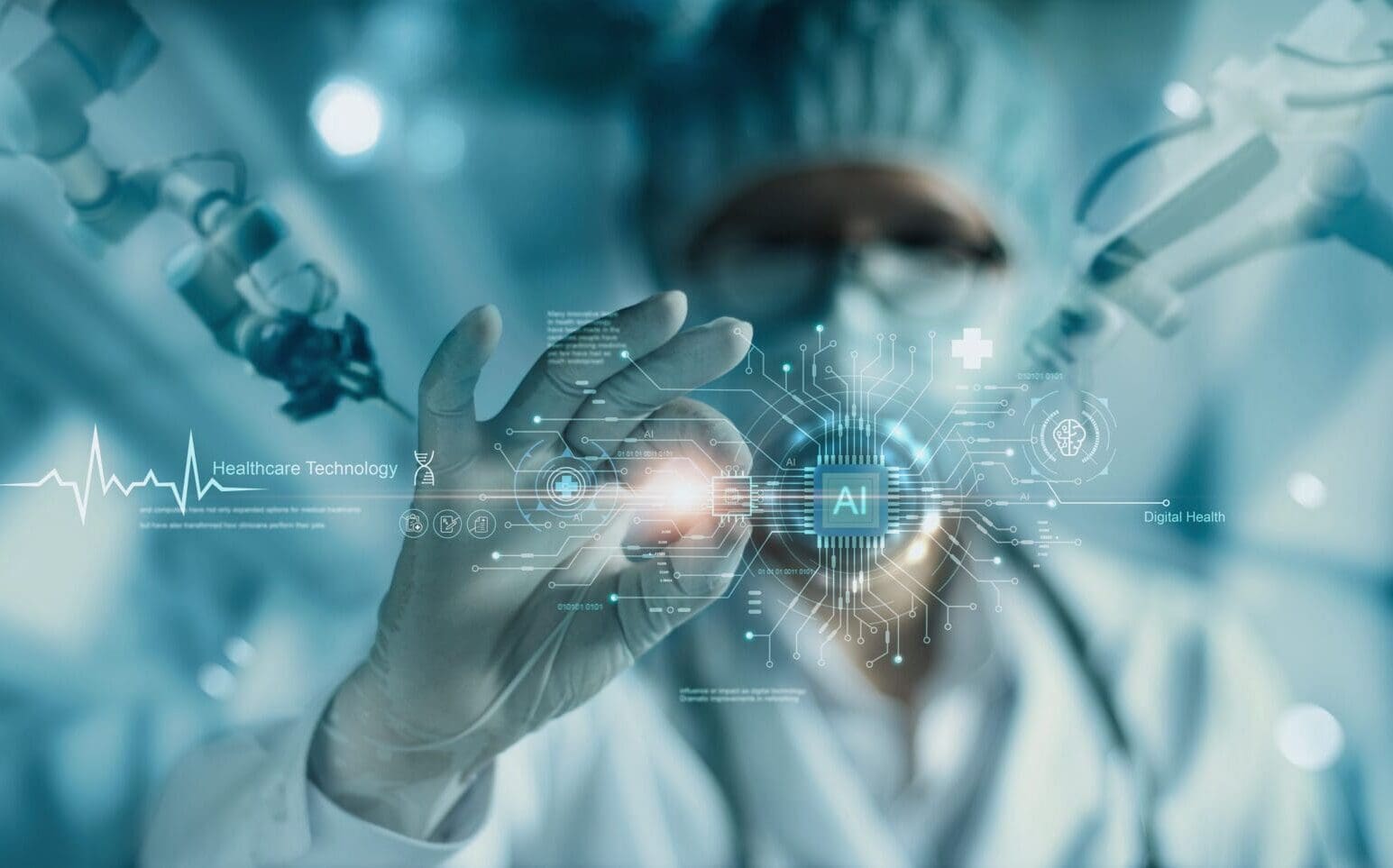
Every year, the European Research Council (ERC) identifies some of the world’s most promising early-career researchers and gives them the freedom to pursue bold ideas. This year, two of those ideas came from the Technion – Israel Institute of Technology. From cancer research to artificial intelligence (AI), breakthroughs that shape the future often begin with […]
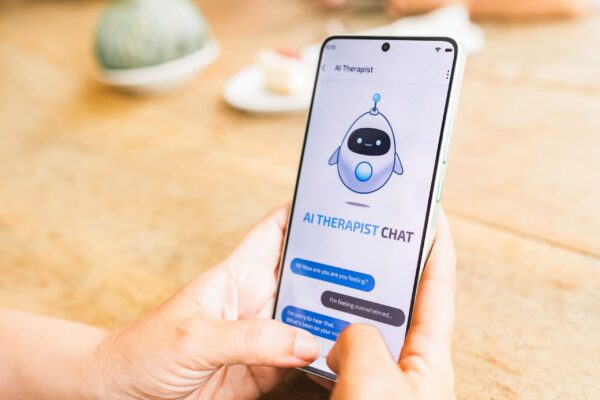
As more people turn to AI chatbots for companionship, life advice, or even as a stand-in for therapy, experts say the technology offers both new opportunities and risks when it comes to mental health. Prof. Tanzeem Choudhury is the chief of health innovation in the Joan & Irwin Jacobs Technion-Cornell Institute and has been studying AI and mental health for 15 years. She said AI tools are available any time, often at low cost, making it easier for people to access some form of mental health support.
Stay on top of the latest breaking scientific discoveries from Israel and the Technion. Subscribe to the ATS newsletter.