Video

Why the Perfect Pitch is Your Biggest Mistake

September 23, 2026

Go
Video

When the Newsroom Meets the Algorithm

September 18, 2026
Go
disease detection
Article

A Breathalyzer Test for Cancer?

September 17, 2026
Go
Podcast

Everything In-House

August 11, 2026
Go
disease detection
Article

A Breathalyzer Test for Cancer?

September 17, 2026
Go
artificial intelligence health care
Article

Europe Is Betting on Technion Innovation

September 04, 2026
Go
Chatbot | American Technion Society | Donate to Israel
In The News

Can AI Chatbots Support Mental Health?

August 07, 2026
Go
Cancer Research | American Technion Society | Donate to Israel
In The News

Advancing Cancer Research Through Discovery

August 04, 2026
Go
AI in education
Article

Rethinking Education in the Age of AI 

September 25, 2026
Go
artificial intelligence health care
Article

Europe Is Betting on Technion Innovation

September 04, 2026
Go
Tree Canopy | American Technion Society | Donate to Israel
In The News

Cornell Tech’s Tree Canopy Project Builds a Cooler New York City

August 11, 2026
Go
Wildfire detection | American Technion Society | Donate to Israel
In The News

Wildfire Detection Takes Flight With AI-Powered Drones

August 04, 2026
Go
strength in every step | American Technion Society | Donate to Israel
Article

Strength in Every Step: Recovery, Resilience, and a Walk to Remember

August 21, 2026
Go
Student Resilience | American Technion Society | Donate to Israel
Article

Never Too Late for a New Challenge

August 17, 2026
Go
coexistence | American Technion Society | Donate to Israel
In The News

The Technion’s Model of Coexistence

August 07, 2026
Go
Sirens | American Technion Society | Donate to Israel
Article

When the Sirens Sound

August 07, 2026
Go
Reuven Aronashvili
Video

From a Poor Town to Leading Paradigms in Cyber

September 25, 2026
Go
earthquake rescue | American Technion Society | Donate to Israel
In The News

Israeli Drones Aid Earthquake Rescue Efforts in Venezuela

July 08, 2026
Go
No GPS or Communication Drones flying in the background as a soldier's shadowy silhouette fills the foreground
Video

When GPS Fails, This Drone Keeps Going

June 10, 2026
Go
Article

Technion Innovations: Safeguarding Israel and the World

May 28, 2026
Go
Article

Seeds of a New Community

September 08, 2026
Go
Tree Canopy | American Technion Society | Donate to Israel
In The News

Cornell Tech’s Tree Canopy Project Builds a Cooler New York City

August 11, 2026
Go
Wildfire detection | American Technion Society | Donate to Israel
In The News

Wildfire Detection Takes Flight With AI-Powered Drones

August 04, 2026
Go
Energy Tower | American Technion Society | Donate to Israel
In The News

The Energy Tower: A Vision Ahead of Its Time Finds New Life

July 08, 2026
Go
AI in education
Article

Rethinking Education in the Age of AI 

September 25, 2026
Go
Podcast

Predictions from The Himalayas

September 17, 2026
Go
Student Resilience | American Technion Society | Donate to Israel
Article

Never Too Late for a New Challenge

August 17, 2026
Go
Video

Technion: The Vision to Do Good

August 17, 2026
Go
Video

Technion: The Vision to Do Good

August 17, 2026
Go
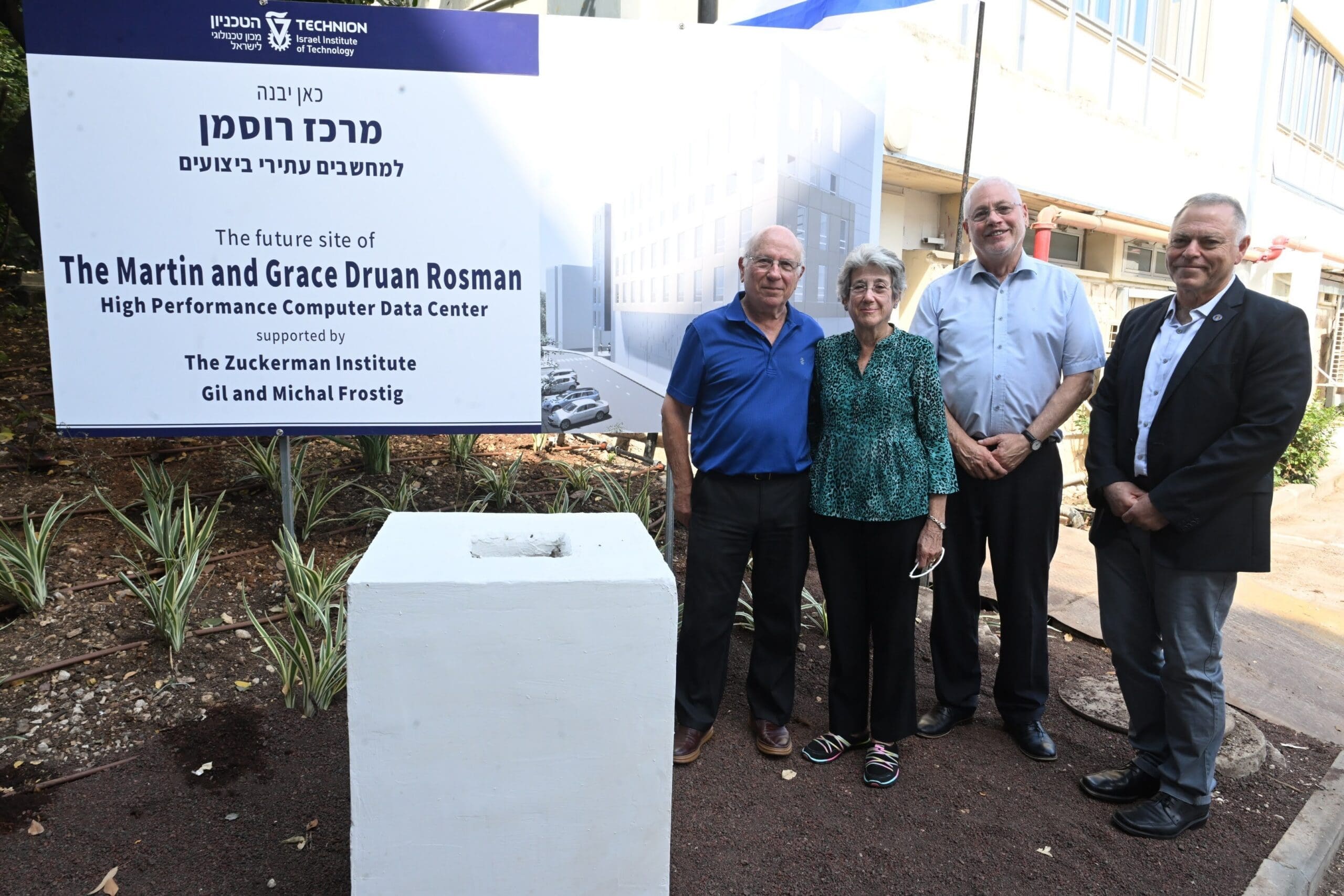
From left: Dr. Martin Rosman; Grace Druan Rosman; Technion President Prof. Uri Sivan; and Dr. Rafi Aviram, executive vice president and director general of the Technion, at the cornerstone ceremony for the Martin and Grace Druan Rosman High-Performance Computer Data Center building. | American Technion Society | Donate to Israel
Article

A Vision Built Around Students

June 29, 2026
Go
1912 - Today | Technion flag with Israeli flag | Donate to Israel | Technion University
Video

1912 to Today: The Institution That Helped Build Israel

June 10, 2026
Go
Article

Doing Well by Doing Good

May 23, 2026
Go

Watch, Read & Listen

Explore stories, news, insights, and data across articles, videos, and podcasts.

view all content types
AI in education
Article

Rethinking Education in the Age of AI 

September 25, 2026
Go
disease detection
Article

A Breathalyzer Test for Cancer?

September 17, 2026
Go
Article

Seeds of a New Community

September 08, 2026
Go
artificial intelligence health care
Article

Europe Is Betting on Technion Innovation

September 04, 2026
Go
Reuven Aronashvili
Video

From a Poor Town to Leading Paradigms in Cyber

September 25, 2026
Go
Video

Why the Perfect Pitch is Your Biggest Mistake

September 23, 2026

Go
Video

When the Newsroom Meets the Algorithm

September 18, 2026
Go
Video

Technion: The Vision to Do Good

August 17, 2026
Go
Podcast

Predictions from The Himalayas

September 17, 2026
Go
Podcast

Everything In-House

August 11, 2026
Go
the heart | American Technion Society | Donate to Israel
Podcast

The Heart Will Go On

July 15, 2026
Go
Or Yochanan | American Technion Society | Donate to israel
Podcast

Reinventing the American Dream in Austin

June 10, 2026
Go
In The News

Can Decart Put Israel on the AI Map?

September 18, 2026
Go
Tree Canopy | American Technion Society | Donate to Israel
In The News

Cornell Tech’s Tree Canopy Project Builds a Cooler New York City

August 11, 2026
Go
coexistence | American Technion Society | Donate to Israel
In The News

The Technion’s Model of Coexistence

August 07, 2026
Go
Chatbot | American Technion Society | Donate to Israel
In The News

Can AI Chatbots Support Mental Health?

August 07, 2026
Go
# 10

among universities worldwide for producing undergrad entrepreneurs

3

locations

# 11

in Europe and #21 in the world for aerospace engineering*

The Technion’s story has been intertwined with Israel’s for more than a century, from laying the foundations for a new nation to shaping its future.
About ATS

ATS is a community of supporters, innovators, and champions of possibility united by one mission: transforming Israel and the world through science and discovery.

Learn More

About the Technion

For more than 100 years, the Technion has been Israel's technological engine and leading driver of innovation, technology, and entrepreneurship, transforming ideas into impact.

Learn More

mRNA: More Than Just a Messenger

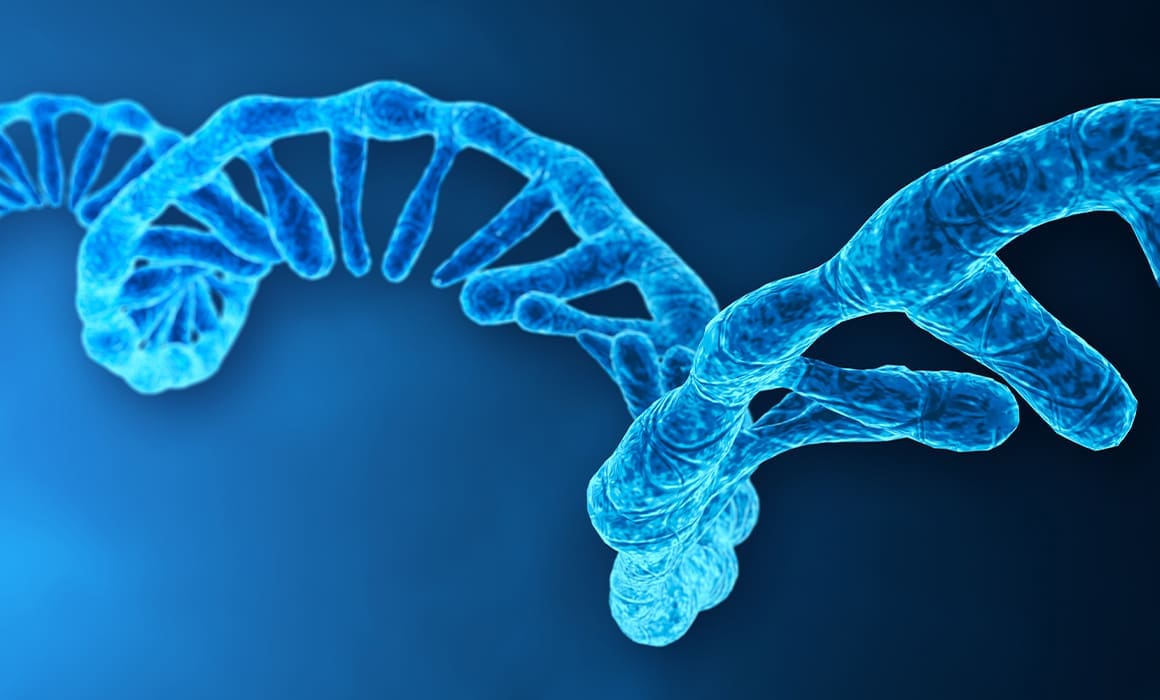
blue graphic of mRNA strand against blue background | Donate to Support Israel | Technion University

Researchers from the Rappaport Faculty of Medicine at the Technion have uncovered a mechanism that translates the information stored in DNA into proteins. The study, published in Cell Reports, was led by molecular microbiology principal investigator Professor Mordechai Choder and Dr. Stephen Richard, with Dr. Tamar Ziv and Keren Bendalak of the Smoler Proteomics Center at the Technion.

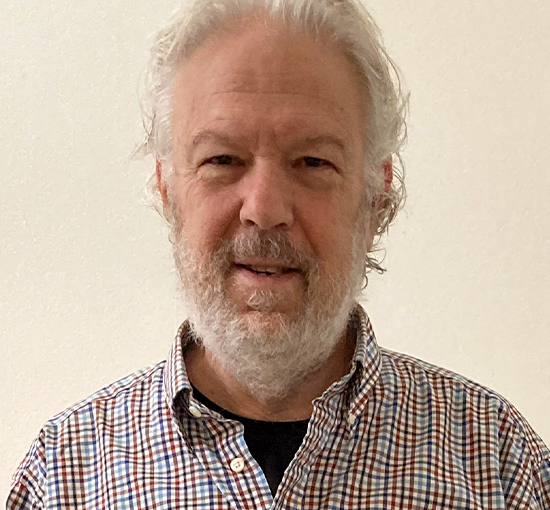
Mordechai Choder

Professor

Dr. Stephen Richard

The DNA is the cell’s “recipe book,” written using four “letters” — the nucleotide molecules. Every cell in our body contains DNA with the same nucleotide sequence, with some exceptions. However, the tissues of our body — muscle, bone, skin — are quite different from each other in how they are formed and how they function.

How can all tissues’ cells contain the same DNA sequence, but cells in different tissues express different sets of genes and function differently? The answer lies in gene expression: a wide range of mechanisms that, together, regulate which recipes out of will be “cooked” — which genes would be expressed in each particular cell, in what amounts, and when. Although this recipe book is the same in all cells, the recipes cooked from it may be quite different.

In their latest research, the researchers examined the means by which the mRNA lifecycle’s components and coordinators communicate. They found that they use a “language,” the “letters” of which are small molecules (such as phosphoryl, methyl, and acetyl) and the “words” are combinations thereof. These molecules bind to the coordinator, while it is attached to the mRNA, forming an mRNA/coordinator/small molecule complex. The coordinators, in turn, spread the “rumour” among the stages.

The language contains many different words, each representing a certain combination of letters and the positions within the coordinator (which position within its amino acid sequence) that they bind. Every “word” delivers information and commands to the various stages and affects their functionality. As for what kinds of information the stages need to deliver, they range from the simple (e.g., “all is well, you may proceed”) to the more complicated (e.g., “slow down, something’s missing” or “send the mRNA to degradation – the problem is irreparable”). This mechanism allows the transfer of information between stages, thus reducing errors along the way.

Understanding the mRNA lifecycle and how coordinators communicate within the lifecycle is more important than ever, as the two biggest COVID-19 vaccines on the market — from Moderna and Pfizer — are mRNA-based.

The Stages of Gene Expression

The mechanisms that regulate gene expression may be broken into four major stages, revolving around the production, transfer, translation, and decay of messenger RNA (mRNA) molecules. Each encodes a unique protein:

mRNA Synthesis and Maturation. The DNA is a large molecule (almost 2 meters long). In the process called “transcription,” a gene encoding one protein (one recipe of the cookbook), is copied out into an mRNA molecule, the nucleotide sequence of which is dictated by the DNA nucleotide sequence. This molecule carries the instructions for building the protein.

mRNA Transport. The mRNA is then moved from the cell nucleus into the cytoplasm, an intra-cell environment outside the nucleus where proteins are produced. The nucleus can be thought of as a “safe” where the precious recipe book is kept. Recipes are copied out of it as necessary, but the book itself is never taken out of the safe.

mRNA Translation. This stage is carried out by the ribosome, which reads the mRNA instruction and produces a protein. Proteins are composed of amino acids, the sequence of which is dictated by the mRNA nucleotide sequence. The amino acids sequence determines the protein nature and functionality. Proteins perform many functions in our body and are responsible, in part, for what we are.

mRNA Decay. Like most molecules in our body, mRNAs are turned over. Their degradation is carried out by factors that, as Choder’s group reported in 2013 in Cell, also participate in transcription. Thus, mRNA synthesis and decay processes are linked.

Coordinating a Complex System

Prof. Choder was interested in understanding how all of these stages are united into a single system. “Every stage is regulated by a sophisticated mechanism, [that] consists of many dozens of dedicated factors that execute the process and ensure its precision,” he says. “I have hypothesized that, for proper expression, all stages must be coordinated. It is for this reason that I have focused for the last 15 years on “zooming out” our point of view from the discrete processes – transcription, translation, etc. to the whole system.”

In the future, Prof. Choder is interested in seeing if other molecular systems use similar coordinators and a similar “language.”

Related Stories

disease detection
Article

A Breathalyzer Test for Cancer?

September 17, 2026

What if diagnosing cancer, Parkinson’s disease, or other serious illnesses could be as simple as breathing into a handheld device? That possibility is moving closer to reality thanks to the work of the Technion’s Prof. Hossam Haick, whose groundbreaking research is changing how diseases are detected around the world. In recognition of his extraordinary achievements, […]

Go
artificial intelligence health care
Article

Europe Is Betting on Technion Innovation

September 04, 2026

Every year, the European Research Council (ERC) identifies some of the world’s most promising early-career researchers and gives them the freedom to pursue bold ideas. This year, two of those ideas came from the Technion – Israel Institute of Technology. From cancer research to artificial intelligence (AI), breakthroughs that shape the future often begin with […]

Go
Chatbot | American Technion Society | Donate to Israel
In The News

Can AI Chatbots Support Mental Health?

August 07, 2026

As more people turn to AI chatbots for companionship, life advice, or even as a stand-in for therapy, experts say the technology offers both new opportunities and risks when it comes to mental health. Prof. Tanzeem Choudhury is the chief of health innovation in the Joan & Irwin Jacobs Technion-Cornell Institute and has been studying AI and mental health for 15 years. She said AI tools are available any time, often at low cost, making it easier for people to access some form of mental health support.

Go

Love Israel and Science? 

Stay on top of the latest breaking scientific discoveries from Israel and the Technion. Subscribe to the ATS newsletter.

Secret Link