The Runway Startup Program Welcomes Its Newest Founders
October 05, 2026



























The Technion’s story has been intertwined with Israel’s for more than a century, from laying the foundations for a new nation to shaping its future.

Step inside Israeli innovation at the David and Janet Polak Visitors Center. Experience our 360° immersive movie and tech exhibition. Open to individuals and groups.
Learn More

Despite initial support for Israel and largely universal condemnation of the Hamas attacks on October 7, the number of anti-Semitic incidents, campus protests, and online vitriol against Israel and Jews has skyrocketed. For many, social media has become a battlefield. Enter Zachary Bamberger, an American who immigrated to Israel. The Cornell graduate is currently working toward his master’s in the Technion’s Henry and Marilyn Taub Faculty of Computer Science. When he saw what was happening online, he sprang into action. Using his prodigious talents in machine learning and natural language processing research, he built a large language model (LLM) that…
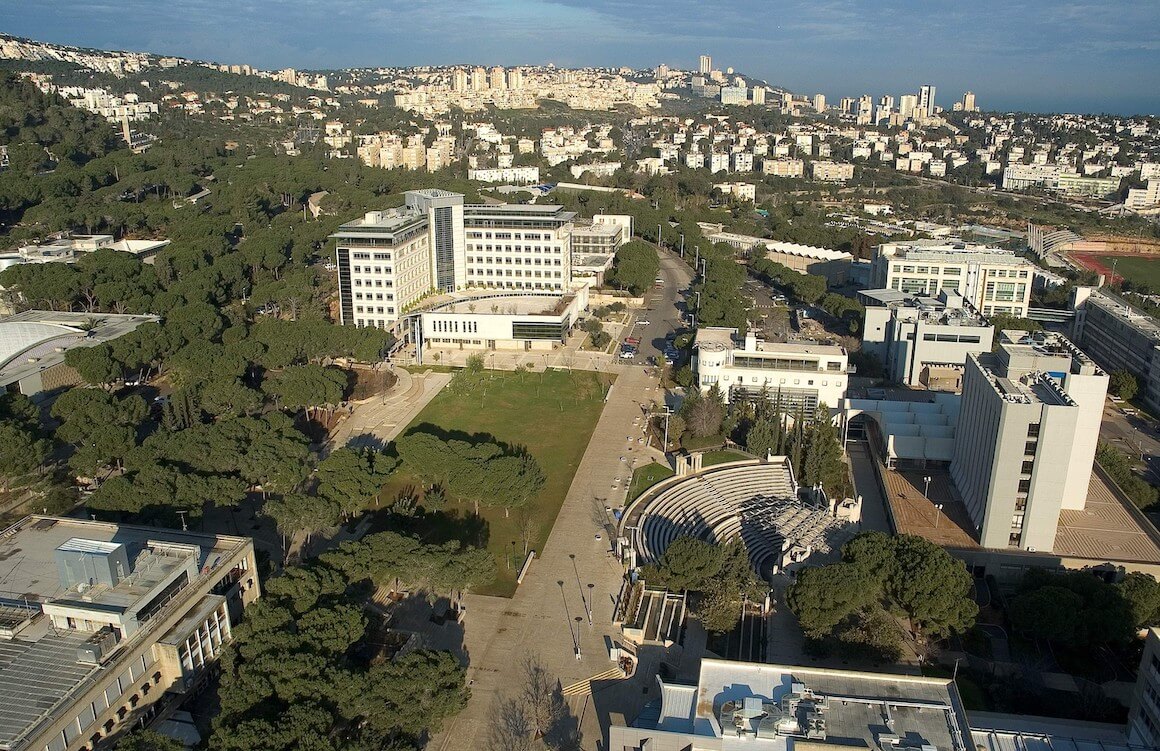
Immediately following the horrific terrorist attacks in Israel by Hamas on October 7, the Technion – Israel Institute of Technology sprang into action to support its student body and faculty – some 2,500 of whom were called to serve in the Israel Defense Forces (IDF) – and assist thousands of people affected and displaced by the war. Of those students serving in the reserves, Technion President Professor Uri Sivan said, “It’s important that each and every one of them knows that the entire Technion community is mobilized and harnessed for their sake. For their benefit, we established a special assistance…

Five young researchers who joined the Technion during the 2021-2022 academic year are recipients of prestigious 2023 starting grants from the European Research Council (ERC). These grants are awarded to talented early-career scientists who completed their doctoral degrees only two to seven years ago, and have already produced excellent work, showing great promise. Charlotte Vogt, assistant professor in the Schulich Faculty of Chemistry, works to solve problems of climate change and pollution by improving or inventing more sustainable processes. Metal nanoparticle-based catalysts are essential to shifting societal reliance away from fossil-fuel resources, but most are found by slow, trial-and-error processes….

Preeclampsia is a life-threatening pregnancy complication that affects approximately 5% of women, and is the leading cause of pregnancy-related death. New findings by Technion researchers indicate that early-onset and late-onset preeclampsia are, in fact, not the same disease. Understanding these findings could lead to better diagnosis, treatment, and survival rates. Preeclampsia is often detected during routine prenatal visits as new-onset hypertension. It is caused by abnormalities in the placenta – the organ of the fetus that enables the transfer of oxygen and nutrients from the mother to the fetus. In severe cases, preeclampsia may damage the mother’s organs, such as…

Diagnosing urinary tract infections is easy. Most people know themselves when they have one. But identifying the type of antibiotic needed to cure that infection requires a seven-hour test. It could be a day or two before the correct drug is prescribed. Usually, patients are started on a general antibiotic. But if it’s the wrong one, it must be changed. And that contributes to the problem of antibiotic resistance. Now, thanks to a team of Technion faculty, students, and alumni, led by Professor Ester Segal of the Technion Faculty of Biotechnology and Food Engineering, a clinical assay capable of detecting…

With their design for a hospital room that maximizes the benefits of natural light, researchers from the Technion Faculty of Architecture and Town Planning are exploring how incorporating natural light into inpatient wards affects various aspects of health and wellbeing. The research could add credence to studies showing that such integration reduces medication consumption, shortens hospital stays, improves sleep quality, alleviates depression and stress, and even lowers mortality rates. They aim to bridge the gap between clinical outcomes and architectural decisions, bringing science directly into hospital design. Under the supervision of Professor Guedi Capeluto, master’s student Rinat Hadashi Gannon conducted…
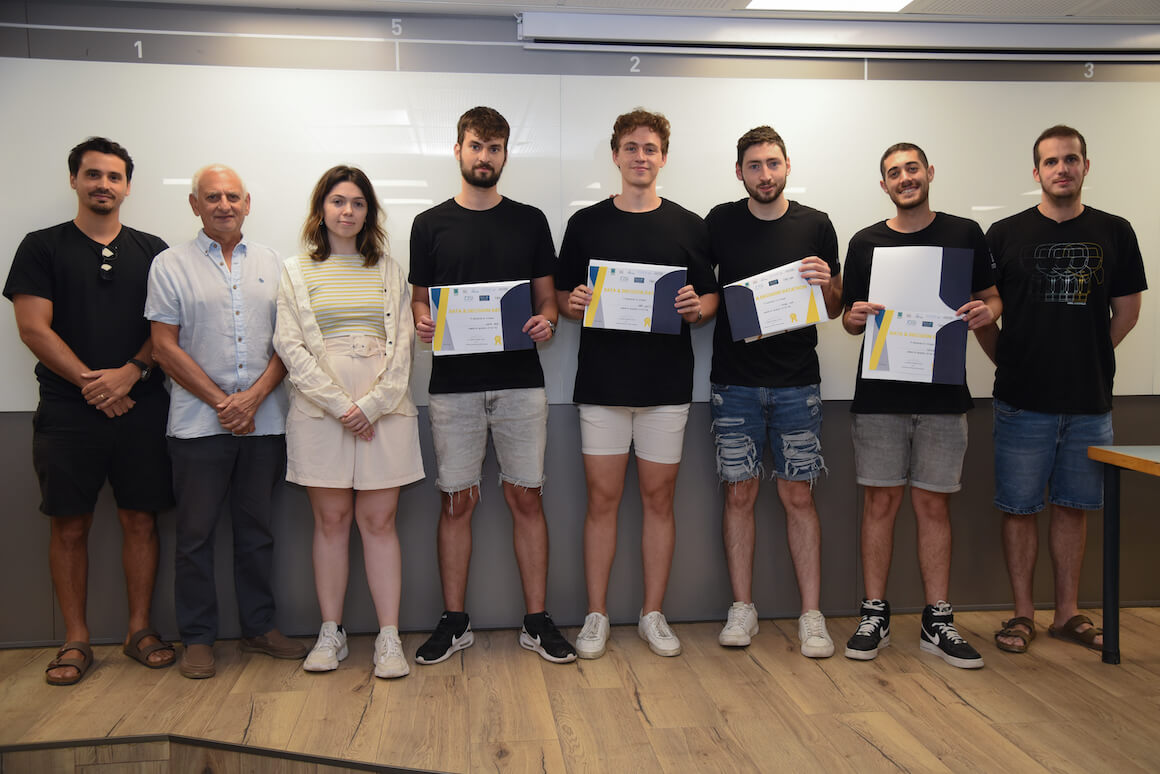
In a three-day competition known as a hackathon, Technion undergraduates worked to develop online methodologies to recognize suicidal ideation, with the goal of offering assistance and saving lives. More than 500 people a year kill themselves in Israel. In the United States, that number jumps to about 50,000. Worldwide, someone takes their life every 40 seconds. “People put more of themselves on social media than they realize,” said Professor Avigdor Gal of the Faculty of Data and Decision Sciences. “We cannot be blind to society around us, what is done with the tools we develop, how the data we collect…
A delegation of presidents and chancellors from Historically Black Colleges and Universities (HBCUs) in the United States visited Israel recently to assess potential partnerships with the Technion and other Israeli institutions of higher learning. The visit focused on areas of study and research that align with their missions, including technology and STEM disciplines. Memoranda of understanding were signed to facilitate study-abroad programs for their students at the Technion. Additionally, faculty members will engage in joint research projects and knowledge exchange with Technion professors and researchers. The delegation was also interested to learn more about the Technion’s renowned technology transfer…
Multiple myeloma is the second most common cancer that impacts blood cells. It primarily affects people in their mid-60s or older. Over time, patients become resistant to current treatment drugs that are initially effective. That’s why UB-Therapeutics, a company founded and run by Technion alumni and faculty, is working on a new drug. Existing drugs target proteasomes, which maintain cellular function. The new drug aims to inhibit proteasome activity in cancer cells by binding to ubiquitin, a small regulatory protein found in most tissues. “By leveraging the cell’s own natural processes, we aim to develop a more selective and effective…
ArtiFascia®, a patch-like dural repair graft, recently obtained approval from the U.S. Food and Drug Administration. The device – developed by Nurami Medical, a startup in Haifa co-founded by Technion alumna Nora Nseir Manassa – will revolutionize neurosurgery. Dura mater is the outermost layer of the membrane that surrounds the brain and spinal cord, protecting the central nervous system from physical damage. The resorbable device, made of electrospun nanofibers, promotes tissue regeneration of the dura mater while also preventing cerebrospinal fluid (CSF) leaks and bacterial penetration sometimes caused by suture holes during surgery. “The necessity to cover the brain with…
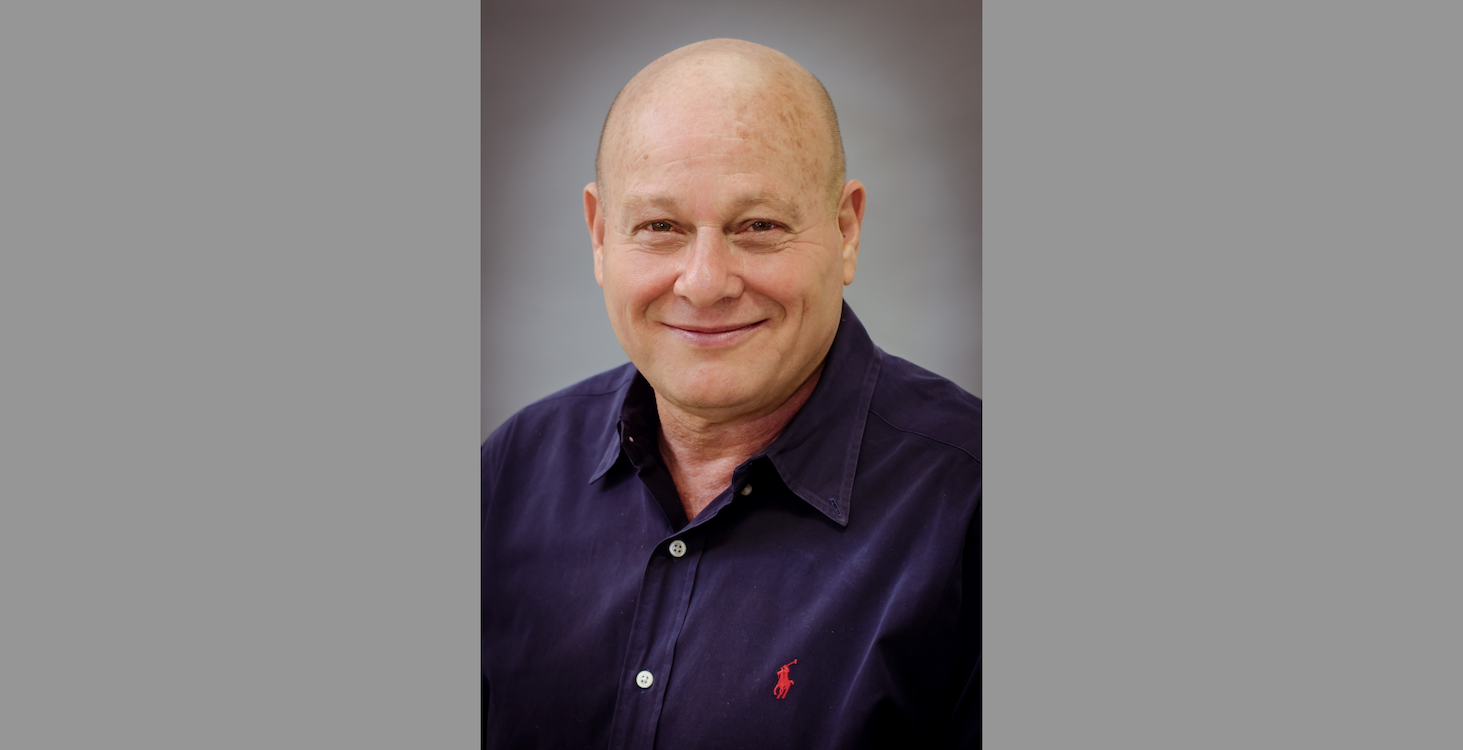
Professor Israel Cidon, a renowned leader in network engineering and former Technion – Israel Institute of Technology faculty member and dean, recently began his tenure as the director of the Joan & Irwin Jacobs Technion-Cornell Institute. Prof. Cidon succeeds Dr. Ron Brachman, who has held the role since 2016 and will transition out over the next few months. “Professor Israel Cidon is an esteemed computer networking researcher with extensive management experience at the Technion,” said Technion President Professor Uri Sivan. “As dean, he led the Andrew and Erna Viterbi Faculty of Electrical and Computer Engineering to significant achievements. Professor Cidon…

Dr. Ira and Chana Green came of age in the wake of the Holocaust and appreciate the role Israel has played as the homeland for the Jewish people. They take pride in how the country evolved from a desert to an agrarian oasis, and then into an epicenter of high technology, medical advances, and sustainable practices. To ensure Israel’s prosperity amid threats to its security, the Oxnard, Calif., couple designated their estate to defense research. “We see our support for the Technion as an investment in a country that is not only a wellspring of innovation, but also central to…