The Technion’s story has been intertwined with Israel’s for more than a century, from laying the foundations for a new nation to shaping its future.
From medicine to security, explore how the Technion is advancing Israel and improving lives around the world.
View All Impact Areas
Explore stories, news, insights, and data across articles, videos, and podcasts.
view all content types
locations
in Israel and Europe for research on artificial intelligence
of all universities in the world*
The Technion’s story has been intertwined with Israel’s for more than a century, from laying the foundations for a new nation to shaping its future.
Explore ATS, the Technion, and the people behind the breakthroughs redefining what's possible for Israel and the world.
Learn More About ATSATS is a community of supporters, innovators, and champions of possibility united by one mission: transforming Israel and the world through science and discovery.
Learn MoreFor more than 100 years, the Technion has been Israel's technological engine and leading driver of innovation, technology, and entrepreneurship, transforming ideas into impact.
Learn More
Step inside Israeli innovation at the David and Janet Polak Visitors Center. Experience our 360° immersive movie and tech exhibition. Open to individuals and groups.
Learn MoreFrom medicine to security, explore how the Technion is advancing Israel and improving lives around the world.
View All Impact AreasExplore stories, news, insights, and data across articles, videos, and podcasts.
view all content typesDiscover ways to support, connect, and help drive innovation.
Get InvolvedExplore ATS, the Technion, and the people behind the breakthroughs redefining what's possible for Israel and the world.
Learn More About ATSAs Seen in Medical Press
Two patients receive the same immunotherapy for the same cancer. In one, the tumor retreats and stays gone for years. In the other, the treatment does nothing. Oncologists still have no reliable way to tell these patients apart before therapy begins. Why does immunotherapy succeed for some and fail for others?
A new study led by Professor Dvir Aran of the Technion – Israel Institute of Technology, Faculty of Biology and the Henry and Marilyn Taub Faculty of Computer Science, together with first author Dr. Zhongyang Lin and collaborators including Professor Jürgen C. Becker of the German Cancer Consortium (DKTK), offers a new way to think about that question. Its central message: The answer may depend less on how a tumor looks before treatment begins than on how it changes during the first weeks of therapy. The findings are published in the journal Cancer Cell.
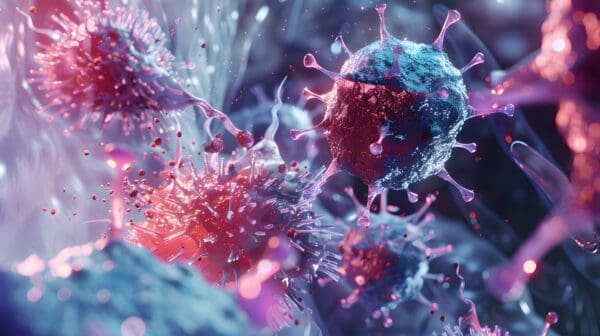
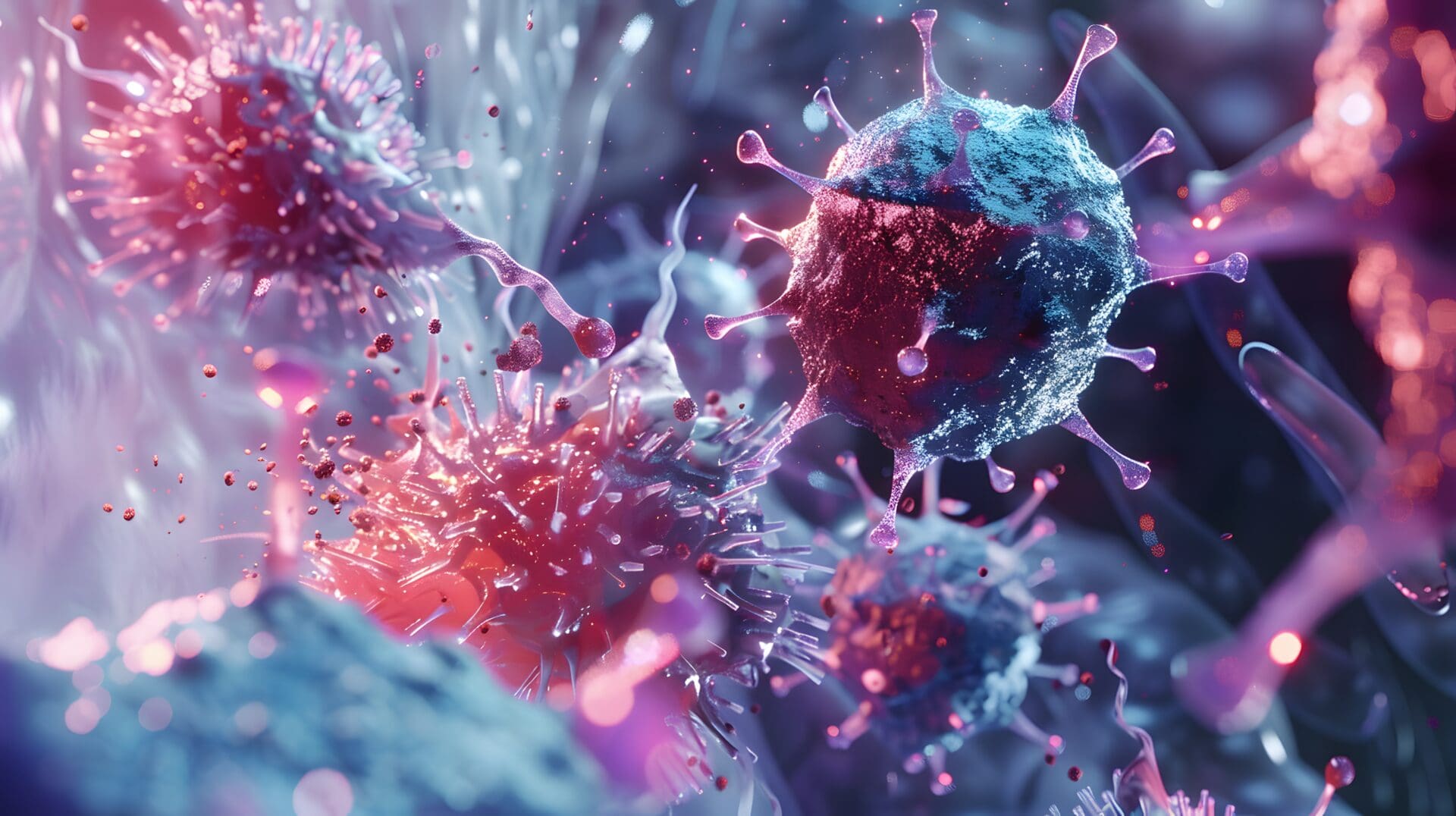
At the center of the study is the tumor microenvironment, the complex ecosystem of immune cells, blood vessels and structural cells that surround and interact with the tumor. This environment can either support the immune system’s attack or suppress it, and researchers have long suspected it plays a major role in whether immunotherapy succeeds or fails.
by
medicalxpress.com (opens in a new tab)
on
October 05, 2026
Discover how early changes in the tumor microenvironment may predict immunotherapy response and help doctors tailor cancer treatment.
2 mins
X (opens in a new tab) / Facebook (opens in a new tab) / LinkedIn (opens in a new tab) / Email / Copy Link
Cancer / AI / Faculty / International Collaborations /
An Israeli medical researcher has helped shed new light on a mystery that has endured for nearly 340 years: what killed Queen Christina of Sweden, one of 17th-century Europe’s most unusual monarchs. Prof. Zaid Abassi of the Technion – Israel Institute of Technolgy’s, Ruth and Bruce Rappaport Faculty of Medicine and Rambam Health Care Campus, […]
Artificial intelligence is rapidly becoming an integral part of our lives, and a working tool for professionals in a variety of fields, including medicine, which integrates AI in order to reach faster, more accurate, and more efficient diagnoses. But to what extent can AI truly be relied upon when it comes to complex medical decisions? […]
Few medical decisions seem so simple, yet create so much uncertainty: Is the infection bacterial, and therefore potentially in need of antibiotics, or viral, meaning antibiotics will not help? For years, physicians have tried to answer that question using symptoms, blood tests and tests that directly search for the virus or bacteria. Israeli company MeMed […]
Stay on top of the latest breaking scientific discoveries from Israel and the Technion. Subscribe to the ATS newsletter.