Something Fresh in the State of Denmark
October 06, 2026













The Technion’s story has been intertwined with Israel’s for more than a century, from laying the foundations for a new nation to shaping its future.

Step inside Israeli innovation at the David and Janet Polak Visitors Center. Experience our 360° immersive movie and tech exhibition. Open to individuals and groups.
Learn More
Since October 7, 2023, the global academic community has witnessed an unprecedented surge in campaigns to ostracize Israeli universities. What began as campus protests has hardened into “silent boycotts”—institutional breaks, journal desk rejections, and quiet exclusions from research consortia. Yet, those leading this isolation campaign fail to realize a fundamental truth: cutting ties with Israeli […]
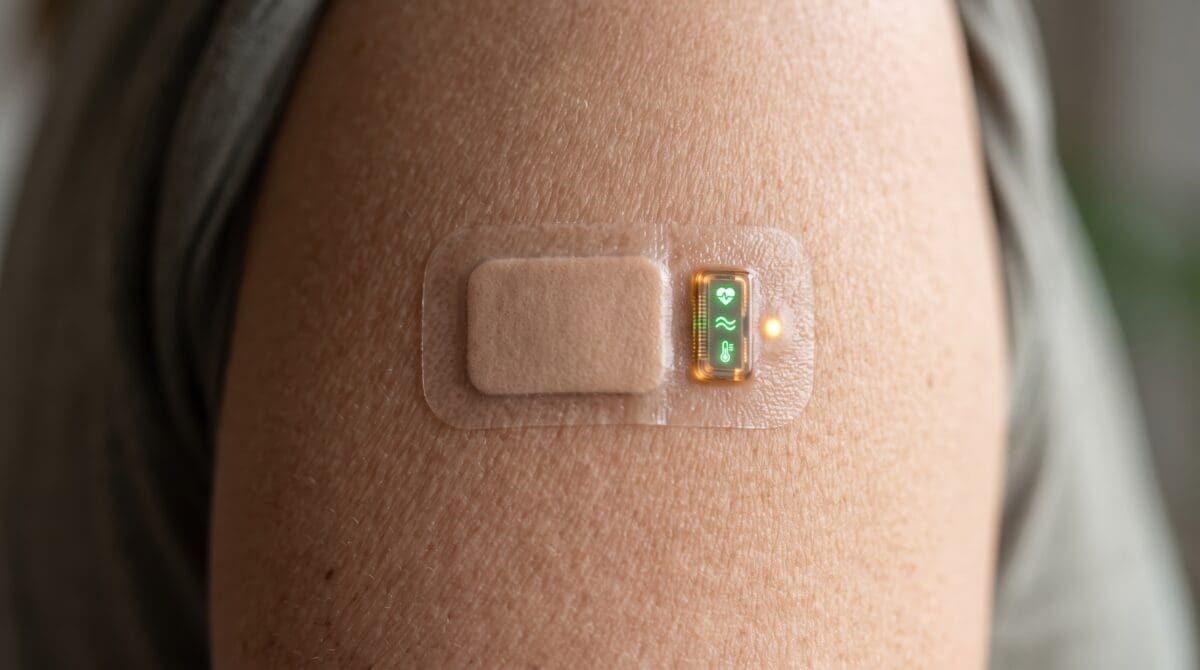
Prof. Hossam Haick of the Technion – Israel Institute of Technology, one of Israel’s most successful scientists, is really a frustrated karate fighter. As a boy in Nazareth, he joined a karate class and seemed to have found his calling. “I was incredibly competitive,” he says. “I went from one achievement to the next.” But […]

An expert in the field of healthcare innovation and entrepreneurship, Yonat Granot has been managing, consulting and mentoring companies and entrepreneurs, for over 20 years. She is currently Tel Aviv senior life-science innovation officer for the Royal Innovation Center Denmark (under foreign office and higher education), and of course – she’s a proud Technion Alum! […]
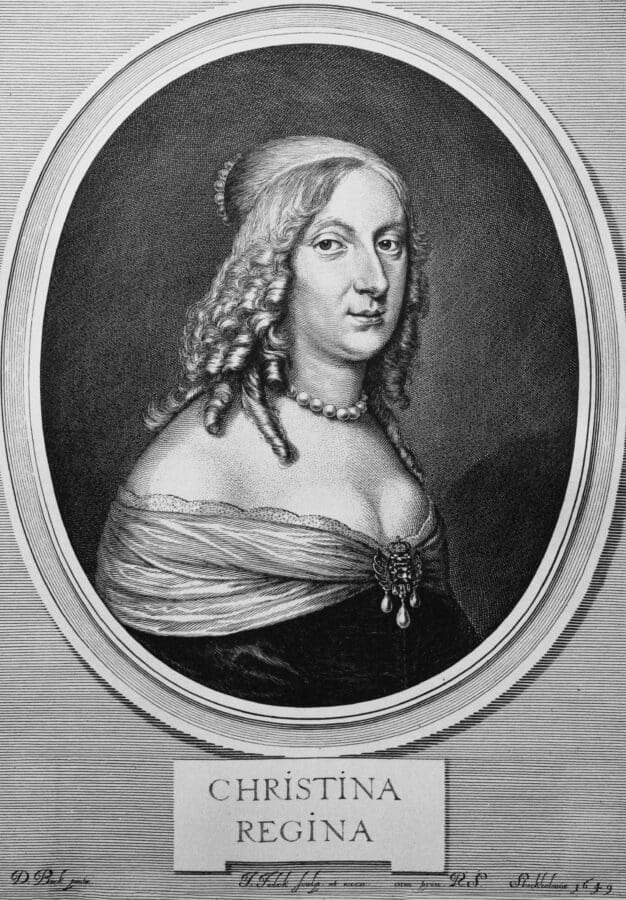
An Israeli medical researcher has helped shed new light on a mystery that has endured for nearly 340 years: what killed Queen Christina of Sweden, one of 17th-century Europe’s most unusual monarchs. Prof. Zaid Abassi of the Technion – Israel Institute of Technology’s, Ruth and Bruce Rappaport Faculty of Medicine and Rambam Health Care Campus, […]
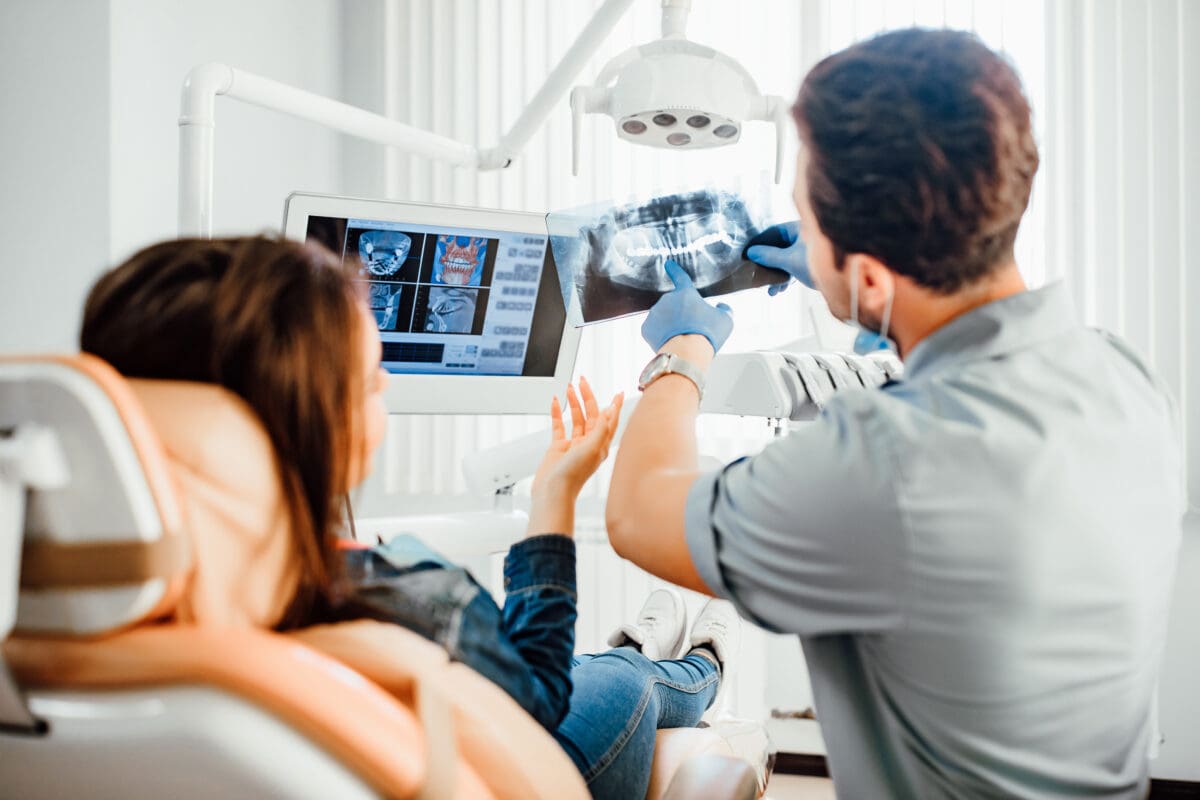
Artificial intelligence is rapidly becoming an integral part of our lives, and a working tool for professionals in a variety of fields, including medicine, which integrates AI in order to reach faster, more accurate, and more efficient diagnoses. But to what extent can AI truly be relied upon when it comes to complex medical decisions? […]
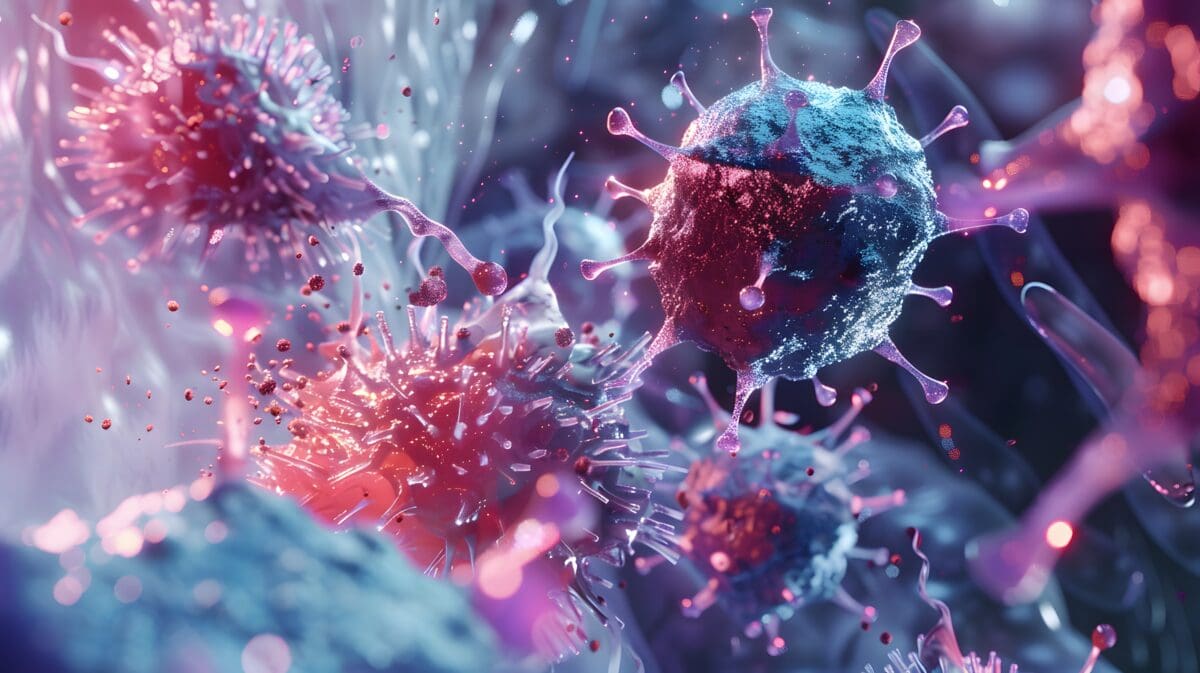
Two patients receive the same immunotherapy for the same cancer. In one, the tumor retreats and stays gone for years. In the other, the treatment does nothing. Oncologists still have no reliable way to tell these patients apart before therapy begins. Why does immunotherapy succeed for some and fail for others? A new study led […]
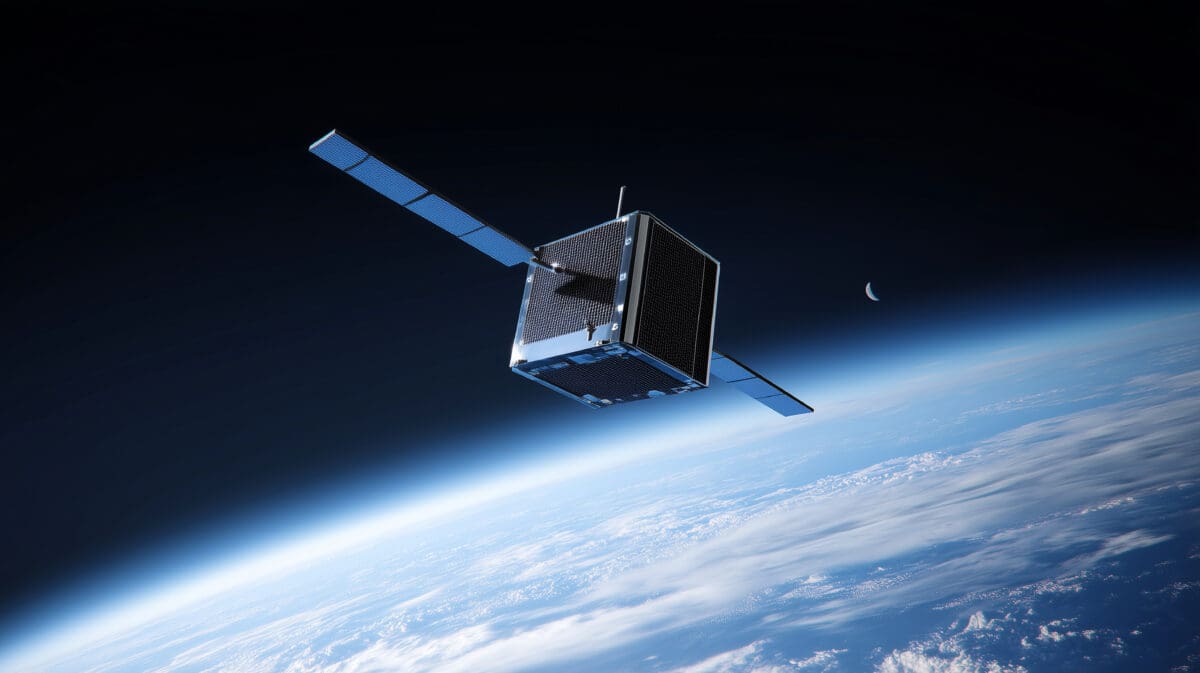
The first satellite in the CloudCT network has transmitted its first observation from orbit, marking an early milestone for the Israeli-German research project studying clouds and polarized light from space. The image shows a view toward central France as the satellite passed over the Baltic Sea, according to a statement from the Technion – Israel […]
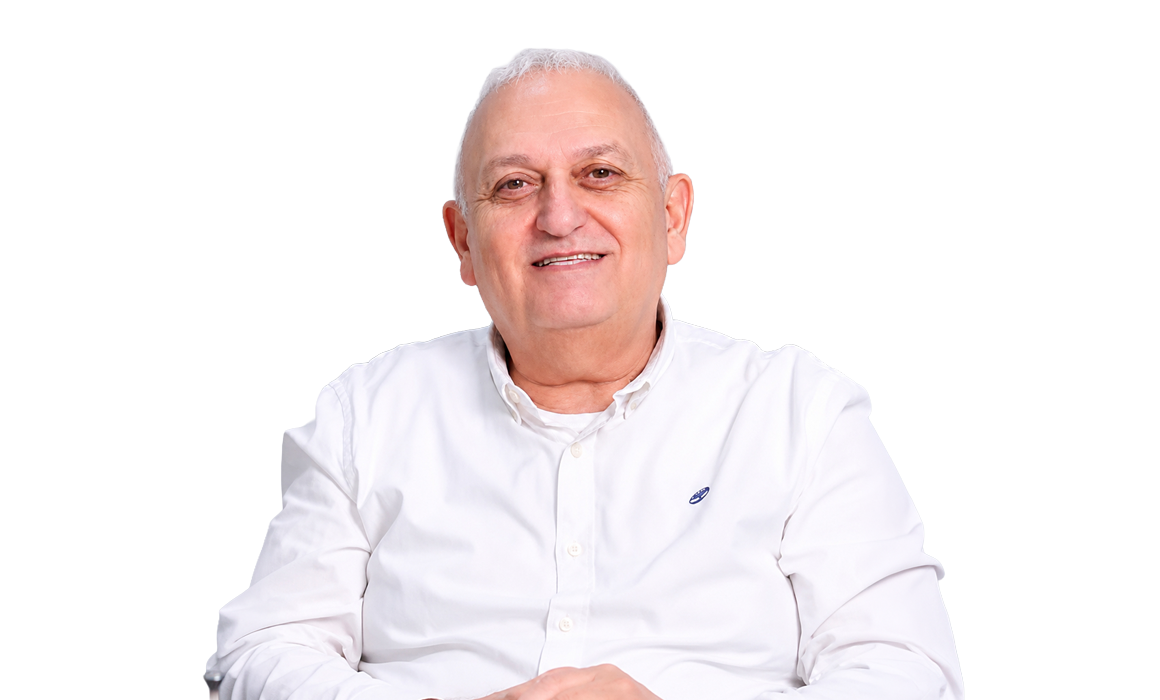
Ilan Ben Meir is a senior board advisor in Starry Group; an entrepreneur who for the last 18 years has been living in Hong-Kong and China; the founder of a vertical integrated manufacturing plant there; and – a proud Technion Alum! In this episode you’ll hear all about his life and work in the far […]
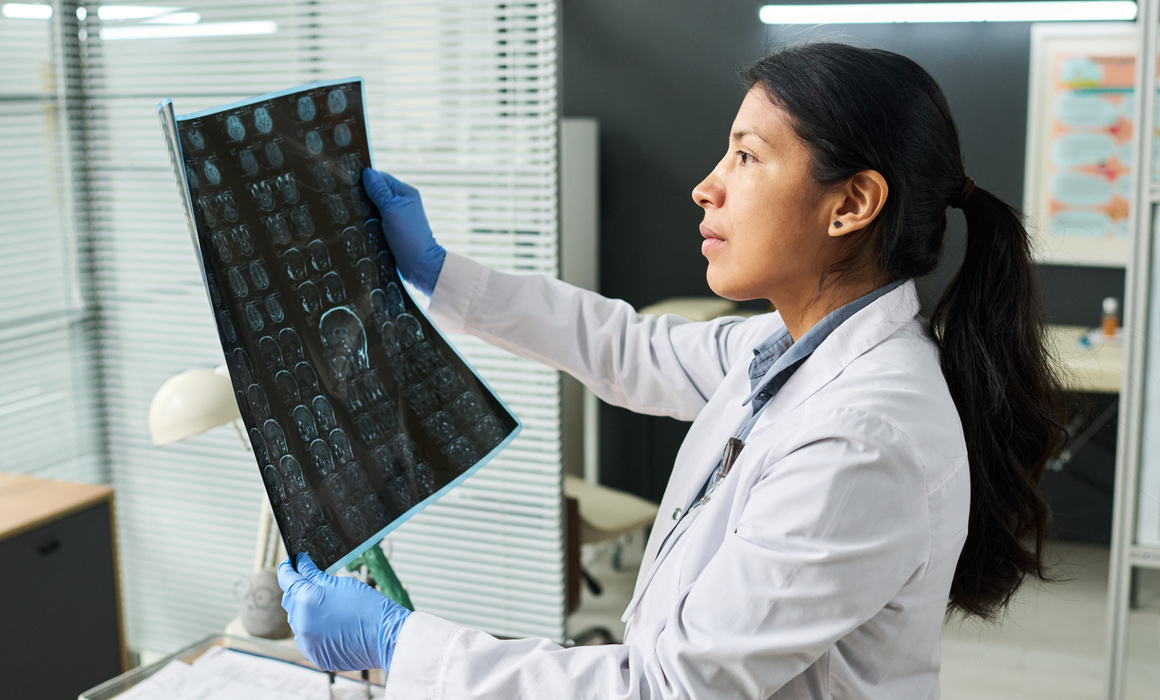
A Technion – Israel Institute of Technology – led research team has received a Gray Foundation Team Science grant to develop an artificial intelligence-powered MRI method aimed at improving early detection of ovarian cancer, particularly among women with inherited BRCA gene mutations. The project, led by Prof. Moti Freiman of the Technion Faculty of Biomedical Engineering and the May-Blum-Dahl Technion Human MRI Research Center, was selected as part of the Gray Foundation’s latest $35 million funding round for research focused on preventing, intercepting and detecting BRCA-related cancers at earlier stages. The research brings together teams from the Technion, the University…
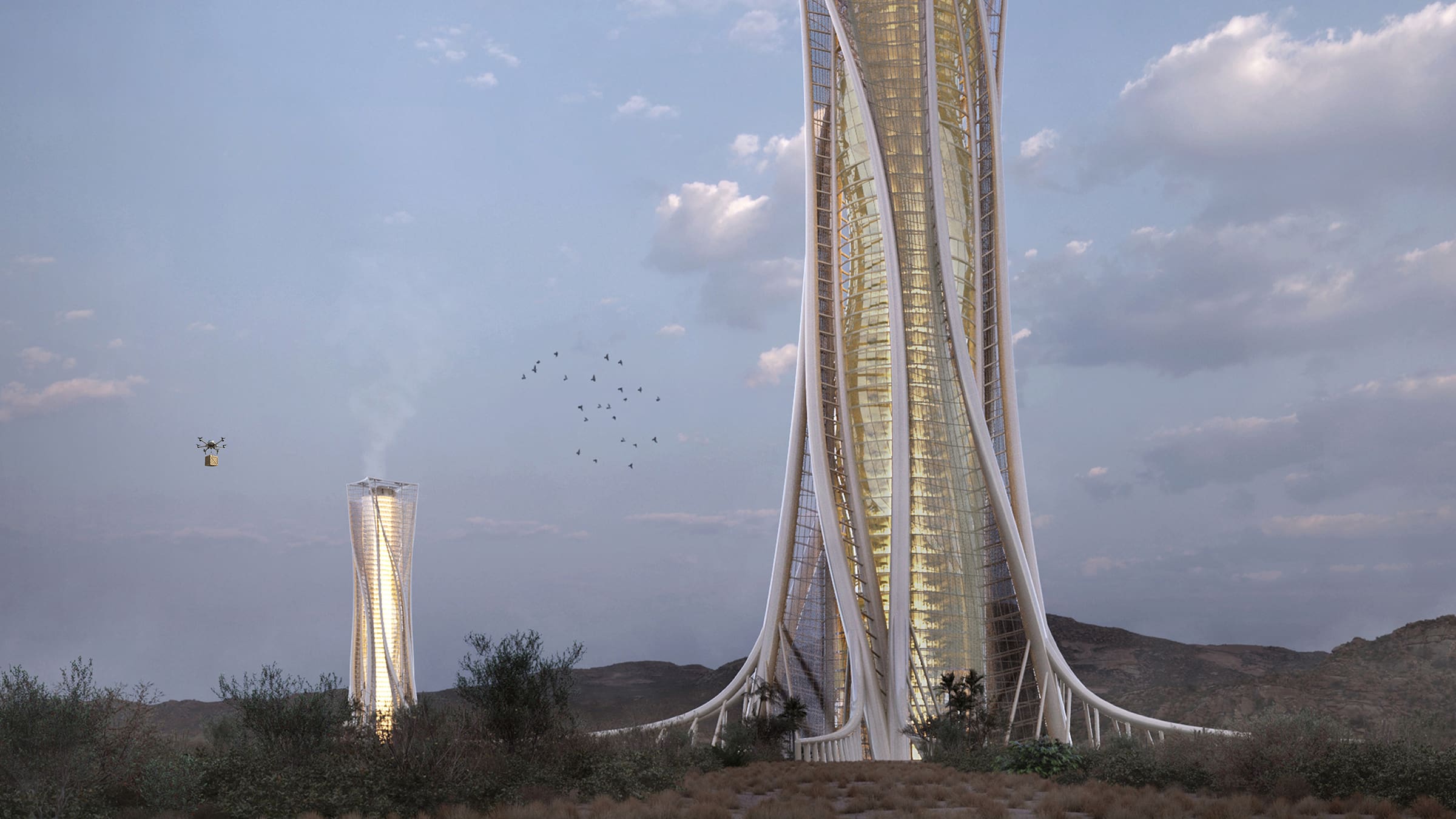
For decades, the Energy Tower by Dan Zaslavsky was one of the most audacious clean-energy ideas never built. And it was the first story we covered when Green Prophet was founded in 2007! Conceived by Dr. Phillip Carlson and championed by Professor Dan Zaslavsky of the Technion – Israel Institute of Technology, the Energy Tower proposed something almost magical: spray seawater into the top of a giant desert tower, cool the hot air, let it plunge downward at high speed, and generate electricity through turbines at the base. The hotter and drier the desert, the better it would work. Zaslavsky…
Seven researchers from Israel have won prestigious ERC Advanced Grants from the European Union’s Horizon Europe program, awarded to senior scientists with exceptional research achievements over the past decade. Four of the recipients are from the Weizmann Institute of Science, two are from the Hebrew University of Jerusalem, and one is affiliated with both the Technion – Israel Institute of Technology and Rambam Health Care Campus. The grants give outstanding researchers the opportunity to pursue ambitious, curiosity-driven projects that could lead to major breakthroughs. They cover a broad range of fields at the forefront of research, from life sciences and exact sciences…

Researchers at the Technion – Israel Institute of Technology and Tianjin University in China say they have developed a new approach that could make hydrogen fuel cells more affordable, durable and efficient while allowing them to operate with ambient air. Their findings, published in Nature Energy, focus on anion-exchange membrane fuel cells, or AEMFCs, which generate electricity through a reaction between hydrogen and oxygen. Unlike some conventional fuel cell technologies, AEMFCs can use cheaper and more abundant materials, potentially reducing system costs. The technology is being studied for use in transportation, aviation, aerospace, drones, distributed energy systems, backup power and…