The Technion’s story has been intertwined with Israel’s for more than a century, from laying the foundations for a new nation to shaping its future.
From medicine to security, explore how the Technion is advancing Israel and improving lives around the world.
View All Impact Areas
Explore stories, news, insights, and data across articles, videos, and podcasts.
view all content types
in Europe and #21 in the world for aerospace engineering*
of the student body are women
among universities worldwide for producing undergrad entrepreneurs
The Technion’s story has been intertwined with Israel’s for more than a century, from laying the foundations for a new nation to shaping its future.
Explore ATS, the Technion, and the people behind the breakthroughs redefining what's possible for Israel and the world.
Learn More About ATSATS is a community of supporters, innovators, and champions of possibility united by one mission: transforming Israel and the world through science and discovery.
Learn MoreFor more than 100 years, the Technion has been Israel's technological engine and leading driver of innovation, technology, and entrepreneurship, transforming ideas into impact.
Learn More
Step inside Israeli innovation at the David and Janet Polak Visitors Center. Experience our 360° immersive movie and tech exhibition. Open to individuals and groups.
Learn MoreFrom medicine to security, explore how the Technion is advancing Israel and improving lives around the world.
View All Impact AreasExplore stories, news, insights, and data across articles, videos, and podcasts.
view all content typesExplore ATS, the Technion, and the people behind the breakthroughs redefining what's possible for Israel and the world.
Learn More About ATS
Many generations ago, the snake that slithers through your garden bed walked on legs. The blind cavefish that dwells in pitch-black waters peered through functional eyes.
Nature offers many such examples of how an organism’s form and structure can change over the course of evolution. Scientists have long wondered how such change occurs, even as the systems that regulate genes remain the same.
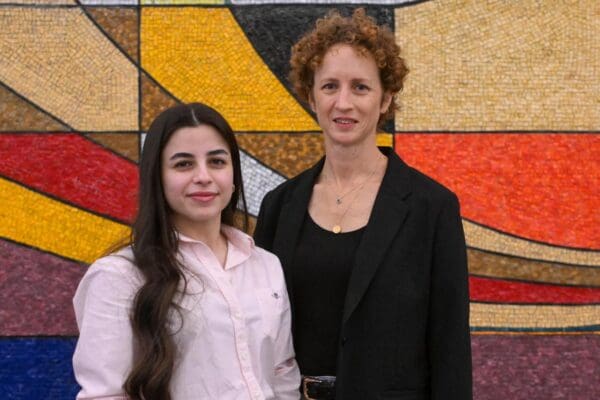
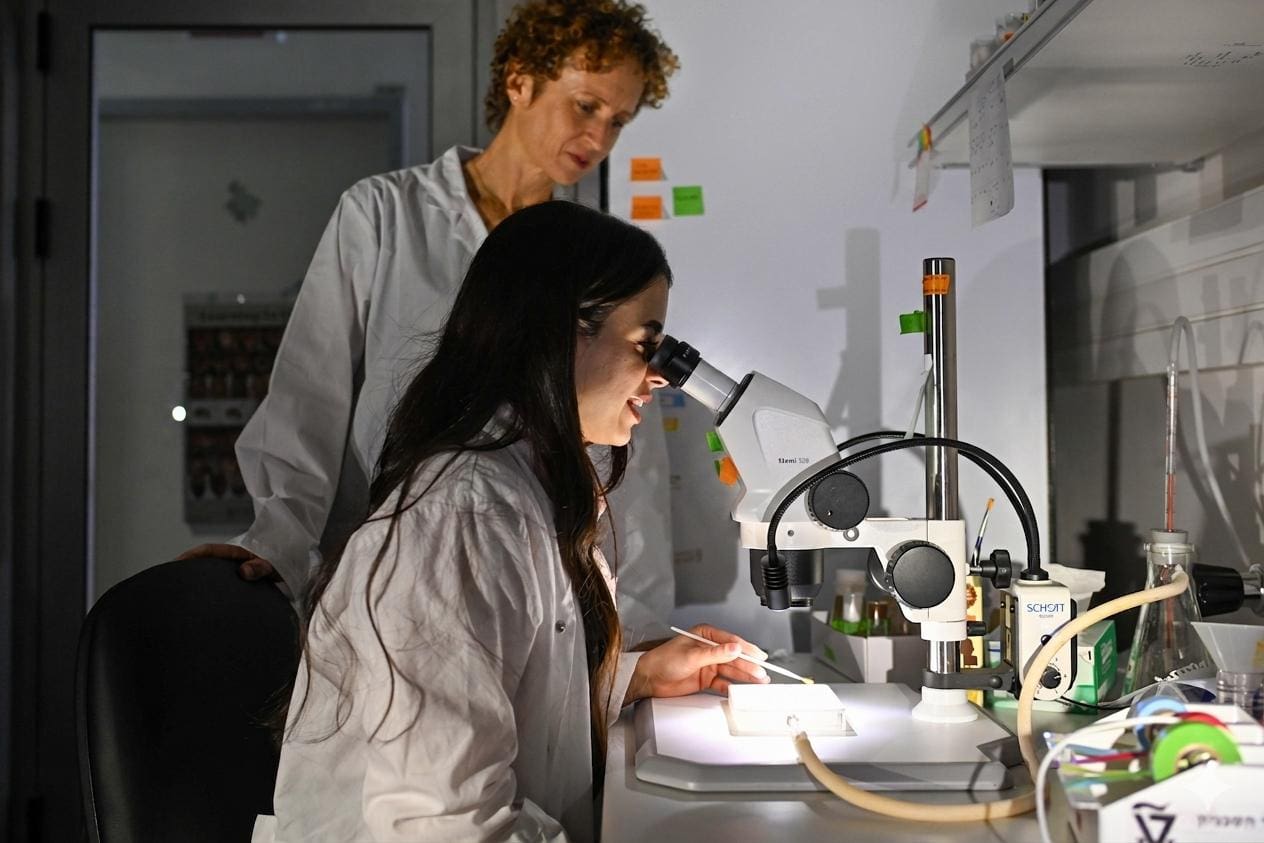
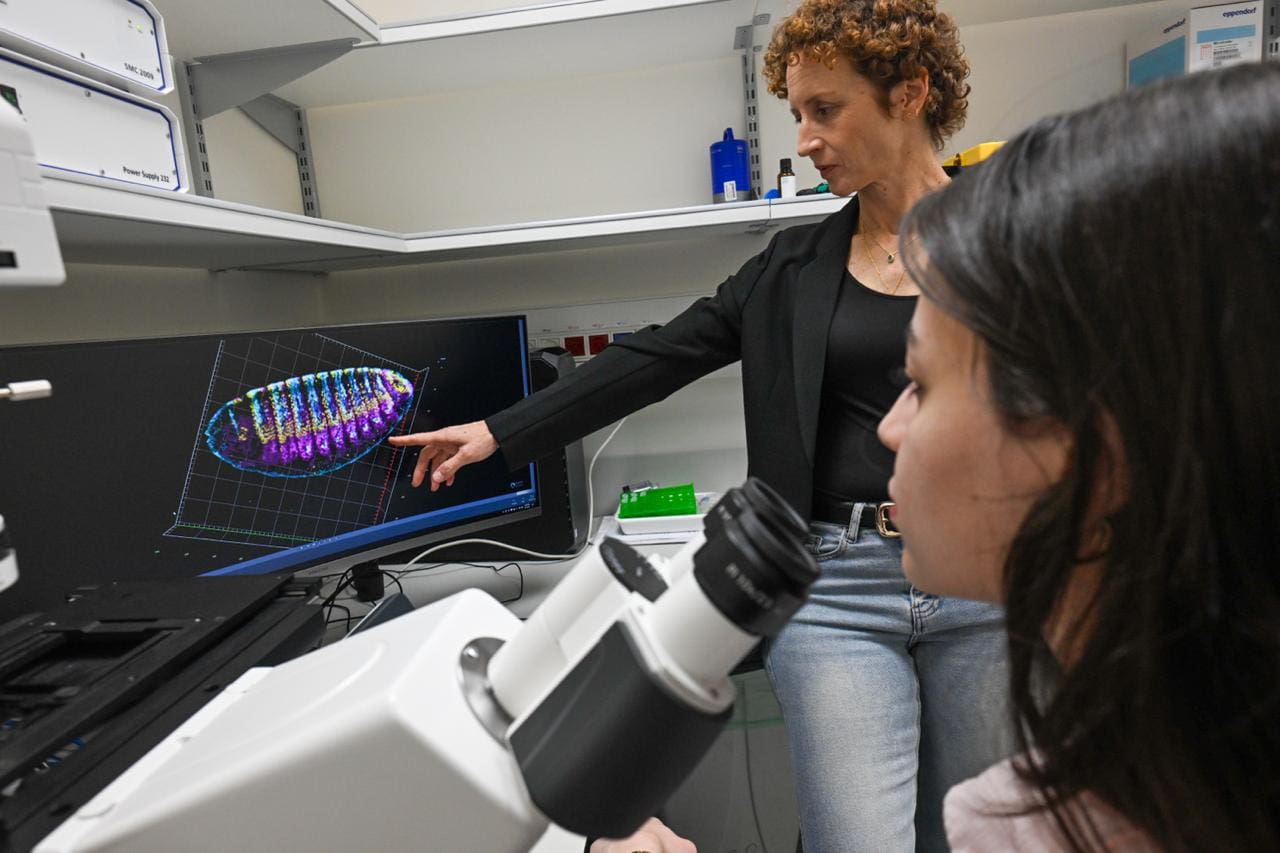
Thanks to Prof. Ella Preger-Ben Noon and Ph.D. candidate Areej Said-Ahmad of the Technion’s Ruth and Buce Rappaport Faculty of Medicine, we now have new insights into this fundamental biological question.
Their study, published in Science Advances, suggests that the very genetic redundancy that stabilizes development may also create opportunities for evolutionary change.
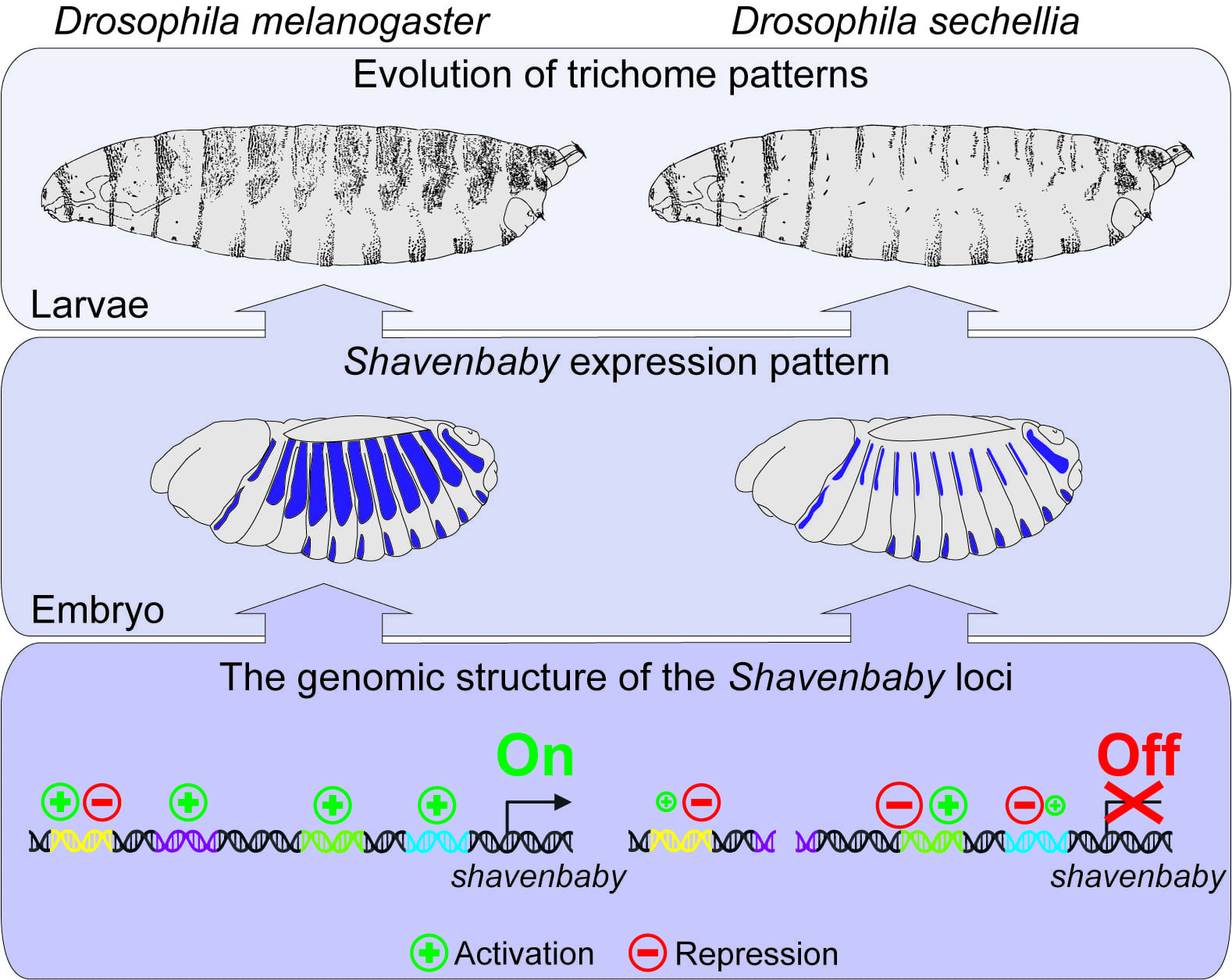
Their study investigated fruit flies, a classic model organism in genetics. It focused on the species Drosophila sechellia, whose ancestors’ larval bodies possessed tiny hair-like structures (trichomes). These structures have disappeared over the course of evolution.
This trait is controlled by the shavenbaby gene, whose expression is regulated by multiple enhancers (DNA sequences that activate genes at precise times, levels, and locations during development).
Enhancers act somewhat like backup switches in a complex electrical system. If one fails, others can often keep the gene working. Scientists have long understood that this redundancy confers stability and resistance to change. Yet the study points to a paradox. The presence of multiple enhancers may create multiple evolutionary pathways through which gene activity can be altered.
The researchers discovered several different ways enhancer activity could be disrupted. Some DNA sequences were deleted. Others lost sites needed to activate genes, while new repressive elements emerged. In some cases, previously hidden repression mechanisms became active.
In other words, the same evolutionary outcome — the loss of gene expression — emerged through several distinct molecular pathways within the same genomic region. The findings suggest that major physical changes may evolve not through entirely new genes, but through small alterations in the DNA sequences that control when and where genes are activated.
October 07, 2026

Technion researchers reveal how small DNA changes can drive evolutionary genetic changes. Discover the findings behind nature's transformations.
1 min
X (opens in a new tab) / Facebook (opens in a new tab) / LinkedIn (opens in a new tab) / Email / Copy Link
At the Technion, Israel Institute of Technology, the future often begins with a deceptively simple question: What can we do today that we could not do before? “Science and engineering have never been about yesterday’s tasks. They’ve always been about the future,” said Prof. Lihi Zelnik-Manor, vice president of External Relations and Resource Development at […]
Los Angeles Unified School District recently announced it will bar student use of generative artificial intelligence on school devices for the 2026-27 academic year, joining New York City Public Schools in limiting children’s access to a technology no one yet knows how to safely manage. The nation’s two largest school districts made the move at […]
Artificial intelligence is not simply changing higher education — it is detonating old assumptions about how students learn and how professors teach. As universities worldwide grapple with how to respond, the Technion is working to confront the questions head-on. Here, AI is not treated as a threat but a catalyst, prompting careful reexamination at every […]
Stay on top of the latest breaking scientific discoveries from Israel and the Technion. Subscribe to the ATS newsletter.