Something Fresh in the State of Denmark
October 06, 2026






















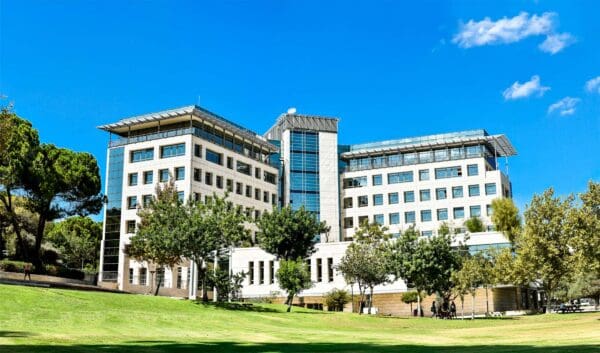












The Technion’s story has been intertwined with Israel’s for more than a century, from laying the foundations for a new nation to shaping its future.

Step inside Israeli innovation at the David and Janet Polak Visitors Center. Experience our 360° immersive movie and tech exhibition. Open to individuals and groups.
Learn More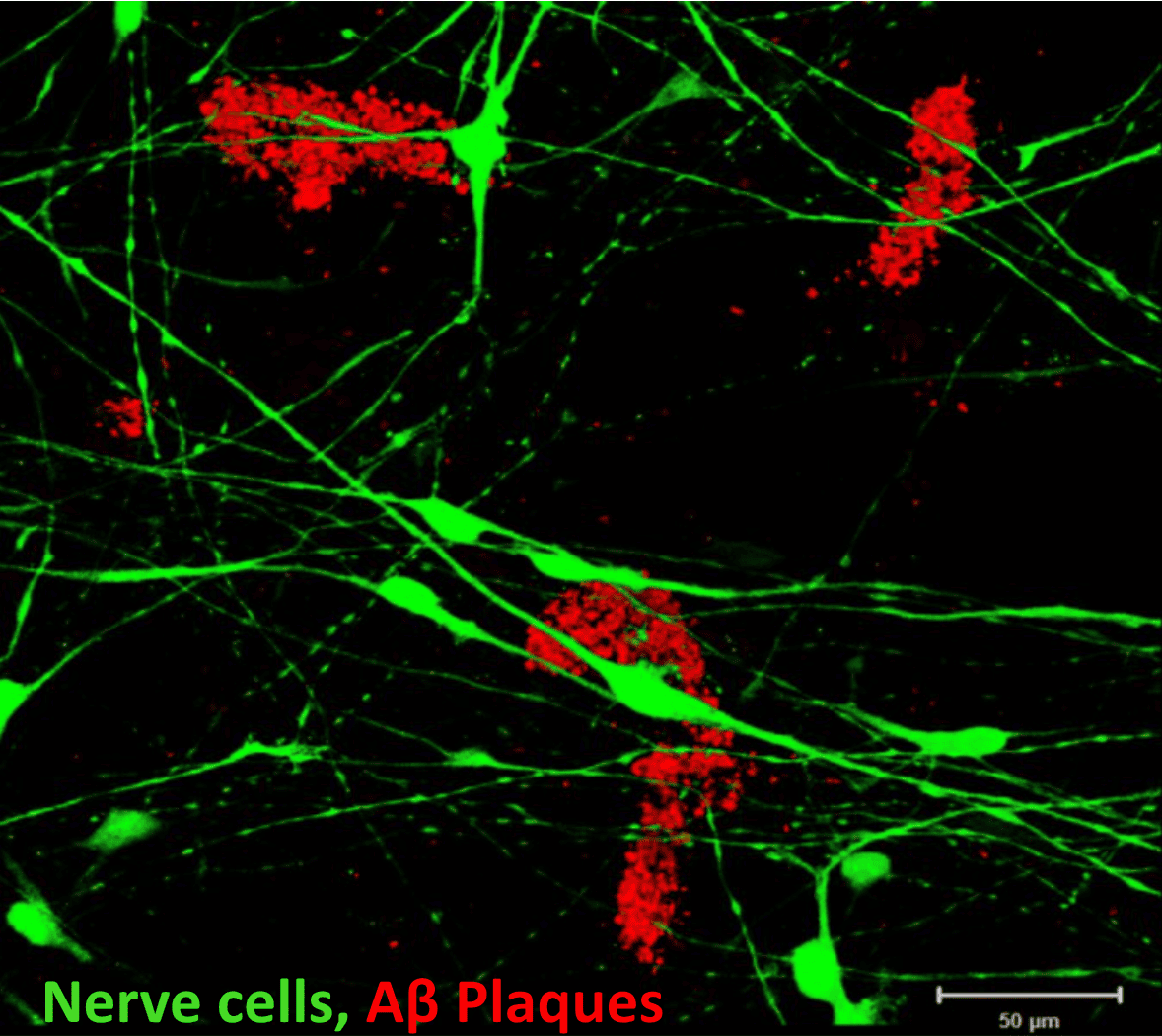
I don’t promise a drug, but I do promise to do research in a way that no one else is doing.”
Prof. Michael Glickman
Alzheimer’s disease is one of the greatest medical and societal challenges of our time. The progressive brain disorder now affects millions of families worldwide, and the number of cases is expected to rise as populations age. At the Technion, groundbreaking research is challenging conventional thinking about the disease and opening new avenues that could lead to earlier diagnosis and more effective treatments.

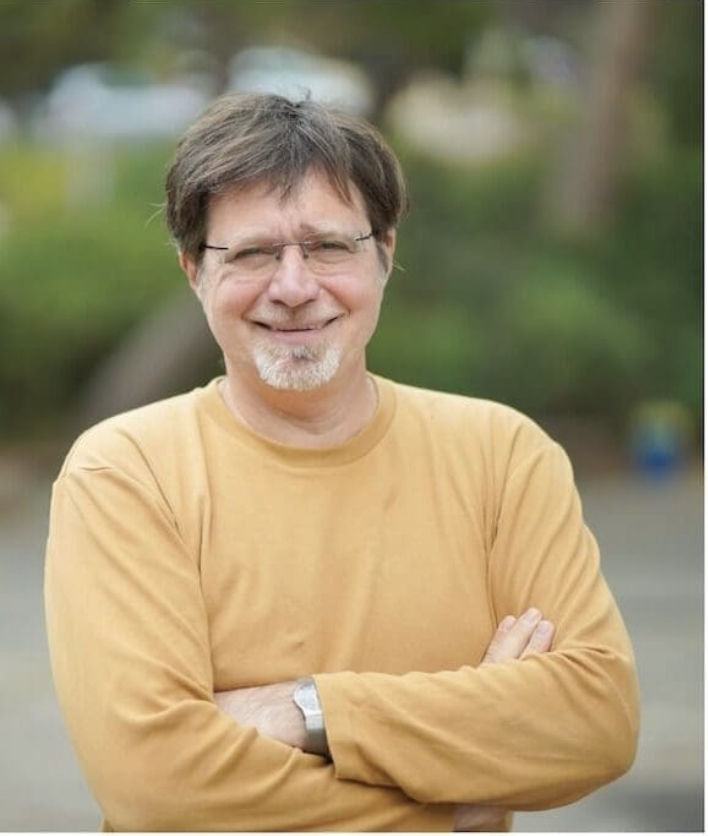
Leading this effort is Prof. Michael Glickman, dean of the Faculty of Biology, whose research is challenging long-held assumptions about how Alzheimer’s develops and spreads through the brain. For more than 20 years, Glickman’s laboratory has investigated the cellular systems responsible for protein quality control, work that has led to major discoveries about sporadic Alzheimer’s, the most common form of Alzheimer’s disease.
Familial Alzheimer’s is caused by an inherited gene mutation and is extremely rare. Yet, “almost 100% of research on Alzheimer’s is on the familial form,” Glickman explained. “Why? Because that’s what we know how to do.” The problem, Glickman argued, is that the typical patient who develops Alzheimer’s at age 70 does not have those mutations.
His path to Alzheimer’s research began unexpectedly, about 10 years ago. Trained as a biochemist, Glickman originally focused on understanding how cells remove damaged proteins. Then, Inbal Maniv, a graduate student in his lab, challenged a basic assumption: If Alzheimer’s is defined by protein buildup, why weren’t scientists studying the systems responsible for removing those proteins?
This question inspired a search on Alzheimer’s studies. According to Glickman, “When you look at protein recycling or protein removal from the molecular point of view and Alzheimer’s, there’s little research.” The observation led his team to develop an entirely new approach.
Instead of asking why a mutated protein accumulates, Glickman’s lab asks why proteins accumulate in people who don’t have a mutation. Rather than relying on genetically engineered mice used in familial Alzheimer’s research, Glickman and his student researchers created human neuronal models using stem cells. These cells can be transformed into functioning human neurons, allowing scientists to study Alzheimer’s in a system much closer to the human brain. The work earned Glickman a prestigious €2.5 million European Research Council Advanced Grant and is also supported by the Israel Science Foundation.
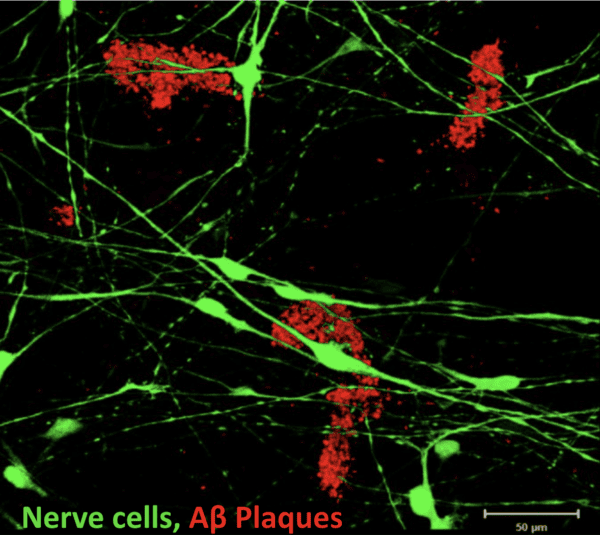
Glickman’s team became the first in the world to reproduce the two hallmark characteristics of Alzheimer’s — amyloid plaques and tau tangles — in human neurons without introducing the rare genetic mutations associated with inherited Alzheimer’s disease.
“Our system replicated or recapitulated the human Alzheimer’s predicament in a dish,” Glickman said. “This was a true breakthrough.”
Their research supports a bold hypothesis that failures in the brain’s protein-recycling machinery may contribute directly to sporadic Alzheimer’s disease. Over time, this cleanup system may become impaired, allowing toxic proteins to build up and eventually damage neurons.
Their research supports a bold hypothesis that failures in the brain’s protein-recycling machinery may contribute directly to sporadic Alzheimer’s disease. Over time, this cleanup system may become impaired, allowing toxic proteins to build up and eventually damage neurons.
More recently, Glickman’s team made another surprising discovery. The scientists found that neurons may sometimes protect themselves from toxic proteins by exporting them into surrounding brain tissue, potentially spreading disease to neighboring cells.
Glickman uses a memorable analogy to describe the process: “We all want someone to take out the trash. But in this case, the cells are dumping their trash on their neighbors. While this may solve an immediate problem for an individual cell, it may cause long-term damage to the entire tissue.”
For Glickman, the ultimate goal is to intervene before irreversible damage occurs. He envisions a future in which doctors can detect the disease earlier based on analyses of cerebrospinal and other body fluids, develop personalized therapies, and restore the cellular systems that normally prevent toxic proteins from accumulating in the brain.
While the long-term implications continue to be explored, the team’s experimental platform could immediately accelerate Alzheimer’s research by enabling rapid, cost-effective screening of conditions and candidate therapies aimed at preserving the health of aging neurons, particularly those exhibiting Alzheimer’s-like decline.
“I don’t promise a drug,” he said. “But I do promise to do research in a way that no one else is doing.”
That spirit of innovation — and the determination to challenge conventional thinking — is helping place the Technion at the forefront of Alzheimer’s research. As scientists continue to unravel the mysteries of the disease, discoveries emerging from Glickman’s laboratory may help transform how Alzheimer’s is understood, diagnosed, and ultimately treated for generations to come.