Something Fresh in the State of Denmark
October 06, 2026














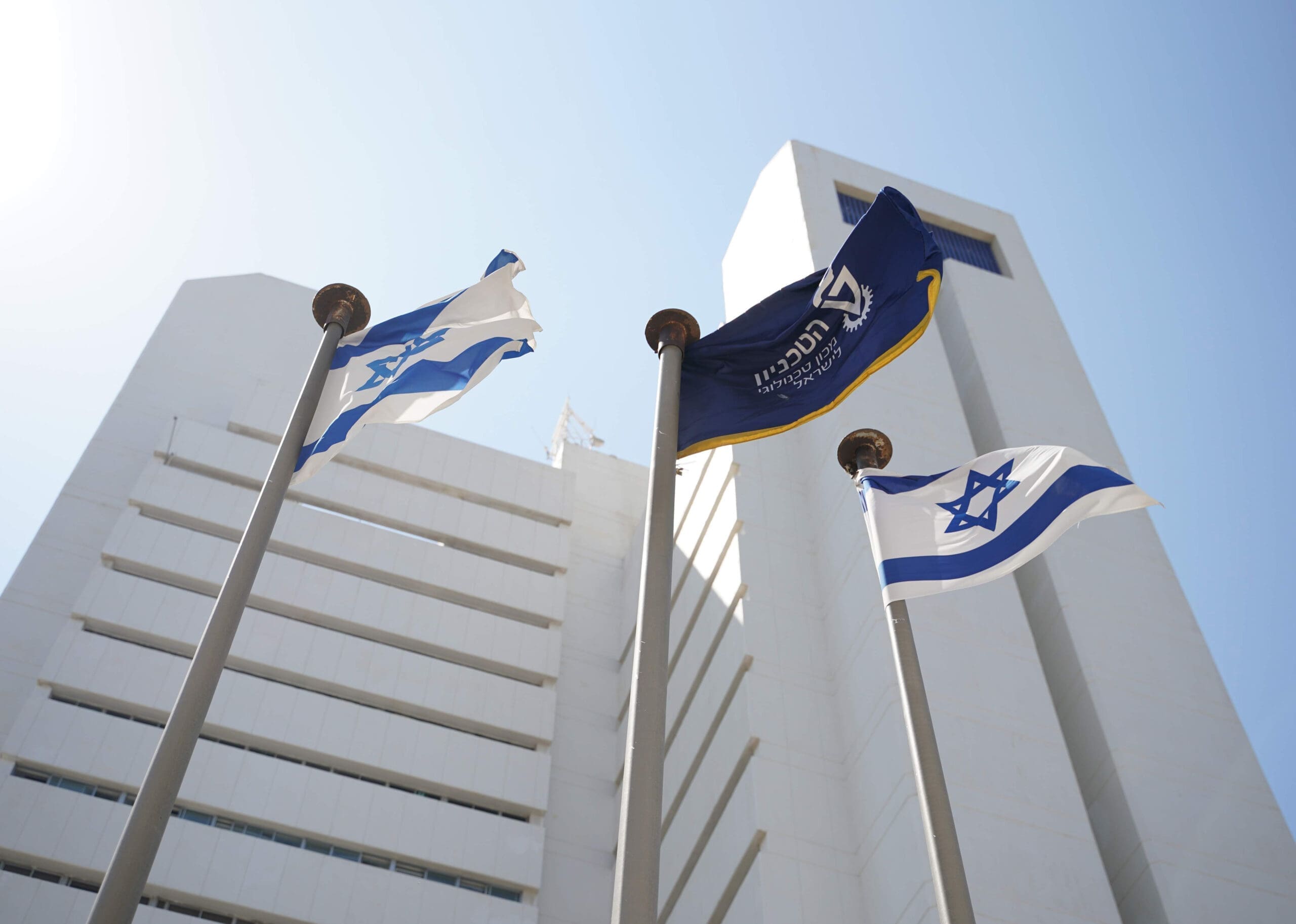


The Technion’s story has been intertwined with Israel’s for more than a century, from laying the foundations for a new nation to shaping its future.

Step inside Israeli innovation at the David and Janet Polak Visitors Center. Experience our 360° immersive movie and tech exhibition. Open to individuals and groups.
Learn More
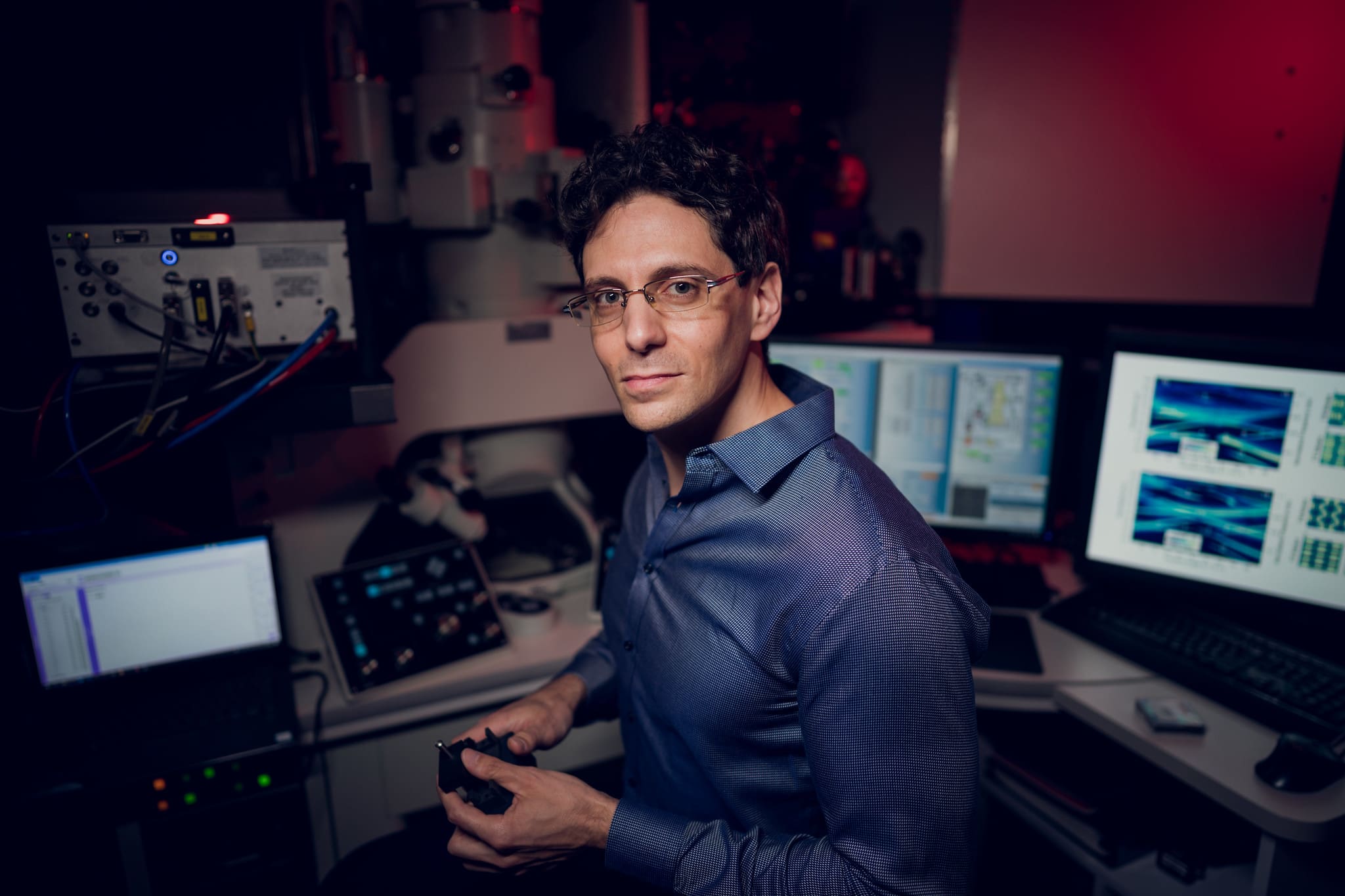
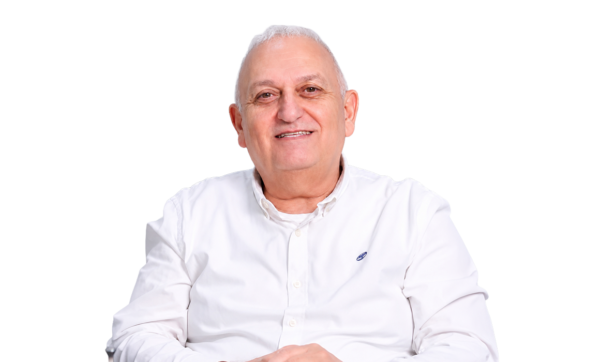
For over two decades, his laboratory has sought to understand how a small regulatory protein known as ubiquitin relates to the progression of Alzheimer’s disease. Ubiquitin’s functions are essential for cell cycle regulation, DNA repair, and protein quality control. When ubiquitin attaches to a protein — in a process known as “ubiquitin signaling” — it influences the protein’s activity, location, or interactions. Prof. Glickman’s lab has made significant progress in understanding how defects in this process may contribute to the onset of sporadic Alzheimer’s disease (the most common form of the condition, which occurs randomly in the population without a clear, singular genetic cause). The lab combines biochemical expertise with cutting-edge cell-biological approaches and advanced tissue culture techniques.
A native of Sweden, Prof. Glickman began his research journey studying enzymes as a doctoral student at UC Berkeley, followed by postdoctoral work in cell biology at Harvard Medical School, which laid the foundation for his career investigating protein quality control mechanisms. In addition to a Ph.D. in Chemistry and Enzymology from UC Berkeley, he holds a B.Sc. in Chemistry from the Hebrew University of Jerusalem.
His numerous accolades include the Schmidt Futures award from the Eric Schmidt Foundation for Nascent Research, the Diane Sherman Prize for Medical Innovation for a Better World from the Technion, and the Bessel Research Award from the Humboldt Foundation in Germany. He has held visiting appointments at the Max Delbruck Center in Berlin, the University of Maryland – College Park, the Institut Jacques Monod and U. Diderot in Paris, and the National Cancer Institute.
Prof. Glickman has served as a member of the Faculty of Biology at the Technion since 1999 and is a former vice dean of the faculty.