Something Fresh in the State of Denmark
October 06, 2026













The Technion’s story has been intertwined with Israel’s for more than a century, from laying the foundations for a new nation to shaping its future.
Step inside Israeli innovation at the David and Janet Polak Visitors Center. Experience our 360° immersive movie and tech exhibition. Open to individuals and groups.
Learn More
Prof. Hossam Haick of the Technion – Israel Institute of Technology, one of Israel’s most successful scientists, is really a frustrated karate fighter. As a boy in Nazareth, he joined a karate class and seemed to have found his calling. “I was incredibly competitive,” he says. “I went from one achievement to the next.” But […]
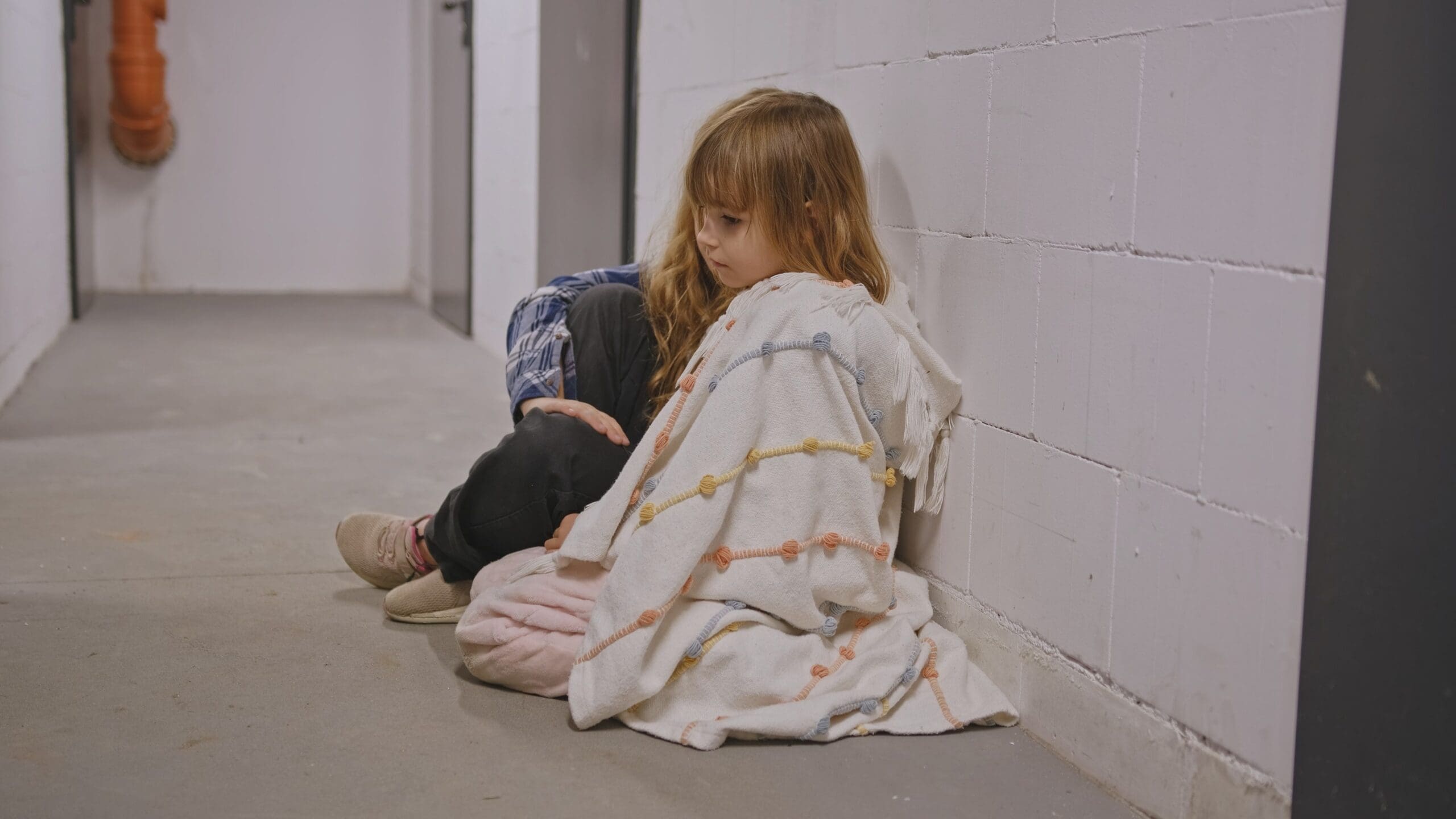
By now, this has become a daily challenge: how many hours of sleep can one get in a night riddled with air-raid alerts, racing to shelter and attempts at shuteye before being woken up again. And not just how many hours in total, but also how long one can sleep uninterrupted. All this comes before the real challenge – staying awake during the day, functioning as normally as possible and perhaps even forgetting – until the next siren – that this is an open-ended state of emergency. This reality has direct and indirect health implications, some immediate and clearly felt…
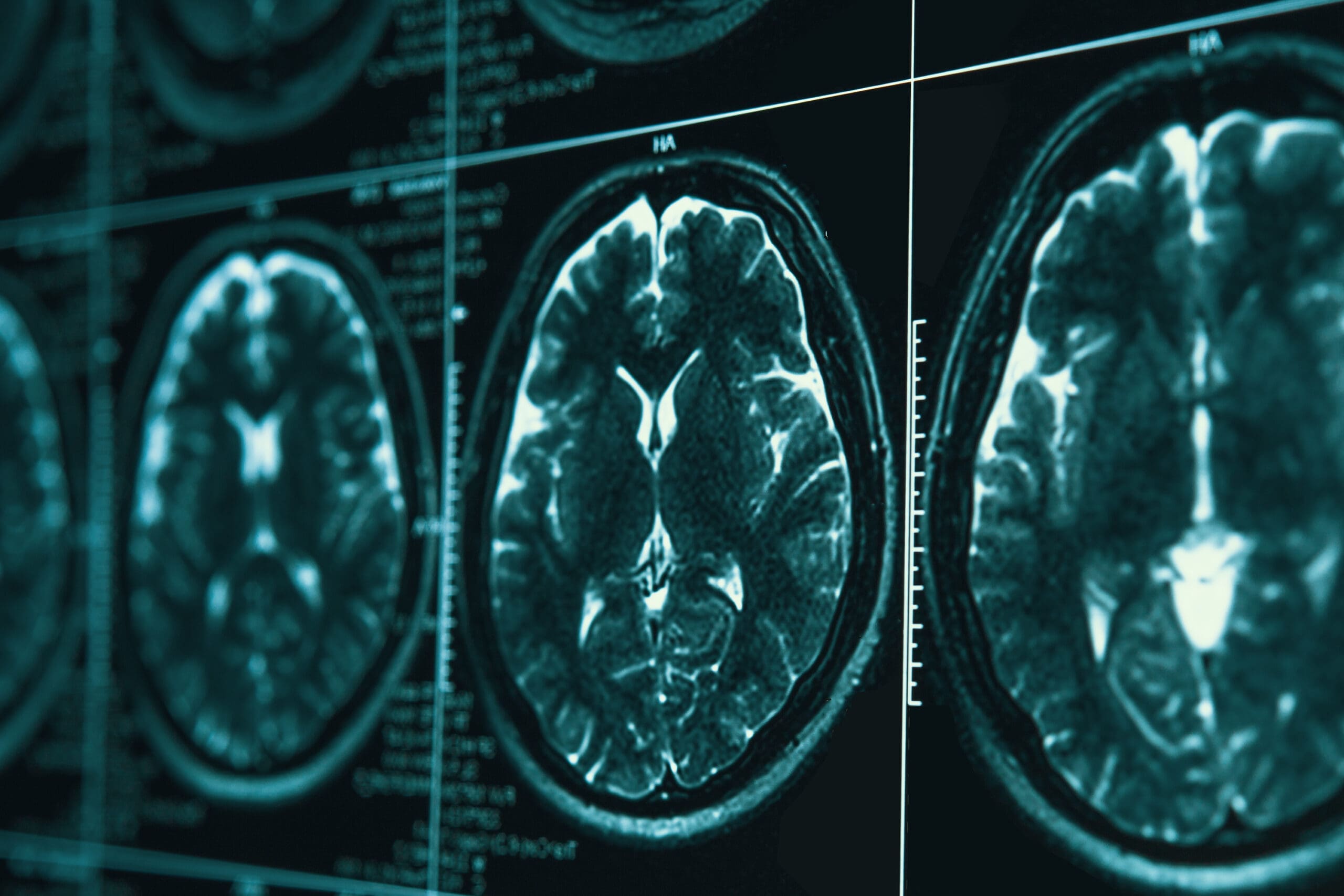
In a surprising discovery, researchers at the Technion – Israel Institute of Technology have found that a cellular system tasked with disposing of toxic proteins—crucial in preventing Alzheimer’s disease—may actually be helping the disease spread across the brain. The study, led by Professor Michael Glickman, dean of the Technion’s Faculty of Biology, and postdoctoral researcher Dr. Ajay Wagh, reveals that, instead of breaking down defective proteins inside the cell, neurons may be pushing this “trash” into surrounding brain tissue. Their findings were published recently in the journal Proceedings of the National Academy of Sciences (PNAS). At the heart of the…
NeuroKaire’s offices on Yigal Alon Street in Tel Aviv are about as far as one can get from the gleaming workspaces of a typical Israeli high-tech company. The parking lot is dark and dirty, the elevator creaks, and there is no doorman, nor a sea view, unlike the surrounding luxury towers. The surprise begins only after stepping through the wide office doors: giant microscopes, highly sophisticated robots, and some of the world’s most advanced medical equipment, all enabling one of the most complex biological feats in existence, turning ordinary blood cells into human brain cells. “We could have been, like…
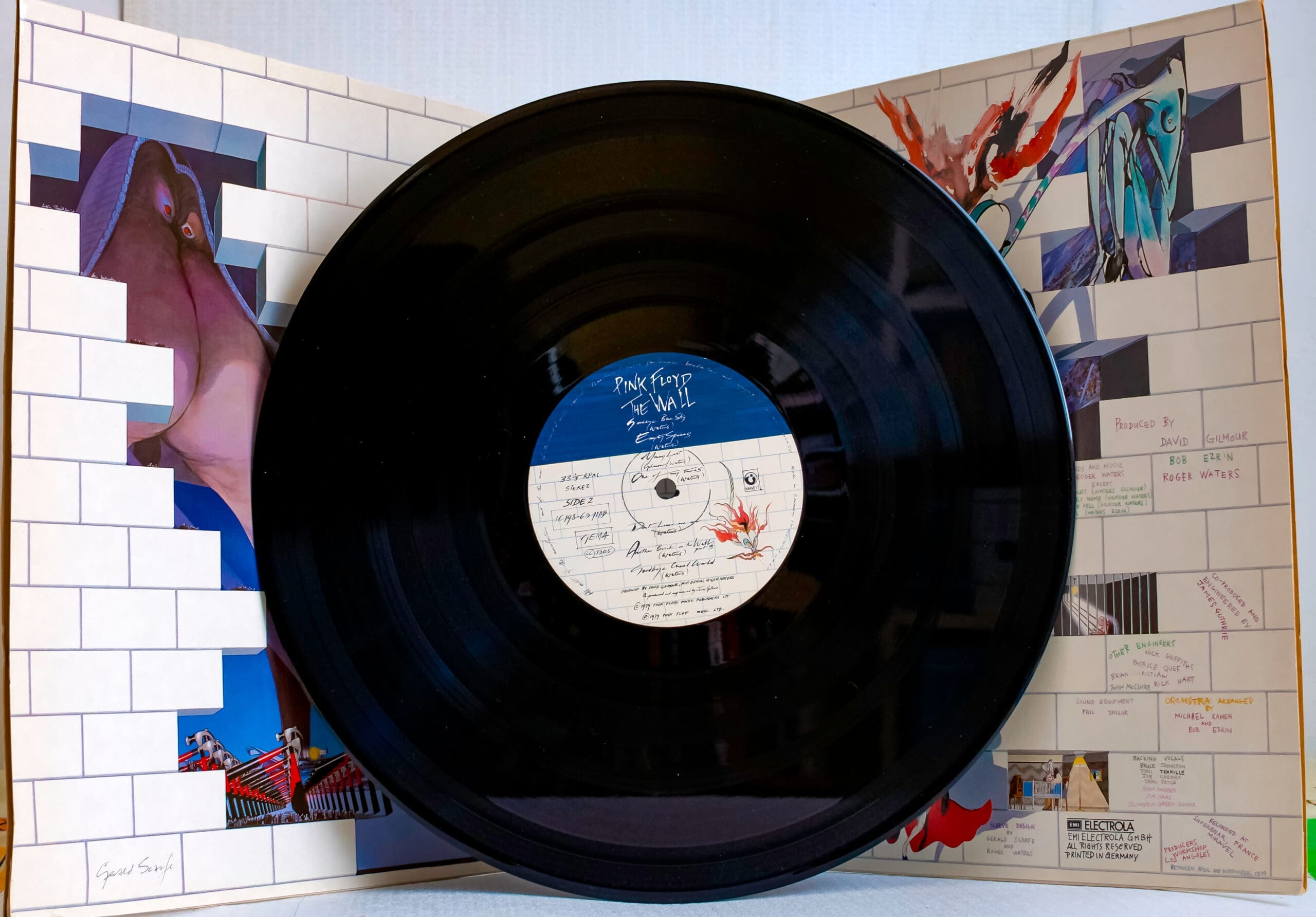
Their music is one of the most influential examples of mind-altering psychedelic rock. But scientists say listening to Pink Floyd really does have an effect on your brain cells – and could make them more susceptible to future treatments for Alzheimer’s and Parkinson’s. The surprising finding comes from a study in which researchers played the band’s 1979 hit, Another Brick In The Wall, and monitored the impact it had on brain cells in humans and mice. They found the low-frequency sounds in the song made cells ‘vibrate’ and caused certain parts of the brain to ‘light up’, indicating greater activity,…
This week, two Israeli neuroscientists have rolled out a blood test in the US and Israel that they say can measure the responsiveness of a patient with major depressive disorder to common antidepressants. Depression is one of the most common forms of mental disorder, affecting more than 330 million people worldwide. Treatment methods rely primarily on a taxing trial-and-error process to find the right prescription drug, which can take years. In Israel, the psychological toll of 23 months of war and counting has made the need for effective mental health treatment felt more than ever. The blood test, created by…

During Israel’s 2014 Operation Protective Edge, Oketz K9 unit soldier Ben Fuxbruner and his dog Kimba were wounded in combat. Kimba later died from her injuries. Alongside his physical trauma, Fuxbruner developed severe sleep disturbances—a struggle that would eventually inspire him to found a sleep technology company named after his dog. “In a single moment, I aimed my weapon at one of the buildings and placed Kimba under cover. Suddenly, I heard six shots from the right. Everything turned white, there was a loud ringing in my ears, and I was thrown to the ground. When I opened my eyes,…

“We couldn’t even begin,” Prof. Horowitz-Kraus said. “There was no school. There was chaos. And when the children finally started coming in a few weeks later, I noticed right away — something had changed.” These six-year-olds were more distracted than the children she had scanned in previous studies. They struggled to focus. Something in their […]

A new interdisciplinary study by researchers from the Ruth and Bruce Rappaport Faculty of Medicine and the Andrew and Erna Viterbi Faculty of Electrical and Computer Engineering at the Technion reveals a surprising insight: local release of dopamine—a molecule best known for its role in the brain’s reward system—is a key factor in acquiring new motor skills From writing and typing to playing a musical instrument or mastering a sport, learning movement-based tasks is one of the brain’s most complex challenges. This collaborative new study reveals how the brain reorganizes its neural networks during such skill learning and uncovers the…
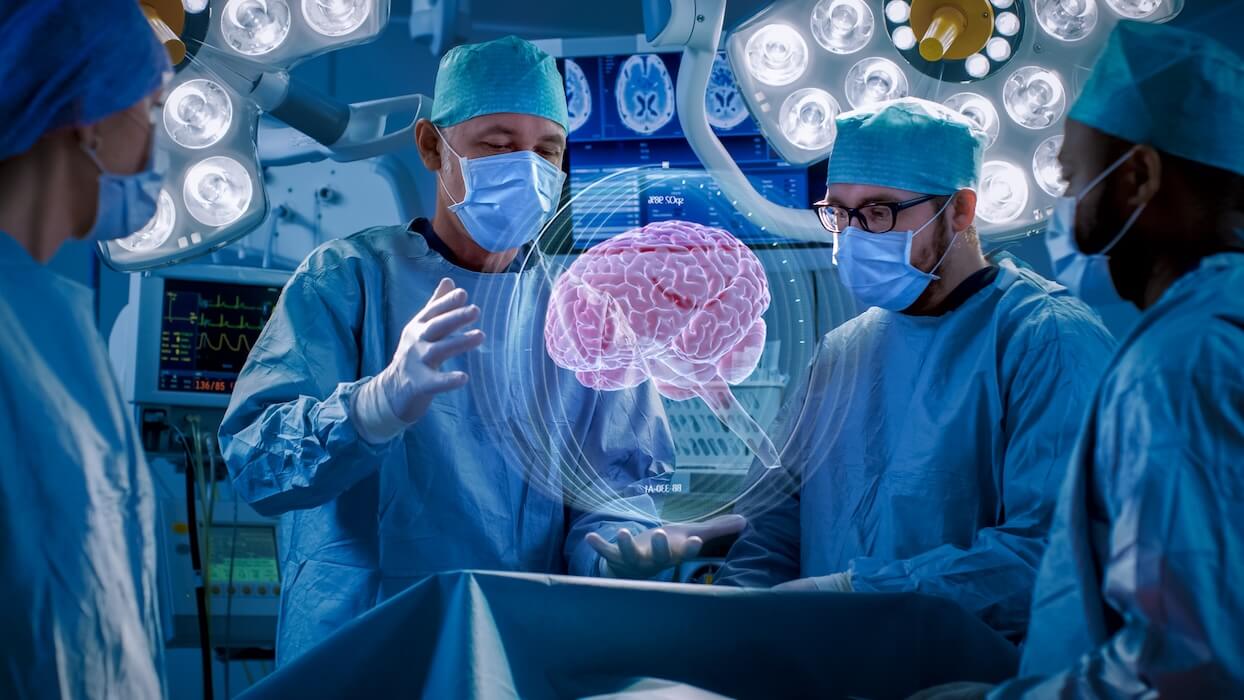
Nora Nseir, the founder and co-CEO of Nurami Medical, knows that the Haifa-based biomed company’s groundbreaking product may not seem particularly impressive at first glance. It looks like a plain white bandage, just 5 cm in width and length, but if everything goes according to plan, it could fundamentally change the way doctors treat brain and spinal cord injuries. The product’s ability to regenerate meningeal tissue after complex neurological surgeries sets it apart. So far, $16 million has been invested in Nurami, and the company is now completing another funding round—this time for $30 million. There is still a long…
Israeli entrepreneur and investor Shmulik Bezalel has traveled the world and donated funds for research to find a treatment for his son Itay who has low-functioning autism spectrum disorder. Itay is one of 254 million children and adults worldwide struggling with neuropsychiatric disorders without a suitable treatment. Recognizing the limited therapeutic options for neuropsychiatric disorders, Bezalel teamed up with serial entrepreneur Boaz Goldman and neuroscientist Dr. Nisim Perets, and in 2021 founded an Israeli biotech startup with the vision to generate a simulation of the brain and test the efficacy of drugs. That startup, Itay & Beyond — named after…