Something Fresh in the State of Denmark
October 06, 2026



















The Technion’s story has been intertwined with Israel’s for more than a century, from laying the foundations for a new nation to shaping its future.

Step inside Israeli innovation at the David and Janet Polak Visitors Center. Experience our 360° immersive movie and tech exhibition. Open to individuals and groups.
Learn More
An international consortium focused on early diagnosis of schizophrenia, headed by Prof. Hossam Haick of the Technion-Israel Institute of Technology, has received a €8 million ($8.4 million) European Union grant, the Technion announces. The project, labeled VOLABIOS, “aims to develop advanced, cost-effective diagnostic tools that improve patient quality of life, reduce diagnostic errors by 30%, and optimize treatment and monitoring processes,” the press release says. The initiative involves cooperation between 20 research partners from 11 countries around Europe, including Aachen University in Germany, the University of Cambridge in the UK, the Greek Ministry of Health and the French company FIRALIS,…
Researchers at the Technion Faculty of Biology have identified potential new innovative genetic therapies for cancer and brain diseases. The findings were supported by the Israel Science Foundation (ISF), the US-Israel Binational Science Foundation (BSF), NSF-BSF Molecular and Cellular Biosciences, and the National Institutes of Health (NIH) and were published in the peer-reviewed journal Nucleic Acids Research. The study was conducted in collaboration with the research group of Professor Heather Hundley from Indiana University and was led by Ph.D student Berta Eliad, master’s student Noa Schneider, and their advisor, Associate Professor Ayelet Lamn.

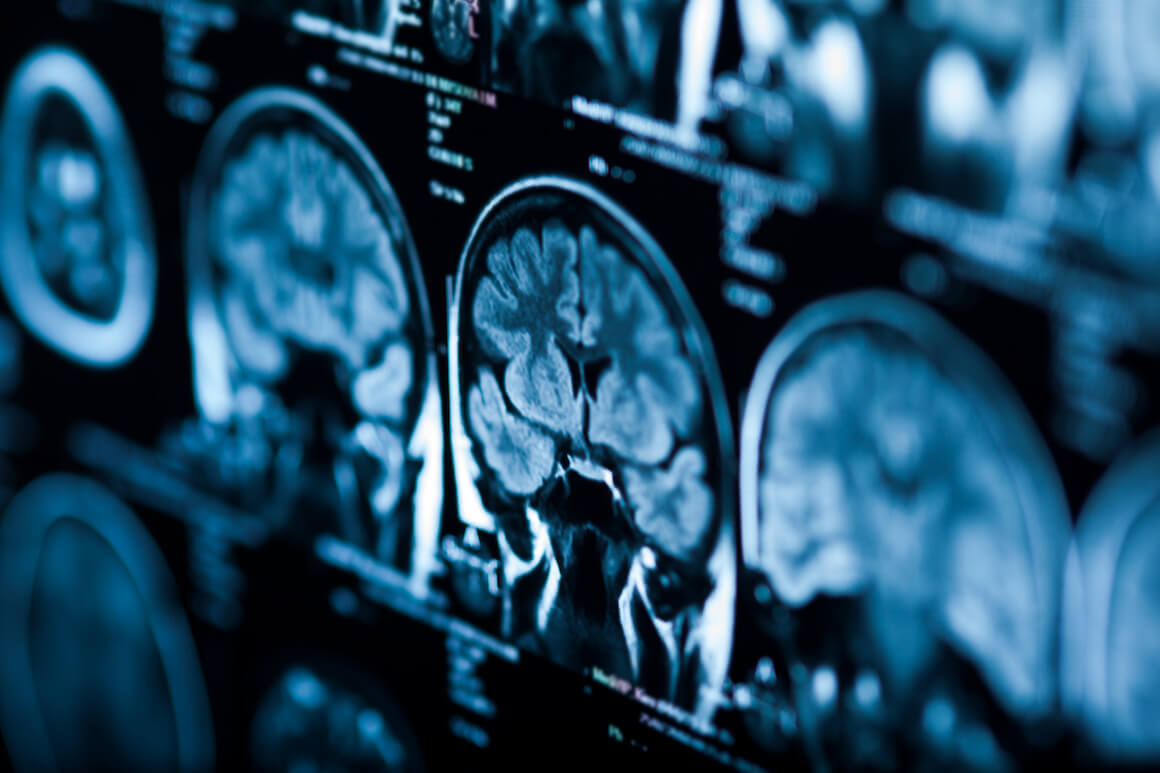
A recent study led by researchers at Northwestern University Feinberg School of Medicine says it is now possible to predict within three days of whiplash injury, which patients will develop chronic pain, based on cross “talk” between regions of the brain and a person’s anxiety level after the injury. The findings, published in in Nature Mental Health, were from a large-scale longitudinal look at whiplash patients to identify predictors of the transition from acute to chronic pain. The research—a collaboration between the Technion – Israel Institute of Technology, Northwestern University, and the McGill University—found that the more the hippocampus, the…
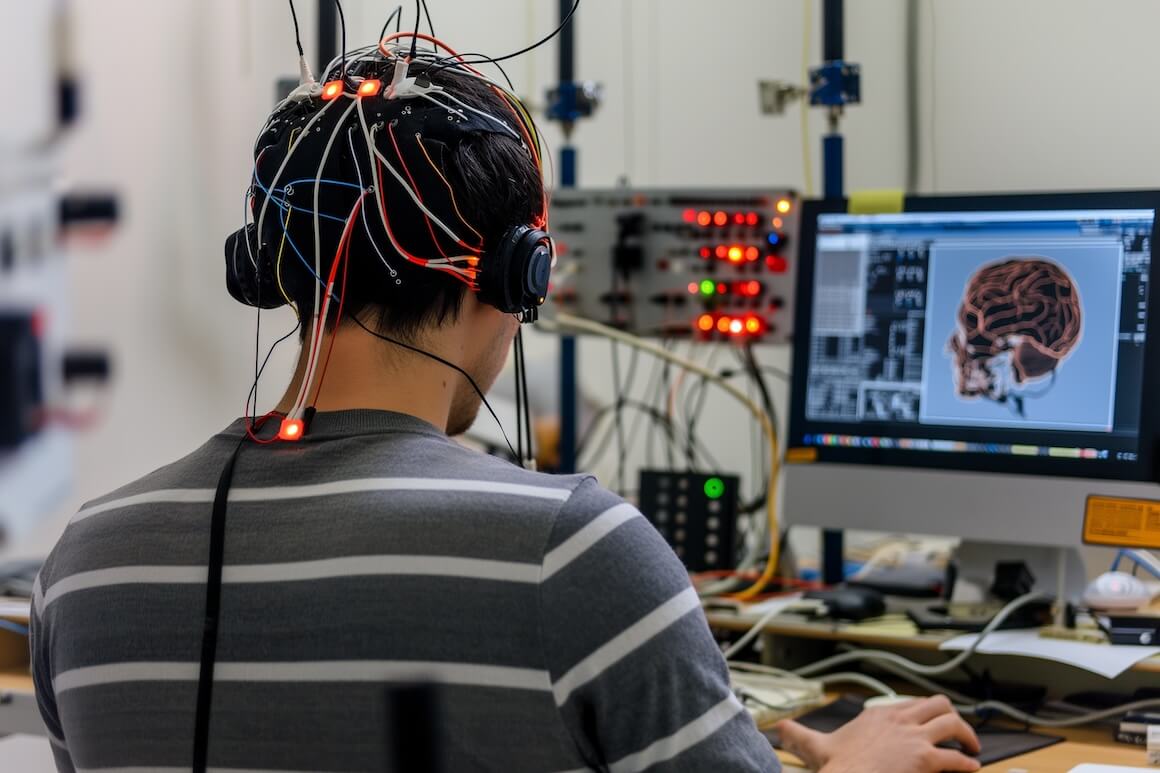
Two health institutions in the United States have added an Israeli wearable device to their roster of treatments for post-traumatic stress disorder. The FDA-approved Prism device – an electrodes-laden cap that fits snugly over the head – was developed by GrayMatters Health, a Haifa-based company that develops digital training therapies to help the brain regulate mental health care. Home Base, the largest private US clinic of its kind treating veterans and service members, is adding Prism to its existing PTSD programs at the National Center of Excellence in Charlestown, Massachusetts, while New York-based Fermata interventional psychiatry practice is offering the…
The oldest and leading Arab-owned med-tech company in Israel started in a city in the Israeli periphery known more as Jesus’s hometown than a high-tech hub. But for Reem Younis, 59, who grew up in a working-class Christian family in Nazareth, there was no better location to found what has become a giant in Israel’s med-tech industry. In 1993, alongside her husband, Imad, she established Alpha Omega, one of the world’s top manufacturers of electrodes and other medical devices that record the activity of neurons from within the brain. Today, researchers and neurosurgeons worldwide use Alpha Omega equipment to guide…
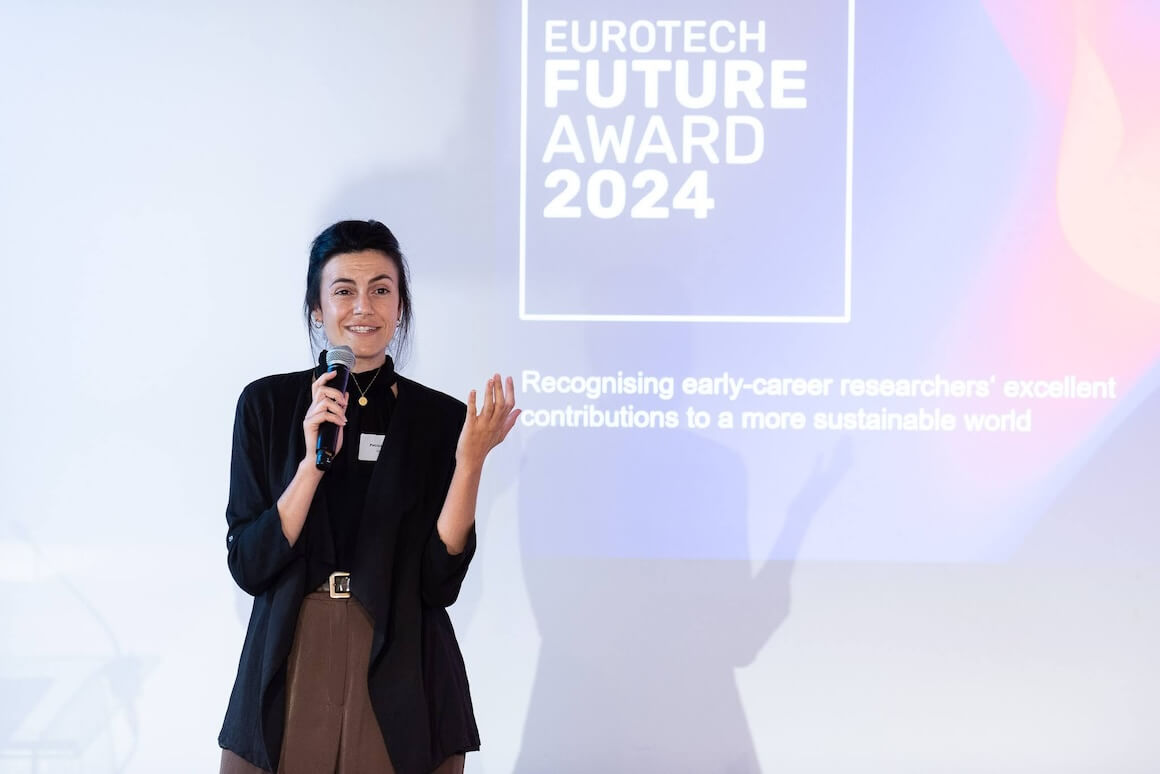
Imagine if music turned out to be the panacea for treating Alzheimer’s disease and other neurological disorders. Dr. Patricia Mora-Raimundo, a postdoctoral researcher in the Technion’s Wolfson Faculty of Chemical Engineering, is investigating the possibility. Like the Pied Piper, she developed a model to improve nanomedicine delivery directly to the injured parts of the brain through music. Nanometric drugs have the potential to produce much better treatment outcomes for neurological diseases than conventional treatments. However, one of the main challenges is the blood-brain barrier. This barrier protects the brain from infections but is also a complex obstacle to drug delivery….
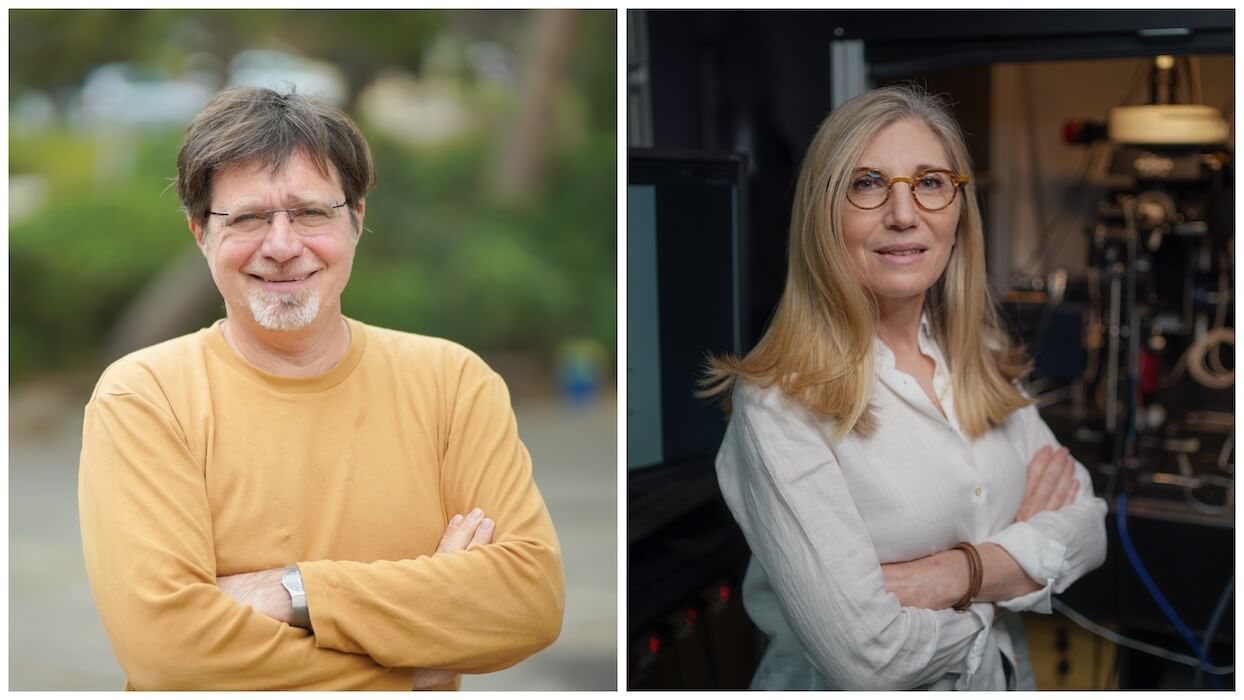
Prestigious grants from the European Commission’s Horizon Europe program were awarded to two Technion researchers to advance their decade-long research. Each of them will receive €2.5 million ($2.66 million). Coincidentally, both grants will further studies in brain science. Professor Michael Glickman, dean of the Faculty of Biology, was awarded for his work on an innovative model to study Alzheimer’s disease that uses nerve cells derived from human stem cells. His team’s research is based on the hypothesis that impairment of the ubiquitin system, which clears cells of damaged proteins, could lead to the development of Alzheimer’s. The grant will enable…
Doron Elad was only 25 years-old when he received a Ph.D. in mathematics from the Technion in 2018. He may be the youngest Ph.D. graduate in the University’s history. But this degree was only the beginning of his education. Today, he is a fourth-year medical student in the Technion’s Ruth and Bruce Rappaport Faculty of Medicine. He intends to combine his expertise in mathematics with medicine to help people with mental illness. “My primary interests lie in the intersection between mathematics, computer science, statistics, and medicine,” he explained. “Roughly speaking, I am mainly interested in applying tools that are usually…
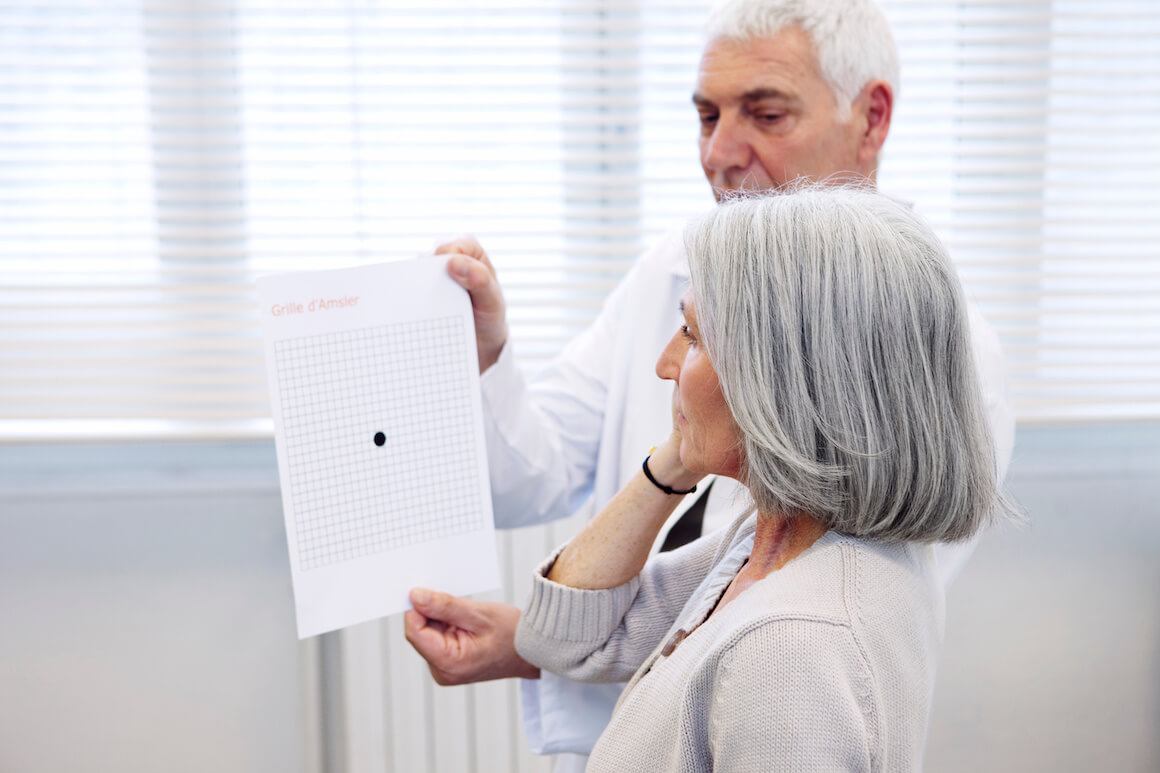
About 200 million people worldwide suffer from age-related macular degeneration (AMD), and that number is expected to increase to nearly 300 million by 2040. AMD is an eye disease that can blur central vision. It is the leading causes of blindness in Western countries, where people live long enough to experience such “first world” ocular issues. One in eight Westerners over the age of 60 can expect to develop AMD. Already in 2021, the market for AMD treatment was estimated at $7.4 billion. The United States made up 52% of that market, the European Union 41% and Japan just over…
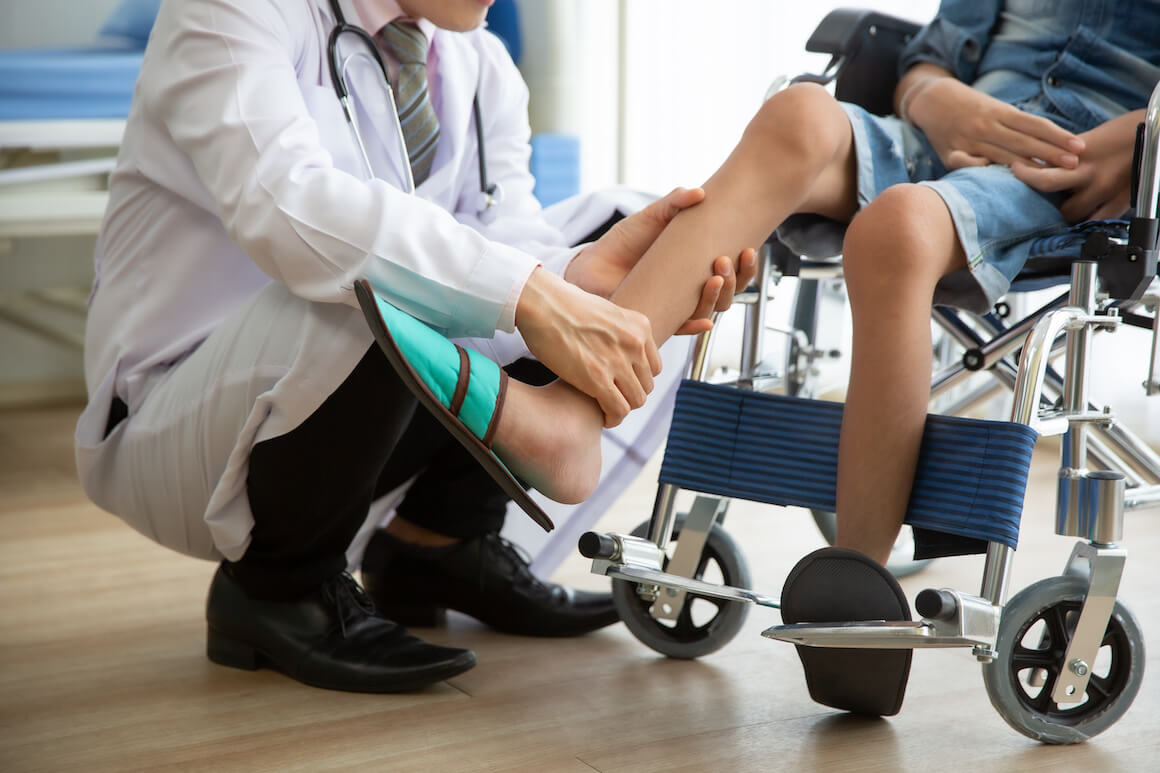
Associate Professor Shenhav Shemer from the Technion’s Faculty of Biology has joined the DREAMS team, a European Union-funded project to discover treatments for five rare neuromuscular disorders. DREAMS (Drug REpurposing and Artificial intelligence for Muscular disorderS) will focus on treatments for Duchenne muscular dystrophy, centronuclear myopathy, Emery-Dreifuss muscular dystrophy, Pompe disease, and Danon disease. Approximately 400,000 people worldwide suffer from these diseases. “My group is engaged in various phases of the project, including the key phases of identifying biomarkers and therapeutic targets, assessing the efficacy of molecules as novel drugs to inhibit these targets and address the disease, validating…
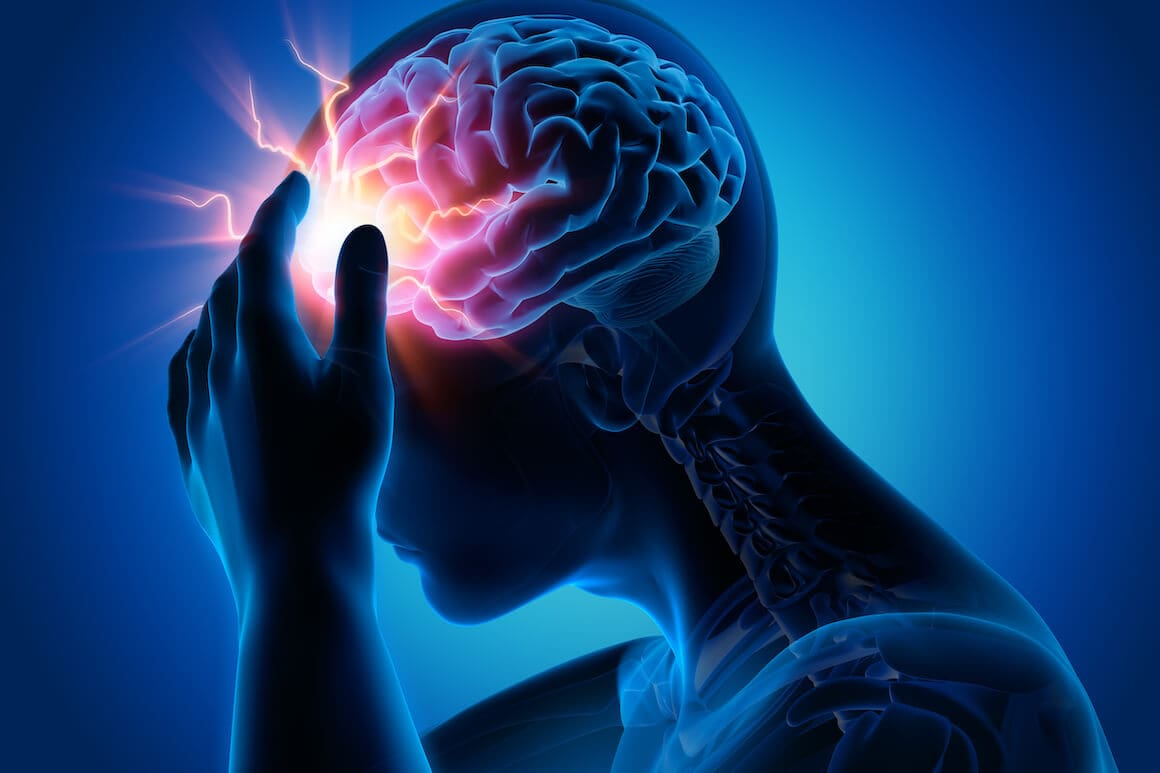
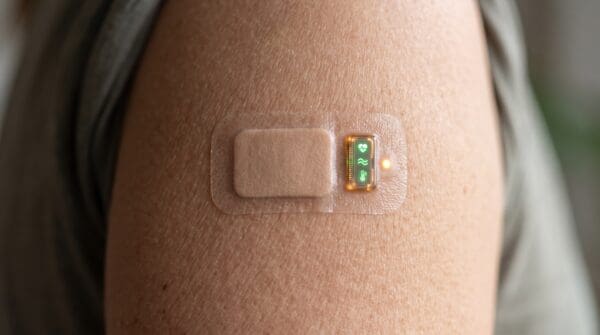
American non-profit health insurer Highmark has added an Israeli migraine treatment band to the items covered by its insurance policies. The Nerivio Remote Electrical Neuromodulation (REN) migraine band, developed by Netanya-based Theranica, is placed on the upper arm as soon as a migraine starts (or even used as a preventative measure), and vibrates at an intensity just below the patient’s pain threshold. It causes nerve fibers in the body to deliver a message to the brain, where it decides that the sensation is harmless and releases neurotransmitters to prevent the sufferer from feeling pain – including in their head. The…
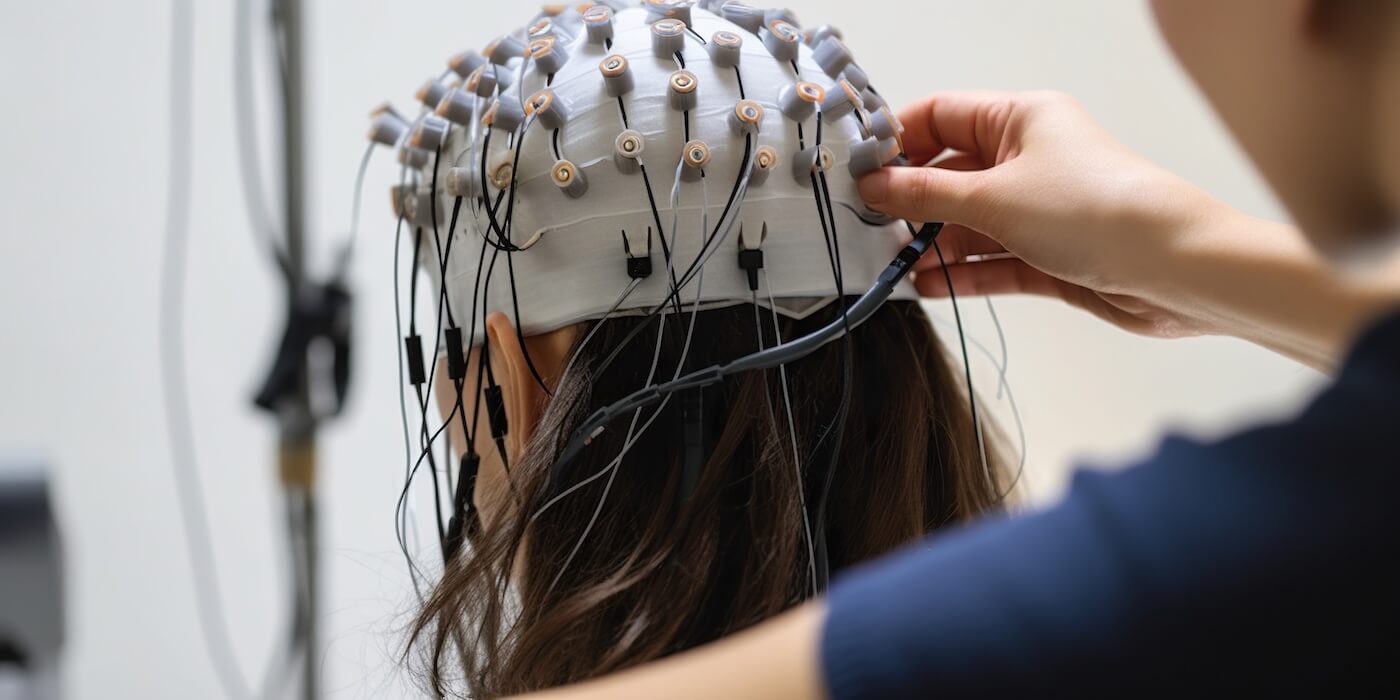
A study by GrayMatters Health, which develops digital training therapies to help the brain regulate mental health care, has shown that its FDA-approved Prism device is effective in the treatment of post-traumatic stress disorder (PTSD). The device, now available in selected clinics in the US, shows a patient’s brain activity in the amygdala, the small region of the brain associated with emotions and memory, while interacting with different scenarios. This can help patients with PTSD control their symptoms by better understanding what triggers that heightened activity in that part of the brain.