Something Fresh in the State of Denmark
October 06, 2026




















The Technion’s story has been intertwined with Israel’s for more than a century, from laying the foundations for a new nation to shaping its future.

Step inside Israeli innovation at the David and Janet Polak Visitors Center. Experience our 360° immersive movie and tech exhibition. Open to individuals and groups.
Learn More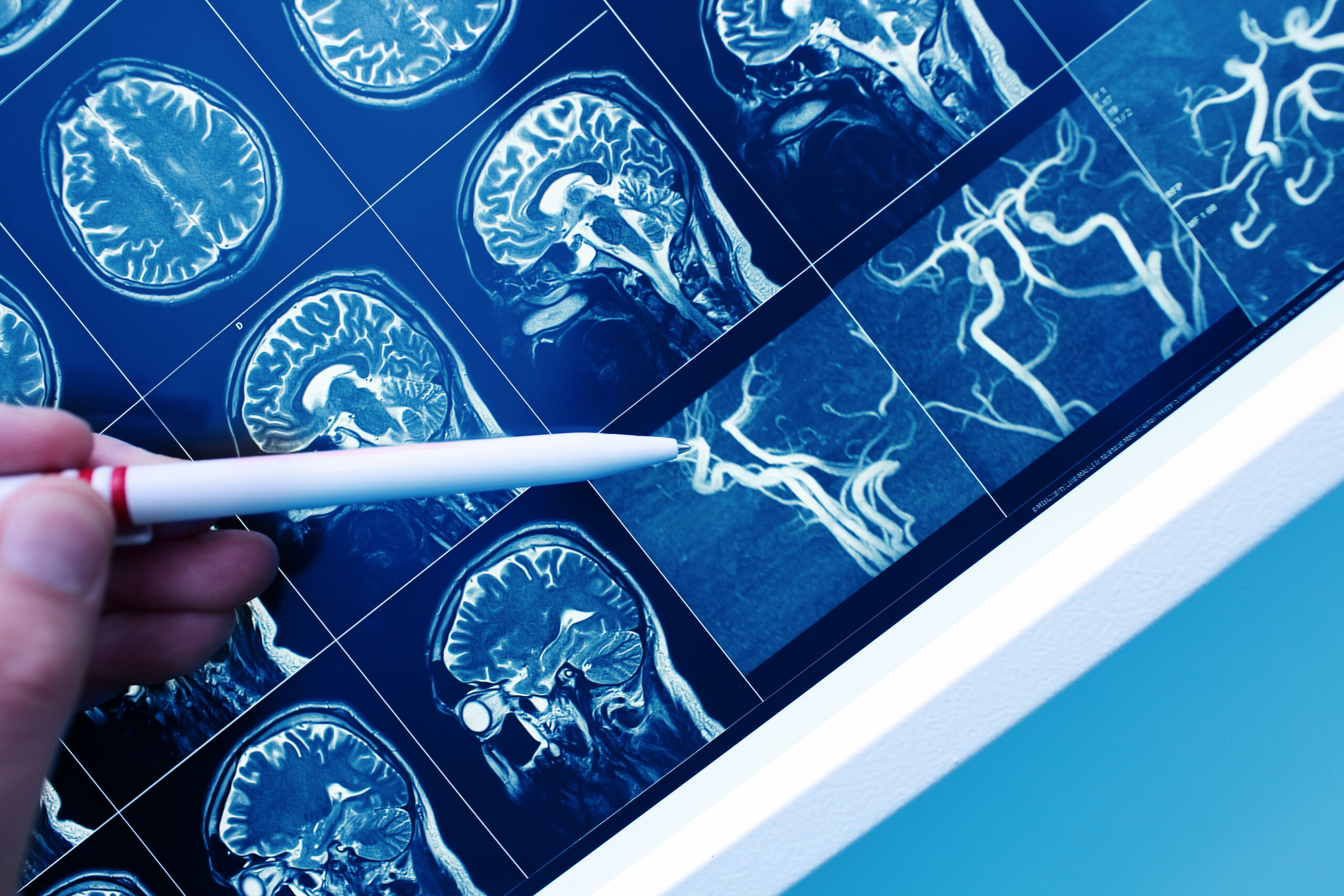

Parkinson’s disease is a complex, progressive neurological disorder affecting up to 10 million people worldwide. Probably caused by clumps of alpha-synuclein protein that damage dopamine-producing cells governing motor control, Parkinson’s is characterized by tremor, rigidity, poor posture and slow movement. About 150 Israeli startups are developing technologies to help prevent, stop or even cure Parkinson’s. Azilect (rasagiline), one of the most successful drugs for managing Parkinson’s symptoms, was developed in Israel by Prof. Moussa Youdim and is manufactured by Teva Pharmaceuticals.

Machine-learning analysis of CT scans during admission to the emergency enables earlier detection of intracerebral hemorrhages and reduces mortality rate by over 30 percent, according to a study published in the International Journal of Emergency Medicine. Intracerebral hemorrhage, commonly known as bleeding into the brain, is the second most common cause of strokes (15-30%) and the most deadly. The research, conducted by Dr. David Orion, director of the Acute Stroke & Neuro-Endovascular Department of Sheba Medical Center in Israel, involved 587 patients and used Aidoc’s algorithm to analyze CT scans of their heads.

Five young researchers who joined the Technion during the 2021-2022 academic year are recipients of prestigious 2023 starting grants from the European Research Council (ERC). These grants are awarded to talented early-career scientists who completed their doctoral degrees only two to seven years ago, and have already produced excellent work, showing great promise. Charlotte Vogt, assistant professor in the Schulich Faculty of Chemistry, works to solve problems of climate change and pollution by improving or inventing more sustainable processes. Metal nanoparticle-based catalysts are essential to shifting societal reliance away from fossil-fuel resources, but most are found by slow, trial-and-error processes….
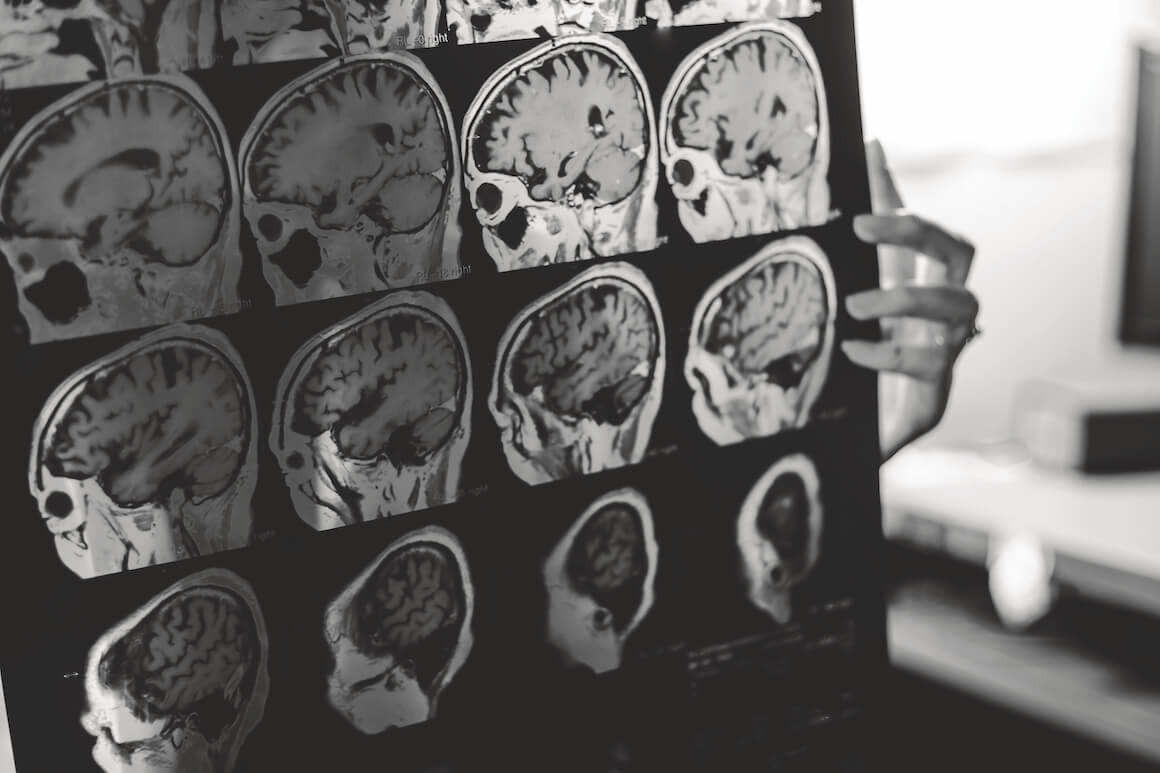
Imagine this: One day you wake up to find the steering wheel that had been on one car in your garage is now on your other car, and the parking brakes are also interchanged. According to research conducted by Professor Noam Ziv, something very similar is happening in our brains, because the parts that make up our synapses are constantly moving. This brain research, which could have implications for memory loss and aging, is just one of the many exciting projects underway in the new Technion Human Health Initiative (THHI), headed by Prof. Ziv. As the global population skews older,…
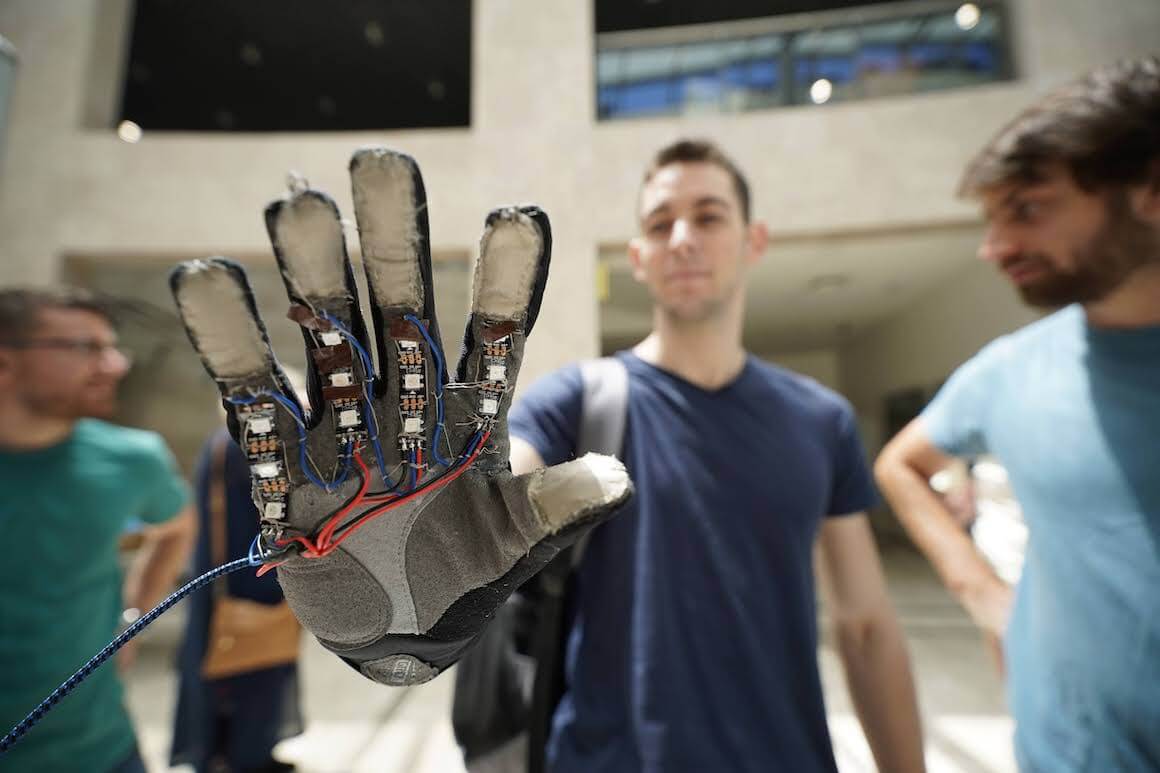
Graduating students from the Technion’s Henry and Marilyn Taub Faculty of Computer Science showcased their work at a fair featuring the keystone projects. The exhibits included innovative mobile apps and digital devices that ran the gamut from improving health to coordinating travel and advancing Israel’s windsurfing team. One group made rehabilitation fun for people suffering from an injury or neurological event affecting the fingers. Nadav Heller, Eran Cohen, and Gilad El-Dor constructed a glove with electronic fingertips, turning the monotonous exercise of touching the tip of each finger with the thumb over and over again into a Guitar Hero-like game….
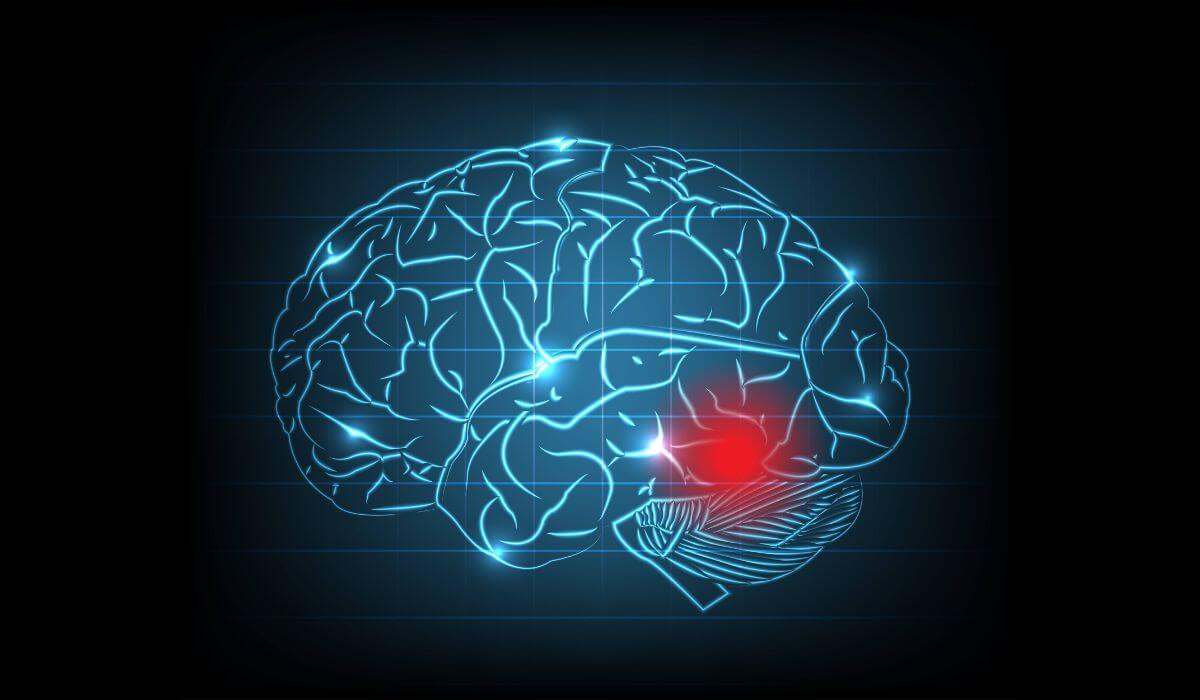
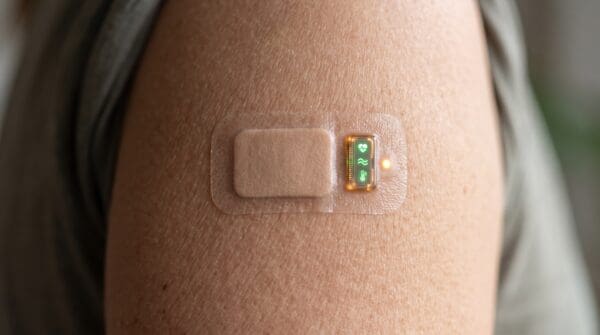
An Israeli startup has developed a wearable device that can predict the likelihood of an imminent stroke through changes in the carotid artery’s blood flow, potentially helping early intervention and preventing disablity. Strokes are most commonly caused by a clot blocking the essential supply of blood to the brain, and according to the World Health Organization are the second leading cause of death and the leading cause of disability across the globe. Over 100 million people have experienced a stroke worldwide, with one in four adults experiencing one in their lifetime. And for 50 percent of them, that means some form of…

The Israel-U.S. Binational Industrial Research and Development (BIRD) Foundation has announced that it has approved $8 million in funding for nine new projects between U.S. and Israeli companies. Alongside grants from BIRD, the projects will access private-sector funding and boost the total investment in all projects to $23 million. As well as conditional grants of up to $1.5 million, the BIRD Foundation assists by working with companies to identify potential strategic partners and facilitate introductions. The submitted projects are reviewed by evaluators appointed by the National Institute of Standards and Technology (NIST) of the U.S. Department of Commerce and the…
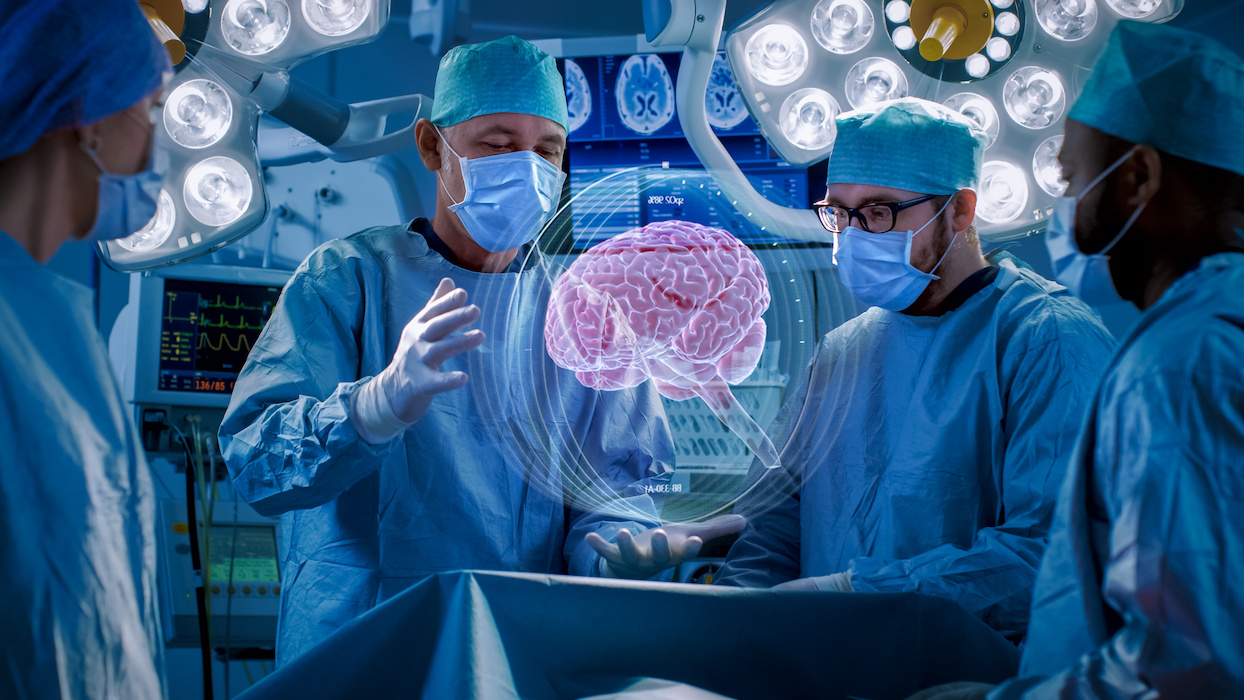
A tiny robot developed in Israel is no bigger than a pen, yet it has all the tools a brain surgeon needs to operate on a patient. Tamar Robotics has developed the world’s smallest and most accurate robotic system for minimally invasive brain surgery, with a diameter of just 10mm (0.4in). It’s equipped with a camera, two steerable and bendable robotic arms that can hold classic surgical tools, and an extendable scaffolding that makes it easier to see and maneuver the tools within the target workspace. The company is based near Haifa and was founded by Prof. Moshe Shoham, who…
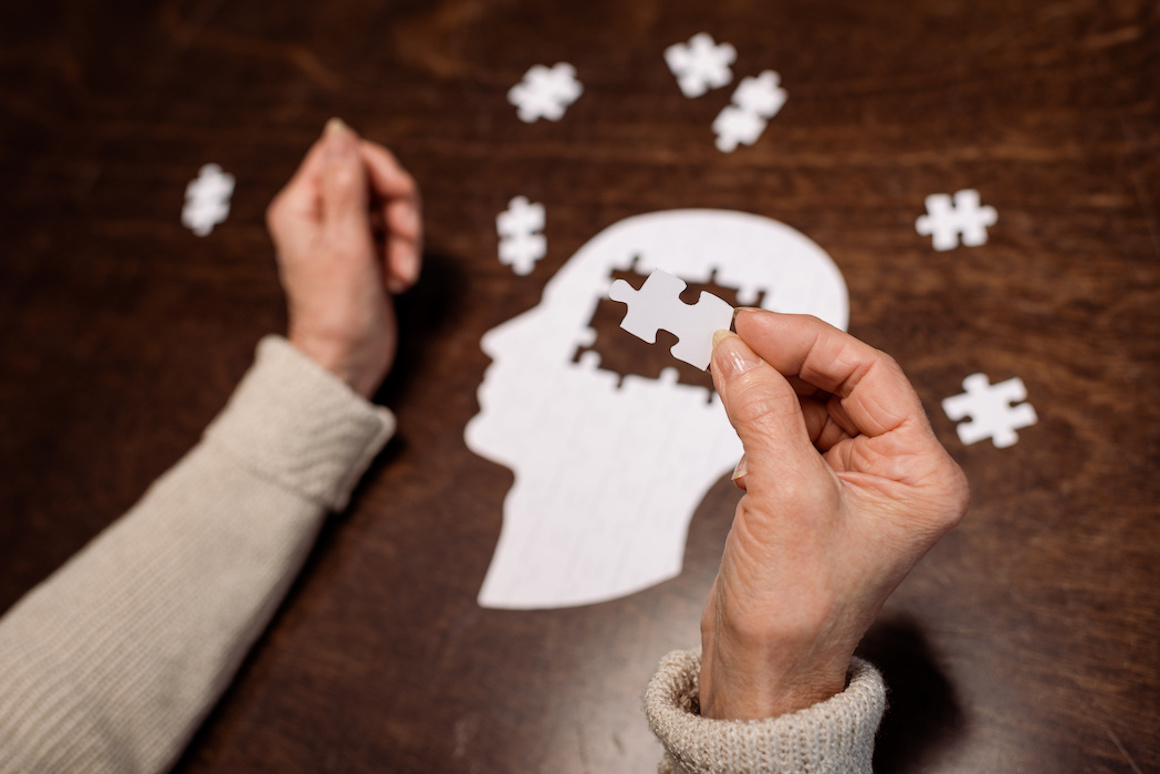
How agile are your fingers? Finger dexterity is a highly developed human skill that is vital for a huge range of activities including eating with a knife and fork, tying shoelaces, typing and playing musical instruments. This ability is based not only on the unique anatomy of the human hand, but also on complex brain capabilities. The brain controls finger dexterity via intricate mechanisms that have long challenged scientists in various fields. Now, a study conducted at the Technion-Israel Institute of Technology in Haifa sheds light on this subject and, according to the researchers, is likely to lead to the…

In the hopes of aiding traumatic brain injury (TBI) sufferers with regaining their fine motor skills, Technion researchers conducted a study to shed light on how the brain controls finger dexterity through intricate mechanisms. They believe their findings could lead to the development of innovative rehabilitation strategies that are adaptable to individual patients’ needs. Led by Professor Firas Mawase and graduate student Gili Kamara of the Technion Faculty of Biomedical Engineering, the researchers developed a unique ergonomic device that enables in-depth testing of the strength of a patient’s fingertips. The device allowed them to analyze the ability to learn and…
The Technion Human Health Initiative Brings Medical Research and Technology to the Next Level It takes a village of scientists to tackle the increasingly complex health and medical issues of our time. The Technion is assembling a venture to do just that. Learn about the new Technion Human Health Initiative (THHI), a gathering of Technion […]

A total of 2% of children around the world are diagnosed with an autism spectrum disorder. Most struggle with clear communication and verbalization, making it difficult for the child to communicate their needs to others. An AI-powered app created by SocialMind Autism, led in part by Technion alumna and company CTO Dana Porrat, may hold the solution to this problem. The app gives parents and caregivers practical guidance on moments of attempted verbalization they may have otherwise overlooked, mainly targeting children under five as those years are the most critical in building language skills. SocialMind Autism gives personalized feedback within…