Why the Perfect Pitch is Your Biggest Mistake
September 23, 2026





























The Technion’s story has been intertwined with Israel’s for more than a century, from laying the foundations for a new nation to shaping its future.

Step inside Israeli innovation at the David and Janet Polak Visitors Center. Experience our 360° immersive movie and tech exhibition. Open to individuals and groups.
Learn More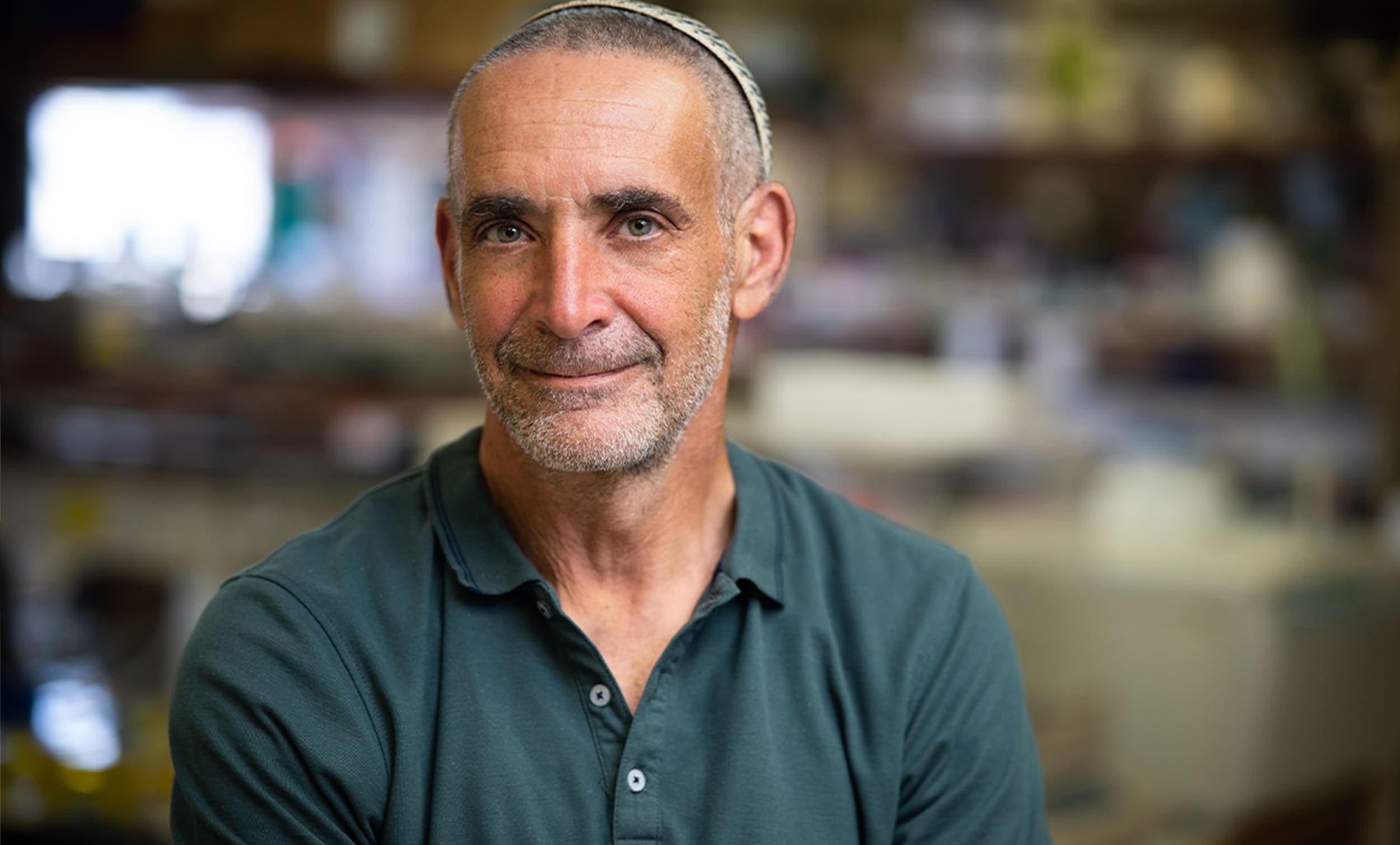
More than 30 million people in the U.S. are living with diabetes, a disease for which there is no cure. The most common treatment focuses on intensive therapy to reduce blood sugar levels, but in some diabetics this approach can actually be harmful and significantly increase mortality rates.
Now, a team of researchers led at the Technion by Professor Andrew P. Levy, MD, of the Rappaport Faculty of Medicine, has developed and patented a method for predicting the safety and effectiveness of diabetes treatment for specific patients. The discovery will help physicians determine which methods to use and which to avoid, creating personalized treatment.
Diabetes is a metabolic condition characterized by high concentrations of glucose, or simple sugars, in the patients’ bloodstream. In healthy people, the pancreas produces the hormone insulin to help cells convert glucose into energy to power the body. The process is disrupted in diabetics, either because their body does not produce enough insulin or because their cells are insulin-resistant. The result is hyperglycemia, an excessive accumulation of glucose in the blood.
“Hyperglycemia harms numerous bodily functions, including vision and kidney function,” said Prof. Levy. “However, when it impairs cardiovascular activity, the results can be catastrophic. Most deaths of diabetic patients are caused by heart disease.”
Prof. Levy has spent more than 20 years searching for a simple blood test to identify diabetic patients at high risk of heart attacks. His earlier research showed that patients with the specific 2-2 haptoglobin protein type are nearly five times more likely to suffer heart attacks than patients without. Building on that data, he examined a landmark study demonstrating the link between lowering blood sugar and increased mortality rates, to correlate their results with haptoglobin patients.
His new study, in the Journal of the American College of Cardiology, revealed that intensive reduction in blood sugar levels among diabetics with type 2-2- haptoglobin reduced heart attacks by approximately 30%, but mortality rates remained the same. Among diabetics with other types of haptoglobin protein, the intensive treatment did not affect the rate of heart attacks and increased mortality rates by a stunning 40%.
Looking forward, Prof. Levy and his team, which includes researchers from the Harvard T.H. Chan School of Public Health and Canada’s Dalhousie University, anticipate that checking haptoglobin could allow doctors to predict the success of aggressive treatment and save countless lives.