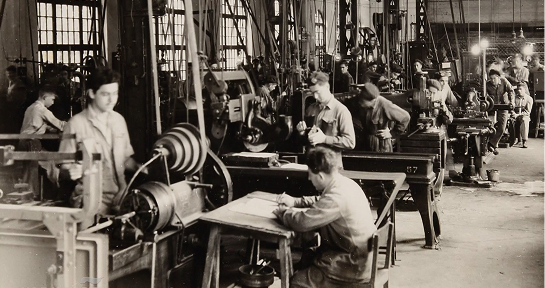
The Technion’s story has been intertwined with Israel’s for more than a century, from laying the foundations for a new nation to shaping its future.
From medicine to security, explore how the Technion is advancing Israel and improving lives around the world.
View All Impact Areas
Explore stories, news, insights, and data across articles, videos, and podcasts.
view all content types
of the student body are women
of the student body are Arab Israeli
students
The Technion’s story has been intertwined with Israel’s for more than a century, from laying the foundations for a new nation to shaping its future.
Explore ATS, the Technion, and the people behind the breakthroughs redefining what's possible for Israel and the world.
Learn More About ATSATS is a community of supporters, innovators, and champions of possibility united by one mission: transforming Israel and the world through science and discovery.
Learn MoreFor more than 100 years, the Technion has been Israel's technological engine and leading driver of innovation, technology, and entrepreneurship, transforming ideas into impact.
Learn More
Step inside Israeli innovation at the David and Janet Polak Visitors Center. Experience our 360° immersive movie and tech exhibition. Open to individuals and groups.
Learn MoreFrom medicine to security, explore how the Technion is advancing Israel and improving lives around the world.
View All Impact AreasExplore stories, news, insights, and data across articles, videos, and podcasts.
view all content typesDiscover ways to support, connect, and help drive innovation.
Get InvolvedExplore ATS, the Technion, and the people behind the breakthroughs redefining what's possible for Israel and the world.
Learn More About ATS
We must move to survive. Yet each movement we make — from acquiring food, to eating, to caring for our children, to protecting ourselves — requires our brain to make hundreds of adjustments and adaptations based on past experiences and the present environment.
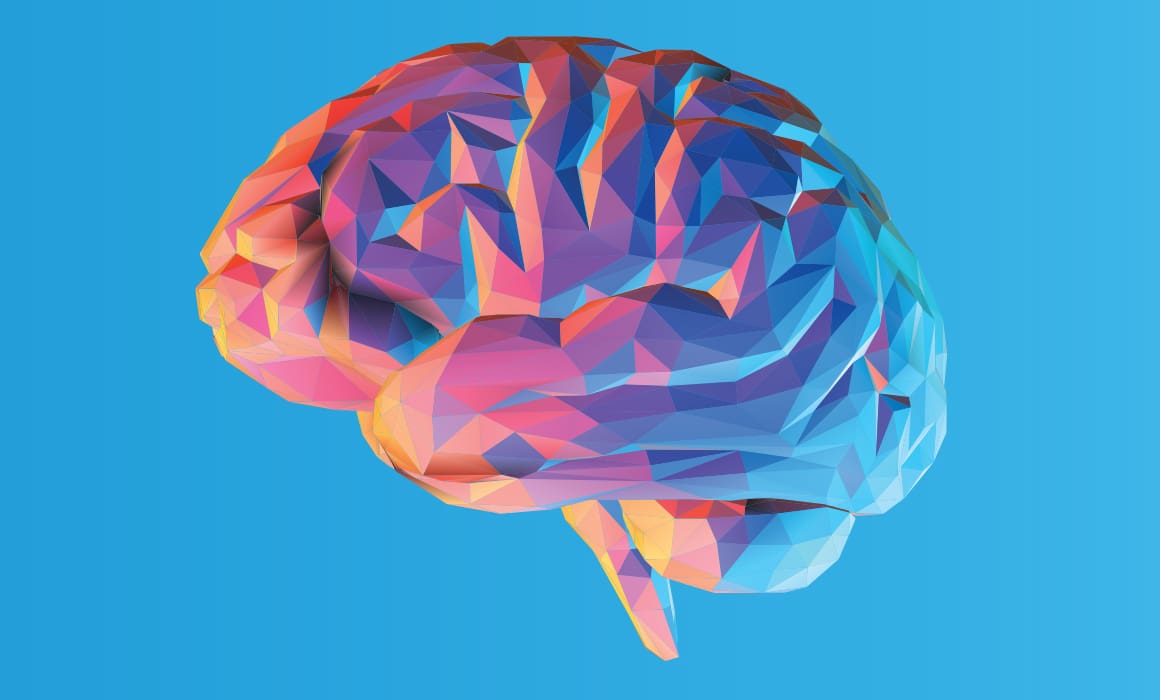
Little is known about how neurons in the motor cortex — the part of the brain that directs skilled movement — process and apply past experience to coordinate skilled movement. But new research from the Technion has given medicine insight into what happens in the primary motor cortex (M1) when learning skilled movement, which may lead to the development of new treatments for brain diseases.
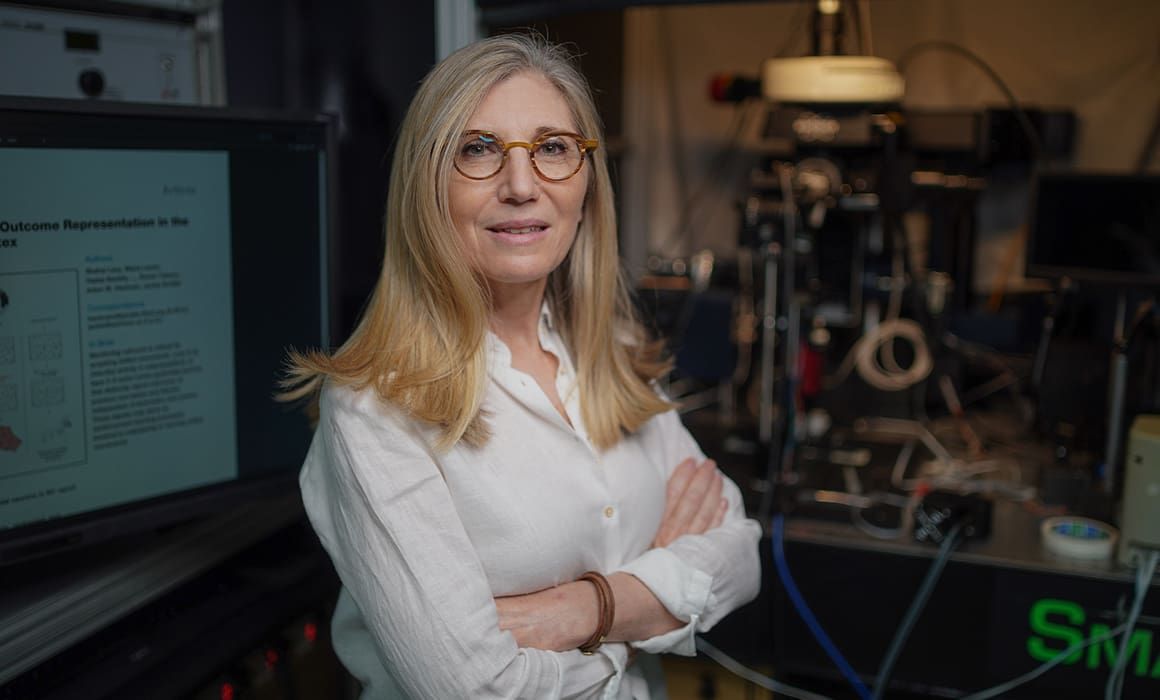
The research, led by Professors Jackie Schiller and Omri Barak of the Technion Rappaport Faculty of Medicine and lead students Shahar Levy and Maria Lavzin, together with Professors Ronen Talmon and Ron Meir and postdoc Hadas Benisty from the Andrew and Erna Viterbi Faculty of Electrical Engineering at the Technion, employed biological and computational methods that included imaging, genetic, behavioral, and advanced computational tools.
After observing the M1 of mice reaching and grasping for food, the team discovered two different neuron populations report successful or failed behavior attempts back to the brain. This indicates the brain takes a global assessment of motor performance, rather than looking for a specific parameter or reward to assess performance. Researchers also discovered that neurons “remember” the outcome (in this case, whether the mouse successfully received food) for the next trial.
According to Prof. Schiller, the brain’s use of performance outcomes may be a key reason why the M1 is essential for skilled, dexterous behaviors. The researchers also observed that outcome evaluation is carried out by different neurons than movement generation. They suspect this separation may be beneficial in some yet-unknown way.
The new research could be a key to improving movement in patients, such as those suffering from Parkinson’s disease.
October 02, 2020
Explore how rewiring motion in the motor cortex can aid in learning skilled movements and healing brain diseases.
1 min
X (opens in a new tab) / Facebook (opens in a new tab) / LinkedIn (opens in a new tab) / Email / Copy Link
Faculty /
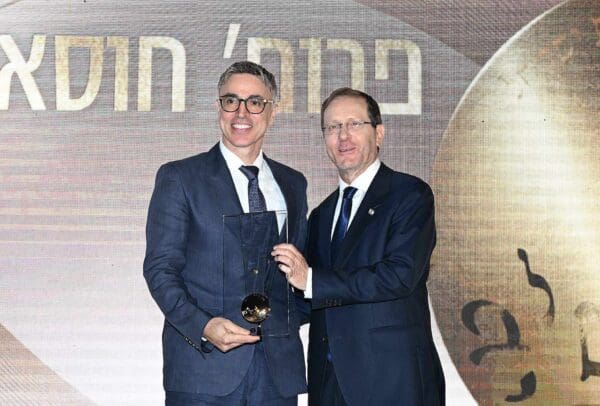
What if diagnosing cancer, Parkinson’s disease, or other serious illnesses could be as simple as breathing into a handheld device? That possibility is moving closer to reality thanks to the work of the Technion’s Prof. Hossam Haick, whose groundbreaking research is changing how diseases are detected around the world. In recognition of his extraordinary achievements, […]
Every year, the European Research Council (ERC) identifies some of the world’s most promising early-career researchers and gives them the freedom to pursue bold ideas. This year, two of those ideas came from the Technion – Israel Institute of Technology. From cancer research to artificial intelligence (AI), breakthroughs that shape the future often begin with […]
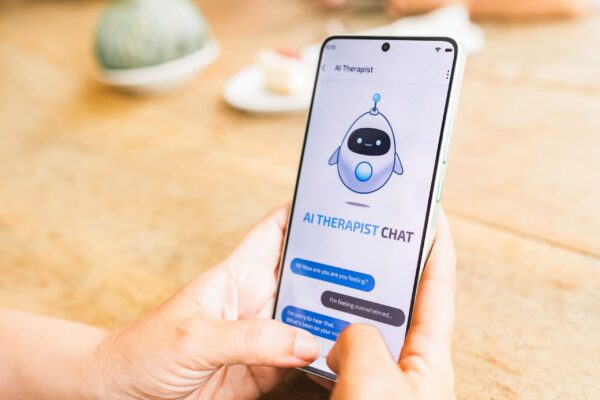
As more people turn to AI chatbots for companionship, life advice, or even as a stand-in for therapy, experts say the technology offers both new opportunities and risks when it comes to mental health. Prof. Tanzeem Choudhury is the chief of health innovation in the Joan & Irwin Jacobs Technion-Cornell Institute and has been studying AI and mental health for 15 years. She said AI tools are available any time, often at low cost, making it easier for people to access some form of mental health support.
Stay on top of the latest breaking scientific discoveries from Israel and the Technion. Subscribe to the ATS newsletter.