The Technion’s story has been intertwined with Israel’s for more than a century, from laying the foundations for a new nation to shaping its future.

From medicine to security, explore how the Technion is advancing Israel and improving lives around the world.
View All Impact Areas
Explore stories, news, insights, and data across articles, videos, and podcasts.
view all content types
companies founded by graduates and faculty in the last 10 years
in Europe and #21 in the world for aerospace engineering*
in Israel and Europe for research on artificial intelligence
The Technion’s story has been intertwined with Israel’s for more than a century, from laying the foundations for a new nation to shaping its future.
Explore ATS, the Technion, and the people behind the breakthroughs redefining what's possible for Israel and the world.
Learn More About ATSATS is a community of supporters, innovators, and champions of possibility united by one mission: transforming Israel and the world through science and discovery.
Learn MoreFor more than 100 years, the Technion has been Israel's technological engine and leading driver of innovation, technology, and entrepreneurship, transforming ideas into impact.
Learn More
Step inside Israeli innovation at the David and Janet Polak Visitors Center. Experience our 360° immersive movie and tech exhibition. Open to individuals and groups.
Learn MoreFrom medicine to security, explore how the Technion is advancing Israel and improving lives around the world.

View All Impact AreasExplore stories, news, insights, and data across articles, videos, and podcasts.
view all content typesDiscover ways to support, connect, and help drive innovation.
Get InvolvedExplore ATS, the Technion, and the people behind the breakthroughs redefining what's possible for Israel and the world.
Learn More About ATS
Like quality controls built into an assembly line, the body has a vital protein control mechanism that maintains homeostasis. Because proteins play many critical roles in the body, doing most of the work in our cells, this system, called proteostasis, continually tests the quality of the proteins, fixing or sweeping away damaged ones.
Technion researchers have demonstrated, for the first time, how this quality control system breaks down with aging, leading to neurodegenerative diseases of the elderly such as Alzheimer’s and Parkinson’s, as well as Huntington’s and ALS.
When the body is functioning correctly, proteins undergo a physical process called folding, where they acquire a specific three-dimensional structure that allows them to interact normally with other cell components. Defects in the folding process cause these damaged proteins to become “sticky” and accumulate in cells. This unchecked accumulation has been linked to neurodegenerative diseases.
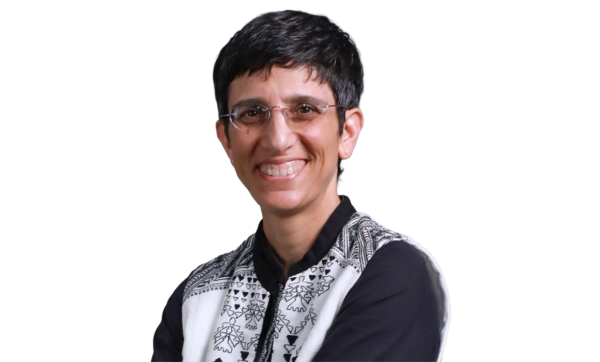
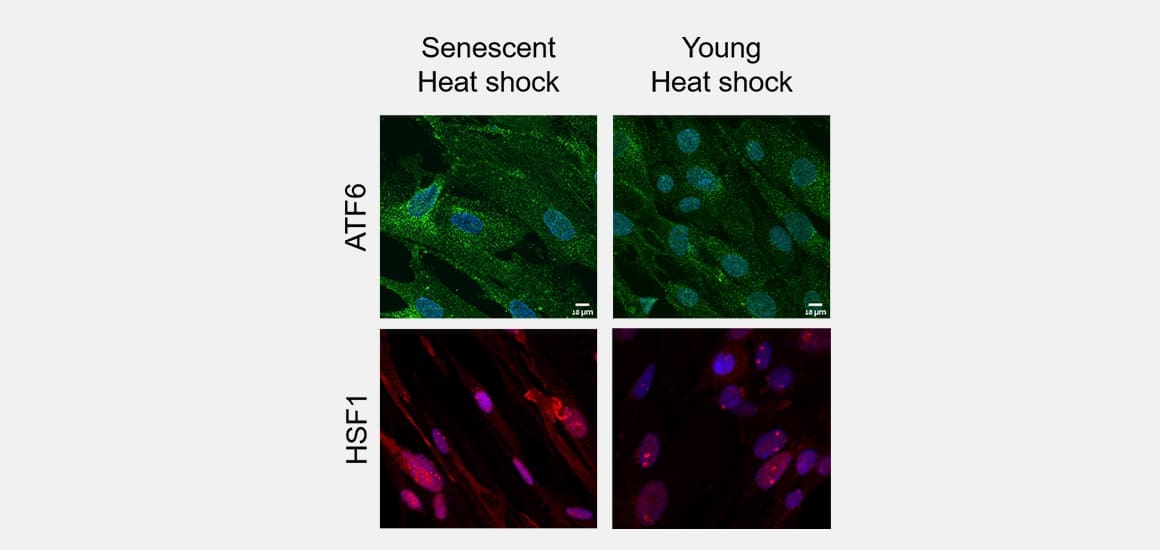
In a study published in the Proceedings of the National Academy of Sciences, Technion Professor Reut Shalgi and her team in the Rappaport Faculty of Medicine subjected both young and aged proteins to heat to observe how they behave under stress. They found that unlike young cells, the aging cells were unable to trigger two particular responses needed to overcome the stress. Even given time, the aging cells could not recover from the heat shock.
The findings shed light on the forces behind aging, which hold potential for developing treatments to slow the progression of neurodegenerative diseases.
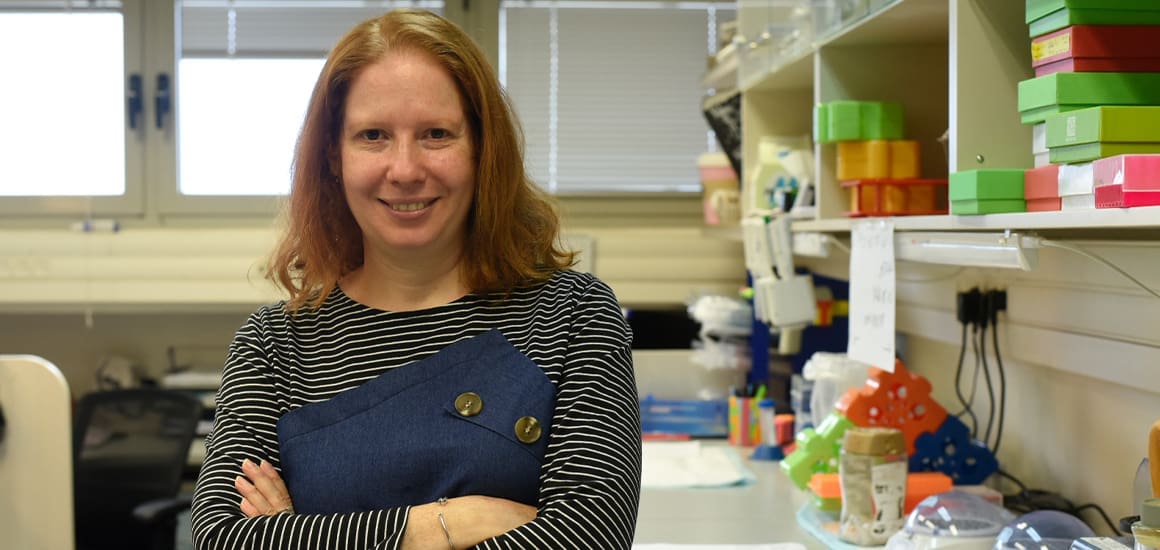
Prof. Shalgi joined the Technion in 2014, where she investigates questions related to protein homeostasis regulation in stress and neurodegeneration. She is a member of the Prince Center for Neurodegenerative Disorders of the Brain.
December 23, 2020
Understand the relationship between aging cells and proteostasis. Learn how aging leads to protein defects in neurodegenerative diseases.
1 min
X (opens in a new tab) / Facebook (opens in a new tab) / LinkedIn (opens in a new tab) / Email / Copy Link
What if diagnosing cancer, Parkinson’s disease, or other serious illnesses could be as simple as breathing into a handheld device? That possibility is moving closer to reality thanks to the work of the Technion’s Prof. Hossam Haick, whose groundbreaking research is changing how diseases are detected around the world. In recognition of his extraordinary achievements, […]
Every year, the European Research Council (ERC) identifies some of the world’s most promising early-career researchers and gives them the freedom to pursue bold ideas. This year, two of those ideas came from the Technion – Israel Institute of Technology. From cancer research to artificial intelligence (AI), breakthroughs that shape the future often begin with […]
As more people turn to AI chatbots for companionship, life advice, or even as a stand-in for therapy, experts say the technology offers both new opportunities and risks when it comes to mental health. Prof. Tanzeem Choudhury is the chief of health innovation in the Joan & Irwin Jacobs Technion-Cornell Institute and has been studying AI and mental health for 15 years. She said AI tools are available any time, often at low cost, making it easier for people to access some form of mental health support.
Stay on top of the latest breaking scientific discoveries from Israel and the Technion. Subscribe to the ATS newsletter.