Why the Perfect Pitch is Your Biggest Mistake
September 23, 2026






















The Technion’s story has been intertwined with Israel’s for more than a century, from laying the foundations for a new nation to shaping its future.

Step inside Israeli innovation at the David and Janet Polak Visitors Center. Experience our 360° immersive movie and tech exhibition. Open to individuals and groups.
Learn More
As one of the few engineering institutes worldwide with its own medical school, the Technion has transformed our knowledge of human health. Its scientists have made great strides in cancer research, personalized medicine, targeted drug delivery, and COVID-19 testing. Here are just two recent medical breakthroughs.
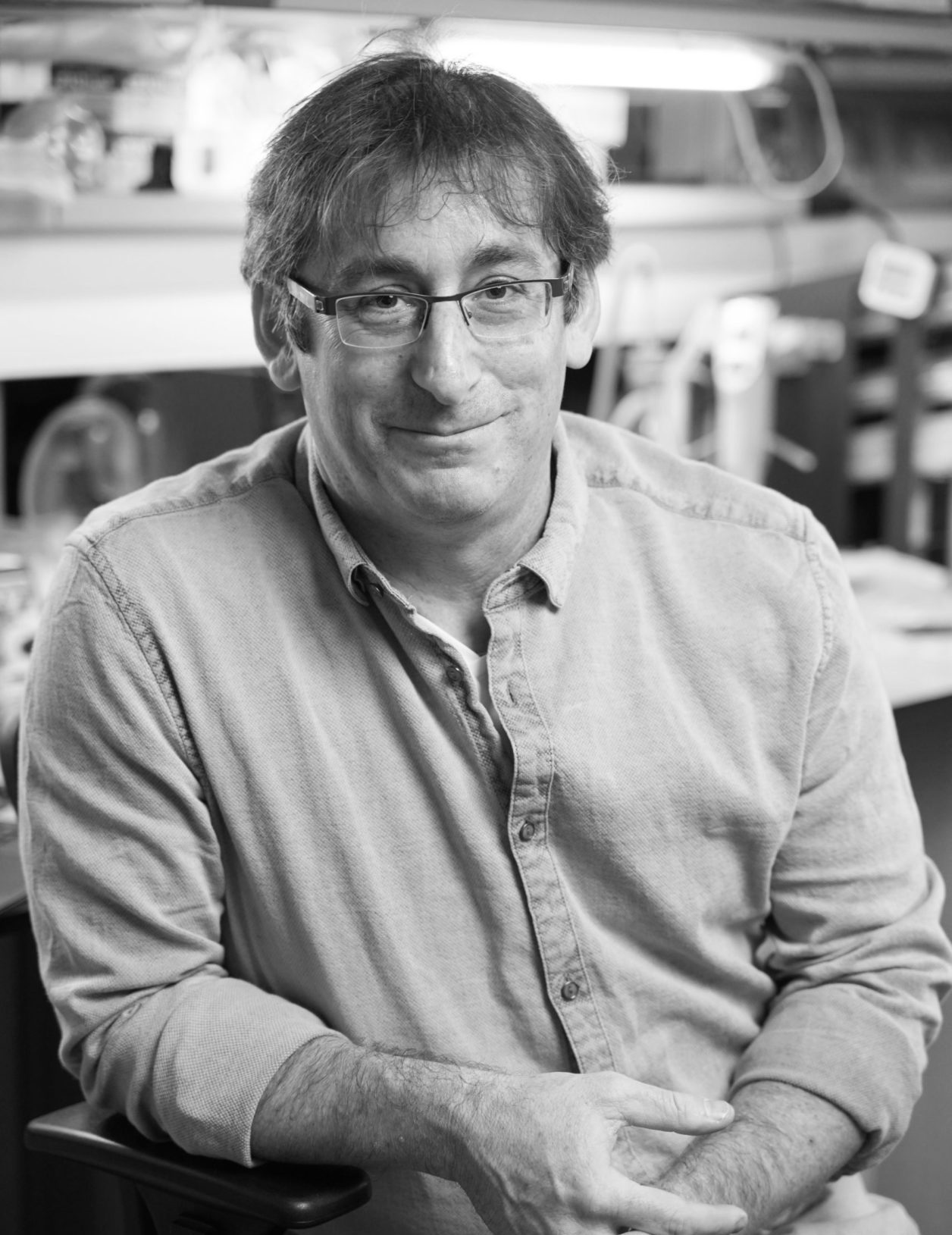
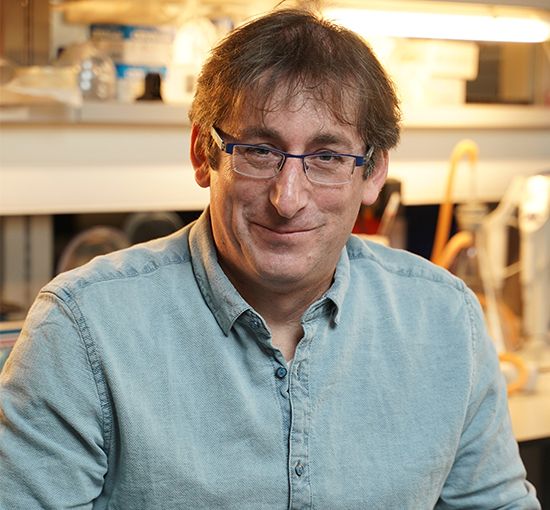
Professor Shai Shen-Orr is helping Pfizer fast-track drugs to the marketplace. The pharmaceutical giant, which won accolades for developing one of the most widely used COVID-19 vaccines in record time, turned to Prof. Shen-Orr’s startup, CytoReason, to help determine which medical conditions and patients would benefit from a specific drug.
Pfizer had developed a compound that seemed to effectively treat autoimmune diseases, but it covered a wide range of conditions, from lupus to inflammatory bowel disease. Using CytoReason’s machine-learning platform, Pfizer narrowed down the drug’s possible uses, determining that it would work best in treating ulcerative colitis. In addition, CytoReason technology, which combines AI with reams of data to develop digital models of the human immune system and diseases, allowed Pfizer to bypass animal testing. This move saved about 18 months of drug development and related costs.
“The results we found in partnership with CytoReason supported Pfizer’s decision to begin the clinical development of this drug,” said Mike Vincent, chief scientific officer of Pfizer’s Inflammation and Immunology Research Unit.
Technion researchers are inching closer to creating implantable bone tissue in the lab — a game-changer for reconstructive surgery. Until now, surgeons performing reconstructive surgery have had to transplant a patient’s healthy tissue from one part of the body to the damaged site. In rebuilding the jaw of a car accident victim, for example, surgeons might use part of the patient’s fibula bone and surrounding soft tissue for the implantation. But this approach is painful and can cause complications.
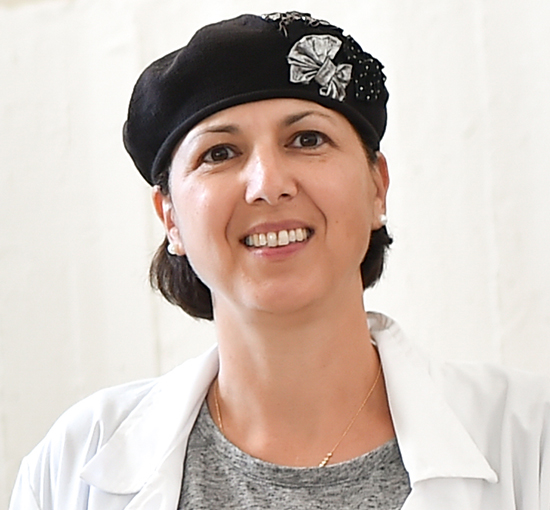
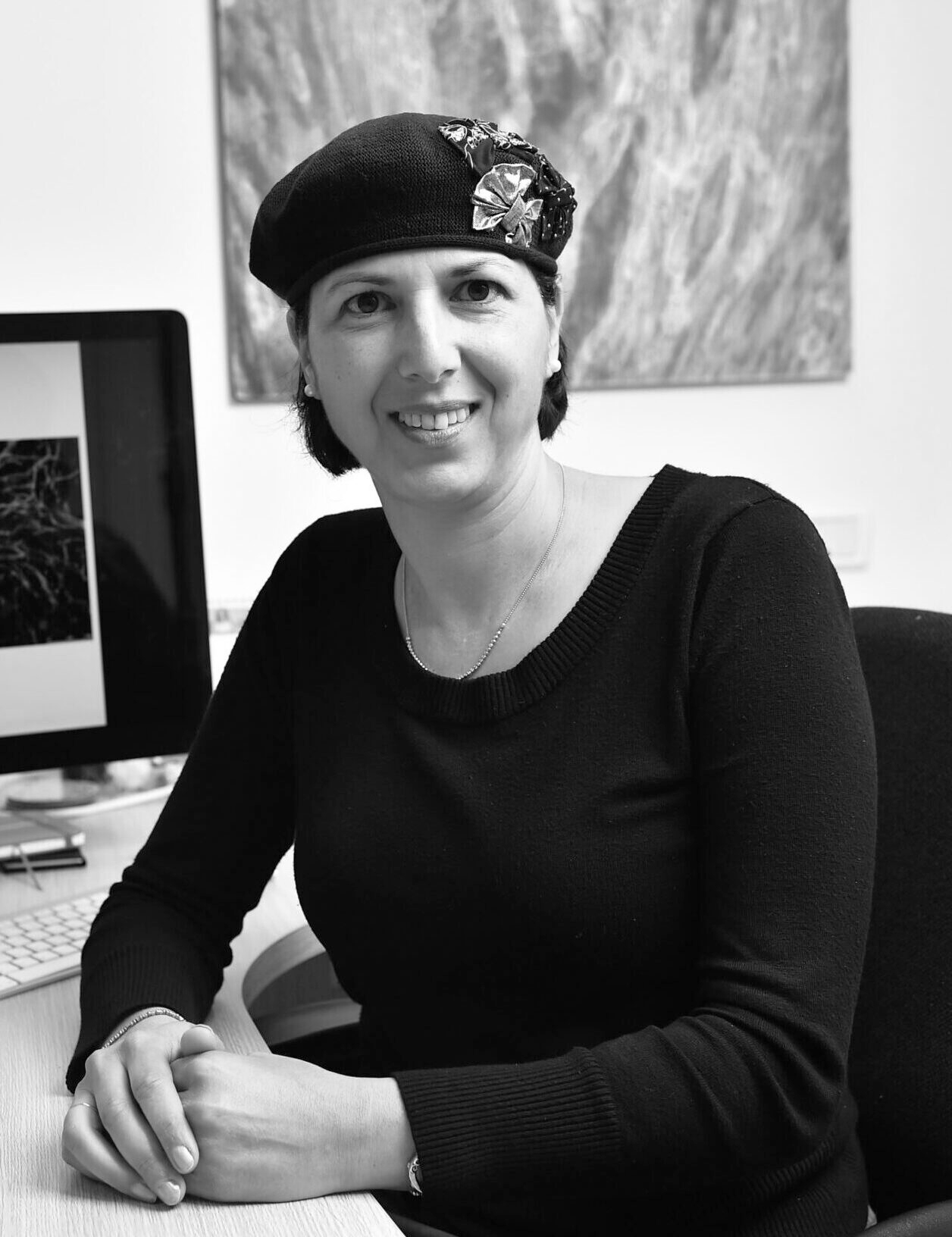
Seeking an alternative, Dr. Idan Redenski and a team of researchers in Professor Shulamit Levenberg’s Stem Cell and Tissue Engineering Laboratory are developing a de novo, or “from the new,” lab-grown tissue flap from scratch. They tested their methodology to repair a bone defect in a rat. The rat recovered completely, and its cells grew around and replenished the implant.
Returning to the idea of a jaw implant, the scientists hope that in the near future, patients will be able to receive lab-grown bone, matched perfectly to the shape of their face, supported by artificial soft tissue cultivated on three-dimensional biomaterials.
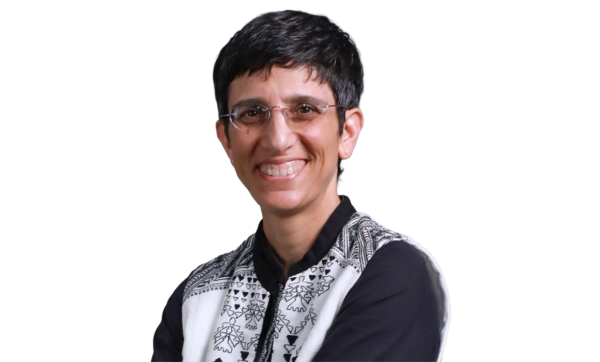
Pictured Top / Prof. Shai Shen-Orr (l) and Prof. Shulamit Levenberg (r)