The Technion’s story has been intertwined with Israel’s for more than a century, from laying the foundations for a new nation to shaping its future.

From medicine to security, explore how the Technion is advancing Israel and improving lives around the world.
View All Impact Areas
Explore stories, news, insights, and data across articles, videos, and podcasts.
view all content types
in Europe and #21 in the world for aerospace engineering*
students
of the student body are Arab Israeli
The Technion’s story has been intertwined with Israel’s for more than a century, from laying the foundations for a new nation to shaping its future.
Explore ATS, the Technion, and the people behind the breakthroughs redefining what's possible for Israel and the world.
Learn More About ATSATS is a community of supporters, innovators, and champions of possibility united by one mission: transforming Israel and the world through science and discovery.
Learn MoreFor more than 100 years, the Technion has been Israel's technological engine and leading driver of innovation, technology, and entrepreneurship, transforming ideas into impact.
Learn More
Step inside Israeli innovation at the David and Janet Polak Visitors Center. Experience our 360° immersive movie and tech exhibition. Open to individuals and groups.
Learn MoreFrom medicine to security, explore how the Technion is advancing Israel and improving lives around the world.
View All Impact AreasExplore stories, news, insights, and data across articles, videos, and podcasts.
view all content typesDiscover ways to support, connect, and help drive innovation.
Get InvolvedExplore ATS, the Technion, and the people behind the breakthroughs redefining what's possible for Israel and the world.
Learn More About ATS
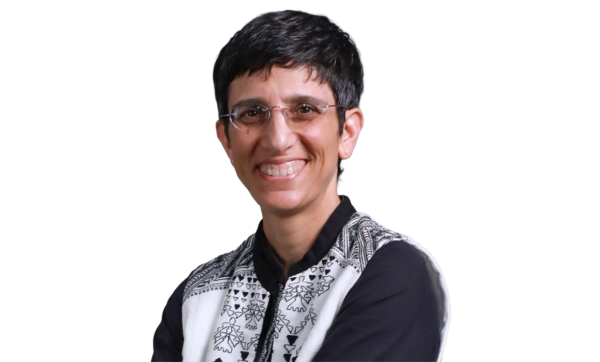
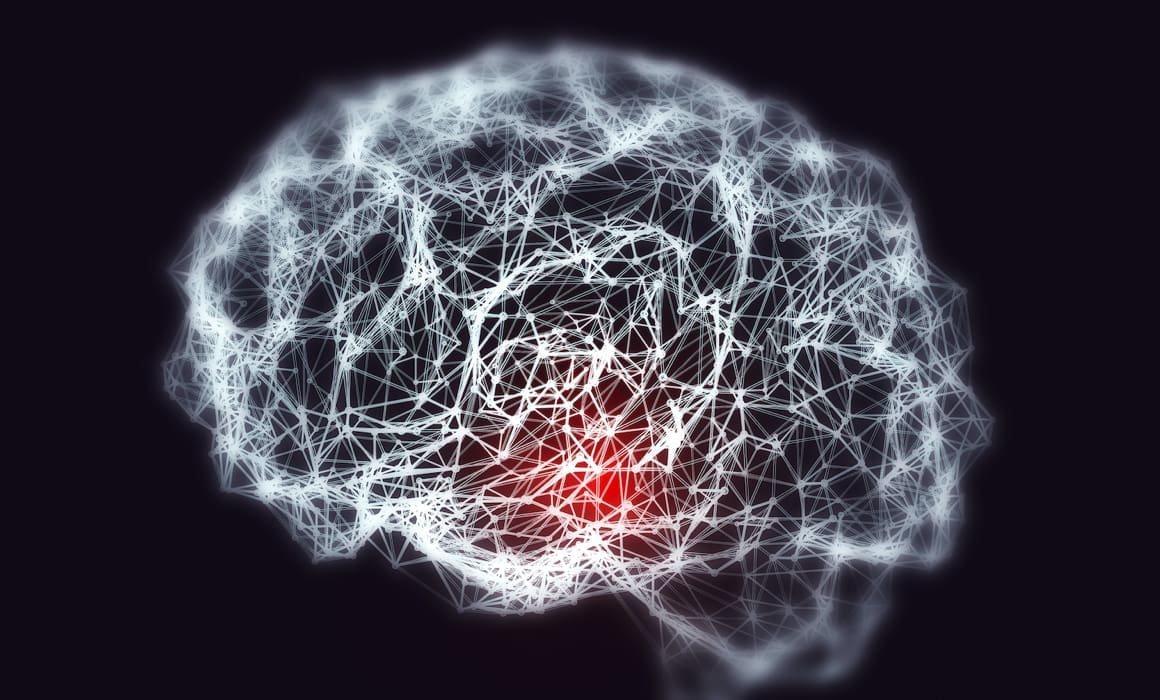
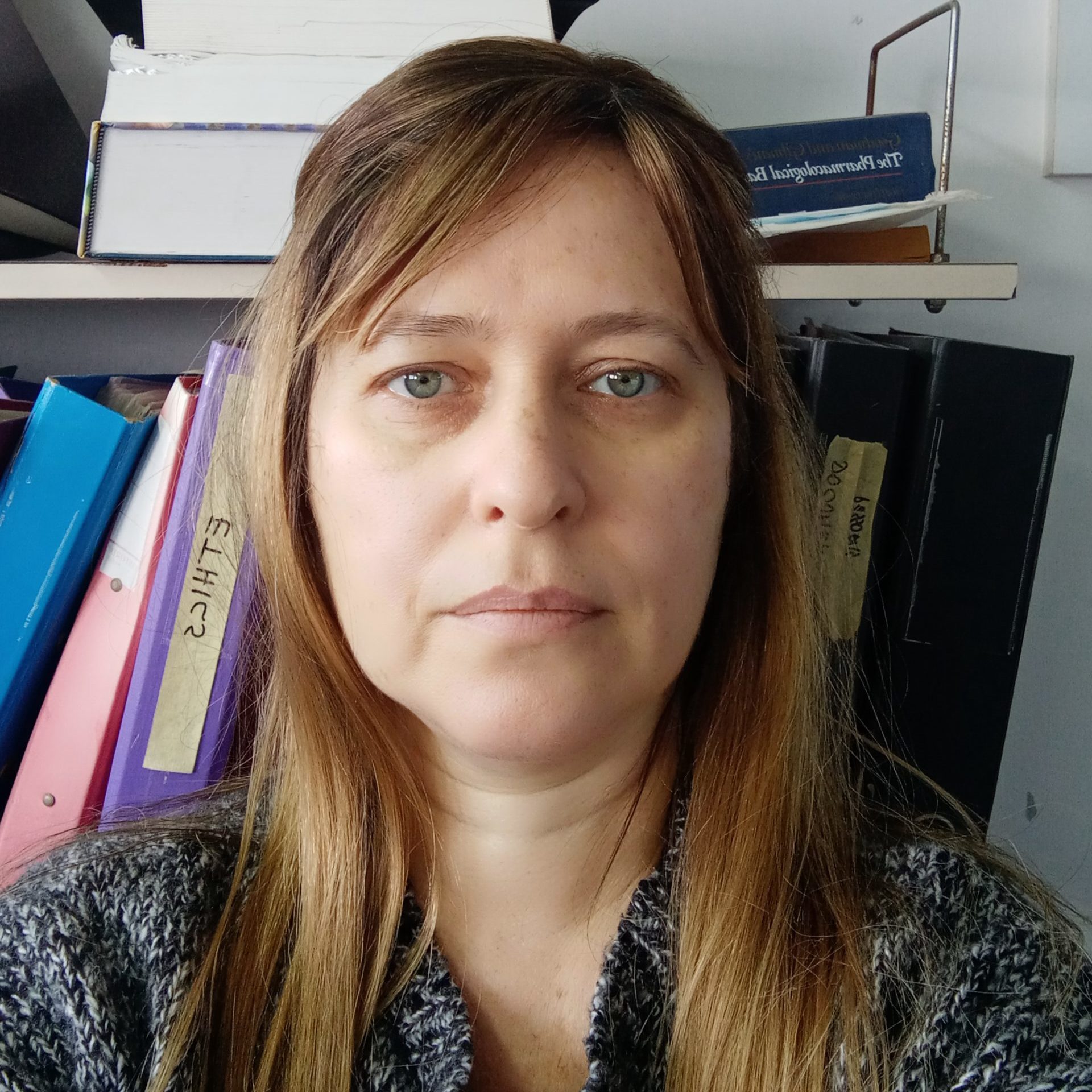
In her lab in the Allen and Jewel Prince Center for Neurodegenerative Disorders of the Brain, Technion Associate Professor Simone Engelender is focusing on the molecular mechanisms driving neurodegeneration, particularly in Parkinson’s disease. Although palliative treatments do exist, there is currently no cure for this disease, whose symptoms can range from rigidity to tremors to dementia. Parkinson’s disease triggers the degeneration of a specific brain region called the substantia nigra, where an abnormal protein known as alpha-synuclein accumulates. Prof. Engelender and her team are studying how this accumulation occurs on the molecular level and the problems to which it can lead. If the mechanisms of alpha-synuclein accumulation can be successfully charted, this could provide a promising clue for interfering with protein accumulation, and consequently the prevention of brain cell damage. More significantly, understanding alpha-synuclein aggregation could help in the treatment or prevention of Parkinson’s and perhaps Alzheimer’s disease as well.
Based on her analysis of Parkinson’s patient data, Prof. Engelender proposed a novel idea – called the “threshold” theory – that was published in the journal Trends in Neuroscience along with her colleague Professor Ole Isacson of Harvard Medical School. This theory suggests that Parkinson’s disease is caused by the simultaneous widespread death of nerve cells, both in the brain as well as in the peripheral nervous system. This theory challenges the prevalent hypothesis claiming that Parkinson’s disease develops in the periphery and then migrates to the brain. Separately, in collaboration with Professor Herman Wolosker, she has developed a strain of mouse that has been genetically modified to enhance the study of the role of a specific gene in Parkinson’s disease. Assoc. Prof. Engelender and Prof. Wolosker have also made plans to generate structures called “mini-brains” from the stem cells of Parkinson’s patients – a potentially groundbreaking model for studying the effect of the disease on neuron development.
April 08, 2021
Delve into the mechanisms of Parkinson's disease and how researchers are working to prevent brain cell damage caused by this condition.
1 min
X (opens in a new tab) / Facebook (opens in a new tab) / LinkedIn (opens in a new tab) / Email / Copy Link
What if diagnosing cancer, Parkinson’s disease, or other serious illnesses could be as simple as breathing into a handheld device? That possibility is moving closer to reality thanks to the work of the Technion’s Prof. Hossam Haick, whose groundbreaking research is changing how diseases are detected around the world. In recognition of his extraordinary achievements, […]
Every year, the European Research Council (ERC) identifies some of the world’s most promising early-career researchers and gives them the freedom to pursue bold ideas. This year, two of those ideas came from the Technion – Israel Institute of Technology. From cancer research to artificial intelligence (AI), breakthroughs that shape the future often begin with […]
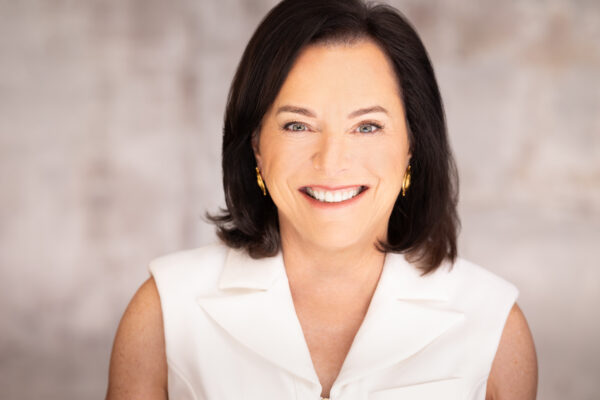
As more people turn to AI chatbots for companionship, life advice, or even as a stand-in for therapy, experts say the technology offers both new opportunities and risks when it comes to mental health. Prof. Tanzeem Choudhury is the chief of health innovation in the Joan & Irwin Jacobs Technion-Cornell Institute and has been studying AI and mental health for 15 years. She said AI tools are available any time, often at low cost, making it easier for people to access some form of mental health support.
Stay on top of the latest breaking scientific discoveries from Israel and the Technion. Subscribe to the ATS newsletter.