Why the Perfect Pitch is Your Biggest Mistake
September 23, 2026



























The Technion’s story has been intertwined with Israel’s for more than a century, from laying the foundations for a new nation to shaping its future.

Step inside Israeli innovation at the David and Janet Polak Visitors Center. Experience our 360° immersive movie and tech exhibition. Open to individuals and groups.
Learn More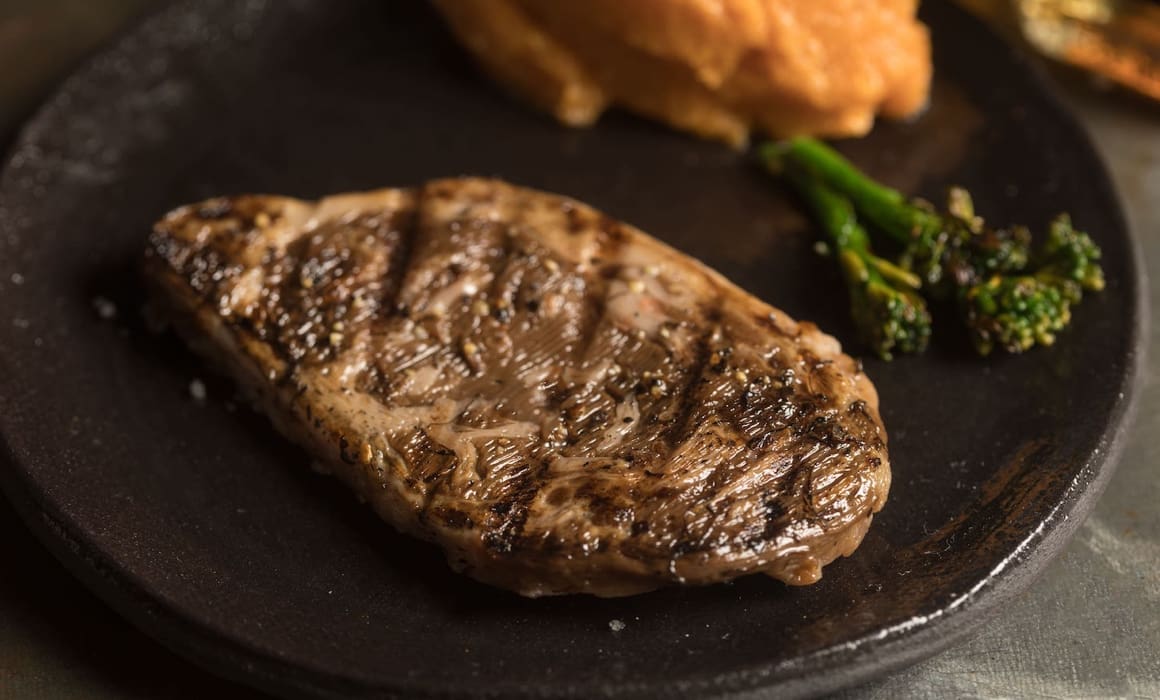
Hailed by The Washington Post as a “leap forward for lab-grown meat,” the Technion and food startup Aleph Farms Ltd. have unveiled the first-ever 3D printed ribeye steak, developed from the technology of Professor Shulamit Levenberg. After two years of advancements, the product tastes like “a delicious tender, juicy ribeye steak you’d buy from the butcher,” said company officials, but without harm to animals and the environment.
The Post said Aleph Farms (opens in a new tab) would bring premium cuts to the market, “broadening the scope of alt-meat” once the product receives regulatory approval. The newspaper also noted that alternative protein products have soared in popularity during the coronavirus pandemic.
Aleph Farms’ process starts by cultivating swabs from cows in incubators named Alberto and Gertrude, after the donor cows. The cells are grown on a plant-based matrix, and left to differentiate into fat, blood, muscle, and support cells. Aleph’s most recent achievement is the use of those cells to create “ink” for the 3D bioprinting process, resulting in thicker steak with the taste, texture, and marbling of real steak.
“We have broken the barriers to introducing new levels of variety into the cultivated meat cuts we can now produce,” said Prof. Levenberg, dean of the Faculty of Biomedical Engineering, Aleph’s chief scientific advisor, and a renowned expert on tissue engineering. “As we look into the future of 3D bioprinting, the opportunities are endless.” Aleph announced that new bioprinting gives them the ability to produce any type of steak and expand its portfolio of quality meat products.
Lab-engineered steak, often called “clean meat,” is expected to drastically cut global methane gas emitted from cows through their digestion and waste, harness land now used for pasture for food production, and reduce the use of antibiotics in the meat industry while also avoiding animal cruelty. Aleph’s new ribeye does not use serums derived from slaughtered animals or genetic engineering.
Aleph Farms expects it will take two to three years before the technology advances to the point where the meat will be commercially available. However, the thin-cut steak first produced in 2018 without the use of 3D printing, will be available in some restaurants next year, according to Didier Toubia, co-founder and CEO of Aleph Farms.