Why the Perfect Pitch is Your Biggest Mistake
September 23, 2026
















The Technion’s story has been intertwined with Israel’s for more than a century, from laying the foundations for a new nation to shaping its future.
Step inside Israeli innovation at the David and Janet Polak Visitors Center. Experience our 360° immersive movie and tech exhibition. Open to individuals and groups.
Learn More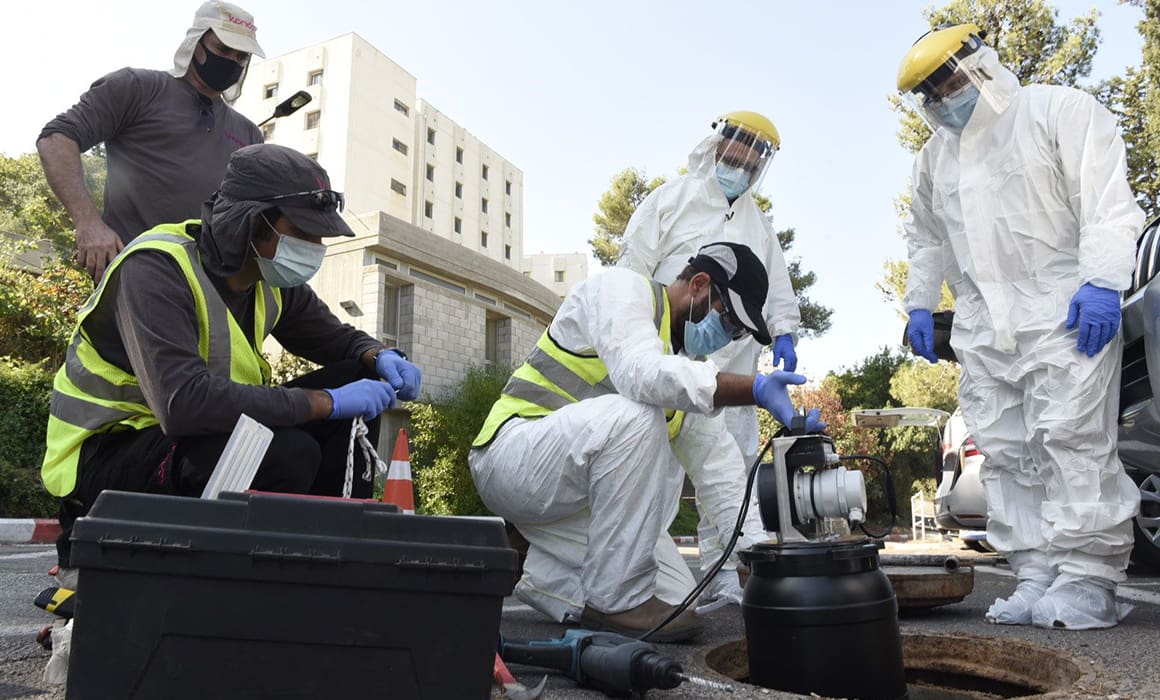
Technion – Israel Institute of Technology researchers have developed a new tool that will make it possible for students, faculty, and staff to safely return to campus. The technology, developed by a research group led by Professor Eran Friedler of the Environmental and Water Engineering Department of the Faculty of Civil and Environmental Engineering, with researchers from the Ministry of Health, Ben Gurion University of the Negev, and the Kando company, monitors SARS-CoV-2 RNA in wastewater. The tool monitors and provides data on outbreaks and their geographic dispersal on campus — information essential for early warning and for blocking the virus’ spread.
Technion management is implementing the new technology as part of the recently launched “Creating an Open and Safe Campus” initiative. The Technion campus will be one of the first places to use this innovative technology, allowing the Technion to deal with coronavirus outbreaks at their earliest stages and block the spread.
Wastewater-based epidemiology that monitors bacteria and viruses already exists in the world. In fact, in 2013, polio viruses were discovered in the sewage in Israel. This led to a vaccination campaign that blocked its spread and prevented an outbreak.
Like the polio virus, COVID-19 is present in human excreta and will naturally find its way to the sewage system through defecation. Dividing the sewage system into small zones allows researchers to monitor the wastewater at specific points and determine the coronavirus concentrations in that area. This way, researchers can focus on areas with high infection rates without testing the population itself, at least until the location of the outbreak is identified.
Prof. Friedler and his team tested this tool last May in Ashkelon, a city of 150,000 residents. The virus was detected in the city’s wastewater and the researchers successfully identified different concentrations of the virus across the city, which indicated different levels of infection in different neighborhoods. Moreover, they succeeded in detecting the outbreak of a second wave in the city before it was discovered through traditional testing methods.
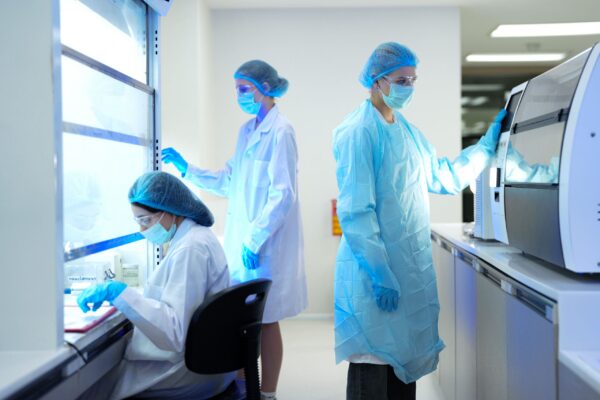
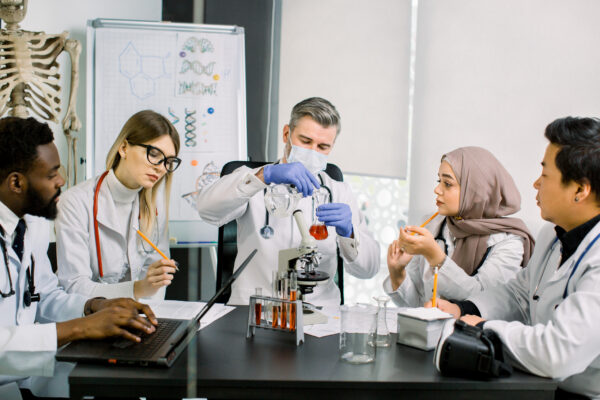
At the Technion, researchers will take samples from 10 manholes via the Kando company’s smart automatic sampling system. The samples will undergo a chemical and microbial-molecular analysis, wherein the virus RNA undergoes a process of concentration and extraction from the sewage. This is followed by detection and quantification using quantitative Polymerase Chain Reaction (qPCR), a process that turns a small sample of RNA into a large enough sample for analysis.
Prof. Friedler and his team are currently working with the Ministry of Health on a comprehensive, nationwide study involving sampling the sewage systems of 14 Israeli cities. The goal is to obtain a clear picture as to which cities and neighborhoods have COVID-19 patients and to improve the methodology. In the future, this technology will provide a more precise image and will detect COVID-19 outbreaks at early stages, so that general lockdowns can be avoided.
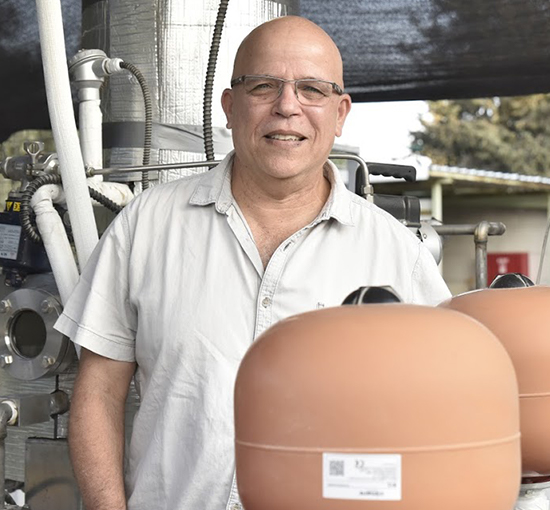
Photo pictured above: Researchers and representatives from Kando install the sampling system at the Technion. (credit: Rami Slush, Technion Spokesperson’s Office)