Why the Perfect Pitch is Your Biggest Mistake
September 23, 2026






















The Technion’s story has been intertwined with Israel’s for more than a century, from laying the foundations for a new nation to shaping its future.

Step inside Israeli innovation at the David and Janet Polak Visitors Center. Experience our 360° immersive movie and tech exhibition. Open to individuals and groups.
Learn More
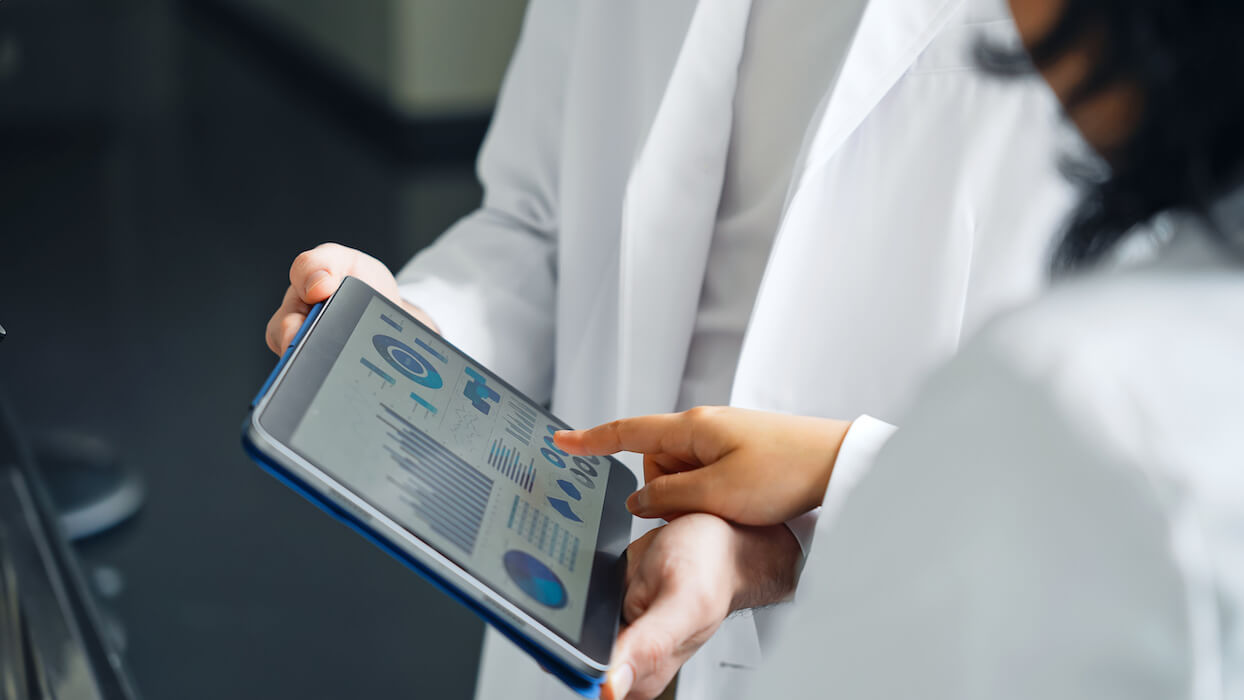
American-Israeli startup PhaseV is on a mission to overcome one of the most significant challenges of drug development: the clinical trial phase, the longest and most expensive part of the process. A recent Deloitte report reveals that, on average, a single new drug takes $2.3 billion and seven years to develop. Yet many candidates fail the clinical phase even if the biology works. That makes for a poor return on investment and wasted potential for treating diseases. “The development process for new drugs must therefore be transformed and could be made much more efficient with digital technologies,” the report urges.

Researchers from Cornell Tech have developed a method to identify delays in the reporting of incidents such as downed trees and power lines, which could lead to practical insights and interventions for more equitable, efficient government service. Their method, which works without knowing exactly when an incident occurred, uses the frequency of reports of the same incident by separate individuals to estimate how long it took for the incident to be first reported. The first report establishes that the incident occurred, and subsequent reports are used to establish the reporting rate. Applying their method to more than 1 million incident reports in…

An Israeli automotive startup was busy completing its first major contract with car giant Volvo when its team was caught up in the October 7 attack by the Hamas terror group, which killed 1,200 people in southern Israel. Carrar has developed a new way of automatically cooling electric vehicle (EV) batteries, by more effectively dissipating the heat generated when being used or charged, or just idling in a hot parking lot. This prevents damage to the batteries that in some extreme circumstances could even cause the car to catch fire. The Carrar facility is based near the city of Sderot, where…
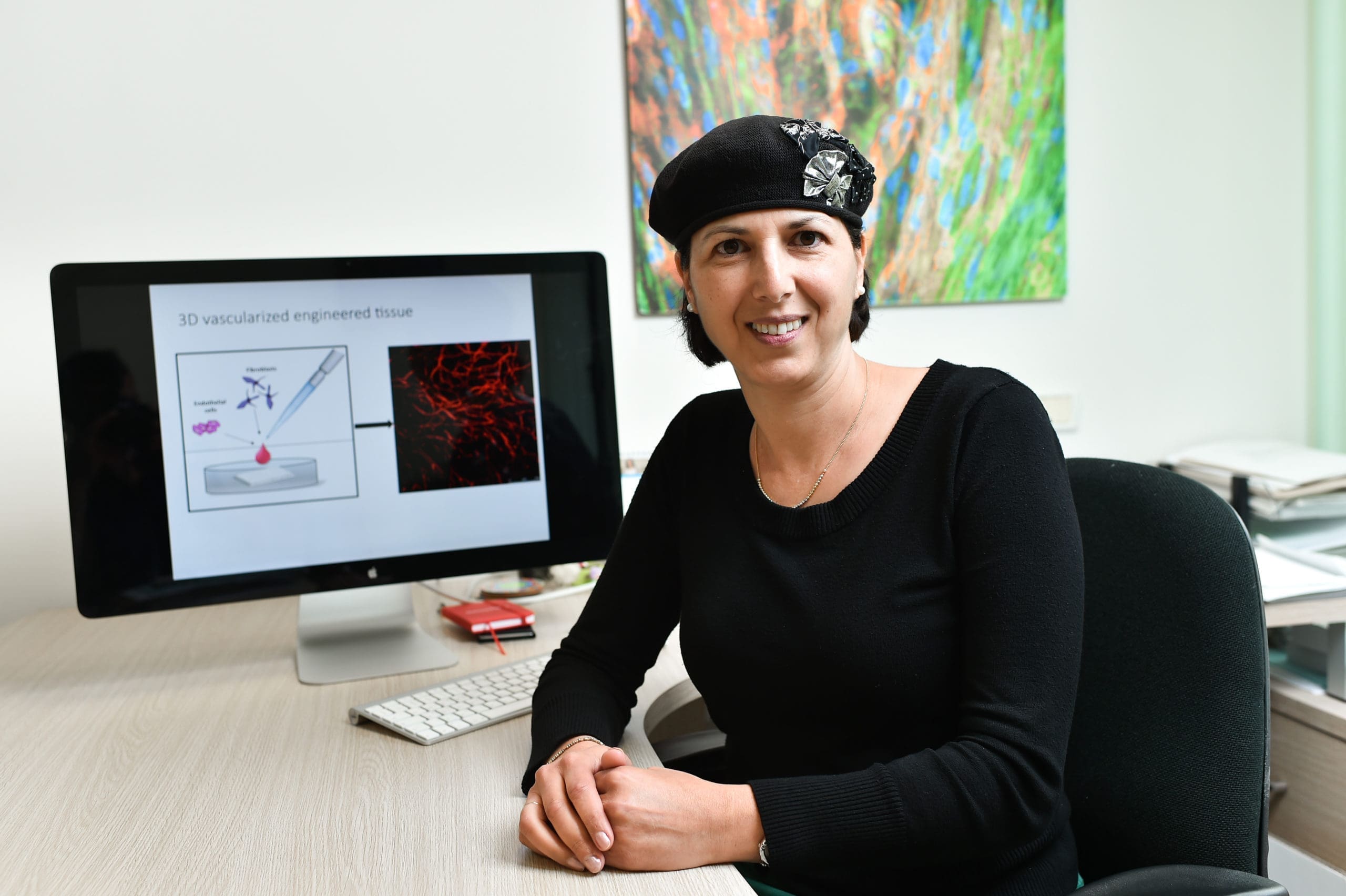
We interview Sandhya Sriram (SS) from Shiok Meats, Shulamit Levenberg (SL) from the Technion and Aleph Farms and Timothy Olsen (TO) from Merck on the current status, challenges and future directions of cultured meat. SS: Shiok Meats, established in 2018, is a cultivated, cell-based meat and seafood company, headquartered in Singapore. It is the first of its kind in Singapore and South-East Asia with a mission to bring delicious, sustainable and healthy shrimp, lobster, crab and meats to your table, by harvesting from cells instead of animals. Our meats are animal-, health- and environment-friendly with similar taste and texture compared to…

As journalists and professional fact-checkers struggle to keep up with the deluge of misinformation online, fact-checking sites that rely on loosely coordinated contributions from volunteers, such as Wikipedia, can help fill the gaps, Cornell research finds. In a new study, Andy Zhao, a doctoral candidate in information science based at Cornell Tech, compared professional fact-checking articles to posts on Cofacts, a community-sourced fact-checking platform in Taiwan. He found that the crowdsourced site often responded to queries more rapidly than professionals and handled a different range of issues across platforms. “Fact-checking is a core component of being able to use our…

Supermarkets could soon be selling yogurts, milkshake powders and other products offering relief to the millions of people who have Crohn’s disease or colitis. An Israeli startup is preparing for clinical trials of a natural supplement derived from cow milk that will reduce inflammation – and reduce patients’ reliance on prescription medication. Scientists now know that mothers’ milk contains exosomes, tiny capsules of microRNA — the molecules that regulate protein production in their bodies – that combat inflammation and other symptoms associated with inflammatory bowel disease (IBD) such as Crohn’s and colitis.

A new app has created a virtual sisterhood for thousands of women across Israel, giving them a safe space to share their experiences, their problems and even just their thoughts – particularly in wartime. The Soli app allows users to anonymously express their state of mind and their feelings, called Moods on the app, ranging from common emotions like happy, stressed or lonely to more specific sentiments such as “in the mood for a night out,” “looking for new friends” and “in need of advice.” Opening the app takes the user to a map, where they see other users and their Moods,…
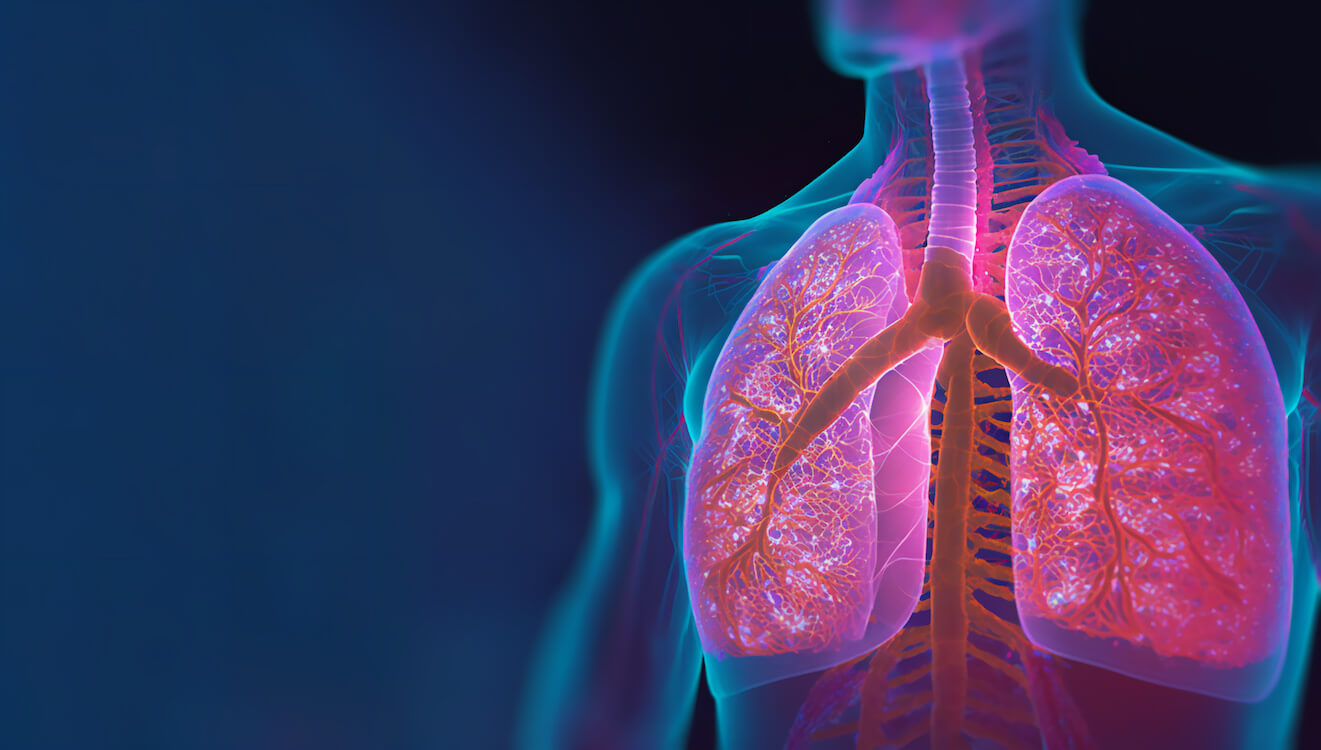
Israeli and US medtech companies have teamed up to create a program that uses artificial intelligence to identify patients at high risk for respiratory or pulmonary diseases such as lung cancer. The LungFlag AlgoMarker, which analyzes data from a patient’s electronic health record, is a collaboration between Medial EarlySign, a Hod Hasharon-based company that develops clinical predictive analytics, and Geisinger, an integrated healthcare system from Pennsylvania. Working with Geisinger, Medial EarlySign developed the program to facilitate earlier invention, which is a key feature of the American healthcare provider’s care model as it helps improve clinical outcomes, creates higher patient satisfaction and reduces…
An Israeli startup that uses artificial intelligence to help manage treatment courses for diabetics has received a fifth clearance from the US Food and Drug Administration (FDA) for its endo.digital platform. The new FDA clearance allows DreaMed to expand the scope of its recommended care plans for diabetics on a fixed regimen of insulin doses that are administered via pump or injection. The endo.digital platform provides an automated total care plan for people with diabetes. The company says it is compatible with most devices used by diabetics to monitor their blood glucose levels and to administer insulin.

The Fluidic Telescope (FLUTE) project team, jointly led by NASA and Technion – Israel Institute of Technology, envisions a way to make huge circular self-healing mirrors in-orbit to further the field of astronomy.Larger telescopes collect more light, and they allow astronomers to peer farther into space and see distant objects in greater detail.The state-of-the-art 21 foot (6.5 meter) aperture James Webb Space Telescope needed to be folded up origami-style – including the mirror itself – to fit inside the rocket for its ride to space. The aperture of an optical space observatory refers to the size of the telescope’s primary…

In a bid to unlock the full potential of hydrogen fuel cells as a cleaner alternative to conventional energy sources, researchers from the Department of Energy’s SLAC National Accelerator Laboratory, Stanford University, and the Toyota Research Institute (TRI) have made significant strides in reducing the cost of fuel cell technology. The breakthrough involves a radical shift in the catalyst composition, traditionally reliant on expensive platinum group metals (PGM), according to an SLAC release. Hydrogen fuel cells have long been recognized for their promise in energy storage and conversion, but the prohibitive cost of PGMs in the catalyst has hindered widespread adoption. Michaela Burke…

One of Israel’s premier universities, The Technion – Israel Institute of Technology, issues a general invitation to students, researchers and teachers around the world to continue their work in Israel. “Following the surge of antisemitism and anti-Israel rhetoric around the world, the Technion invites undergraduate and graduate students and academic faculty residing abroad to come to our campuses in Haifa to carry out their research, teaching and learning,” the university says in a statement. The invitation extends to faculty, post-doctorate researchers, and current and potential students of all levels at universities abroad, subject to an application and approval process. Due…