Why the Perfect Pitch is Your Biggest Mistake
September 23, 2026



















The Technion’s story has been intertwined with Israel’s for more than a century, from laying the foundations for a new nation to shaping its future.

Step inside Israeli innovation at the David and Janet Polak Visitors Center. Experience our 360° immersive movie and tech exhibition. Open to individuals and groups.
Learn More
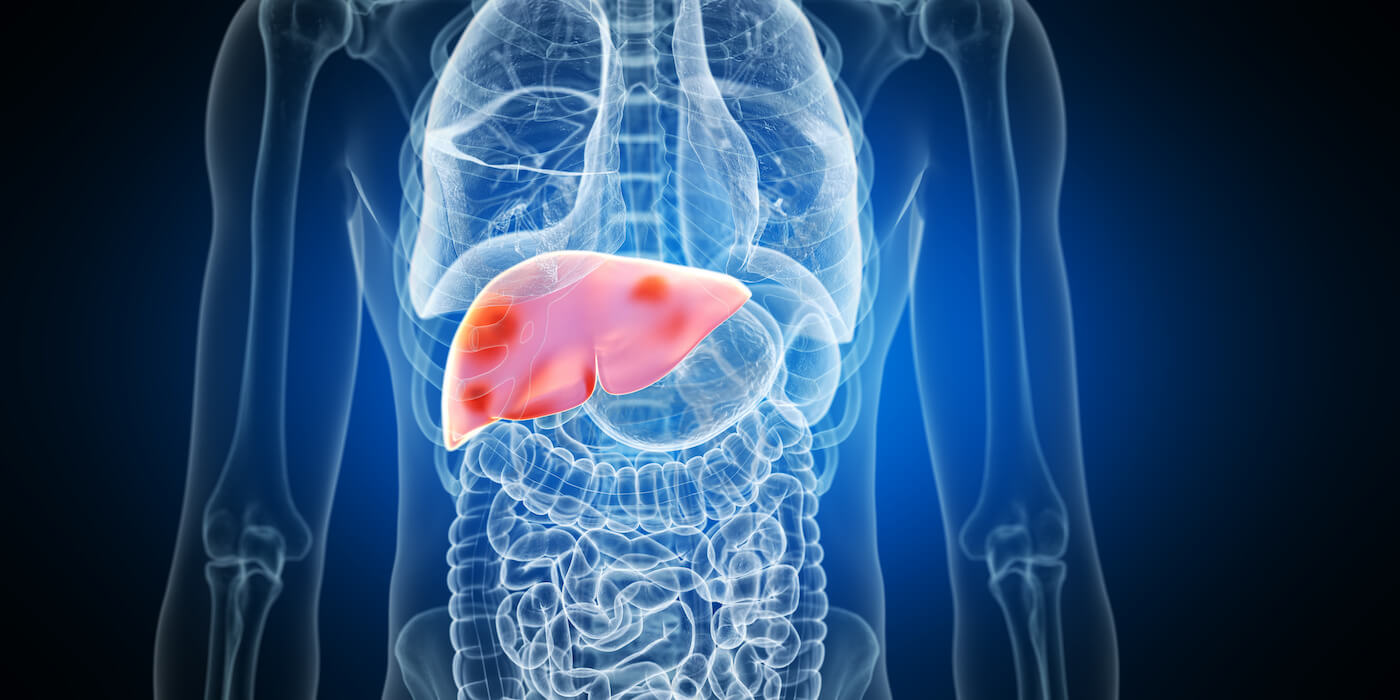
An Israeli company has been granted clearance from the US Food and Drug Administration (FDA) for its software used in the removal of liver tumors. The BioTracelO software created by Rehovot-based TechsoMed Medical Technologies received De Novo clearance from the FDA, which is approval granted to a novel system. The software is used during ablation therapy – a minimally invasive treatment that uses extreme temperatures to kill tumors – and is designed to predict the tissue response to the therapy. It is also designed to aid physicians who are performing liver tumor removal by providing real-time visuals with the ultrasound imaging.

That the world’s bee population is in crisis is no secret. Scientists, conservationists and agriculturalists have been scrambling for a solution to a situation that could be catastrophic for humans who rely on these stripy natural pollinators and their winged cohorts to propagate much of the food that we eat. Israeli company Edete says it has a unique solution, giving the insects – and those who benefit from their hard work – a helping hand in the form of mechanical artificial pollination, which it says is vital if we wish to ensure food security for future generations.

Tevel Aerobotics, an Israeli ag-tech startup with a novel drone-based harvesting solution, demonstrated the latest edition of its harvesting solution at the 2023 World Ag Expo. The company has partnered with S&S Metal Fabrication to build an autonomous tree fruit harvesting solution called the Alpha-Bot that is ready for deployment this upcoming growing season. Tevel Aerobotics is a 2021 recipient of an RBR50 innovation award for fruit-collecting drones. The partnership with S&S Metal Fabrication is critical to the overall success of this solution. The drones are tethered so that they can work continuously all day gathering ripe fruit from the trees in an orchard. The drones…

Classic denim blue jeans have been a staple in the global fashion industry for over half a century – but their iconic color comes with a heavy environmental price. Dyeing just a single pair of jeans involves thousands of liters of water. And the dye itself comes from synthetic indigo, which is made of a slew of toxic chemicals, including hydrosulfites, that are all later released into the environment via waterways. Israeli startup Sonovia has created a way to give blue jeans their quintessential color that both uses a non-toxic dye that is better for the environment and cuts water use by…

Israel Tech Guard, an all-volunteer, not-for-profit initiative empowering Israel’s defenses with the latest technologies, is looking to raise $2 million for rapid-pace initiatives designed to help protect the nation during and after the war. Formed on October 7 while the Hamas attacks were wreaking death and destruction, Israel Tech Guard was cofounded by serial tech entrepreneur Mor Ram-On; software engineer and team lead at Cybereason Ron Balter; and senior programmer Lior Mizrahi, cofounder and CTO of Maveriks. Around 200 volunteers from Israel’s tech community are working for Israel Tech Guard, which is structured in teams of two to 20 developers operating as internal…

You’ve had too much to drink. Or maybe you didn’t sleep the night before. Both represent cognitive states of impairment that should keep you from getting behind the wheel. But who’s going to stop you? Israeli startup CorrActions says it’s the car itself that should strongly state, “Sorry, mate, tonight you should take a taxi home.” But how will the car recognize how many cocktails you’ve imbibed or how many hours of shuteye you got? The steering wheel knows, the company’s CEO, Ilan Reingold, tells ISRAEL21c.

In 2018, Cornell Tech—a graduate school campus of the Ivy League university—was believed to have been a strong factor for Amazon deciding to bring a new headquarters to New York City. At the time, the school boasted of the creation and investment in more than 50 start-up companies in which over $60 million in investment was raised and hundreds of jobs were created, according to the New York Times. While the Amazon headquarters was later nixed because of backlash from local politicians, Cornell Tech is continuing to leave its mark on the region—and the world.

An Israeli developer of a handheld device that uses light to noninvasively detect pressure ulcers under the skin has received a patent from the country to support future commercial use. IR-MED‘s PressureSafe device is placed on the surface of the skin and exposes it with infrared light. It then evaluates the light intensity and patterns reflected by the different layers beneath the skin’s surface and uses an algorithm to determine whether the patient has a pressure ulcer. Pressure ulcers are sores that are caused by sustained pressure being placed on a particular part of the body, interrupting the blood supply…

Israel, the land flowing with milk and honey, is wasting millions of tons of its food every year. In fact, according to Leket Israel, the country’s leading food rescue organization, over one third of all the food that it produces gets thrown away. An Israeli startup is looking to put a dent in this statistic by providing bakeries, delis and other food establishments with a platform to specifically sell the food products remaining at the end of the day, which would otherwise be trashed. SpareEat’s app lets Israelis purchase “surprise bags” of pastries, sandwiches, produce and more at heavily discounted…

Nearly three years ago, Ola Baker got a lifechanging call from Ahmad Sheikh Muhammad, head of the Galilee Society – the Arab National Society for Health Research and Services. The society, based in northern Israel, had won a tender from the U.S.-Middle East Partnership Initiative (MEPI) to establish an accelerator for early-stage Arab startups in healthcare, biotech and environmental science. Would Baker want to be its CEO? “It was like a dream come true for me,” says Baker, an Israeli Arab with degrees in biology and business administration.

The war in Gaza has hurt the interconnected American-Israeli tech ecosystem, but there’s still opportunity for growth, say entrepreneurs and experts. On the day of the October 7 terrorist attack, Sigal Gafni, an entrepreneur and resident of the southern Israeli town of Arad, was at the Association of the U.S. Army (AUSA) summit in D.C. “When I returned to Israel, it was immediately clear to me that my business will now face a period where I won’t be able to work,” she said. Gafni predicts that the war will impact all Israeli businesses exporting hi-tech services to the U.S.
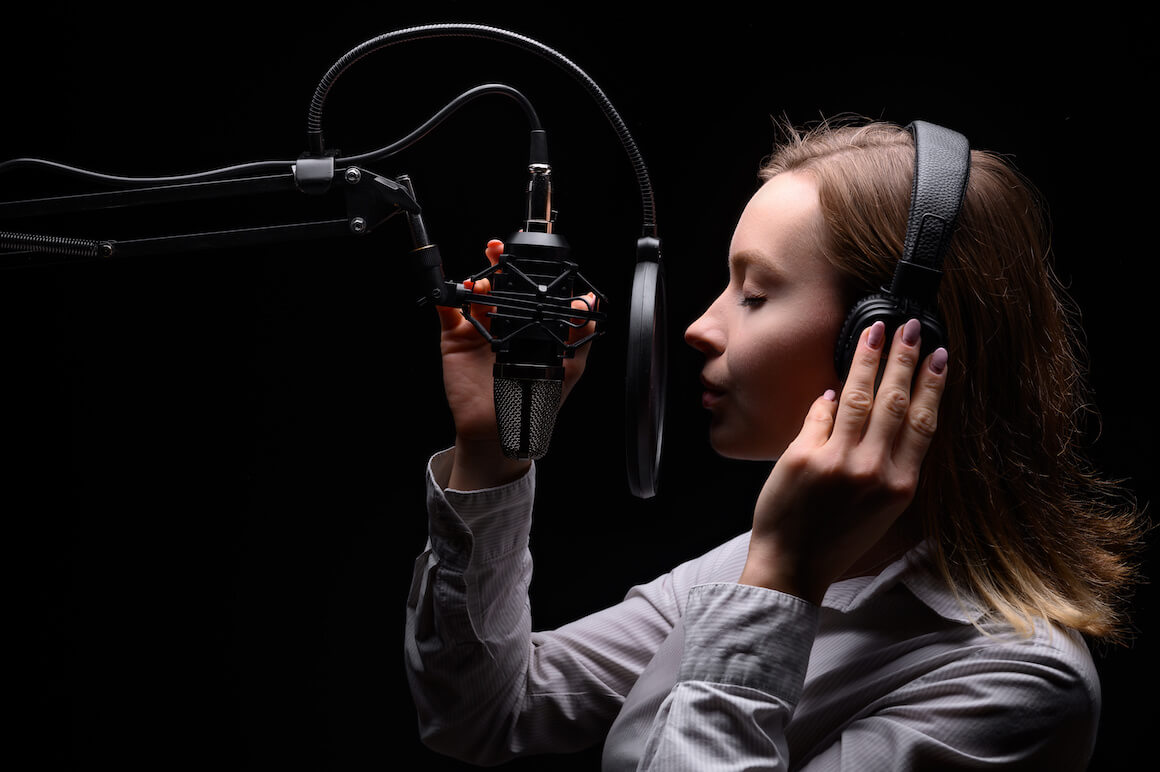
An Israeli startup that uses artificial intelligence to dub movies and TV shows into different languages has launched the first initiative of its kind to provide fair compensation to voice actors for the use of their voices in AI-powered dubbing and other synthetic voice projects. Deepdub uses proprietary AI to generate synthetic voices that capture the emotion and delivery of the original performances, but in a new language. The technology streamlines the labor-intensive dubbing process and reduces costs, while matching the quality of traditional workflows. Now, the startup’s new Voice Artist Royalty Program will save the submitted audio samples of voice actors in…