Why the Perfect Pitch is Your Biggest Mistake
September 23, 2026























The Technion’s story has been intertwined with Israel’s for more than a century, from laying the foundations for a new nation to shaping its future.

Step inside Israeli innovation at the David and Janet Polak Visitors Center. Experience our 360° immersive movie and tech exhibition. Open to individuals and groups.
Learn More
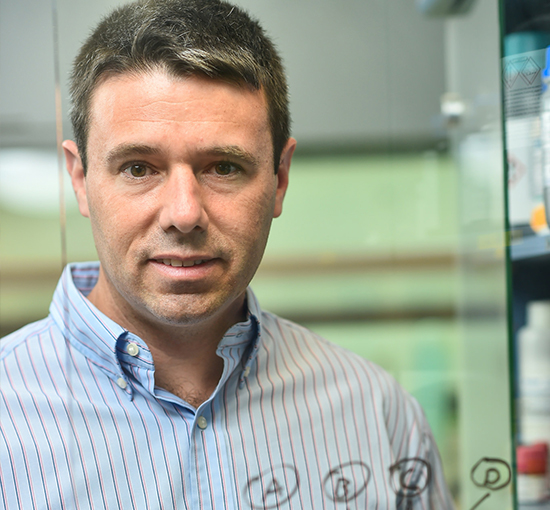
When Associate Professor Avi Schroeder, a member of the Wolfson Faculty of Chemical Engineering and head of the Louis Family Laboratory for Targeted Drug Delivery and Personalized Medicine Technologies, encountered a challenge differentiating between live cells extracted from tumors and dead cells inside them, assistance came from Professor Yuval Shaked. He provided valuable laboratory assistance that not only resolved the problem but pointed toward a new technique enhancing the study of relatively hard-to-penetrate tumors, such as those associated with pancreatic cancer. “The Rappaport Technion Integrated Cancer Center’s collaborative and cross-disciplinary approach to cancer research—involving outstanding medical doctors, engineers and basic scientists—is unique,” Assoc. Prof. Schroeder says. “These collaborations are taking many forms, with specialists in one area regularly supporting research in others.”
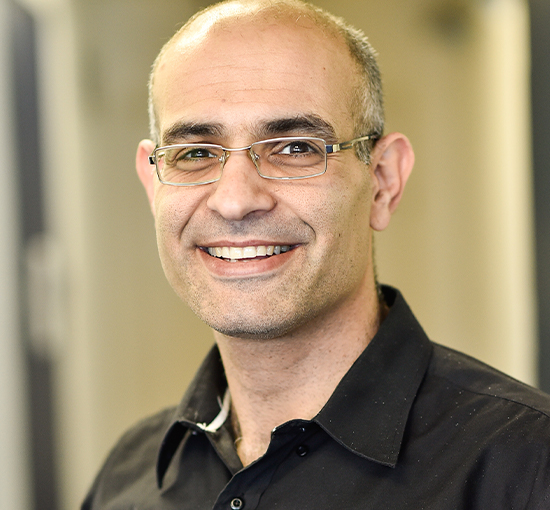
Further collaboration between Assoc. Prof. Schroeder and Prof. Shaked resulted in the creation of barcoded nanoparticles, which are capable of conveying small amounts of medicine to tumor sites and help reveal which medications work and which do not while also enabling the creation of a potency chart for various medications. When students in Assoc. Prof. Schroeder’s laboratory noticed that nanoparticles administered to female mice were accumulating in the ovaries, they sought clarity from Associate Professor Irit Ben-Aharon, the head of the Division of Oncology at Rambam Health Care Campus (the largest hospital, cancer center and radiation oncology facility in northern Israel). Thanks to these RTICC collaborations, not only can doctors now leverage the biodistribution of nanoparticles to different body regions to treat various conditions, but a new field has been created in the process: gender nanotechnology, which explores how patients’ gender influences the dynamics of nanoparticles inside the body, with applications to breast, pancreatic and ovarian cancer.
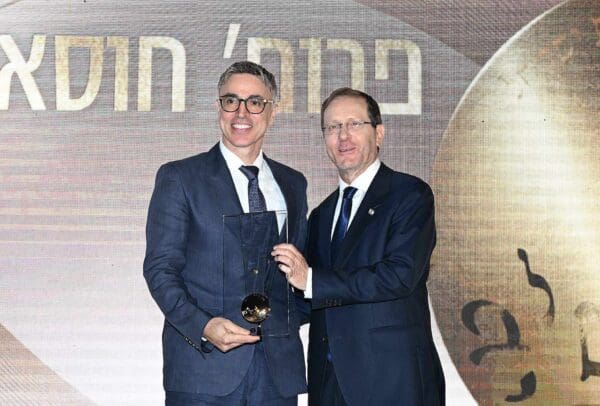
Another form of collaboration involves cooperation between the RTICC and companies harnessing its advances. OncoHost, which focuses on precision medicine oncology, was founded by Prof. Shaked and is based on work he performed at the Technion for the last 10 years. By testing patients’ blood samples before and during treatment, the company can analyze specific elements in plasma that can help explain the regrowth of tumors. The company then uses bioinformatic analysis and machine learning to differentiate between patients who respond to specific treatments and those who do not, allowing the generation of response prediction reports and suggestions for additional combinatorial treatments.