Video

Why the Perfect Pitch is Your Biggest Mistake

September 23, 2026

Go
Video

When the Newsroom Meets the Algorithm

September 18, 2026
Go
disease detection
Article

A Breathalyzer Test for Cancer?

September 17, 2026
Go
Podcast

Everything In-House

August 11, 2026
Go
disease detection
Article

A Breathalyzer Test for Cancer?

September 17, 2026
Go
artificial intelligence health care
Article

Europe Is Betting on Technion Innovation

September 04, 2026
Go
Chatbot | American Technion Society | Donate to Israel
In The News

Can AI Chatbots Support Mental Health?

August 07, 2026
Go
Cancer Research | American Technion Society | Donate to Israel
In The News

Advancing Cancer Research Through Discovery

August 04, 2026
Go
AI in education
Article

Rethinking Education in the Age of AI 

September 25, 2026
Go
artificial intelligence health care
Article

Europe Is Betting on Technion Innovation

September 04, 2026
Go
Tree Canopy | American Technion Society | Donate to Israel
In The News

Cornell Tech’s Tree Canopy Project Builds a Cooler New York City

August 11, 2026
Go
Wildfire detection | American Technion Society | Donate to Israel
In The News

Wildfire Detection Takes Flight With AI-Powered Drones

August 04, 2026
Go
strength in every step | American Technion Society | Donate to Israel
Article

Strength in Every Step: Recovery, Resilience, and a Walk to Remember

August 21, 2026
Go
Student Resilience | American Technion Society | Donate to Israel
Article

Never Too Late for a New Challenge

August 17, 2026
Go
coexistence | American Technion Society | Donate to Israel
In The News

The Technion’s Model of Coexistence

August 07, 2026
Go
Sirens | American Technion Society | Donate to Israel
Article

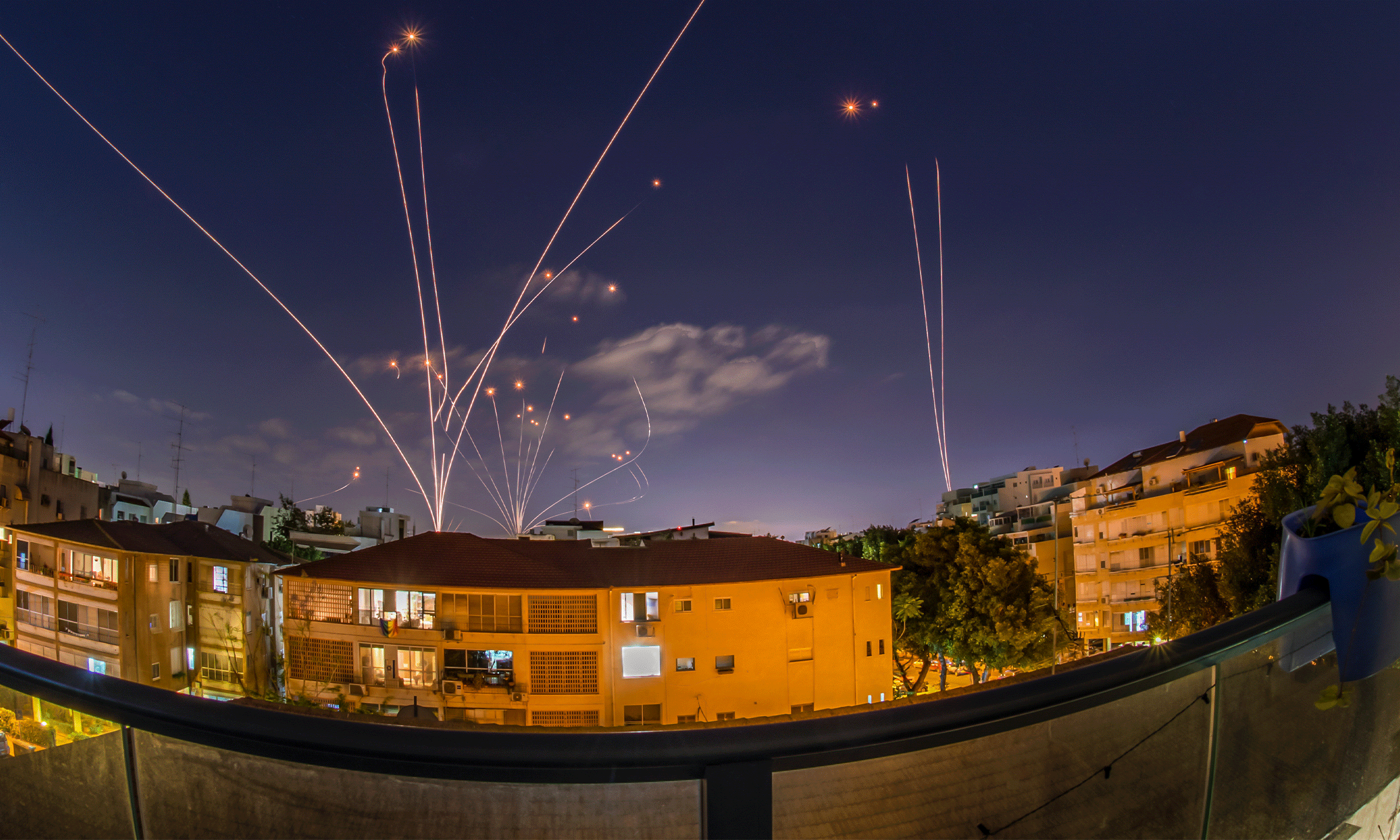
When the Sirens Sound

August 07, 2026
Go
Reuven Aronashvili
Video

From a Poor Town to Leading Paradigms in Cyber

September 25, 2026
Go
earthquake rescue | American Technion Society | Donate to Israel
In The News

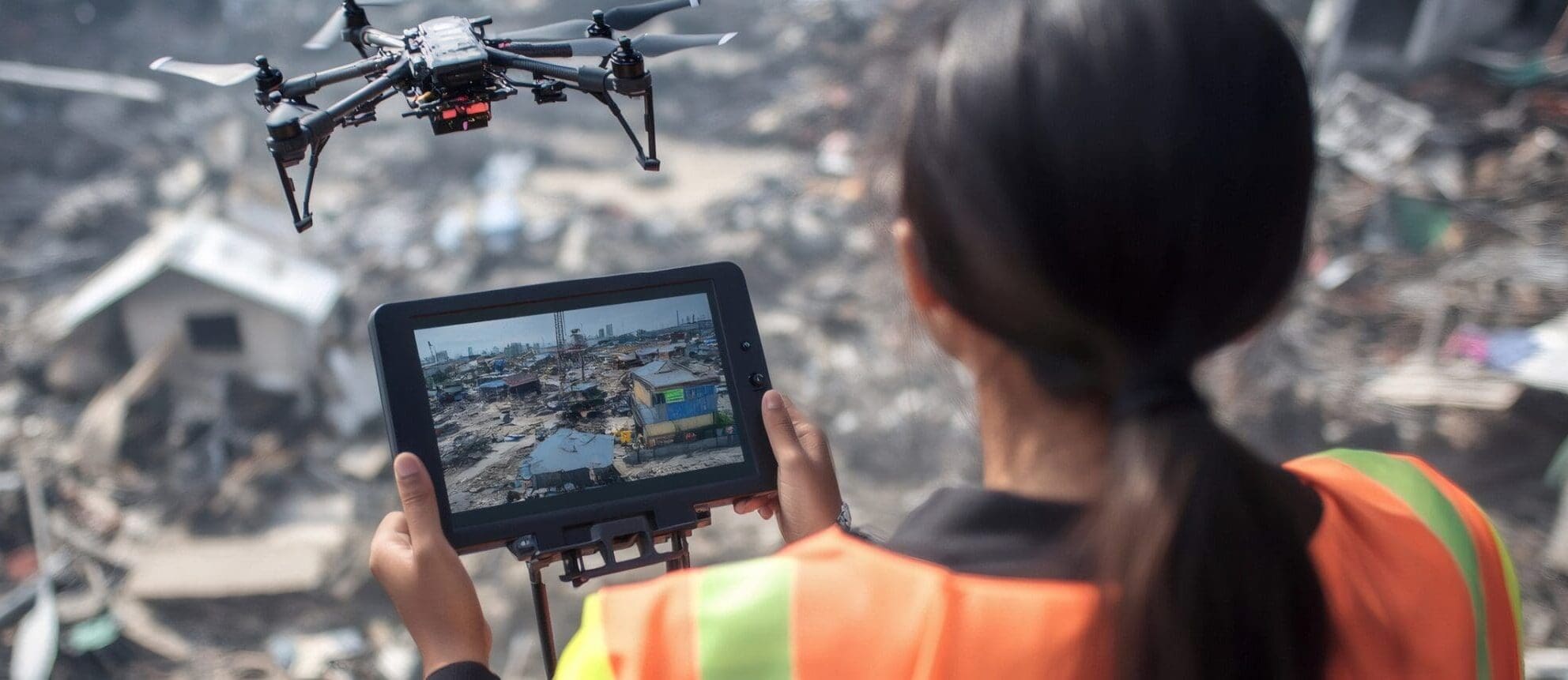
Israeli Drones Aid Earthquake Rescue Efforts in Venezuela

July 08, 2026
Go
No GPS or Communication Drones flying in the background as a soldier's shadowy silhouette fills the foreground
Video

When GPS Fails, This Drone Keeps Going

June 10, 2026
Go
Article

Technion Innovations: Safeguarding Israel and the World

May 28, 2026
Go
Article

Seeds of a New Community

September 08, 2026
Go
Tree Canopy | American Technion Society | Donate to Israel
In The News

Cornell Tech’s Tree Canopy Project Builds a Cooler New York City

August 11, 2026
Go
Wildfire detection | American Technion Society | Donate to Israel
In The News

Wildfire Detection Takes Flight With AI-Powered Drones

August 04, 2026
Go
Energy Tower | American Technion Society | Donate to Israel
In The News

The Energy Tower: A Vision Ahead of Its Time Finds New Life

July 08, 2026
Go
AI in education
Article

Rethinking Education in the Age of AI 

September 25, 2026
Go
Podcast

Predictions from The Himalayas

September 17, 2026
Go
Student Resilience | American Technion Society | Donate to Israel
Article

Never Too Late for a New Challenge

August 17, 2026
Go
Video

Technion: The Vision to Do Good

August 17, 2026
Go
Video

Technion: The Vision to Do Good

August 17, 2026
Go
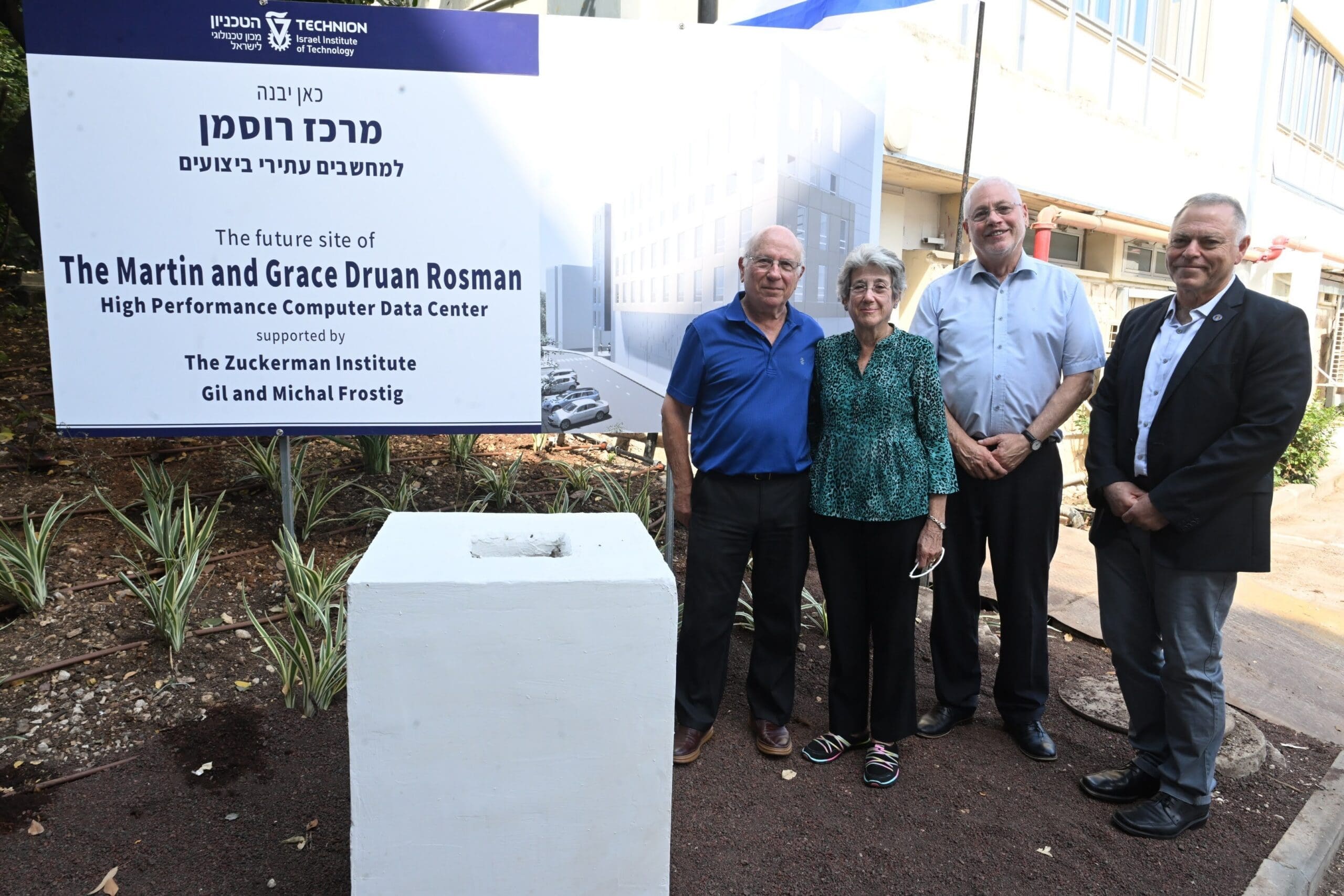
From left: Dr. Martin Rosman; Grace Druan Rosman; Technion President Prof. Uri Sivan; and Dr. Rafi Aviram, executive vice president and director general of the Technion, at the cornerstone ceremony for the Martin and Grace Druan Rosman High-Performance Computer Data Center building. | American Technion Society | Donate to Israel
Article

A Vision Built Around Students

June 29, 2026
Go
1912 - Today | Technion flag with Israeli flag | Donate to Israel | Technion University
Video

1912 to Today: The Institution That Helped Build Israel

June 10, 2026
Go
Article

Doing Well by Doing Good

May 23, 2026
Go

Watch, Read & Listen

Explore stories, news, insights, and data across articles, videos, and podcasts.

view all content types
AI in education
Article

Rethinking Education in the Age of AI 

September 25, 2026
Go
disease detection
Article

A Breathalyzer Test for Cancer?

September 17, 2026
Go
Article

Seeds of a New Community

September 08, 2026
Go
artificial intelligence health care
Article

Europe Is Betting on Technion Innovation

September 04, 2026
Go
Reuven Aronashvili
Video

From a Poor Town to Leading Paradigms in Cyber

September 25, 2026
Go
Video

Why the Perfect Pitch is Your Biggest Mistake

September 23, 2026

Go
Video

When the Newsroom Meets the Algorithm

September 18, 2026
Go
Video

Technion: The Vision to Do Good

August 17, 2026
Go
Podcast

Predictions from The Himalayas

September 17, 2026
Go
Podcast

Everything In-House

August 11, 2026
Go
the heart | American Technion Society | Donate to Israel
Podcast

The Heart Will Go On

July 15, 2026
Go
Or Yochanan | American Technion Society | Donate to israel
Podcast

Reinventing the American Dream in Austin

June 10, 2026
Go
In The News

Can Decart Put Israel on the AI Map?

September 18, 2026
Go
Tree Canopy | American Technion Society | Donate to Israel
In The News

Cornell Tech’s Tree Canopy Project Builds a Cooler New York City

August 11, 2026
Go
coexistence | American Technion Society | Donate to Israel
In The News

The Technion’s Model of Coexistence

August 07, 2026
Go
Chatbot | American Technion Society | Donate to Israel
In The News

Can AI Chatbots Support Mental Health?

August 07, 2026
Go
3

locations

16K +

students

# 10

in the world for producing entrepreneurs

The Technion’s story has been intertwined with Israel’s for more than a century, from laying the foundations for a new nation to shaping its future.

About ATS

ATS is a community of supporters, innovators, and champions of possibility united by one mission: transforming Israel and the world through science and discovery.

Learn More

About the Technion

For more than 100 years, the Technion has been Israel's technological engine and leading driver of innovation, technology, and entrepreneurship, transforming ideas into impact.

Learn More

Clean Water for a Thirsty World

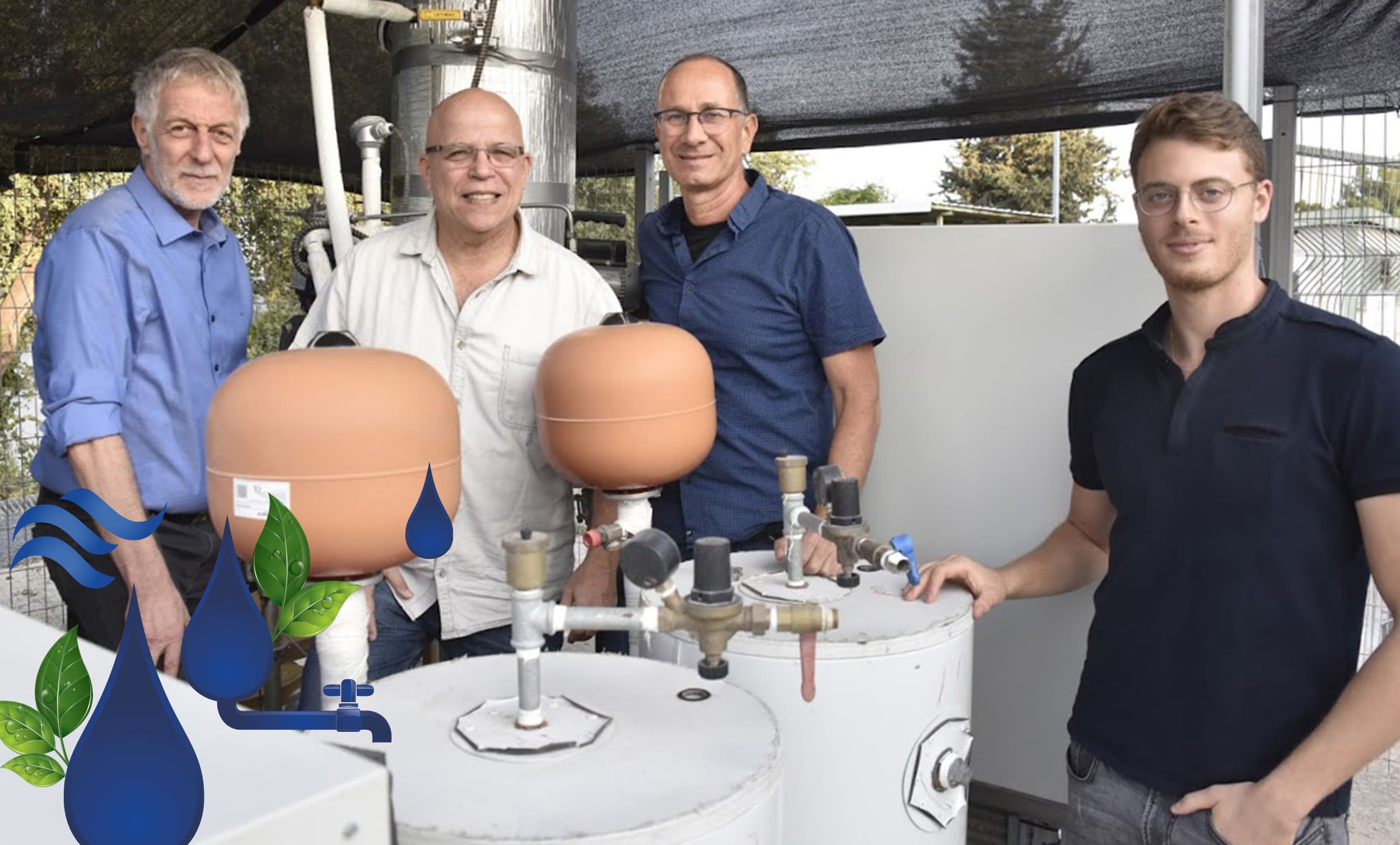
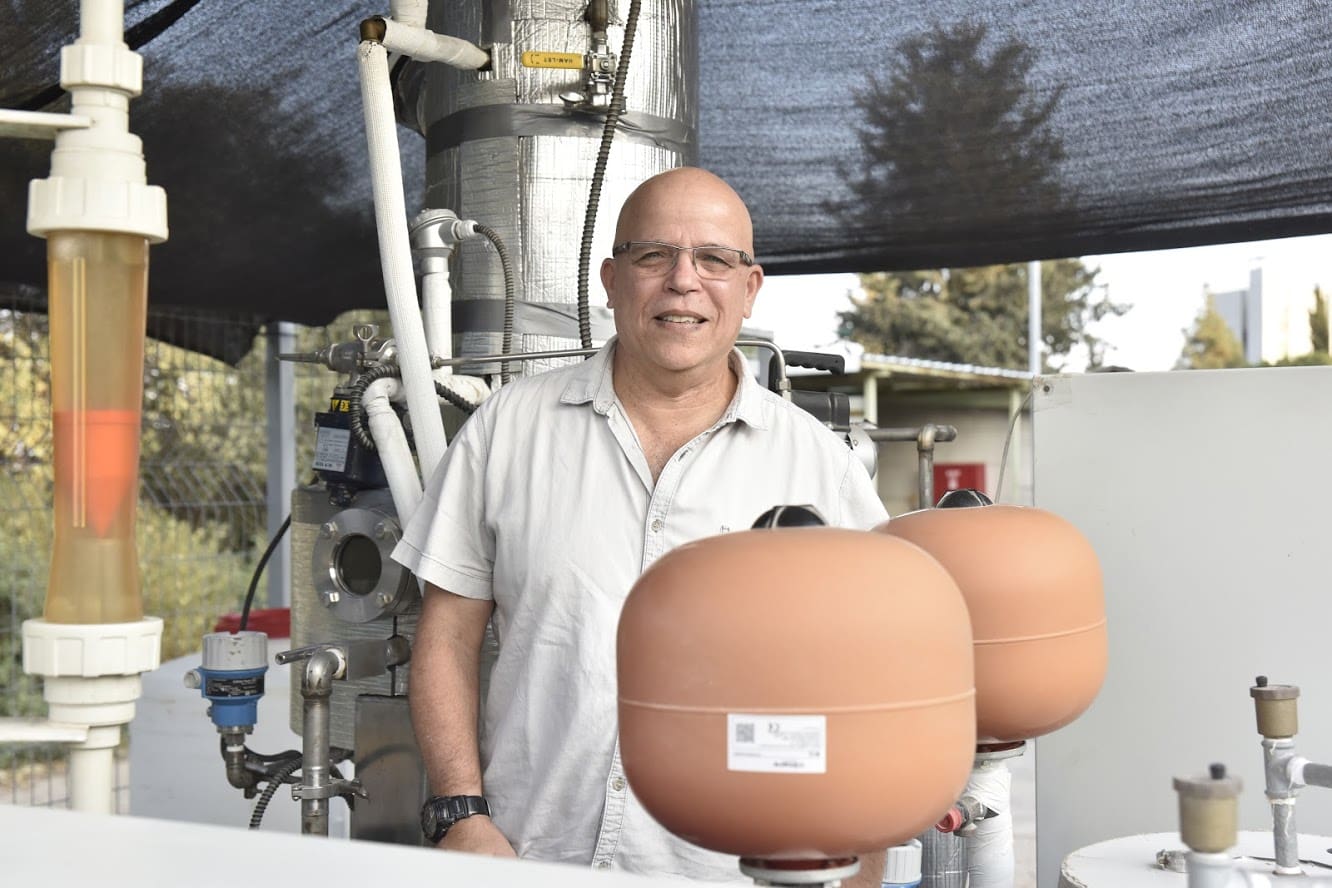
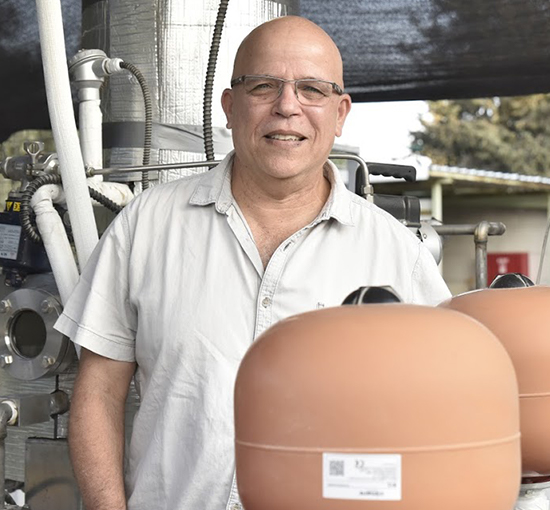
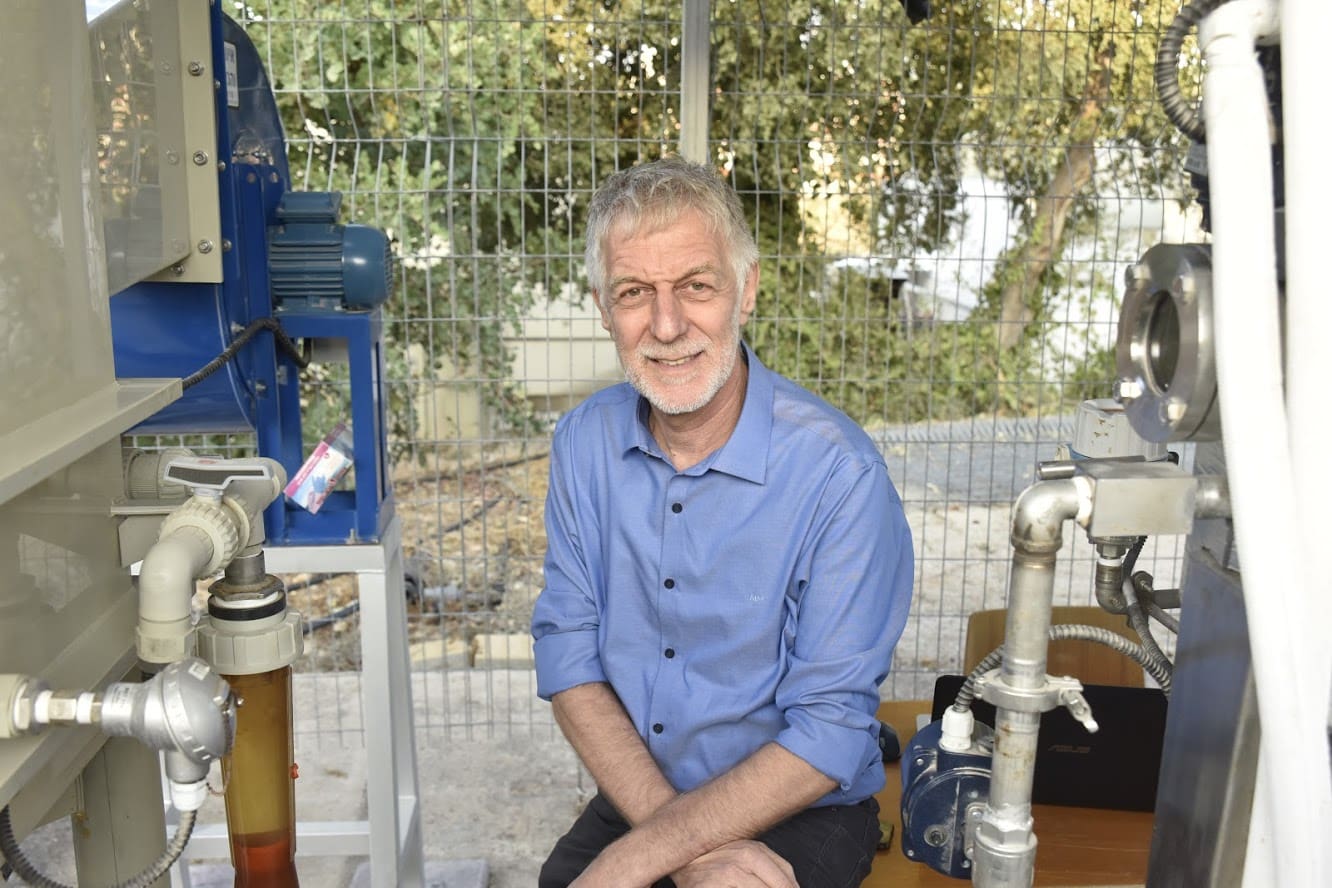
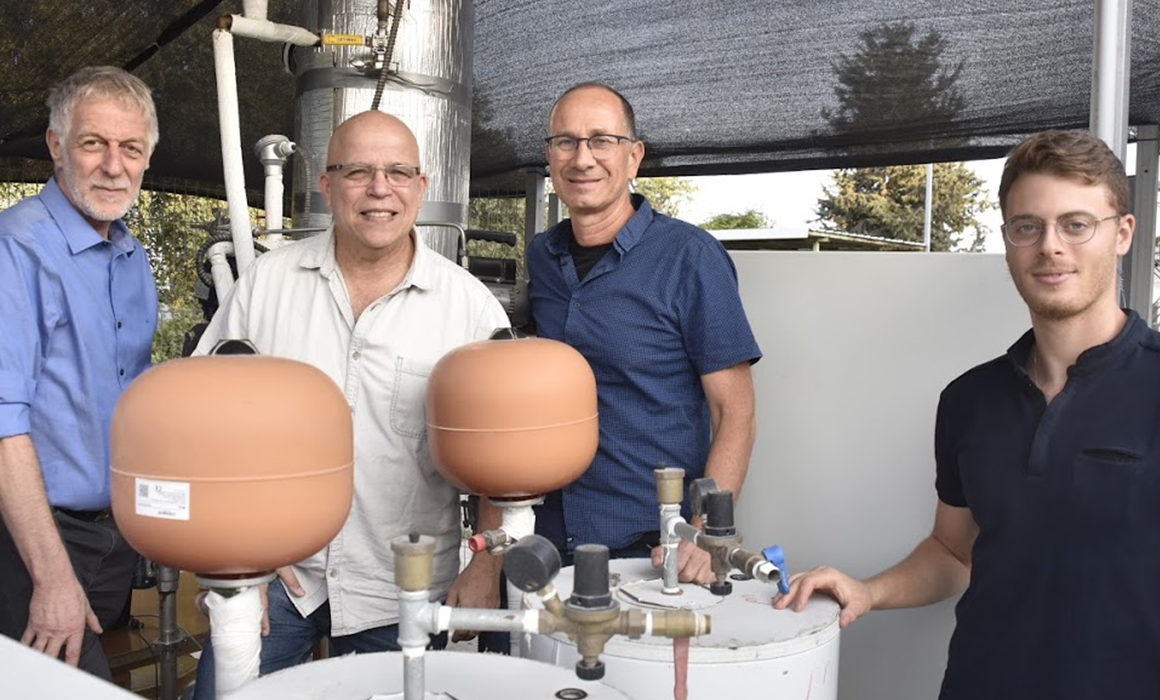
clean water researchers Prof. David Broday, Prof. Eran Friedler, Ilan Katz, and Liron Houber | Donate to Support Israel | Technion University

Access to clean water is a lifeline. It enhances gender equality, gives opportunities, and basically gives hope. This was the motivation that drove us to develop moisture-harvesting systems that can be deployed in any remote community.”

Associate Professor Eran Friedler of the Faculty of Civil and Environmental Engineering at the Technion.

Water is an essential. But accessing reliable, clean water is becoming more and more difficult in parts of the world. Already, 2.1 billion people worldwide don’t have access to water, and 4.5 billion lack adequate sanitation.

This problem will only grow in the coming years. According to the World Health Organization, by 2025 about half of the world’s population will live in areas facing water scarcity.

Water from Air

Technion experts are working to rapidly solve the world’s clean water crisis, finding innovative ways to bring water to those who don’t have it, and to purify water to ensure water supplies are free from contaminants.

Prof. Friedler and Associate Professor David Broday, also of the Faculty of Civil and Environmental Engineering, have developed a model for a system that separates the moisture naturally present in the air around us and converts it into drinking water. Their work has already drawn the attention of T3, the Technion Technology Transfer, which facilitates the transformation of ideas into real-life, applied solutions for the commercial sector.

There is humidity in the air all around us — even in the arid air of the Sahara Desert. This means that even the smallest, poorest, most isolated communities have access to clean drinking water. They simply need the tools to collect it.

Systems for harvesting moisture from the air already exist. They are similar to domestic air conditioners that pull in air, cool it, and push out the cool air, discarding the moisture condensed during the cooling process. Moisture harvesting systems keep the condensed moisture and discard the cooled air instead.

However, this system is extremelyinefficient and expensive. Profs. Broday and Friedler’s prototyped system optimizes the process by separating moisture from the air before cooling it. This means energy is used only to cool the moisture itself and convert it into available water.

The new system also makes the water cleaner. Air can contain pollutants, dust, and disease-causing bacteria, making the resulting water pulled from that air polluted and contaminated, too.

In the Technion researchers’ system, only the condensed water meets the cooling coils. Any contaminants from the air are absorbed into a saline-based desiccant, ensuring the water that is produced is pure and safe to drink right away.

Profs. Broday and Friedler have built a prototype and are already performing simulations to see how the system would function in different climatic and humidity conditions.

“We wanted to see whether the system can be used in areas where the air is arid,” said Prof. Broday. “For example, in the Sahara Desert and in Yemen, which is currently
experiencing a severe hunger crisis and lack of drinking water.” T
he system is particularly useful for small and isolated communities that are located far from water sources, as it can produce water where it is most needed.
Combating Oil Pollution

Oil is one of the world’s most common pollutants, and can be found in almost every ecosystem. Oil makes it more difficult for soil to absorb water, and oil-contaminated water and soil can cause a variety of health problems in humans, from skin irritations to liver and kidney damage. Yet removing oil pollution is expensive, harmful to the environment, and often ineffective.

Visiting Professor Shai Kendler of the Faculty of Civil and Environmental Engineering has found an alternative using remote sensing technology.

When solar radiation hits physical objects on Earth, the objects absorb and reflect different amounts of solar radiation back. Satellite sensors can detect how much radiation is reflected back from those objects, creating a unique “fingerprint” for each object based on the wavelength and frequency of solar radiation that is reflected. Through this process, a satellite can distinguish between soil, water,  and pollutants.

“Rocks and soil, for example, are objects which have a color that is strong and distinct,” Prof. Kendler explained. “In contrast, pollutants are often shown as thin and permeable layers.”

Prof. Kendler has developed an algorithm that can quickly identify the type of pollutant present in soil or vegetation, turning a mountain of data available from satellite imagery into a map of areas impacted by oil pollution. The algorithm can detect and specify the chemical properties of a pollutant as well as where the pollutant is located down to the pixel, allowing experts on the ground to know exactly where pollutants are hiding.

Prof. Kendler’s algorithm has other potential applications as well, including identifying anthrax inside paper envelopes.

Keeping Our Water Clean

Assistant Professor Adi Radian of the Faculty of Civil and Environmental Engineering has developed an innovative, patented technology to purify water from the pollutant formaldehyde. Formaldehyde is a carcinogen that is used to manufacture glue and therefore common in the wood, paper, and textile industries, where it accumulates in the water used for production.

The challenge with removing formaldehyde from our water is that it is present in such low concentrations that typical methods for removing contaminants from water are ineffective. This, coupled with the deadly side effects of formaldehyde, make it one of the most problematic pollutants in our environment.

Prof. Radian’s team has adapted montmorillonite clay to enable it to absorb formaldehyde and reduce its concentration. They then attach bacteria that breaks down formaldehyde to the clay. After each cycle of formaldehyde decomposition, the clay cleans itself for another round. Prof. Radian believes the adapted clay may be able to absorb and degrade other pesticides that threaten to contaminate groundwater, too.

These Technion innovations go a long way toward making sure there is clean water for all.
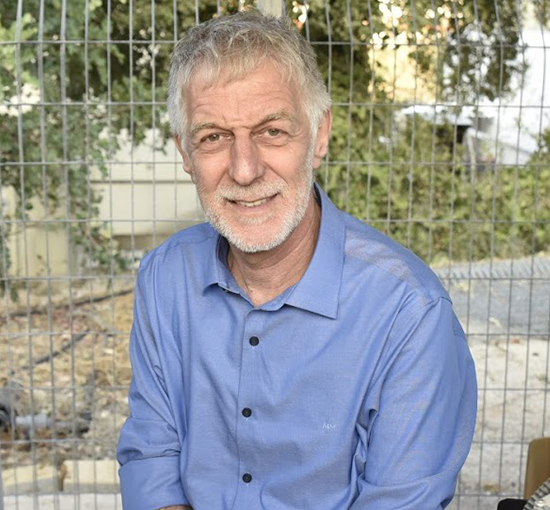
Technion Professor, David Broday

More About David Broday

David Broday is a professor in the Technion’s Environmental, Water, and Agricultural Engineering Department of the Faculty of Civil & Environmental Engineering.
Technion Professor, Eran Friedler

More About Eran Friedler

Eran Friedler is a professor in the Environmental, Water, and Agricultural Engineering Division of the Faculty of Civil & Environmental Engineering.
Adi_Radian

More About Adi Radian

Prof. Adi Radian, associate professor in the Faculty of Civil and Environmental Engineering, is interested in the fate of environmental pollutants and is developing sustainable solutions to reverse environmental damage.

Related Stories

Article

Seeds of a New Community

September 08, 2026

This time of year, pomegranates are piled high in produce aisles, stacked in bins at the farmers market, and decorating Rosh HaShanah tables. When it comes to extracting the juicy seeds, everyone has their own unique technique. Some score the crown and pull the fruit apart in a bowl of water so the seeds sink […]

Go
Tree Canopy | American Technion Society | Donate to Israel
In The News

Cornell Tech’s Tree Canopy Project Builds a Cooler New York City

August 11, 2026

Despite New York City Mayor Zohran Mamdani’s past calls to boycott Cornell Tech because of its partnership with Israel’s Technion-Israel Institute of Technology, city officials and Jewish community leaders on Wednesday announced a $250,000 investment in a Cornell Tech research initiative aimed at expanding New York City’s tree canopy to combat rising temperatures. New York City Council Speaker Julie Menin, the first Jewish woman to hold the post, and other officials unveiled the funding for Cornell Tech’s Urban Tech Hub at the Jacobs Technion-Cornell Institute on Roosevelt Island. The grant will launch the Generative Tree Canopy Project, which will use…

Go
Wildfire detection | American Technion Society | Donate to Israel
In The News

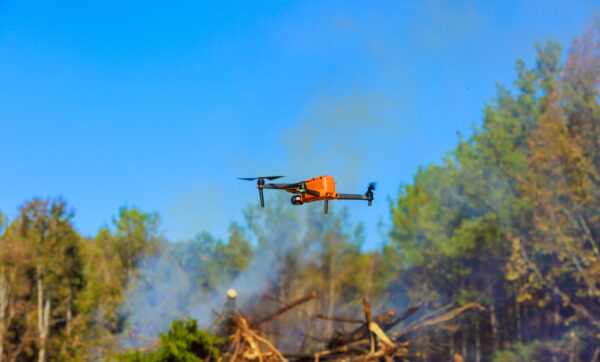
Wildfire Detection Takes Flight With AI-Powered Drones

August 04, 2026

As climate change increases the frequency and intensity of wildfires, Israel is testing a new autonomous drone system designed to spot fires before they grow into large-scale disasters, combining long-endurance aviation, artificial intelligence and advanced imaging technologies. The system completed its first flight test this week as part of a joint project involving the Israeli […]

Go

Love Israel and Science? 

Stay on top of the latest breaking scientific discoveries from Israel and the Technion. Subscribe to the ATS newsletter.

Secret Link