Something Fresh in the State of Denmark
October 06, 2026
























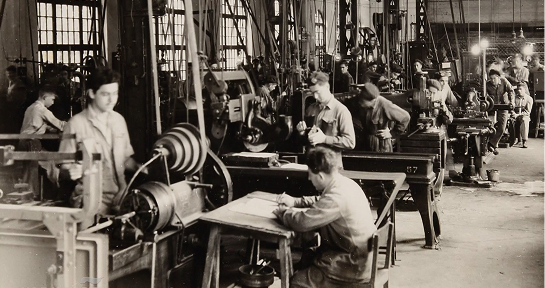
The Technion’s story has been intertwined with Israel’s for more than a century, from laying the foundations for a new nation to shaping its future.

Step inside Israeli innovation at the David and Janet Polak Visitors Center. Experience our 360° immersive movie and tech exhibition. Open to individuals and groups.
Learn More

The Technion is a leader in sustainable innovation, where researchers transform breakthroughs in energy, water, materials, and climate technology into scalable solutions with global impact. Here are just a few examples of how that innovation moves from the lab into the world.

There are at least two key resources vital for human existence and progress: Water and power. Israel has partly solved the water problem, with state-of-the-art desalination technology. Engineers figured out how to force high-pressure seawater through semi-permeable membranes that filter out salt and other impurities, leaving behind desalinated water – a process known as reverse osmosis. Some of the desalinated water is actually pumped into the Sea of Galilee, which is desperately shallow. As for energy, offshore natural gas deposits have helped ensure a reliable source of electric power for all Israelis, plus an unprecedented $35 b. gas contract for…

Dry conditions in the Northeast are worsening, creating a scenario for fire danger in the region to persist, an updated map from the U.S. Drought Monitor shows. The worst of the drought conditions are located in a large swath of West Virginia, several counties in South New Jersey and three counties in southwest Pennsylvania — all of which are in extreme drought, according to the Drought Monitor. Most of Massachusetts, New York, New Jersey and West Virginia are in severe drought, the map shows. The drought situation the Northeast is currently facing was strongly propelled by the lack of precipitation…
Israeli startup H2OLL has launched its first complete system to produce high-quality and affordable water from the air. The system was installed at the Wadi Attir initiative in the Negev, a groundbreaking project led by Israel’s Bedouin community to create a model of sustainable farming. H2OLL’s technology started as a project by Eran Friedler and David Broday, two professors from the Faculty of Civil and Environmental Engineering at the Technion – Israel Institute of Technology in Haifa. They were joined by Dr. Khaled Gommed from the Faculty of Mechanical Engineering as they sought to find ways to provide clean drinking…

An Israeli academic has been honored with The Khalifa Award for Education for her research on how children learn to read. The Emirati award was given to Tzipi Horowitz-Kraus, an associate professor at the Technion – Israel Institute of Technology, who was one of four winners from outside the United Arab Emirates. The Khalifa Award for Education, which has both the UAE president and prime minister among its patrons, was founded in 2007 to advance standards of education at all levels in the Emirates and across the whole Arab world.

As the world becomes ever more concerned with the impact of climate change and increasing levels of greenhouse gasses, one company is on a mission to revolutionize the way we heat water – a major strain on energy usage. Sowillo Energy, based in the community town of Mikhmanim in northern Israel, has developed a system to use energy from the hot water wasted when we bathe or even when we wash the dishes or our clothes. When a person takes a shower and the hot water goes down the drain, the Sowillo system catches it before it enters the municipal…

Even before the establishment of the State of Israel, faculty, students, and alumni of the Technion helped develop and manage water resources in a desert land. They contributed to the national water carrier that brought water from the Kinneret (Sea of Galilee) in the north to the drylands in the south. They improved technologies for water treatment, desalination, and drip irrigation. These efforts have turned Israel from a water-deficient to a water-abundant country. Today, Israel leads the world in water reclamation, recycling more than 90% of its wastewater for use in agriculture and industry. No longer reliant on the Kinneret,…
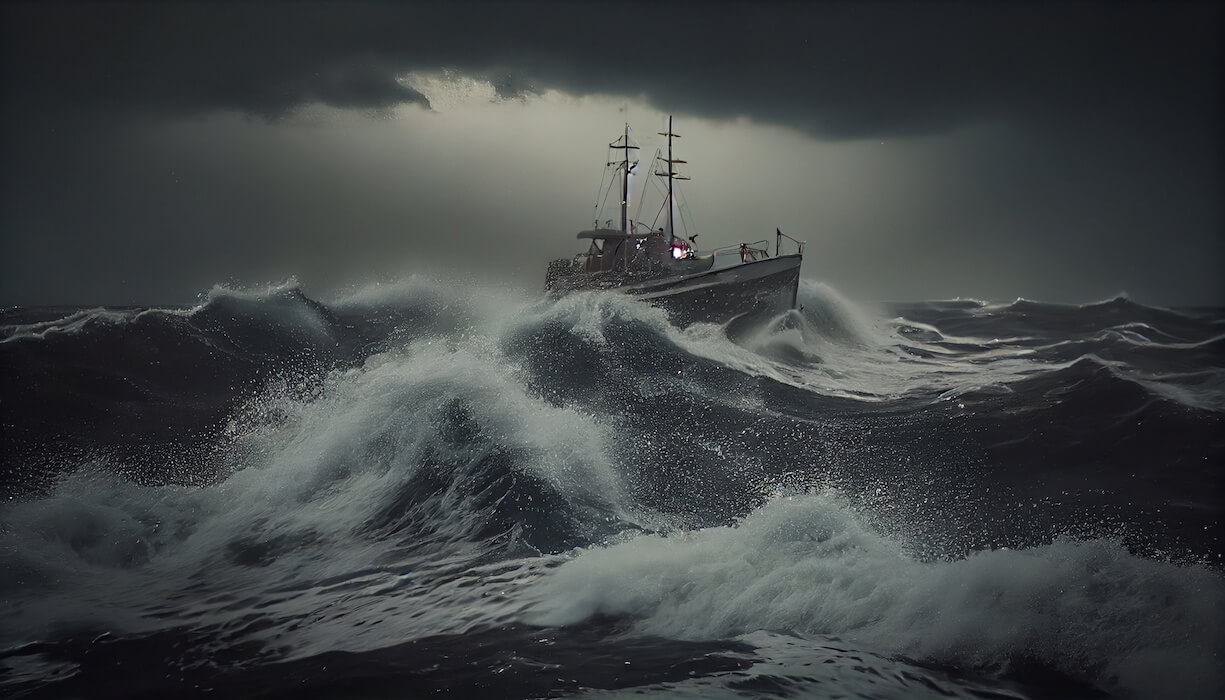
Search and rescue at sea is a valiant endeavor to save people and vessels from dangerous situations, but the rapidly growing number of autonomous vessels at sea and the missions they handle require a safer solution for recovery. Identifying this peril, Haifa-based startup Sealartec came up with a safer way to rescue manned and unmanned vessels – and is in operation globally. The Sealartec solution is an autonomous system that acts as a cradle for unmanned vessels, bringing them back to the mother ship safely without risking crew lives.

Classic denim blue jeans have been a staple in the global fashion industry for over half a century – but their iconic color comes with a heavy environmental price. Dyeing just a single pair of jeans involves thousands of liters of water. And the dye itself comes from synthetic indigo, which is made of a slew of toxic chemicals, including hydrosulfites, that are all later released into the environment via waterways. Israeli startup Sonovia has created a way to give blue jeans their quintessential color that both uses a non-toxic dye that is better for the environment and cuts water use by…
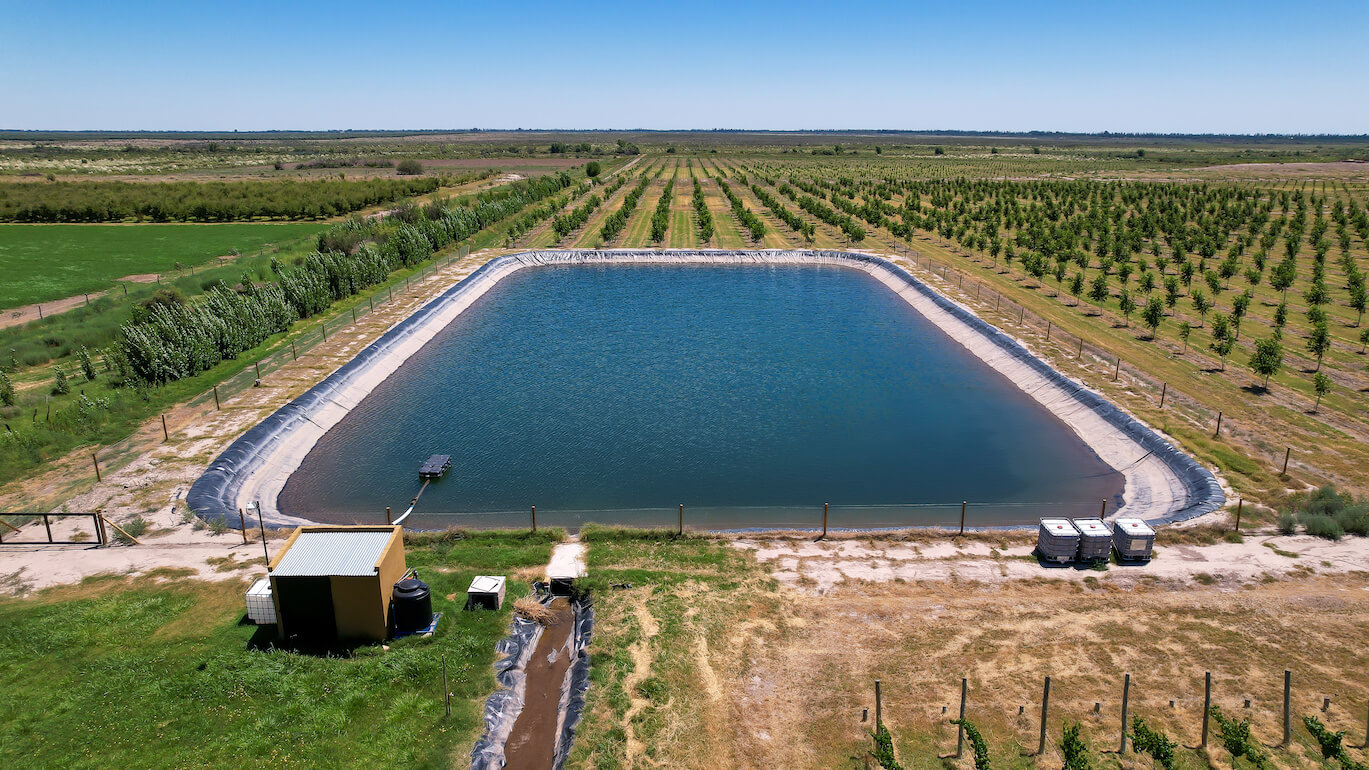
A unique “coworking space” for farmers in drought-stricken Rwanda will soon offer local growers a sustainable way to produce crops. Agriculture accounts for a third of landlocked Rwanda’s GDP but relies on rainfall and suffers low levels of productivity. The unique site, including its purpose-built water source and an energy network, was designed by Israeli precision irrigation pioneer Netafim and built in cooperation with the government, which provided $50 million in funding.

Since its founding nearly 100 years ago, the Technion’s world-class scientists have focused on developing innovative and cutting-edge technologies crucial not only for Israel’s economy, society, and security, but also for humanity. Well before climate change became a buzzword on the lips of many, the university’s researchers prioritized solutions to promote sustainability and help reverse our planet’s grim prognosis. In March, United Nations’ Secretary-General António Guterres warned that “the climate time-bomb is ticking,” after a report cautioned that the world faces an even tighter deadline to avoid catastrophic climate change disruption. At the Technion, a wide range of activities and…

Turning fresh air into water seemed like nothing short of a miracle back in 2012. That was when Israeli startup Watergen revealed its first atmospheric water generator to the world. Watergen cools air, much like an air conditioner, until it condenses and becomes water. But technology moves on apace. And H2oll another Israeli startup, says it can also produce drinking water from the atmosphere – but more cheaply, more efficiently and more sustainably. And in any climate. H2OLL Founder and CTO Ilan Katz is a Technion alumnus.