Why the Perfect Pitch is Your Biggest Mistake
September 23, 2026



















The Technion’s story has been intertwined with Israel’s for more than a century, from laying the foundations for a new nation to shaping its future.

Step inside Israeli innovation at the David and Janet Polak Visitors Center. Experience our 360° immersive movie and tech exhibition. Open to individuals and groups.
Learn More

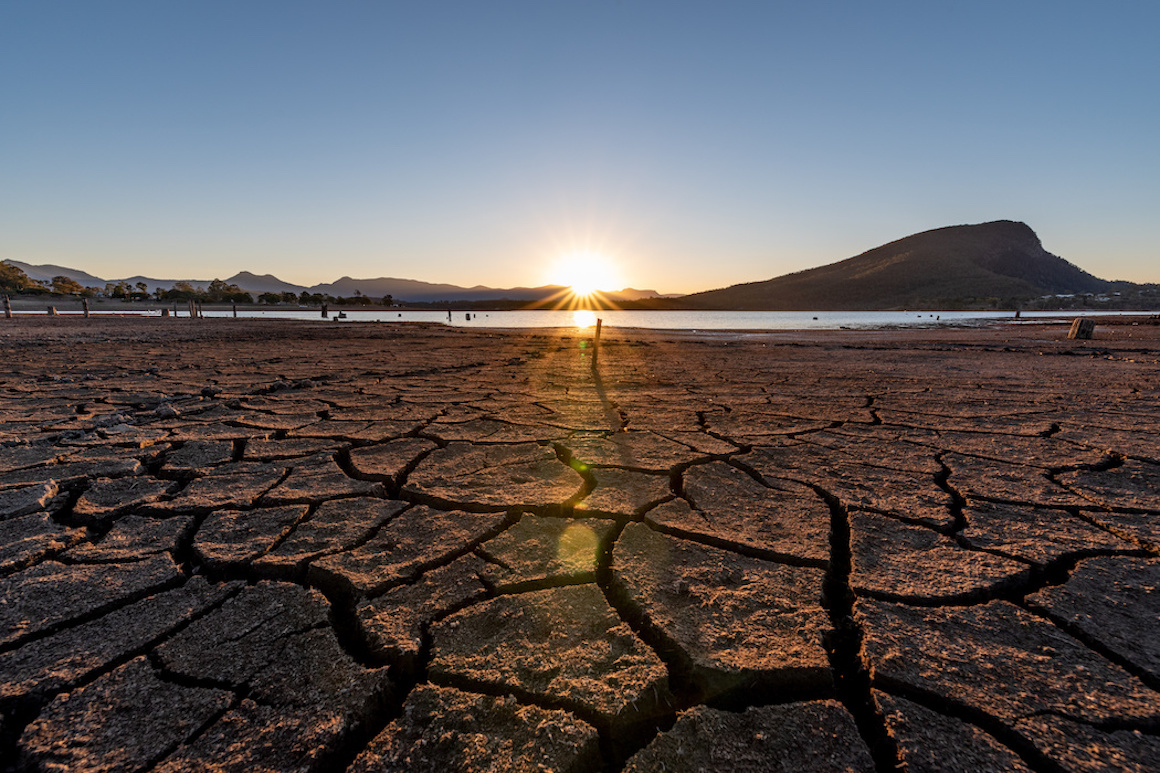
There was a time, not so long ago, when worried Israelis would listen out for daily updates on the water level of the Sea of Galilee (or the Kinneret, as it is known in Hebrew). It’s the country’s only significant freshwater lake and was, until recently, its primary source of water. So it was a national concern if the level dropped, as it often did during the summer months, day-by-day, centimeter-by-centimeter. The upper red line (danger), was bad news. The lower red line (pumping from the lake prohibited) was worse, and the black line (risk of permanent damage) was terrible….
Since it was founded nearly 100 years ago, the Technion’s world-class scientists have immersed themselves in developing innovative technologies that have not only been crucial for Israel’s economy, society and security, but have also impacted humanity on a global scale. Well before António Guterres, the U.N.’s Secretary General, stated last month that, “the climate time-bomb is ticking,” Technion researchers were prioritizing projects that could help reverse our planet’s grim prognosis, mainly by reducing the consumption of natural resources and restoring balance to the Earth’s carbon cycle. In a nutshell: by focusing on solutions that promote sustainability. At the Technion, a…
What if we could use water in solar water heaters to supply electricity during power outages? That was the winning idea in a recent hackathon that challenged brilliant Technion students to develop solutions to cope with extreme heat waves in urban areas. It’s something that is critically important, since Israel is warming at twice the rate of the rest of the world and heat-related deaths are also on the rise. The competition launched two weeks prior to the hackathon event with a lecture by Naama Shapira of the Technion’s Samuel Neaman Institute that was focused on mapping challenges in the…
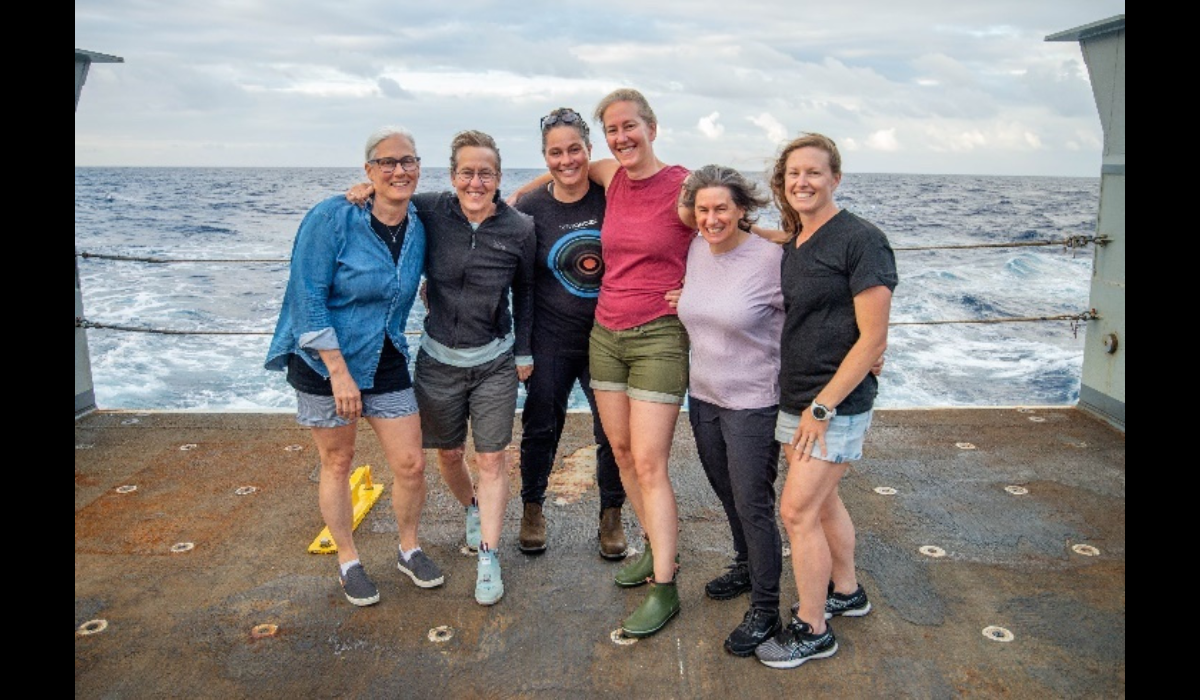
The group from the Technion (L-R): Dr. Laure Arsenieff, postdoctoral fellow (from France); Camelia Shopen-Gochev, Israeli doctoral student; Prof. Debbie Lindell; Dr. Sigitas Šulčius, research fellow/academic visitor (from Lithuania). A team of primarily women, including a group from the Technion led by Professor Debbie Lindell of the Faculty of Biology, embarked on a research trip in the Pacific Ocean from January 22 to February 18. Their objective was to study the biological mechanisms that dictate the structures of diverse biological populations at different latitudes and under various environmental conditions. The Technion team focused primarily on the role of viruses in…
Clean water is crucial for survival, but it is in short supply, with 771 million people living without access to it. It is also a necessity for places that help society function, including power plants, oil refineries, pharmaceutical companies, dairies, breweries, municipalities, textile factories, fish farms, and more. Israeli company Atlantium Technologies, led in part by CTO and Technion alum Ytzhak Rozenberg, is working to help mitigate this widespread issue, by combining old technology developed by a Nobel Laureate with new findings to create their patented disinfection process. Atlantium has combined ultraviolet radiation, or the process of using sunlight to…
The frequency and duration of droughts has increased by nearly a third since 2000, affecting much of Europe this past summer, including Switzerland. Hundreds of thousands of Floridians were left without clean drinking water when Hurricane Ian hit this fall and the same fate awaited residents of Mississippi just months earlier when severe storms contaminated its wastewater treatment facilities. Access to clean drinking water is becoming increasingly scarce, as more than 2.1 billion people globally lack safe drinking water at home, according to UN reports. That’s why preserving clean water — wherever and however we can — has become a…

Pictured Above / Technion researchers have developed a new method that harvests an electrical current directly from seaweed in an environmentally friendly and efficient fashion. Technion Ph.D. candidate Yaniv Shlosberg was walking on the beach one day when he noticed a rock covered by seaweed that looked like electrical cords. He had been researching a type of bacteria that obtained energy through photosynthesis and thought that maybe this sun-loving seaweed could also produce electrical currents. Using that common seaweed, called Ulva, as a source of energy, Shlosberg and a team of researchers from the Technion and the Israel Oceanographic and…

How can Israel, a land of 60% desert, use more than 100% of its available water and still have more for the future? Hear renowned water expert Prof. Furman talk about the ingenious technologies that made Israel a world leader in water conservation. This webinar was moderated by Rob Davidow. ABOUT THE SPEAKERProfessor Alex Furman […]
The Technion has long been a trailblazer in promoting women in science and engineering. In 1924, when academia was largely closed off to women, the Technion’s first class of 17 students included one female. Today, 44% of Technion doctoral students are women, and female faculty and alumni are developing technologies and launching startups across all […]
Video Transcript: Ben Gido, Environmental Engineer and Technion Student: Hi, I’m Ben Gido, an environmental engineer and working as a global wash coordinator for Israel. It is an Israeli-based international humanitarian organization. As part of my role in Israel, I encounter communities which are experiencing water stress and water shortage. I see the burden which […]
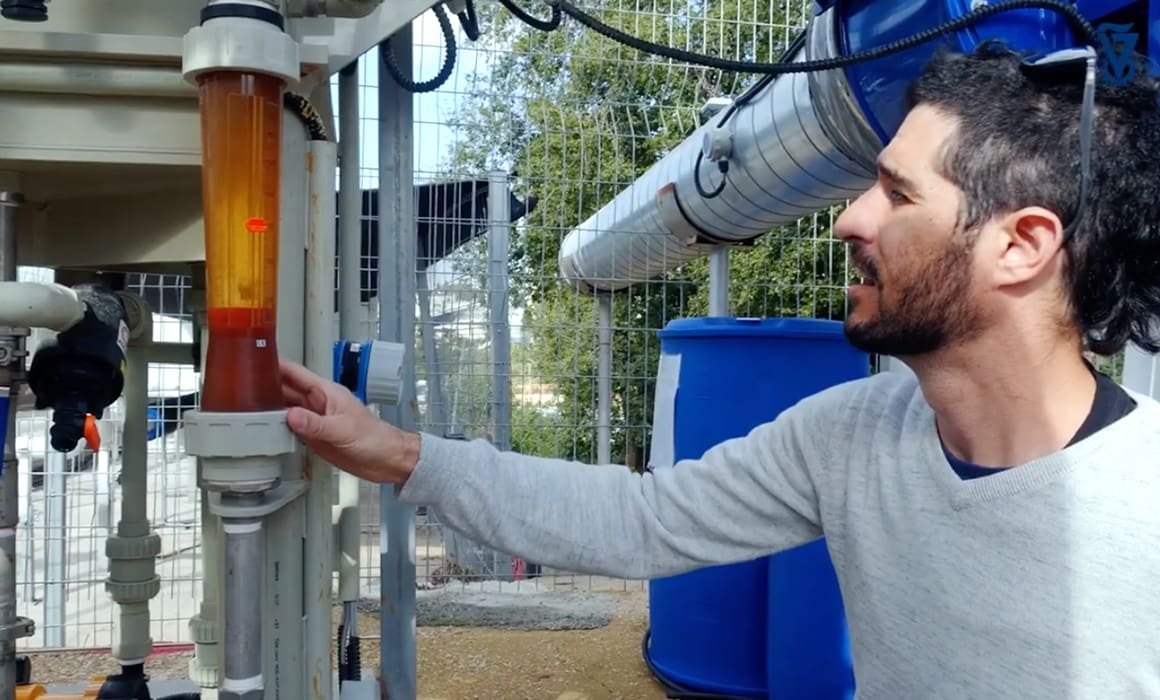
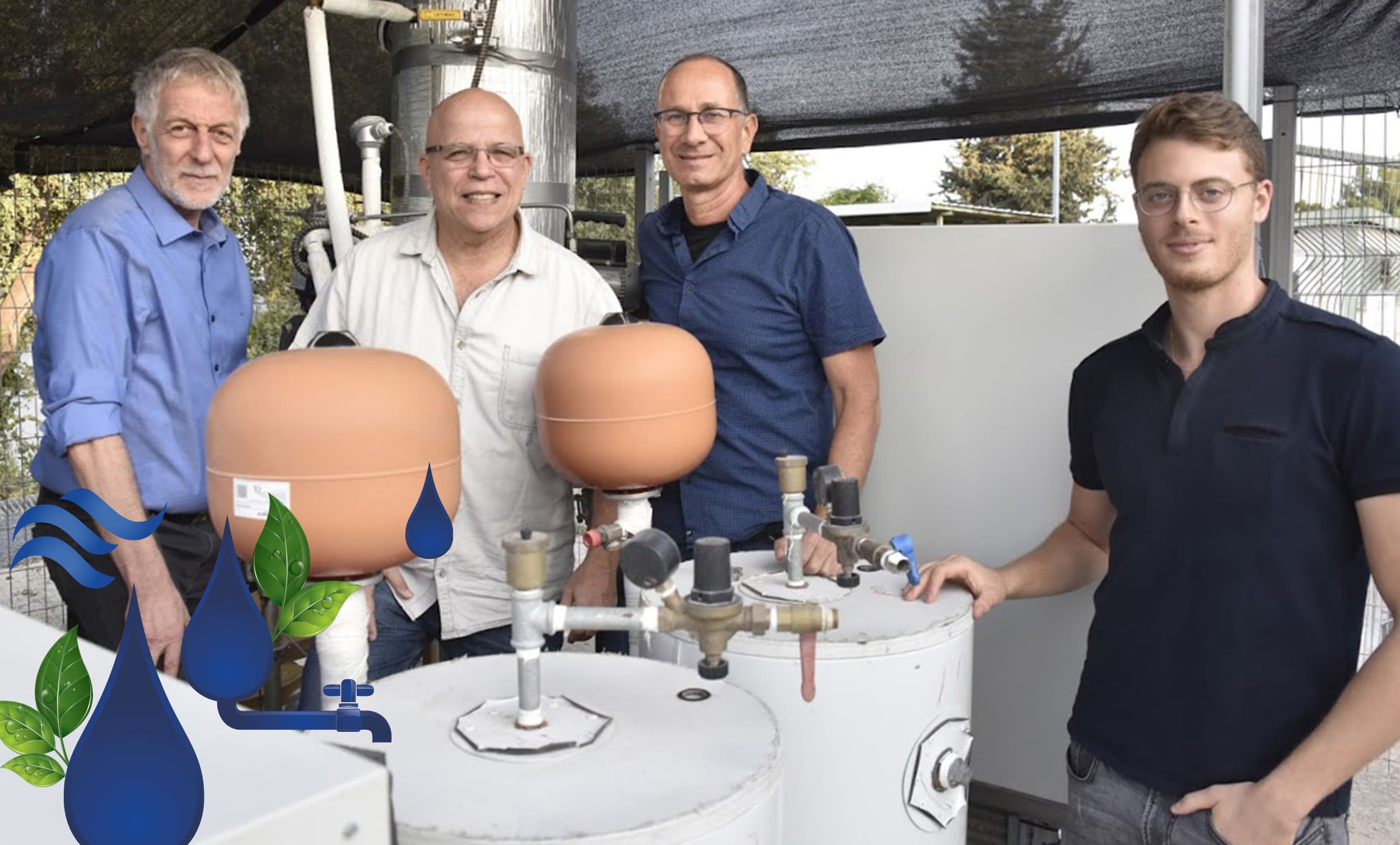
Researchers at the Technion have developed a standalone system that produces water from the air, even in desert regions. The innovative system is capable of providing water to small and isolated communities, without the need to transport water for long distances. Water: An essential element for life According to estimates by the World Health Organization (WHO), about 13% of the world’s population will suffer from insufficient availability of drinking water by 2025. It’s why access to fresh water is one of the 17 Sustainable Development Goals (SDGs) adopted by the United Nations in 2015 — and why Technion researchers were so…