Something Fresh in the State of Denmark
October 06, 2026




















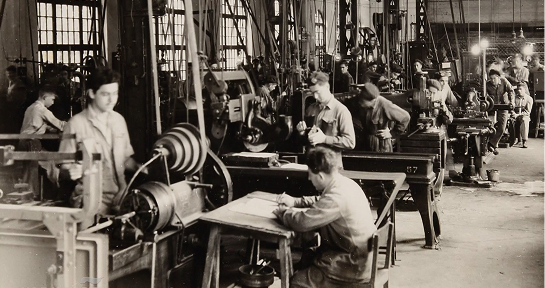
The Technion’s story has been intertwined with Israel’s for more than a century, from laying the foundations for a new nation to shaping its future.

Step inside Israeli innovation at the David and Janet Polak Visitors Center. Experience our 360° immersive movie and tech exhibition. Open to individuals and groups.
Learn More
Even before the establishment of the State of Israel, faculty, students, and alumni of the Technion helped develop and manage water resources in a desert land. They contributed to the national water carrier that brought water from the Kinneret (Sea of Galilee) in the north to the drylands in the south. They improved technologies for water treatment, desalination, and drip irrigation. These efforts have turned Israel from a water-deficient to a water-abundant country.
Today, Israel leads the world in water reclamation, recycling more than 90% of its wastewater for use in agriculture and industry. No longer reliant on the Kinneret, Israel’s five desalination plants provide the bulk of the country’s drinking water. Complex systems carry diverse water types from diverse water sources for diverse water needs.
But far from resting on its laurels, improving the sustainability and quality of water and water management facilities remains a major priority for Israel and for the Technion. The University established the Stephen and Nancy Grand Water Research Institute (GWRI) in 1993 to address these challenges through science, technology, engineering, and policy development.
The GWRI comprises more than 40 researchers from various faculties, including civil, environmental, mechanical, and chemical engineering, as well as chemistry, biotechnology, and more. They publish about 200 papers a year on topics from water resource management to aquaculture systems to feed a burgeoning world population. While its focus is on the needs of Israel, it is also very much involved internationally.
“One-third of the world’s population lives under water scarcity conditions,” said Professor Eran Friedler, director of the GWRI and the Henry Goldberg Academic Chair in the Faculty of Civil and Environmental Engineering. He is also a Technion alumnus, having received a Ph.D. in environmental engineering in 1994.
“The number will only increase due to population growth, urbanization, and climate change. And this can lead to political instability and refugees,” Prof. Friedler added.
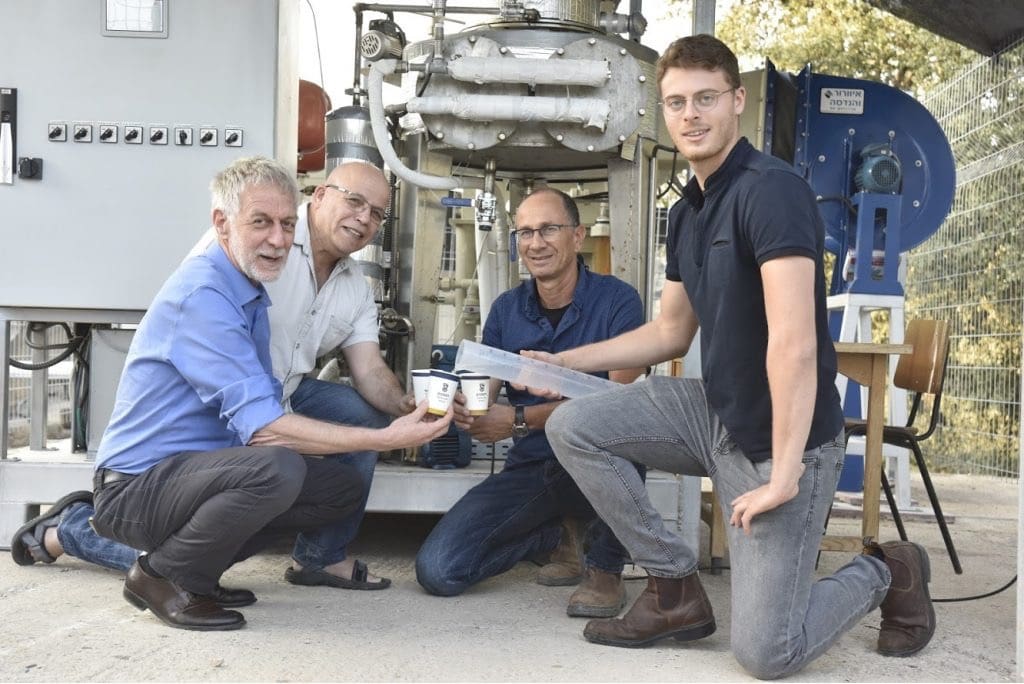
That’s the reason he coinvented a system that produces clean water from the air with a colleague, Professor David Broday. Their atmospheric water generator harvests air moisture by an innovative continuous liquid desiccant system. Energy is only invested when condensing the vapor into liquid water. They founded a startup, H2OLL (opens in a new tab), to commercialize the product.
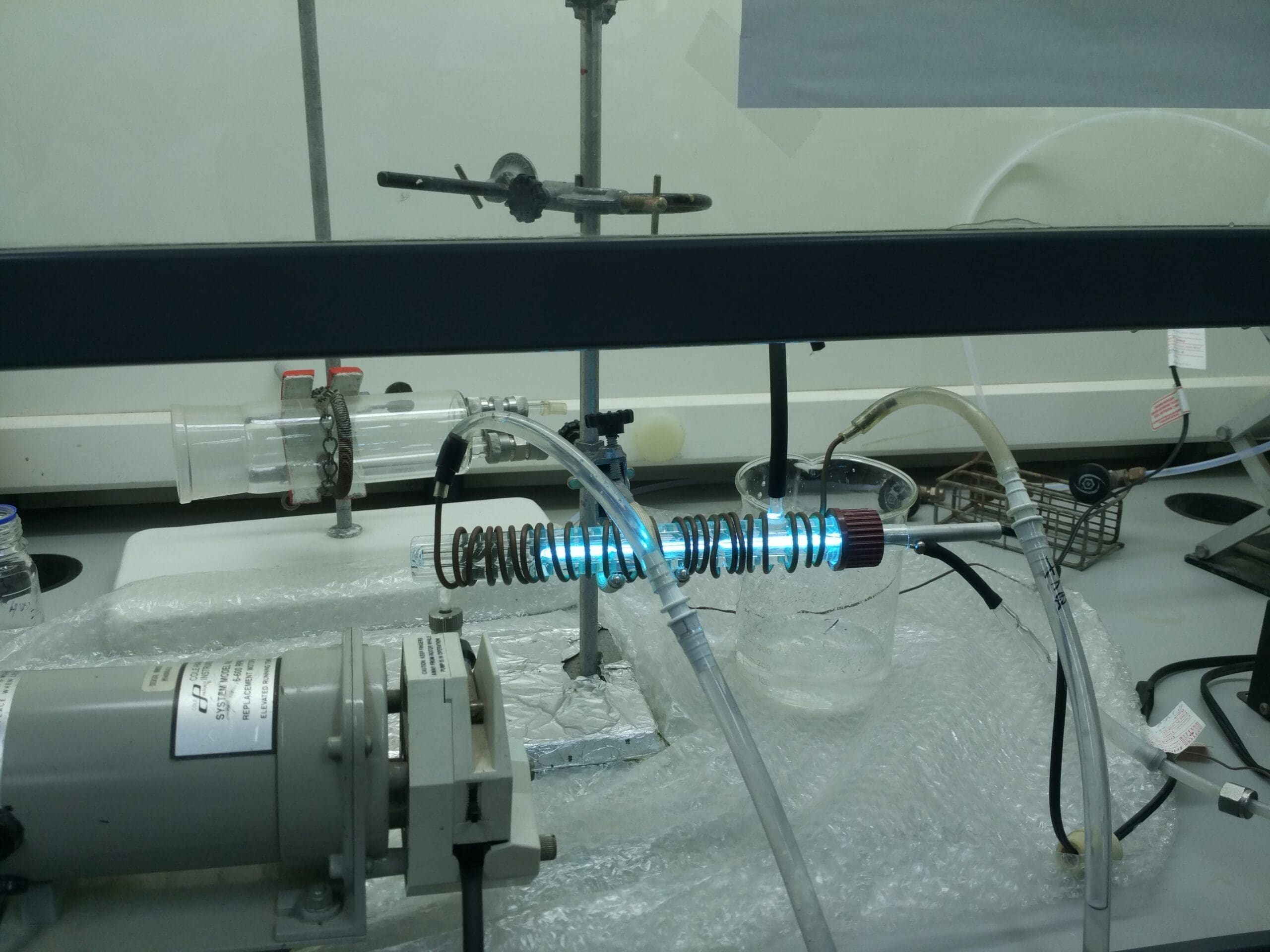
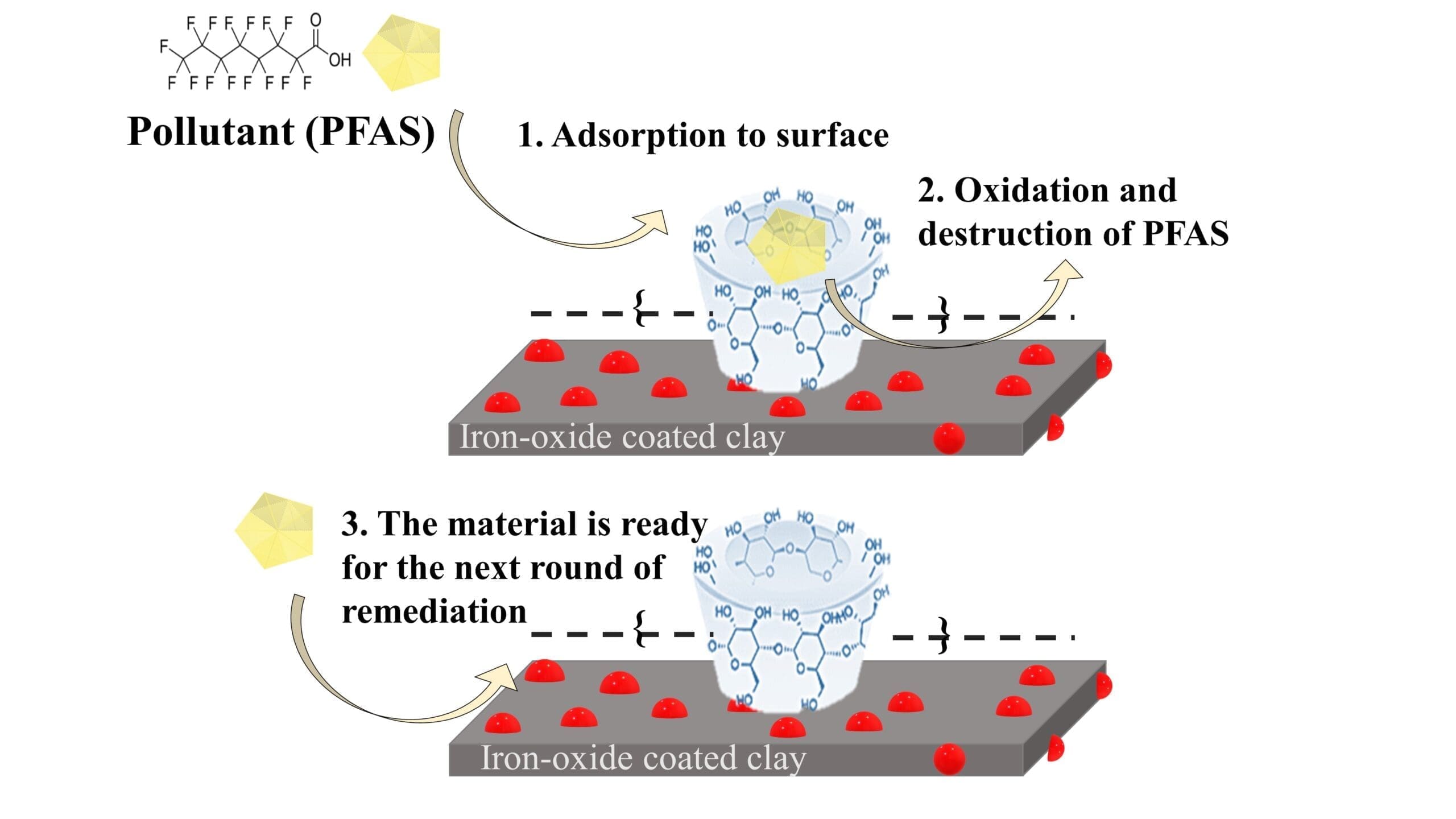
She has already had great success with removing “forever chemicals” from water systems. These are toxic substances like Teflon and other nonstick materials that repel water. Using iron oxide-coated clay together with cyclodextrin polymers, she was able to remove 90% of them from contaminated water in just minutes.
Since Israel has been using desalinated water for drinking and reclaimed wastewater for agriculture in greater quantities and longer than any other country, Profs. Friedler, Dubowski, and Radian, and other Technion researchers are sure to play a major role in solving the world’s water scarcity problems. They acknowledge that the key is finding environmentally sustainable and affordable means to do it.