Something Fresh in the State of Denmark
October 06, 2026
























The Technion’s story has been intertwined with Israel’s for more than a century, from laying the foundations for a new nation to shaping its future.

Step inside Israeli innovation at the David and Janet Polak Visitors Center. Experience our 360° immersive movie and tech exhibition. Open to individuals and groups.
Learn More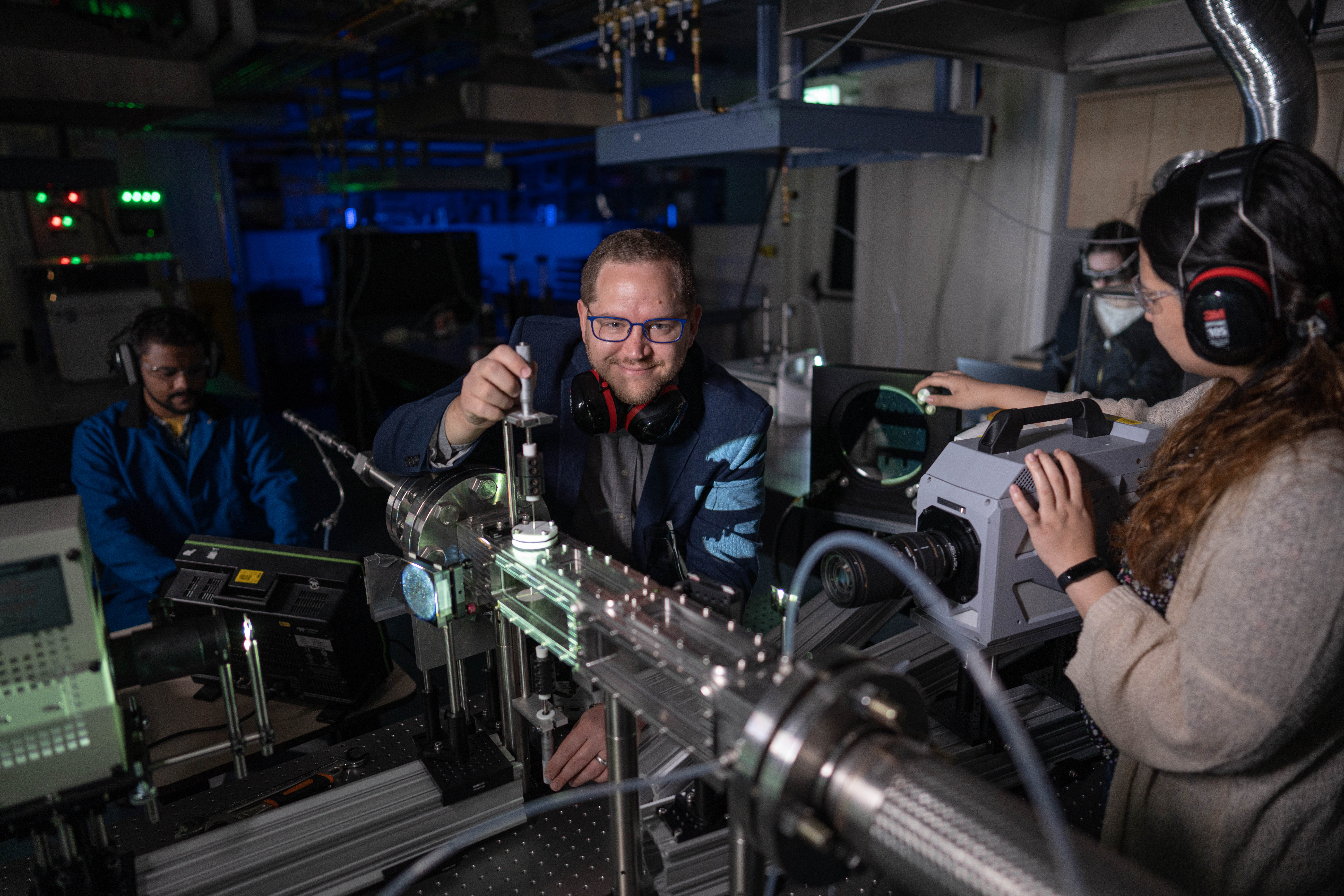
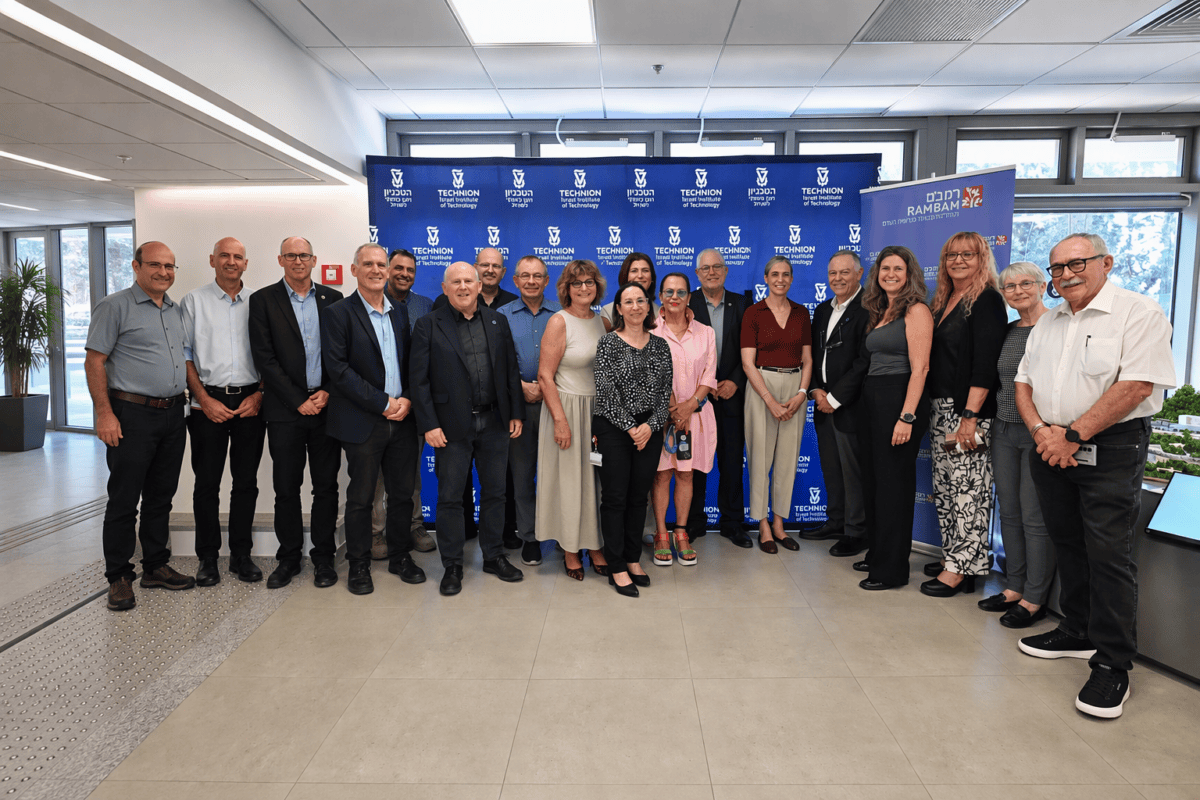
Bringing these diverse fields together under one roof is intended to shorten the journey from discovery to application, creating an environment where medical needs can spark new research and promising innovations can move more quickly toward the patients who need them. “The combination of a research hospital and a technological university provides the entire value […]
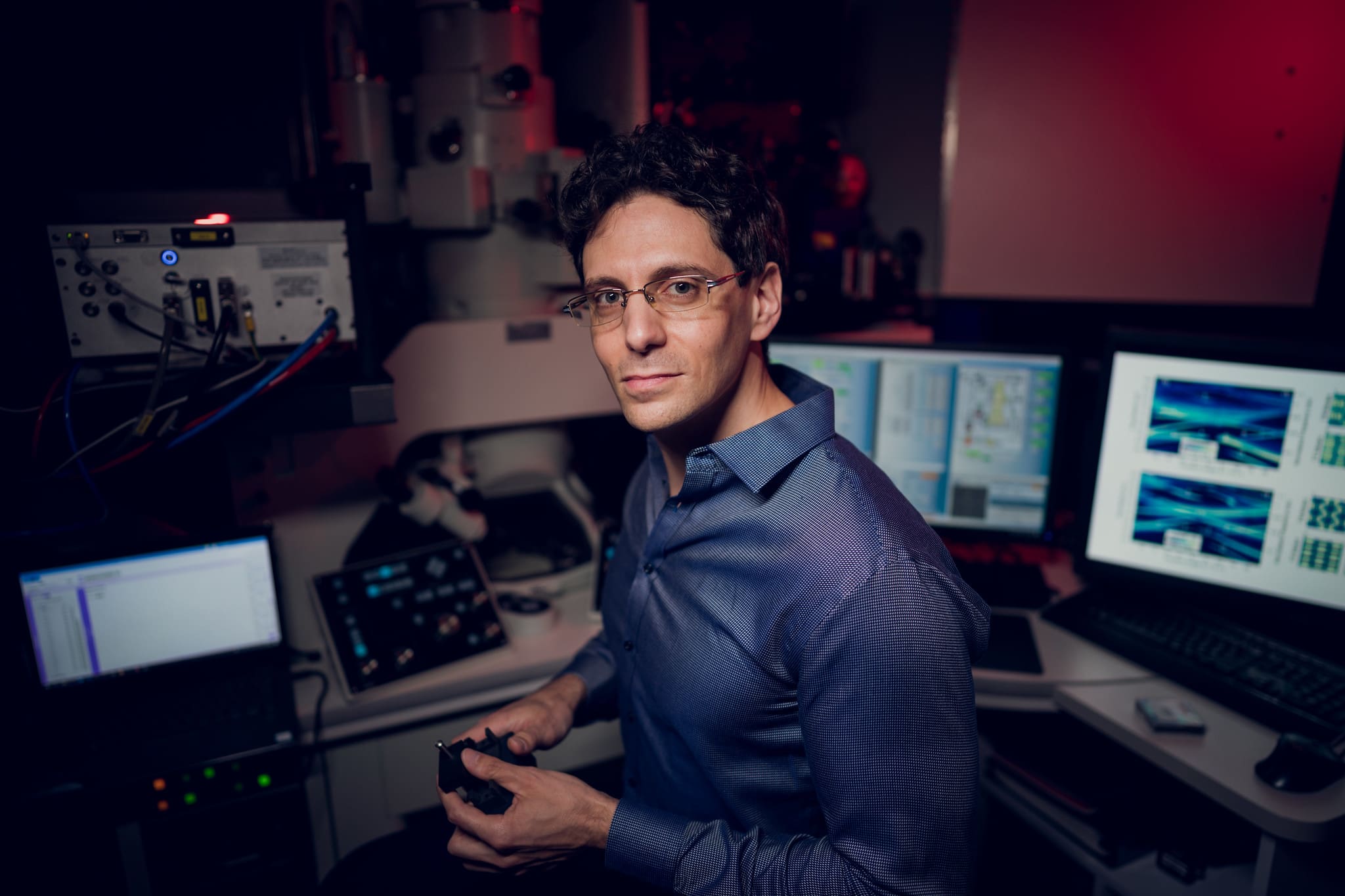
Dark points within a changing wave pattern can shift faster than light, even while the waves carrying energy move far more slowly. An electron microscopy experiment has tracked that counterintuitive behavior in a thin material sample. The moving features are locations where a measured wave field cancels to zero. Their motion describes an evolving pattern, […]
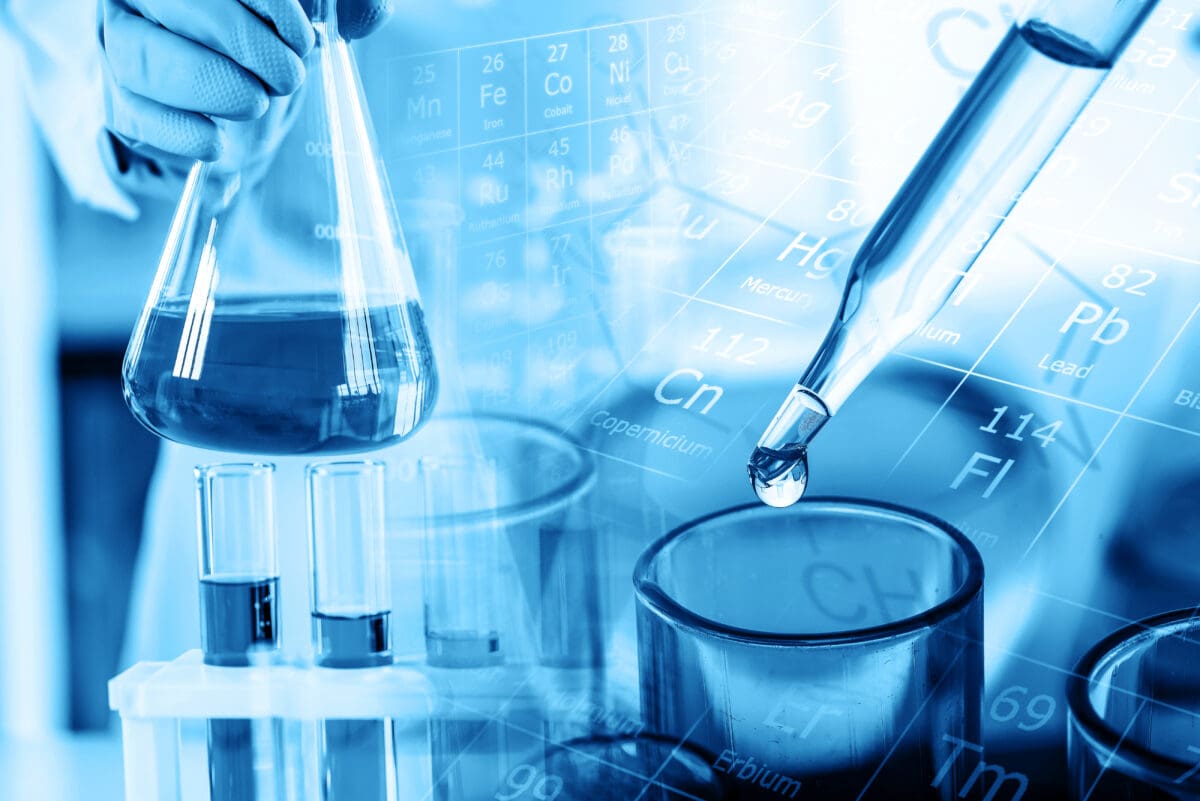
The next generation of sustainability breakthroughs depends not only on bold ideas but also on investing in the people behind them. Prof. Andy Thawko, David and Meira Ilfeld Faculty Fellow and head of the Technion Reactive Thermofluidics Lab, illustrates how early support can help launch a research career with global impact. A Technion alumnus and […]

Artificial intelligence is not simply changing higher education — it is detonating old assumptions about how students learn and how professors teach. As universities worldwide grapple with how to respond, the Technion is working to confront the questions head-on. Here, AI is not treated as a threat but a catalyst, prompting careful reexamination at every […]

This time of year, pomegranates are piled high in produce aisles, stacked in bins at the farmers market, and decorating Rosh HaShanah tables. When it comes to extracting the juicy seeds, everyone has their own unique technique. Some score the crown and pull the fruit apart in a bowl of water so the seeds sink […]

Despite New York City Mayor Zohran Mamdani’s past calls to boycott Cornell Tech because of its partnership with Israel’s Technion-Israel Institute of Technology, city officials and Jewish community leaders on Wednesday announced a $250,000 investment in a Cornell Tech research initiative aimed at expanding New York City’s tree canopy to combat rising temperatures. New York City Council Speaker Julie Menin, the first Jewish woman to hold the post, and other officials unveiled the funding for Cornell Tech’s Urban Tech Hub at the Jacobs Technion-Cornell Institute on Roosevelt Island. The grant will launch the Generative Tree Canopy Project, which will use…

For decades, the Energy Tower by Dan Zaslavsky was one of the most audacious clean-energy ideas never built. And it was the first story we covered when Green Prophet was founded in 2007! Conceived by Dr. Phillip Carlson and championed by Professor Dan Zaslavsky of the Technion – Israel Institute of Technology, the Energy Tower proposed something almost magical: spray seawater into the top of a giant desert tower, cool the hot air, let it plunge downward at high speed, and generate electricity through turbines at the base. The hotter and drier the desert, the better it would work. Zaslavsky…
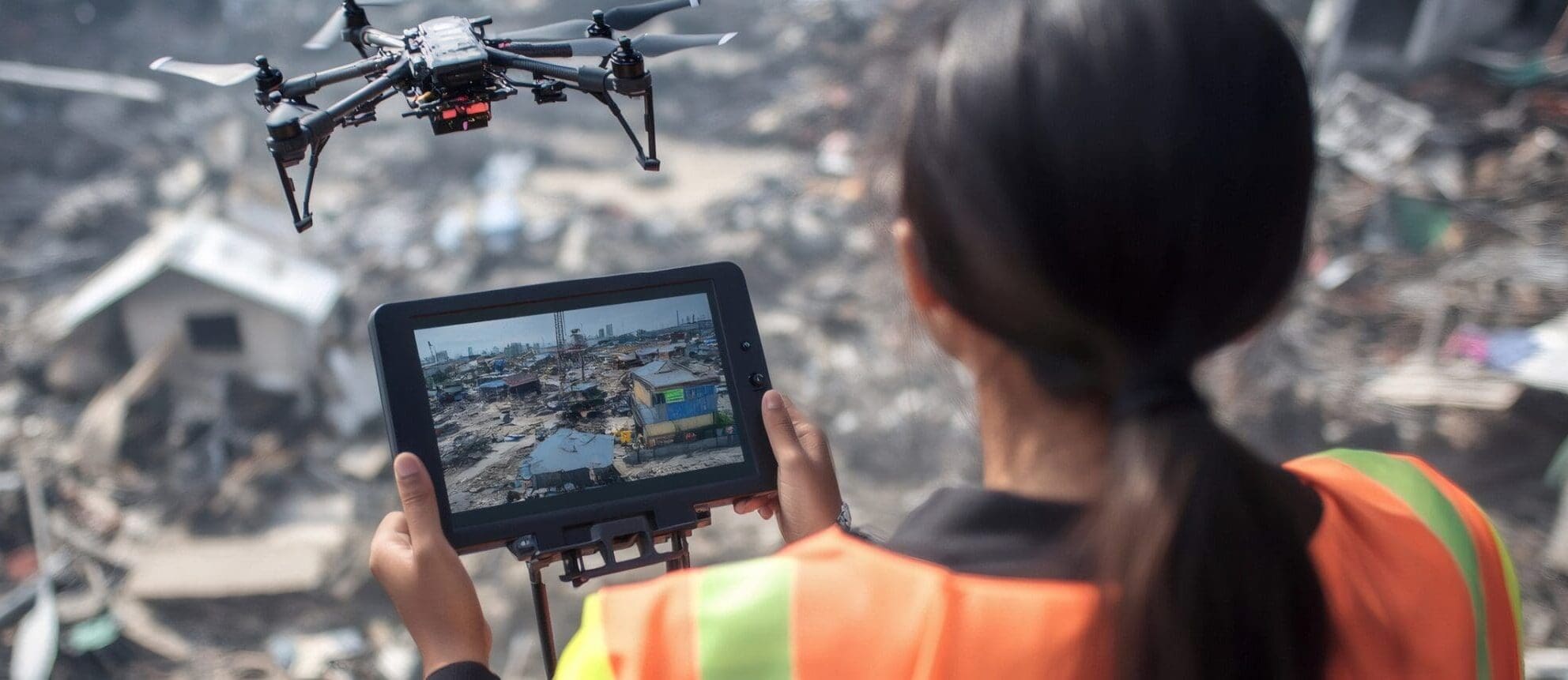
Mexico City’s Topos Azteca search and rescue brigade has been using Israeli technology to access areas still too dangerous for humans to enter in search of victims buried under the rubble in Venezuela’s La Guaira earthquake sites. The death toll in Latin America’s largest natural disaster in decades has risen to over 2,600, and while hopes of finding more survivors diminish, search and rescue teams are not stopping. Dozens of countries have sent personnel to the disaster areas, including Syria’s White Helmets (the Syria Civil Defense humanitarian aid volunteer organization). Despite not having diplomatic relations with Caracas for 17 years,…
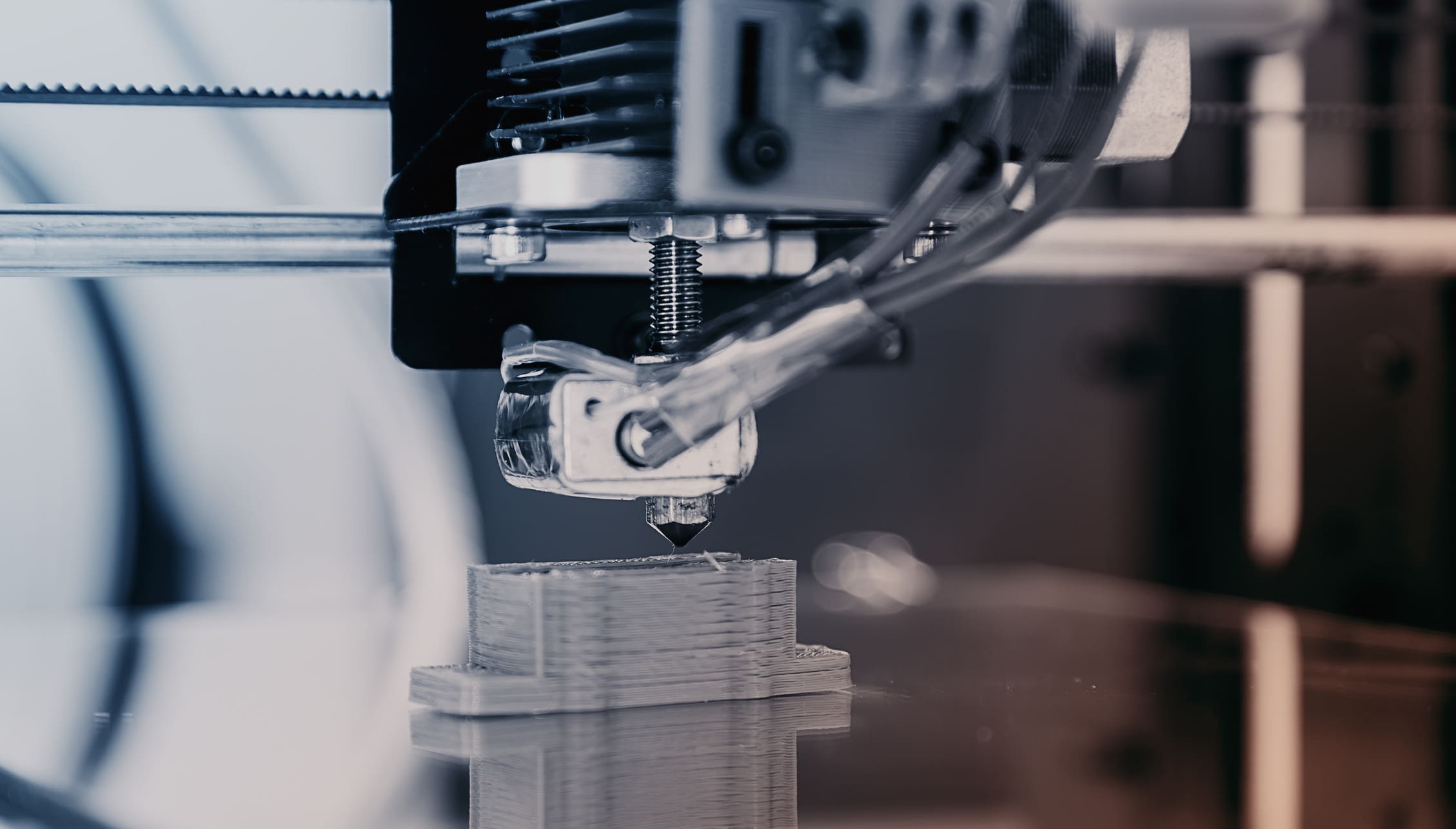
“The global construction industry is facing a multi-dimensional crisis: rising demand for infrastructure and housing, severe skilled labor shortages, increasing material costs, and heavy environmental pressure,” says Eran Carmi, Founder and CEO of Shahaf PY. Born out of the development department of veteran firm Shahaf Stone & Marble, the Israeli startup is building a new generation of 3D concrete printing systems designed to propel the industry toward smarter, highly scalable manufacturing. “My career began working with my father in a basalt quarry in Tiberias. Both he and his father were stonemasons and taught me the value of craftsmanship,” Carmi explains….

Researchers at the Technion – Israel Institute of Technology and Tianjin University in China say they have developed a new approach that could make hydrogen fuel cells more affordable, durable and efficient while allowing them to operate with ambient air. Their findings, published in Nature Energy, focus on anion-exchange membrane fuel cells, or AEMFCs, which generate electricity through a reaction between hydrogen and oxygen. Unlike some conventional fuel cell technologies, AEMFCs can use cheaper and more abundant materials, potentially reducing system costs. The technology is being studied for use in transportation, aviation, aerospace, drones, distributed energy systems, backup power and…

Researchers have developed a set of tools that look inside large language models to detect when they go wrong, including hallucinations, memorization of training data and other forms of unreliable output. Rather than relying only on a model’s final answer, the approach analyzes internal signals produced during computation, including activation patterns, attention maps and output probability distributions. The goal is to identify signs of failure as the model generates text. These challenges are a major focus of the research group led by Dr. Haggai Maron from the Andrew and Erna Viterbi Faculty of Electrical and Computer Engineering at the Technion…
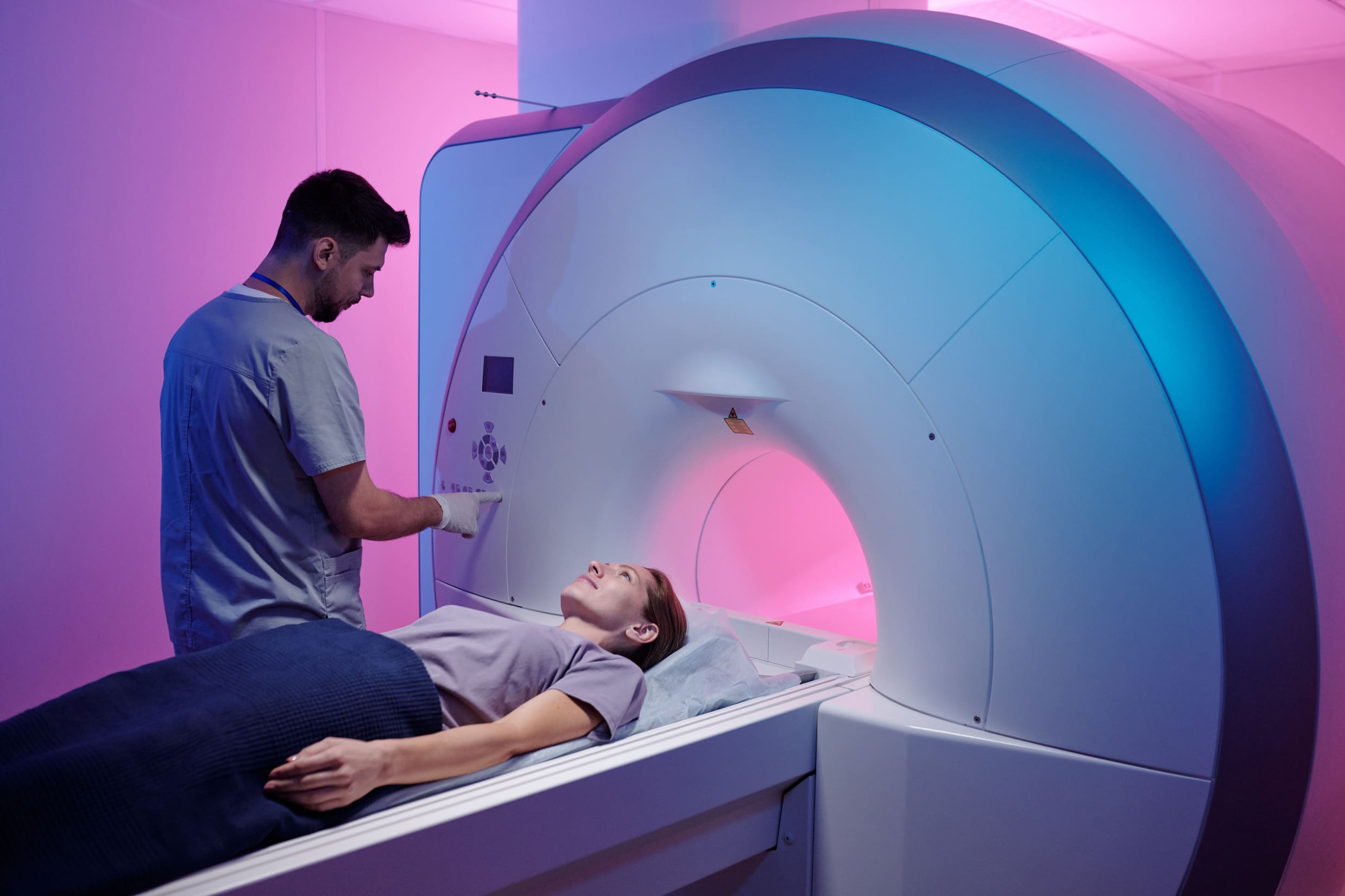
A group of researchers from the Technion – Israel Institute of Technology, and the United States has reported a breakthrough in MRI scanning that could significantly improve breast cancer diagnosis, according to a paper published in Nature Communications. The researchers developed a new method, called ELITE, that accelerates and enhances MRI scans used in breast cancer imaging, a disease diagnosed in approximately 2.3 million people each year, most of them women. The approach combines artificial intelligence with advanced mathematical modeling to enable dynamic MRI imaging at what the researchers describe as unprecedented speed and accuracy. The international study brings together…