Something Fresh in the State of Denmark
October 06, 2026
































The Technion’s story has been intertwined with Israel’s for more than a century, from laying the foundations for a new nation to shaping its future.

Step inside Israeli innovation at the David and Janet Polak Visitors Center. Experience our 360° immersive movie and tech exhibition. Open to individuals and groups.
Learn More

Concrete shapes the world you live in, but its environmental toll is massive. Imagine, though, if the buildings around you could grow and breathe, helping to heal the planet. This isn’t science fiction. It’s the vision of CyanoCement. Developed by researchers from the Technion – Israel Institute of Technology, this innovative biocement uses ancient microbes to redefine how we think about construction materials. At the heart of CyanoCement are cyanobacteria, tiny photosynthetic organisms responsible for Earth’s first oxygen-rich atmosphere. By leveraging these extraordinary capabilities, the team—Perla Armaly, Yuval Berger, Lubov Iliassafov, Keren Rosenblau, Yechezkel Kashi, and Shany Barath—crafted a process where these microbes bind minerals…

Researchers at the Technion – Israel Institute of Technology have developed a technology that allows users to control movement in AI-generated videos using simple mouse gestures, without requiring large computing resources or retraining on massive video datasets. The system, called Time to Move, or TTM, was developed by Dr. Or Litany of the Henry and Marilyn Taub Faculty of Computer Science, together with Prof. Ron Kimmel and students Asaf Singer, Noam Rotstein and Amir Mann. Litany presented the research last month at the International Conference on Learning Representations, or ICLR 2026, in Brazil. The conference is considered one of the…

The first small satellite of the CloudCT network has been integrated, tested, and prepared for launch from California in June 2026. This precursor mission will be followed, if successful, by the launch of 10 additional CloudCT satellites in 2027, helping to fill gaps in our understanding of clouds and their role in climate. This marks the culmination of seven years of intensive research by Israeli and German scientists from the Weizmann Institute of Science (led by Prof. Ilan Koren), the Technion – Israel Institute of Technology (led by Prof. Yoav Schechner), and Zentrum für Telematik (led by Prof. Klaus Schilling)….
Israel is no stranger to defending itself against existential threats. When the war in Gaza revealed that GPS-based drones could be disabled through cyberattacks, Technion – Israel Institute of Technology alumni in the defense establishment got straight to work. Hear from Brigadier General (res.) Prof. Jacob Nagel, head of the Center for Security Science and […]


Generations of faculty, students, and alumni have helped build the technologies, companies, and industries that earned Israel its reputation as the “Startup Nation,” with Technion – Israel Institute of Technology graduates founding hundreds of startups and driving breakthroughs in fields ranging from AI and cybersecurity to semiconductors and robotics. Here’s a look at some recent […]
Since the founding of the State of Israel, protecting the nation has been a defining focus for Technion faculty, students, and alumni. Across generations, they’ve helped shape the country’s defense and security ecosystem through breakthrough science and engineering. Here’s a look at recent innovations that are making a real-world impact in the defense sector.
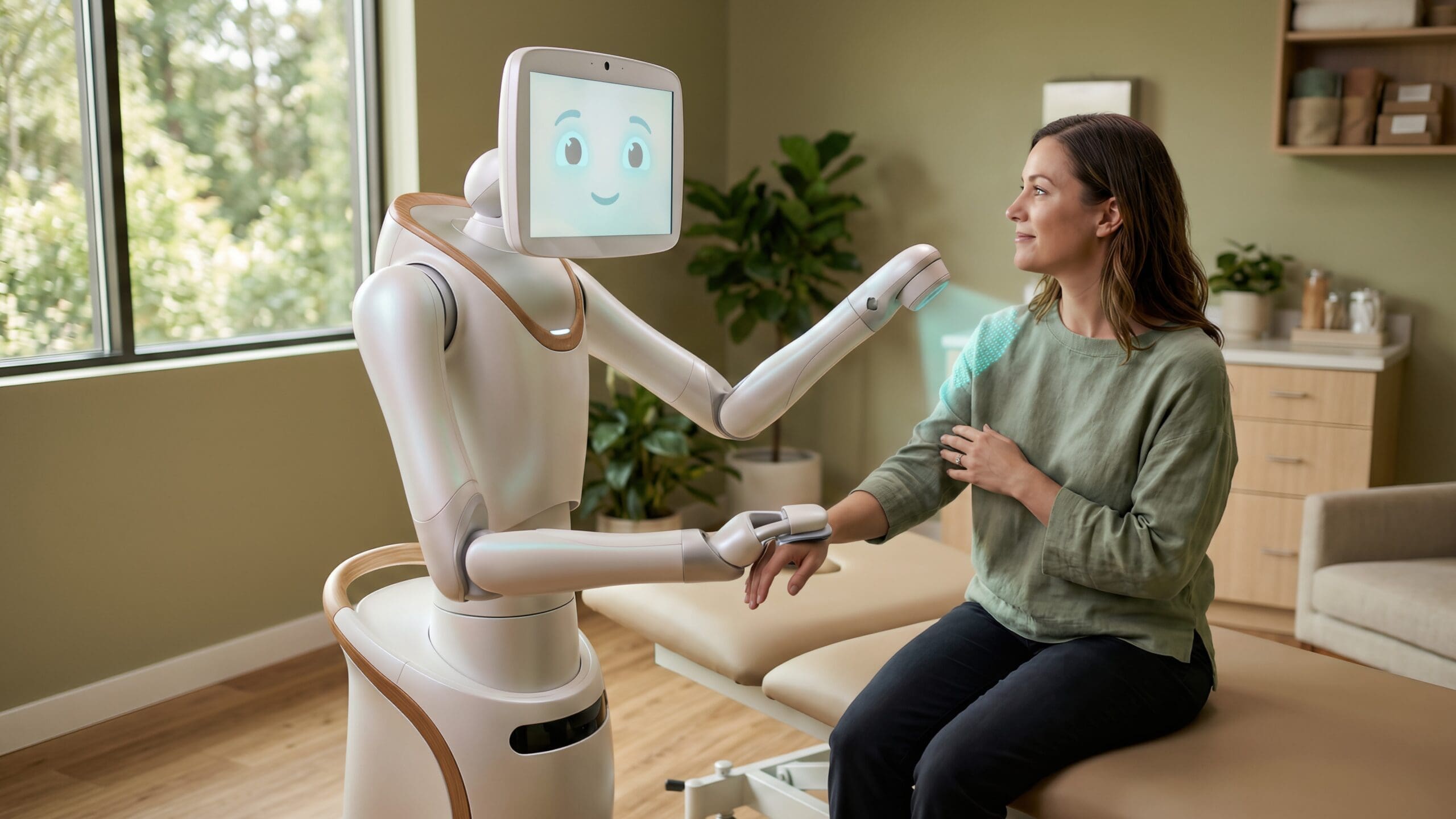
As robots enter hospitals and care facilities, questions remain about whether they actually make care easier for the people who give and receive it. A new Cornell Tech-led study approaches that challenge by inviting healthcare workers, long-term care residents, and community members to help design the robots themselves. Presented at the 2026 Association for Computing Machinery CHI Conference on Human Factors in Computing Systems, the research documents a 14‑week “co-design” project in which nurses, doctors, nursing center residents, artists, engineers, computer scientists, and craftsmen worked side by side to imagine and physically build robots that could ease daily burdens in…

According to a recent report, government officials in the United States and Israel are considering a joint effort to develop a large-scale research and development campus for artificial intelligence in Israel’s Western Negev desert. The plan, which is called Project Spire, would create an advanced fabrication and design center to produce, assemble, and test a new generation of computer chips to meet the demands of the rapidly developing artificial intelligence era. The report in the Wall Street Journal was written by two members of Hudson Institute’s Center for Peace and Security in the Middle East, a conservative think tank based…
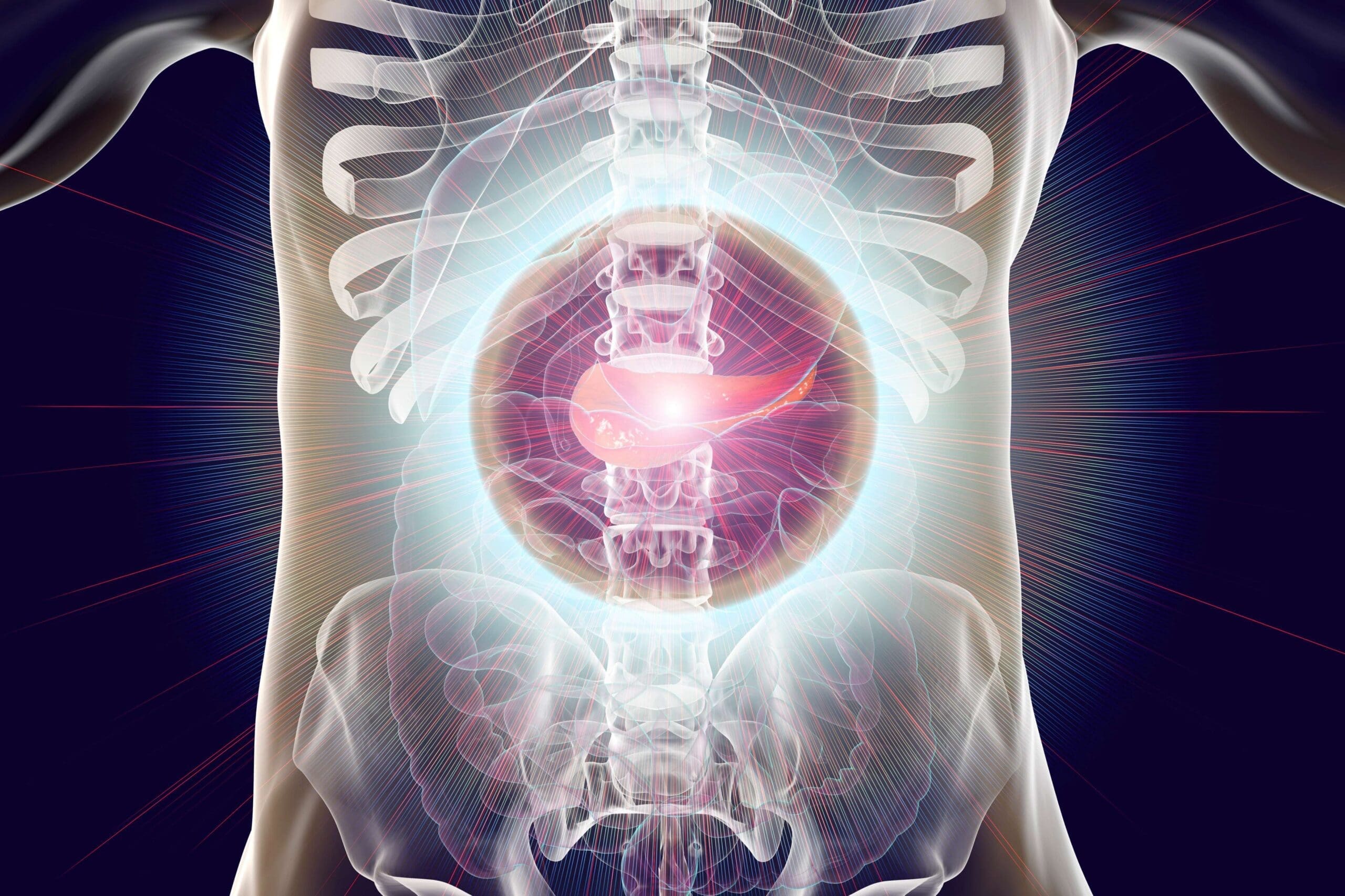
Consider pancreatic cancer – the disease that killed Steve Jobs, e.g., despite the best medical technology money could buy. Approximately 467,000 to 500,000 people die from pancreatic cancer worldwide each year. It is the sixth most common cause of cancer death globally. Due to its high mortality rate and lack of early detection, the number of deaths is projected to rise significantly in the coming decades. And no new drug to treat it has gained FDA approval – for 30 years! Moreover, survival rates are bleak: Metastatic (Stage IV): 3–6 months, though recent advancements may improve this. Locally Advanced (Stage…
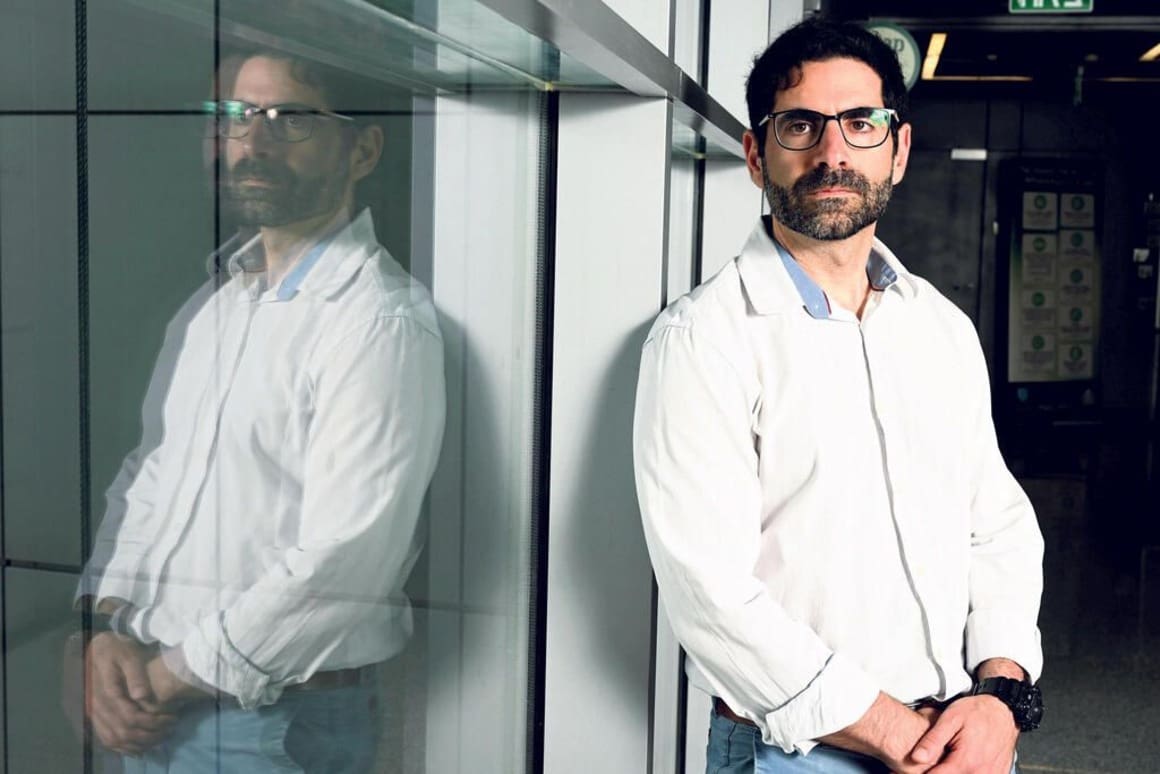
When Gal Harari ’06, M.S.’12, Ph.D. ’17 speaks about the Technion, it’s with admiration and gratitude. “The Technion has made me a man of technology,” said the chief technology officer of Israel’s Directorate of Defense Research and Development (DDR&D), a joint body of the Israel Ministry of Defense (MOD) and the Israel Defense Forces (IDF) […]
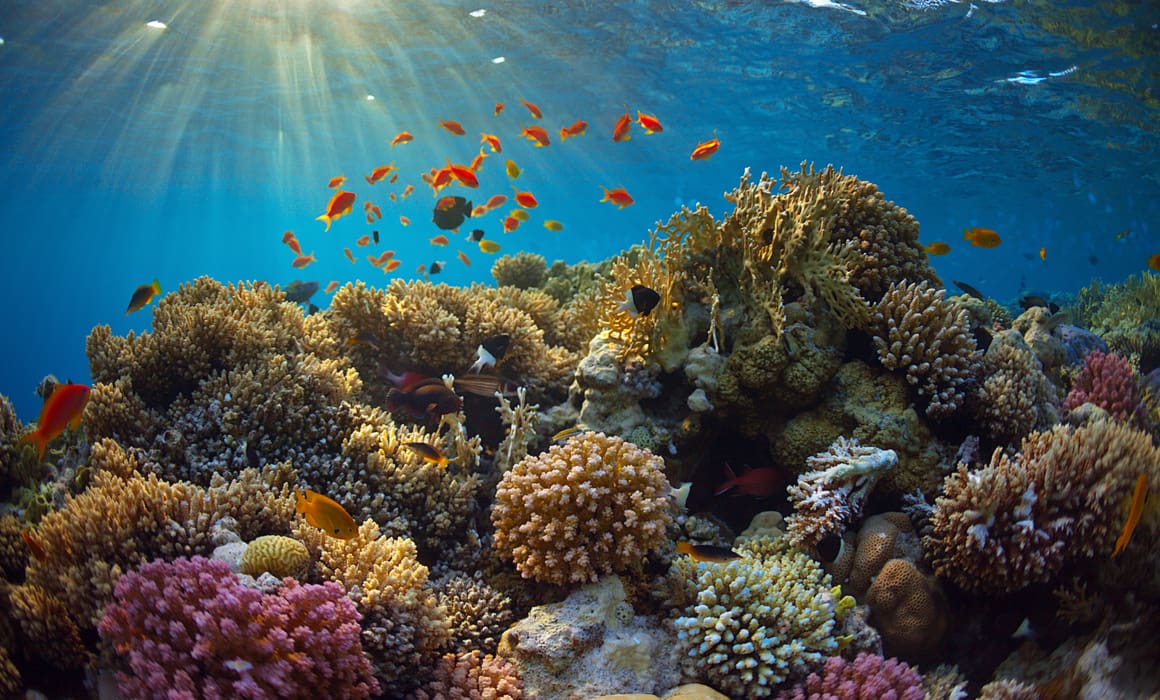
Coral reefs are facing extinction, but a revolutionary combination of 3D printing and ceramics, pioneered by Technion Prof. Ezri Tarazi, might be the solution we’ve been waiting for. In this visionary TEDx talk, Prof. Tarazi demonstrates how “Deep Design” is being used to rebuild the world’s crumbling marine ecosystems. From the Red Sea to the […]