Assaf Glazer on How Grit Turns Ideas Into Impact
November 24, 2026
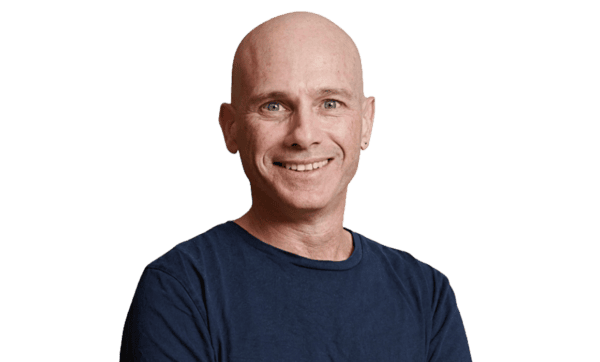















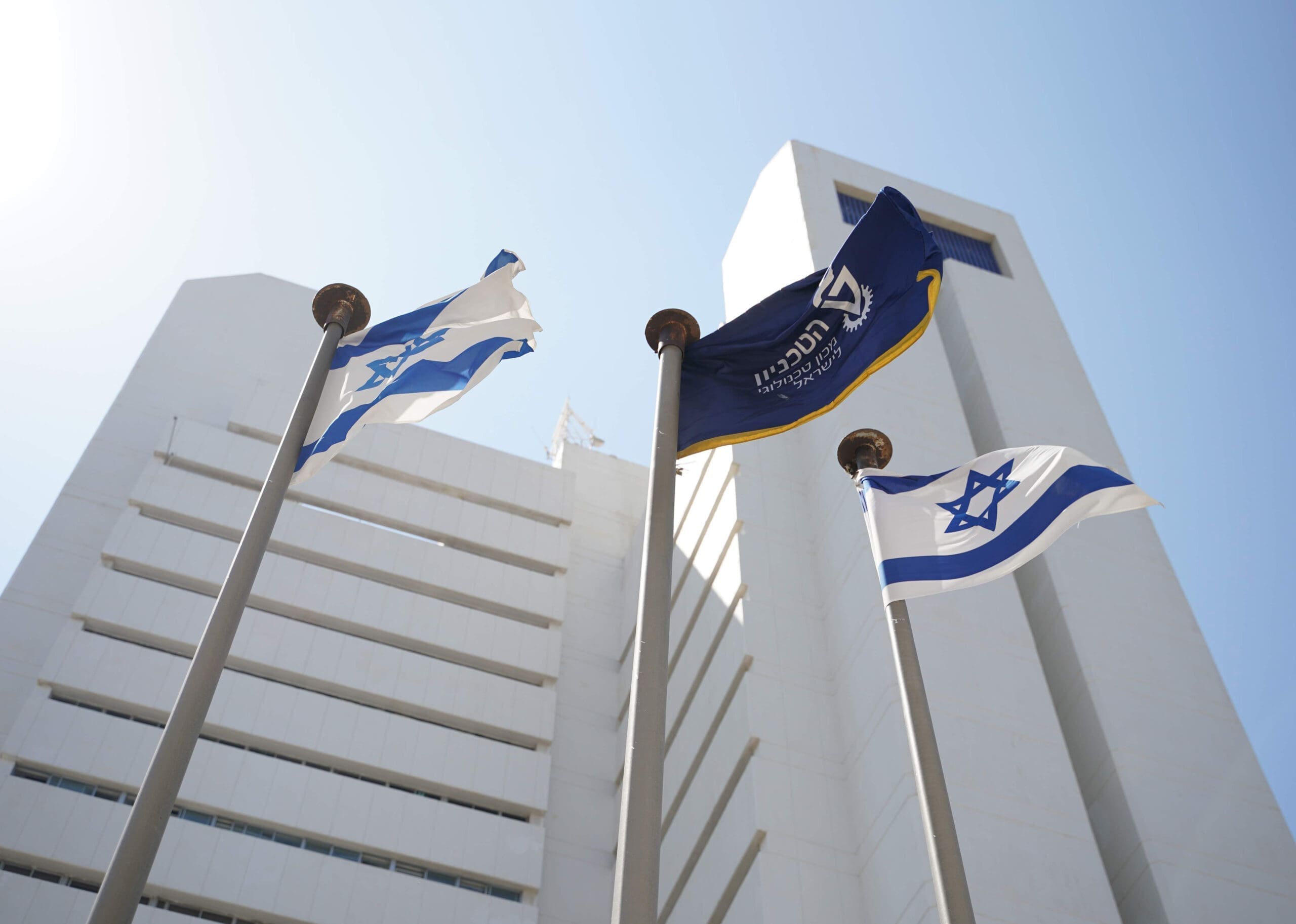
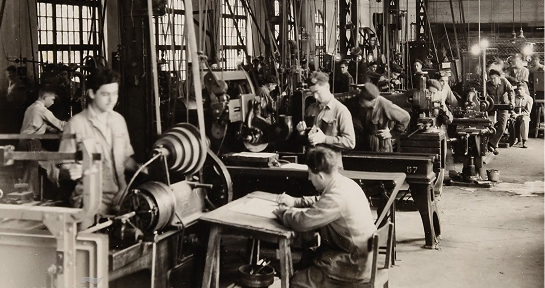
The Technion’s story has been intertwined with Israel’s for more than a century, from laying the foundations for a new nation to shaping its future.
Step inside Israeli innovation at the David and Janet Polak Visitors Center. Experience our 360° immersive movie and tech exhibition. Open to individuals and groups.
Learn MoreTwenty-eight teams put their ideas to work at the Technion’s first NASA Space Apps Challenge
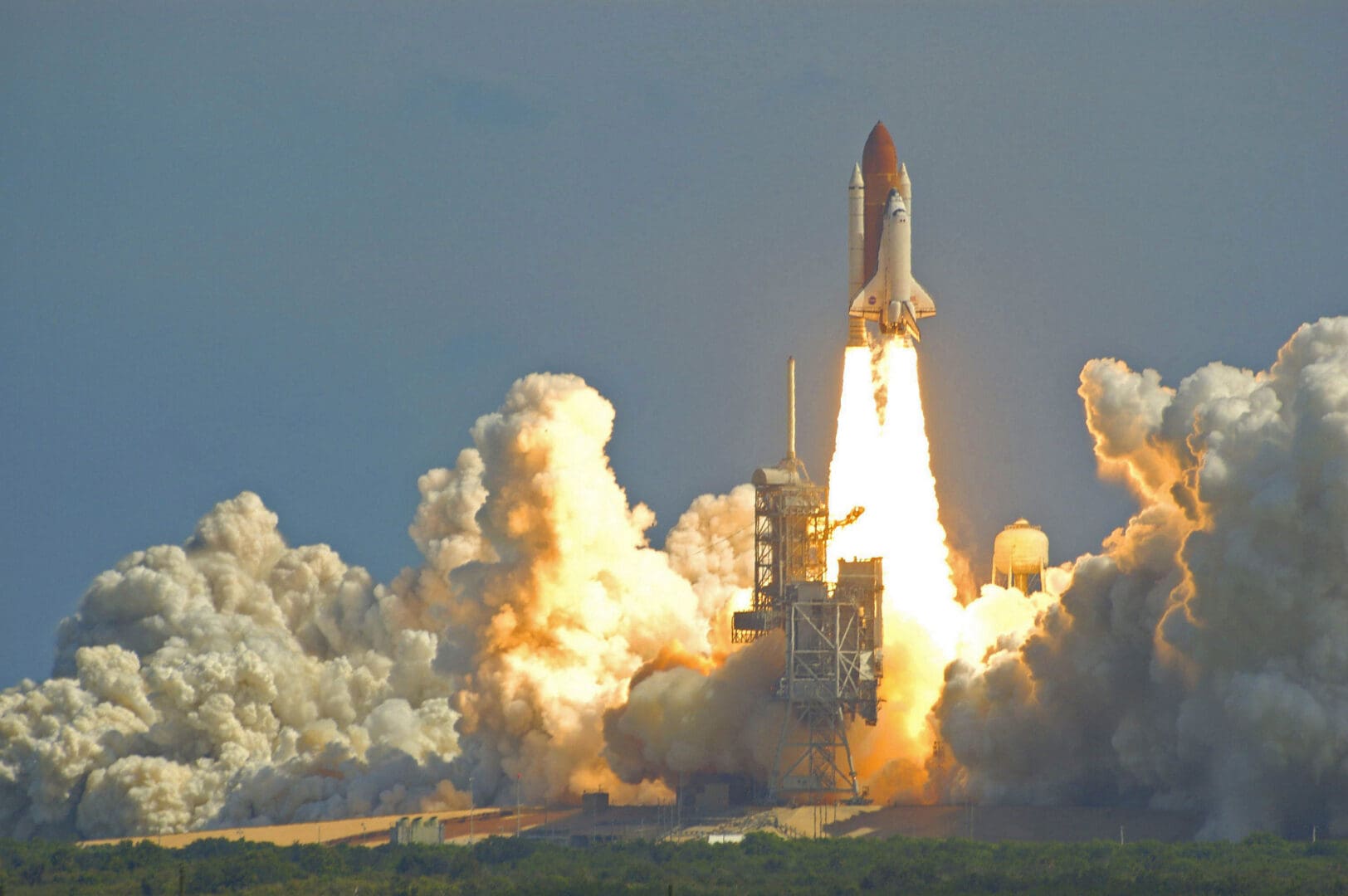
What can you accomplish in a weekend with NASA data, a tough problem, and a room full of people eager to solve it? At the Technion – Israel Institute of Technology, about 100 participants working in 28 teams got the chance to find out. On November 14–15, the university hosted an official NASA Space Apps Challenge for the first time, joining a worldwide hackathon that brings people together to develop solutions using open data from NASA and its international space-agency partners.
About 65% of the participants were Technion students or alumni. Together, they tackled 14 challenges centered on space exploration and Earth science, using data from NASA and 17 international space-agency partners.
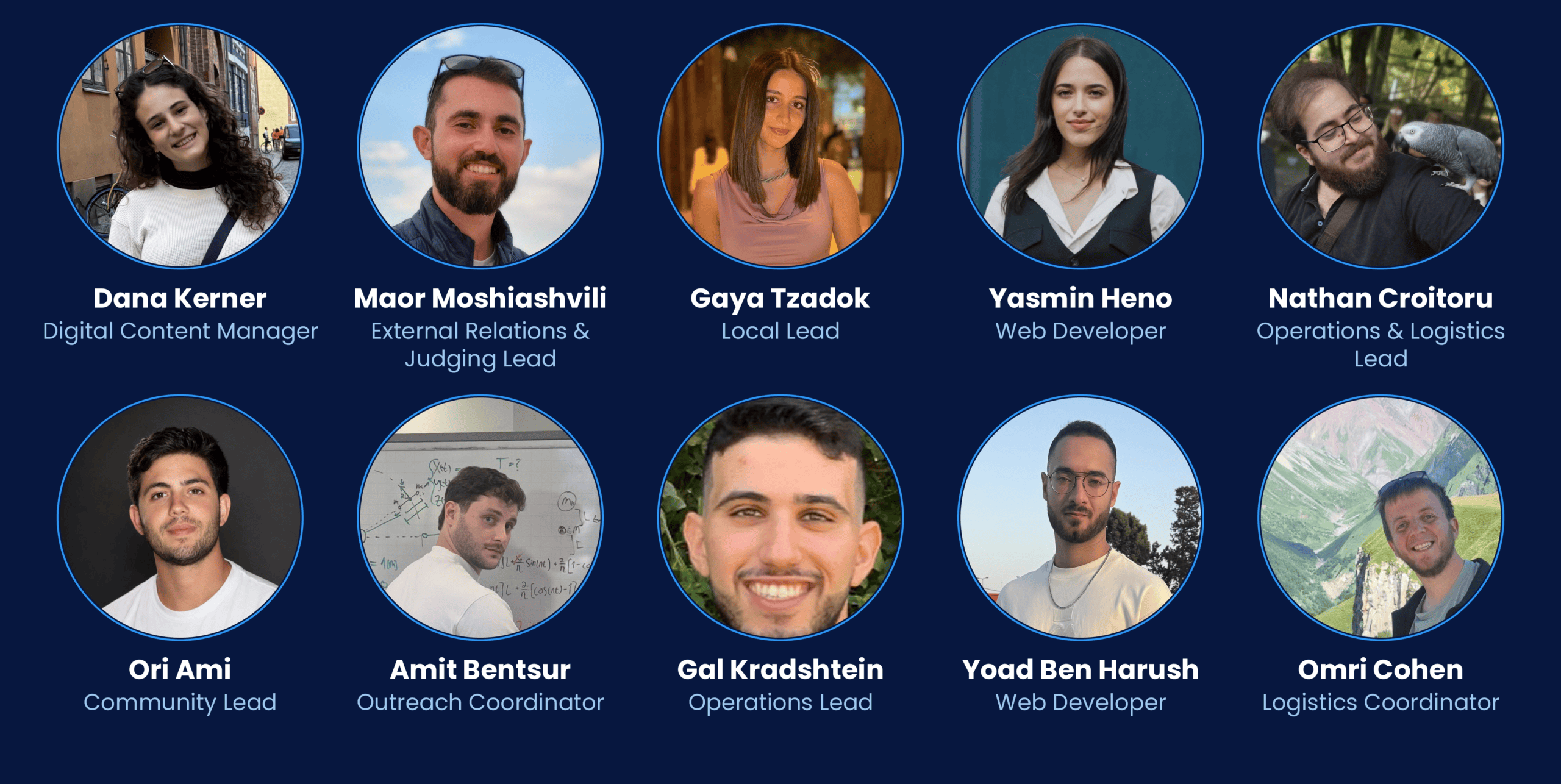
Behind the event was Gaya Zadok, a medical student at the Technion whose academic path has crossed the worlds of medicine and space. Zadok began her studies in physics and aerospace engineering and later conducted neuroscience research at the Technion before turning to medicine. She also led the development of the university’s first elective in space medicine, which will be offered in the 2026–2027 academic year.
Zadok approached the organizers of the international Space Apps Challenge and secured approval to establish an official event in Haifa. Her goal was to bring greater attention and resources to Israel’s space sector and give young people opportunities to help shape its future.
A volunteer team of Technion students helped bring the event to life.
The Haifa hackathon brought together researchers, doctoral students, entrepreneurs, and industry professionals from 12 academic institutions, as well as participants from companies including NVIDIA, Apple, and Mobileye.
The setting was space, but the challenges touched on some very human concerns:
How do you protect an astronaut’s health when home is millions of miles away? One challenge asked participants to develop software that could monitor health indicators during extended space missions, when radiation exposure, reduced gravity, and isolation can pose new risks.
How can places on Earth help prepare us for another world? Teams sought locations on our planet with terrain suitable for testing equipment and procedures before missions to the Moon or Mars.
What can space teach us about a changing Earth? Another challenge used data from the NASA-ISRO Synthetic Aperture Radar (NISAR), a joint satellite mission of NASA and the Indian space agency, to explore ways of making changes on Earth easier to see and understand, from shifting glaciers and agricultural land to the effects of wildfires and earthquakes.
By the end of the hackathon, those questions had become tangible projects.
Team Avengers took first place with SuloBeam, a tool designed to rank possible landing sites at the Moon’s south pole based on solar-power availability, communication with Earth, and terrain. Team C.H.A.R.M. earned second place with a system for monitoring crew health and responding to medical issues during long-duration space missions. Space Valley came in third with SPHEREx Blink, a project that shows how the sky changes over time.
Other teams found ways to connect space exploration with challenges closer to home.
Team Vi:Si developed a web app that converts visual data from space into sound for people with visual impairments, earning the Dean of Students’ Dual-Use Innovation Award. Team EpochX received Technion Canada’s Mitchell Karper Memorial Award for a project that compares observations of the same celestial object over time using data from NASA, the Canadian Space Agency, and users.
The Technion event was part of a much larger effort. Since the NASA Space Apps Challenge began in 2012, more than 600,000 people from more than 190 countries have participated. NASA describes the program as an opportunity to work directly with NASA science and data while tackling challenges that can advance space exploration and benefit life on Earth.
Projects submitted through the 2026 competition will be judged for 10 global awards, with the winners expected to be announced in January 2027.
For the Technion, though, the impact was already visible: people from different disciplines came together around difficult problems, armed with real scientific data, different perspectives, and very little time to turn their ideas into something tangible.
Sometimes, innovation starts exactly that way: with a challenge, a deadline, and an idea worth trying.