Something Fresh in the State of Denmark
October 06, 2026




















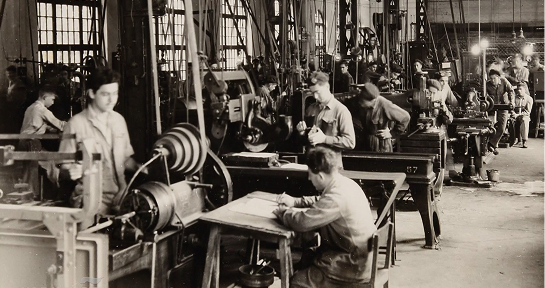
The Technion’s story has been intertwined with Israel’s for more than a century, from laying the foundations for a new nation to shaping its future.

Step inside Israeli innovation at the David and Janet Polak Visitors Center. Experience our 360° immersive movie and tech exhibition. Open to individuals and groups.
Learn More

The Technion’s Role in National Security Levy credits the Technion not only for his own success but also for the strength of Israel’s entire defense sector. “The Technion’s role in producing world-class engineers is crucial for Israel’s security and economic prosperity,” he said. Today, IAI collaborates closely with the Technion on cutting-edge research in space, […]
Bennett Rechler is continuing a long legacy of supporting the Technion that began with his parents, the late Morton and Beverley Rechler. The Technion was a natural fit for the couple given Morton’s career as an aeronautical engineer and the couple’s deep-seated love for Israel. “They did a lot to teach my siblings and me […]

On Wednesday, October 29, Michael Kagan did not deviate from his planned schedule. He attended the Nvidia conference in Washington along with ten thousand other people. But here and there, between lectures, meetings, and mingling, he received an update: Nvidia’s value had passed the $5 trillion mark, less than four months after reaching $4 trillion. No company has ever reached such a valuation, and Nvidia has held the title of the world’s most valuable company since June 2024. It achieved these numbers in large part thanks to its connection with Israeli company Mellanox, which means it also owes much of…

Researchers from the Technion’s Material Topology Research Lab have unveiled TreeSoil, a 3D-printed earthen structure designed to protect young trees and foster early growth in degraded environments. Fabricated using WASP’s LDM XXL extrusion system mounted on a KUKA KR50 robotic arm, each TreeSoil module is built layer by layer from locally sourced soil, then naturally dried and assembled on-site without adhesives. Drawing inspiration from ancient agricultural methods that shaped soil and stone to shelter crops, TreeSoil applies computational design to reimagine these techniques for modern ecological restoration. The project’s interlocking brick geometry allows for modularity, easy on-site assembly, and strong…

Imagine: After a business lunch in Tel Aviv, you’re back in New York City in time for dinner. Your teen aces her afternoon math exam in Boston before kicking her way to victory at a twilight soccer match in Los Angeles. Academic researchers are discovering new minerals on their weekly expeditions to the moon. You’re […]
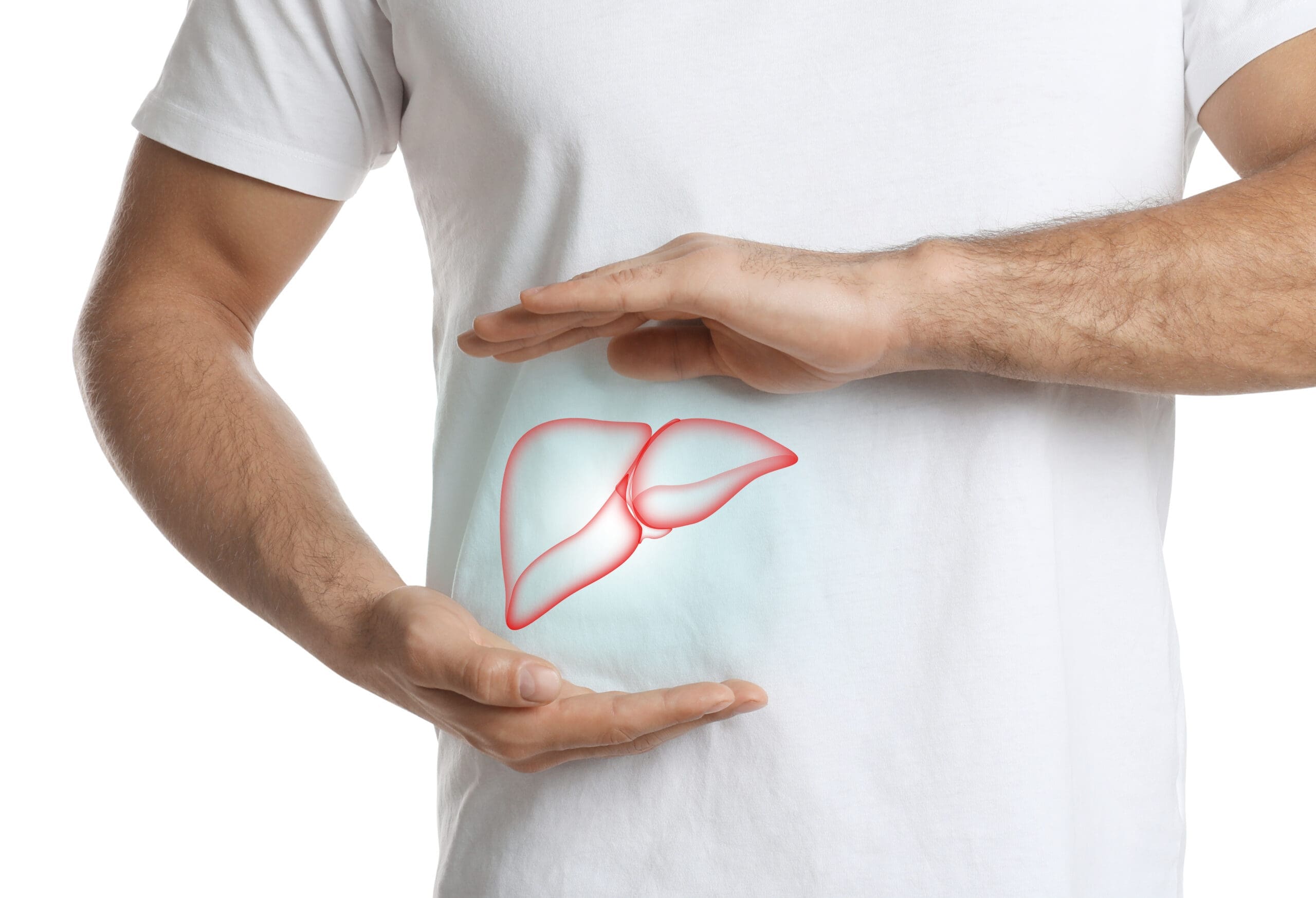
Pigs have long carried a bad reputation. They are often described as dirty, greedy animals that eat everything in sight and spend their days lying around. In reality, none of these stereotypes are true. Pigs are intelligent, have a highly developed sense of smell, and like to stay clean. They often roll in mud, not because of laziness but to cool down and protect themselves from parasites. But there is another, far more important fact about pigs: they are now at the center of a medical revolution that could transform the future of organ transplantation. With demand for donor organs…

Scientists at the Technion – Israel Institute of Technology have developed a smart biological adhesive that could change the way wounds are treated and surgeries are performed. The new material, which mimics the natural sticking ability of mollusks on wet surfaces, can bond to tissues within seconds and safely biodegrade inside the body. For decades, surgeons have relied on stitches and metal staples to close incisions and stop bleeding. While effective, these methods are invasive, painful and can lead to infections. The Technion’s breakthrough offers a less invasive, more tissue-friendly alternative. The development, patented and recently published in the scientific…

Meet U-Bra, the award-winning creation of Technion alumna Maayan Kinsbursky. This fully customized, 3D-printed bra with an integrated prosthesis is more than clothing. It helps women postmastectomy reclaim comfort, confidence, and a sense of normalcy. Maayan’s passion for creating meaningful solutions exemplifies how design and technology can improve lives — and this Breast Cancer Awareness […]

Until last summer, Shlomit Weiss managed 20,000 people at Intel centers around the world, overseeing development of the company’s most widely-used computer chips. Her resume includes three decades in the bosom of the US-based chip manufacturer, which is also the largest private employer in Israel, and another three years as Mellanox’s hardware development manager. And if that’s wasn’t enough, she was also one of those who persuaded Nvidia CEO Jensen Huang to acquire Mellanox. But now, at age 62, Weiss is reinventing herself, and busy with the small details of starting an independent business: building her own website, handing out…
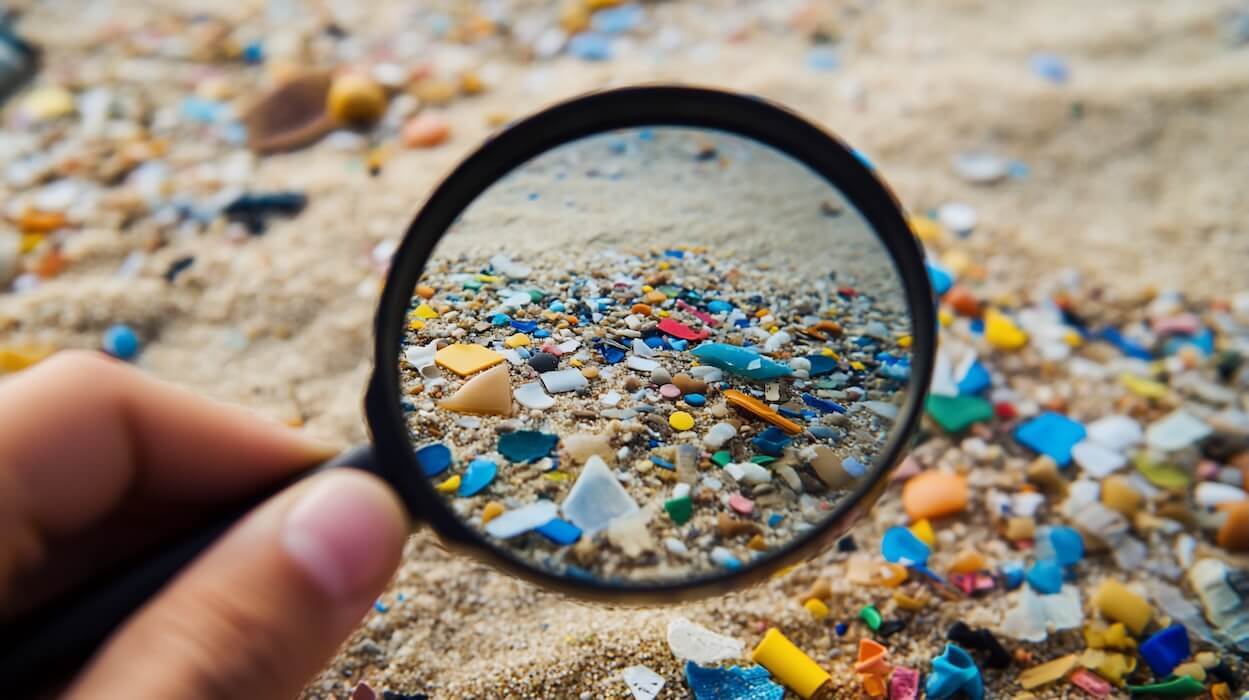
Wash — and learn. “The next time you’re using a tumble dryer, take a look at the lint catcher,” materials scientist Joshua Grolman told The Post. “All of this debris is what we breathe in on a daily basis.” Microplastics are ubiquitous, found in everything from toys and cosmetics to cleaning products and clothing. They’re in the air we breathe, the food we eat and the water we drink and swim in. These particles, which slough off larger plastic, are suspected to harm reproductive, digestive and respiratory health, potentially leading to infertility, colon cancer and lung problems. Joshua Grolman is…

A potentially game-changing construction material under development at the Technion – Israel Institute of Technology utilizes microorganisms, rather than cement, to bind sand particles together, while also absorbing atmospheric carbon dioxide that contributes to global warming. According to the UN Environment Program, the construction industry accounts for a whopping 37 percent of global warming emissions. The Technion’s interdisciplinary project CyanoGems utilizes microorganisms that photosynthesize, meaning they use sunlight to create food from carbon dioxide and water. During photosynthesis, carbon dioxide is removed from the atmosphere and oxygen is emitted.

In the sweltering summer heat, search teams are still scouring the Guadalupe River in central Texas for the bodies of dozens of people who have missing since flash floods devastated the Hill Country earlier this month. A search and rescue team of ZAKA volunteers from Israel is using a unique set of skills to help find them faster. “We arrived about two weeks ago after authorities made a request for us to provide assistance,” ZAKA International commander Nachman Dyksztejn told Times of Israel. “People here know and appreciate that Israel is here helping, and the entire community has been very…