Why the Perfect Pitch is Your Biggest Mistake
September 23, 2026












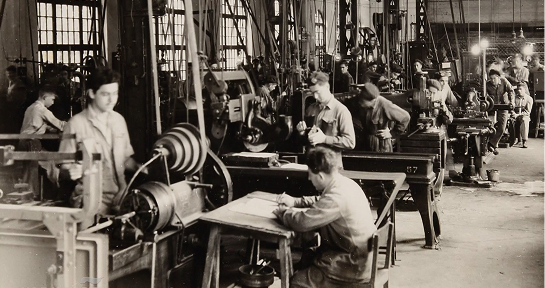
The Technion’s story has been intertwined with Israel’s for more than a century, from laying the foundations for a new nation to shaping its future.
Step inside Israeli innovation at the David and Janet Polak Visitors Center. Experience our 360° immersive movie and tech exhibition. Open to individuals and groups.
Learn More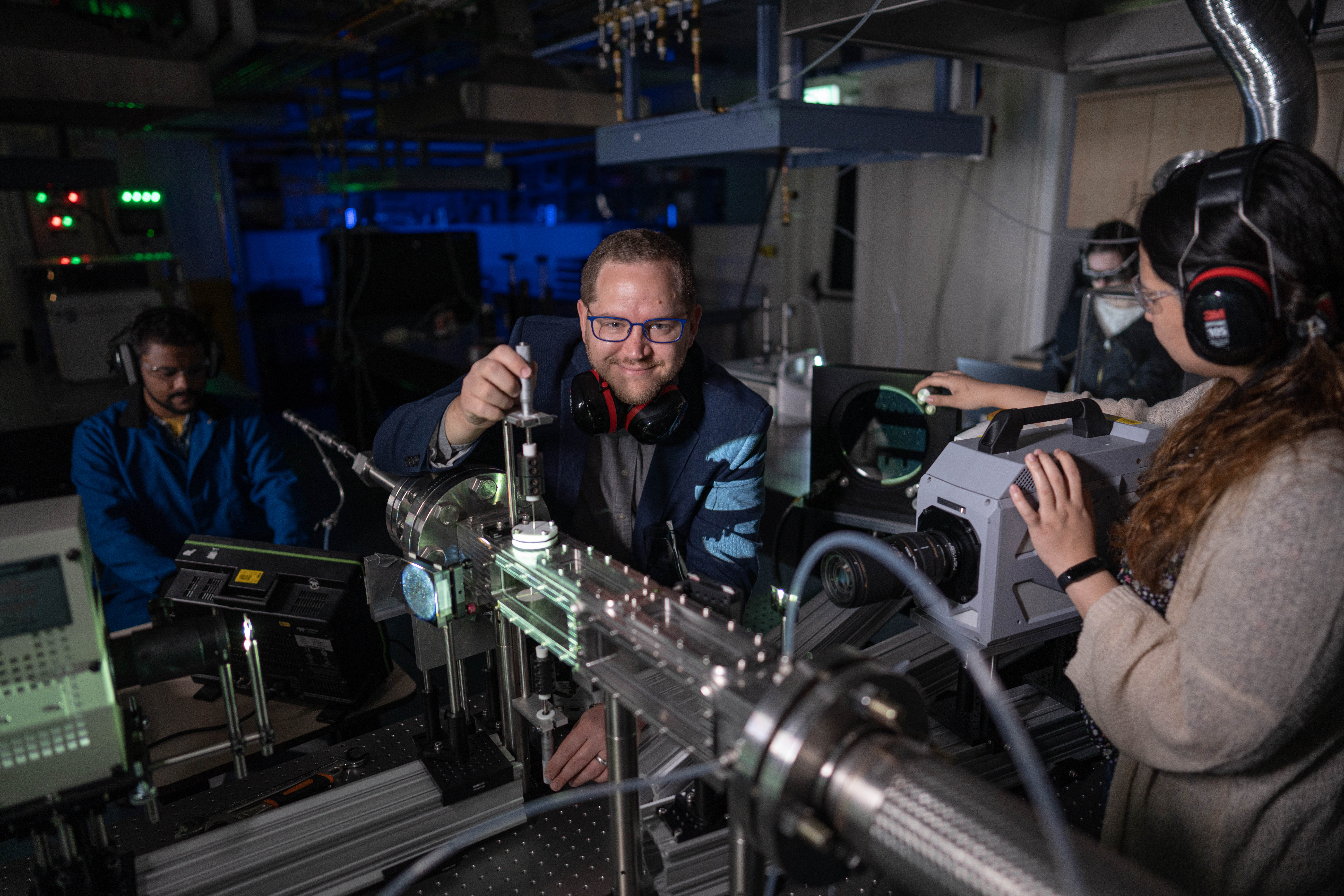

Technion Webinar With Professor Yasha Grobman Moving beyond traditional drafting boards, protractors, and mechanical pencils, Professor Yasha Grobman, an award-winning practicing architect, is developing innovative digital tools and techniques for architectural design and fabrication. His cutting-edge, digital Technion Computer Oriented Design Laboratory (T_CODE) and manufacturing workshop allow students to conduct interdisciplinary projects using methods such as virtual reality and physiological sensors. Hear Prof. Grobman examine ways high-tech can influence architectural design and performance. As the former Dean of the Faculty of Architecture and Town Planning, Israel’s first such department, he talked about his vision for the department, which covers disciplines ranging…
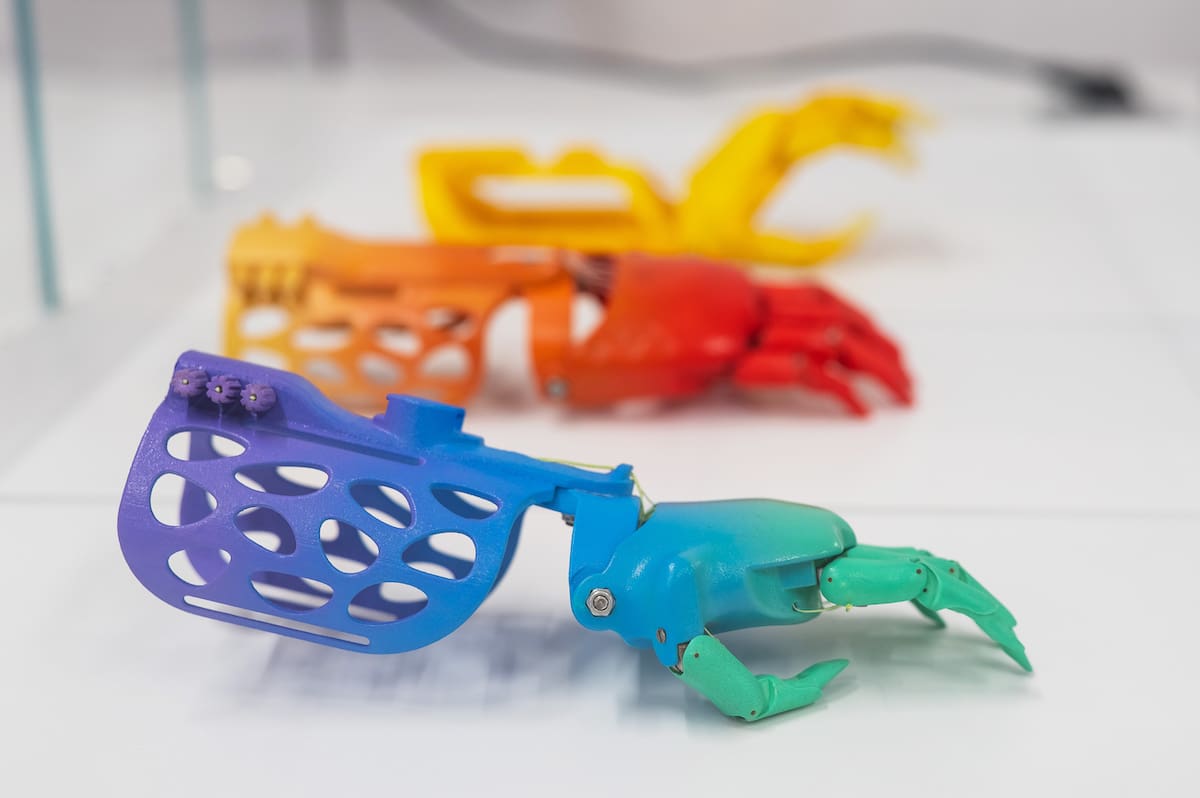
Using innovative 3D printing technology, scientists from the Technion-Israel Institute of Technology had been able to help amputee children by creating prosthetic hands for them, an info-video revealed on Sunday. The children are involved in the design of the artificial hand and often view it in comic-book heroes’ terms such as Iron Man’s hand or Superman’s hand. The finished prosthetic is able to hold lightweight objects and provide the children a better sense of balance. The most immediate benefit is psychological, as the children no longer feel that their amputation makes them unusual and instead have a “cool bionic hand”…
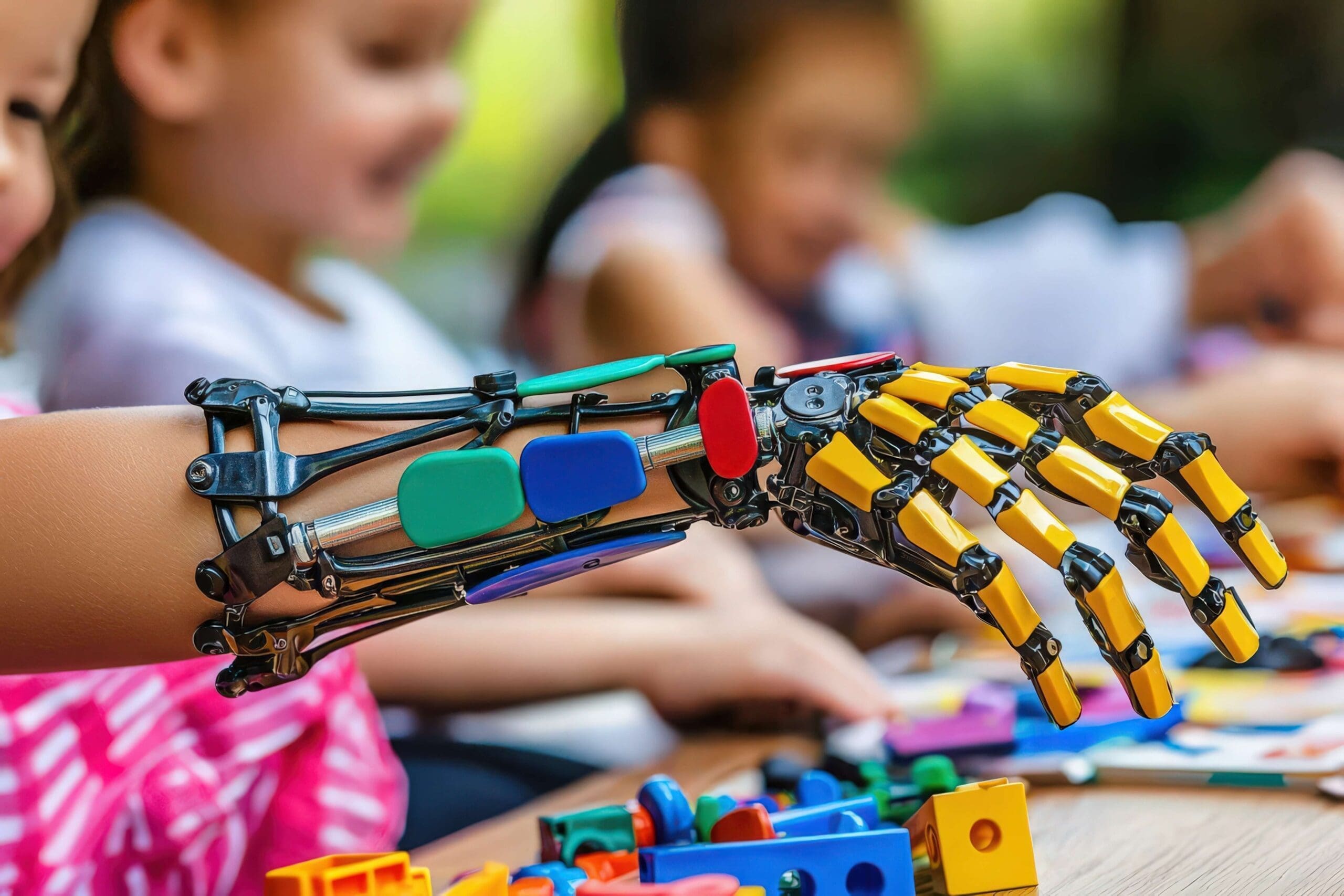
Technion students and researchers are providing new hope for amputee children. Students from the Biorobotics and Biomechanics Lab in the Faculty of Mechanical Engineering, led by Prof. Alon Wolf — together with the nonprofit organization Haifa3D — are making 3D-printed prosthetic hands for children. While prosthetics are often prohibitively expensive, these limbs are given for […]
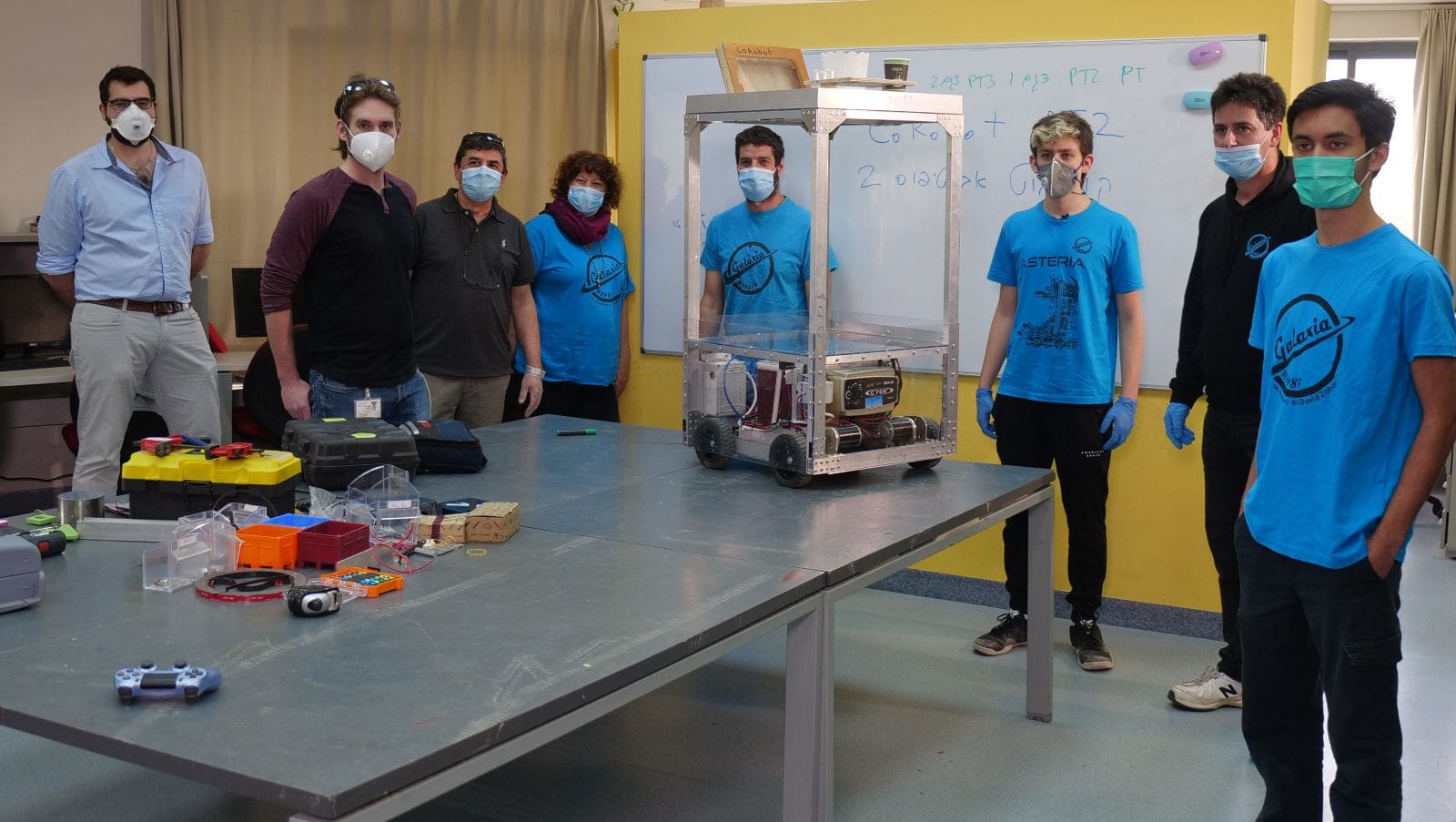
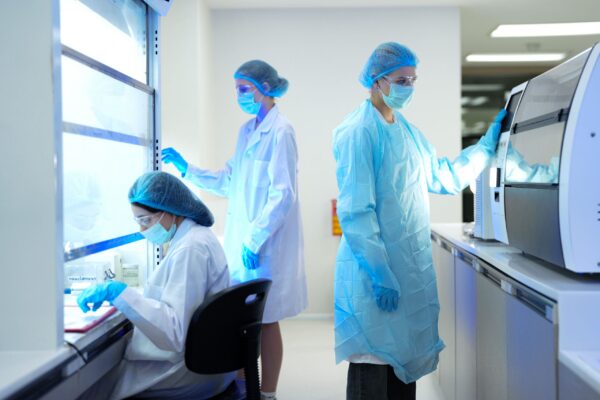
Professor Gil Yudilevitch of Technion Faculty of Aerospace Engineering, together with students and alumni of the Reali School FIRST Robotics program, have designed a robotic platform that can be operated remotely by medical staff, reducing their risk of infection by COVID-19. Dubbed COROBOT, the platform will be used in Rambam Health Care Campus’ new Coronavirus Department. Safeguarding the health of medical workers has become an international priority in light of the pandemic. Whenever a medical worker is diagnosed with COVID-19, the entire medical team must self-isolate for extended periods of time. Already, thousands of medical professionals have been forced to…
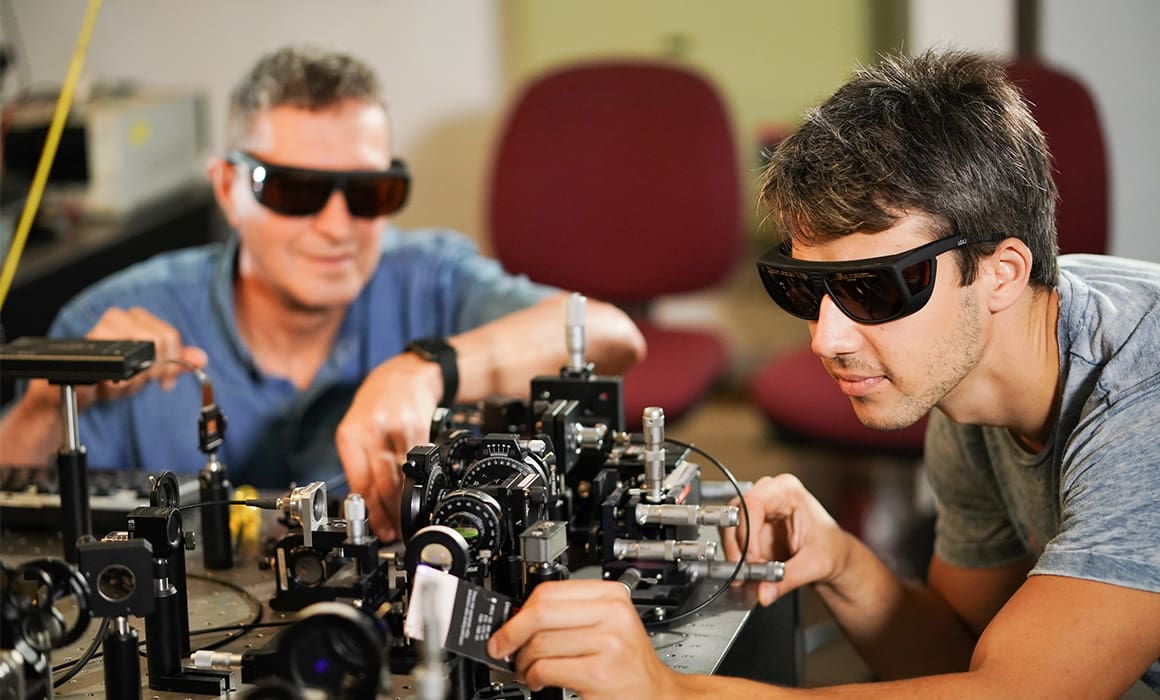
An interdisciplinary team of scientists led by Distinguished Professor Mordechai Segev of the Technion’s Physics Department and Solid State Institute and Professor Erez Hasman of the Technion’s Faculty of Mechanical Engineering has developed a new and innovative scientific field: quantum metamaterials.
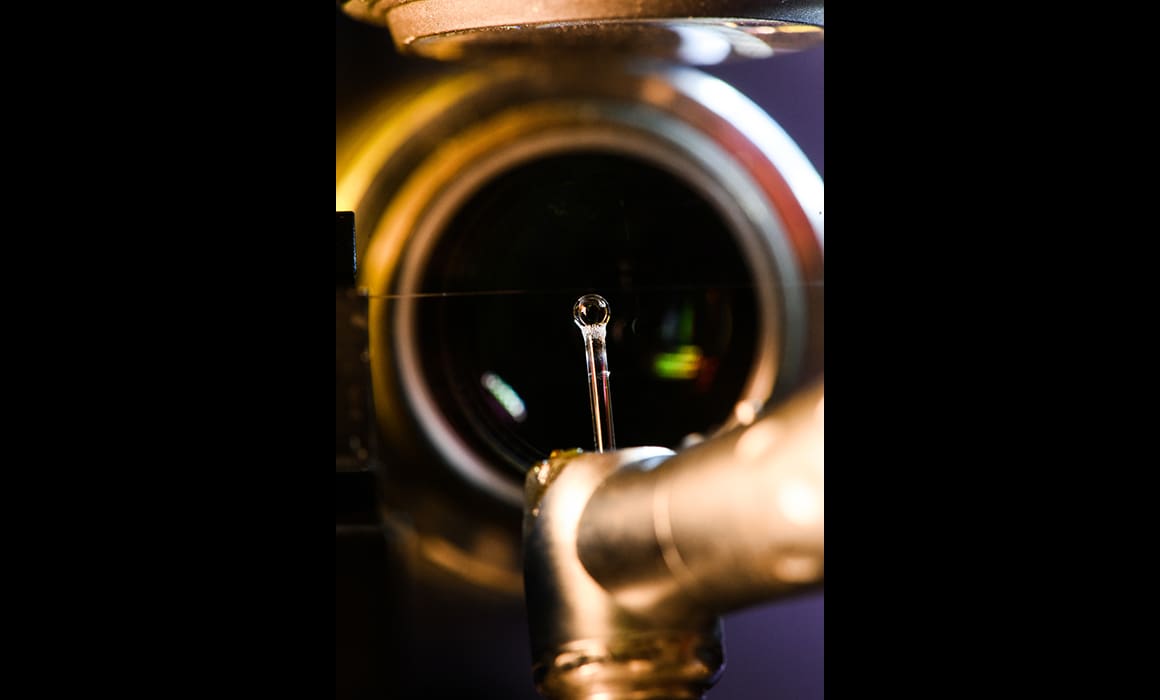
Technion researchers have constructed a first-of-its-kind optic isolator: the first photonic device in which light advancing in opposite directions moves at different speeds. The isolator can isolate 99.6% of light — a requirement for quantum optics communication devices, high-powered lasers, and other applications. The new isolator is unique because it works well when light from both opposing directions is simultaneously perceived. It is also compatible with standard optical-fiber technology, can be scaled down, and does not change the color of the light. The isolator was developed by Professor Tal Carmon of the Faculty of Mechanical Engineering and his team and…

By 2025, half the world’s population will live in areas where there is a shortage of clean drinking water. But is the solution to the global water crisis literally under our noses? Associate Professor David Broday of the Technion’s Faculty of Civil and Environmental Engineering and Associate Professor Eran Friedler have developed a model for a system that separates the moisture naturally present in the air around us and converts it into drinking water. “Water Is Available and Free to Everyone” The system takes advantage of a resource that is constantly and abundantly present around us: the atmosphere. Humidity is…
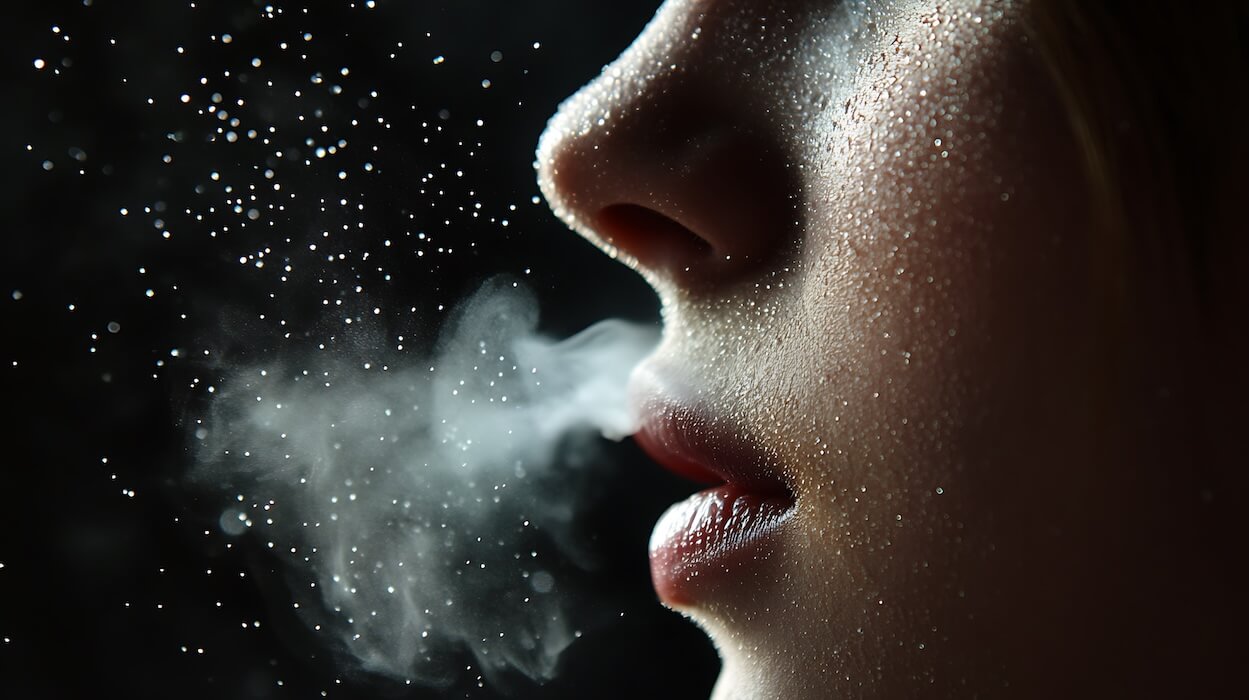
Smell is a primary human sense, key to our survival. Like a super-sensitive human nose, an experimental technology can “smell” and identify the chemical composition of a person’s breath and then diagnose up to 17 potential diseases, according to the scientists who developed it. These researchers, led by Hossam Haick of the Technion – Israel Institute of Technology, say their Na-Nose, which uses nanorays to analyze breath, can identify Parkinson’s disease, various cancers, kidney failure, multiple sclerosis and Crohn’s disease with 86% accuracy. “I would say our technology in many cases (is) equivalent to the accuracy of the currently available…