Why the Perfect Pitch is Your Biggest Mistake
September 23, 2026


















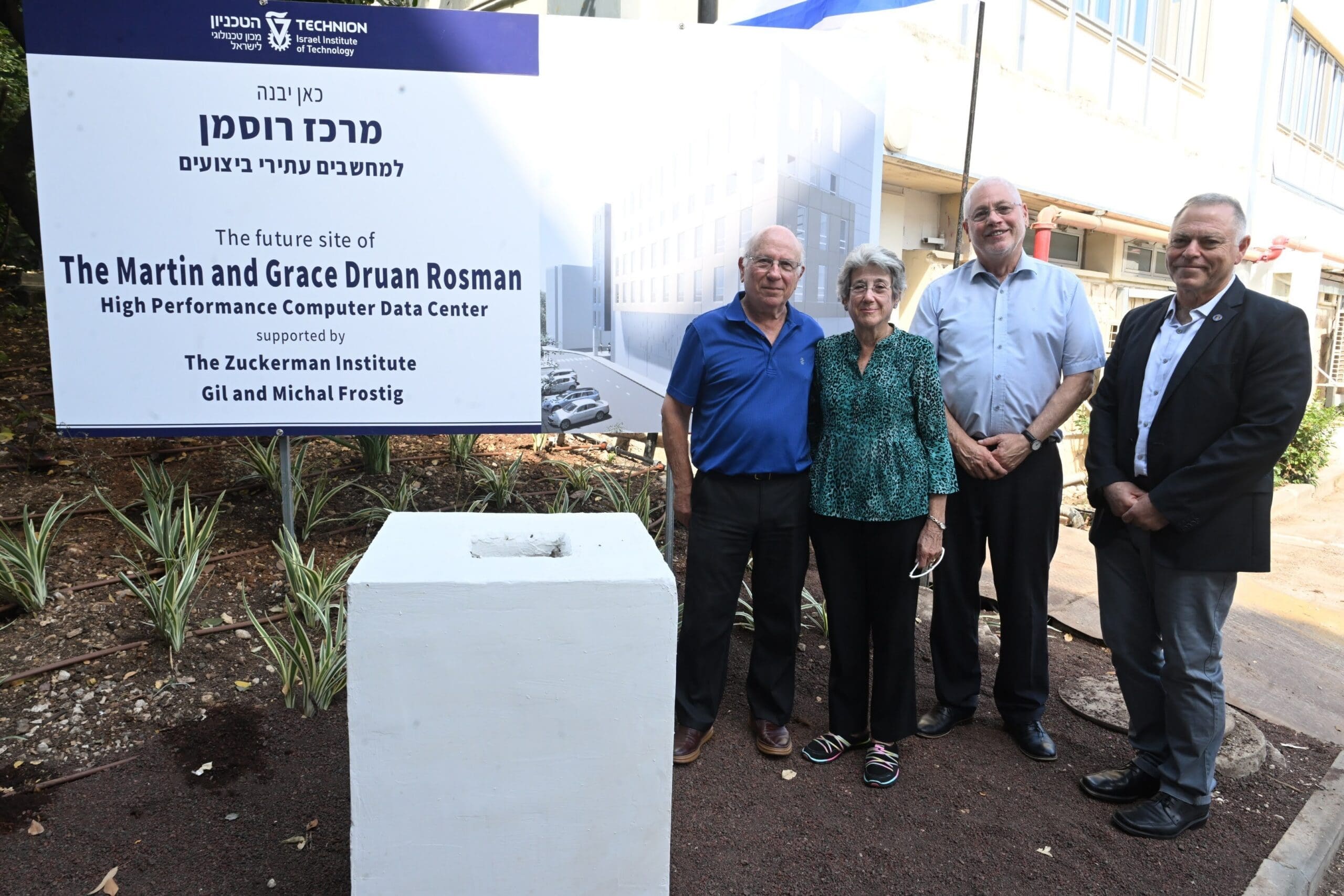






The Technion’s story has been intertwined with Israel’s for more than a century, from laying the foundations for a new nation to shaping its future.

Step inside Israeli innovation at the David and Janet Polak Visitors Center. Experience our 360° immersive movie and tech exhibition. Open to individuals and groups.
Learn More
By 2025, half the world’s population will live in areas where there is a shortage of clean drinking water.
But is the solution to the global water crisis literally under our noses?
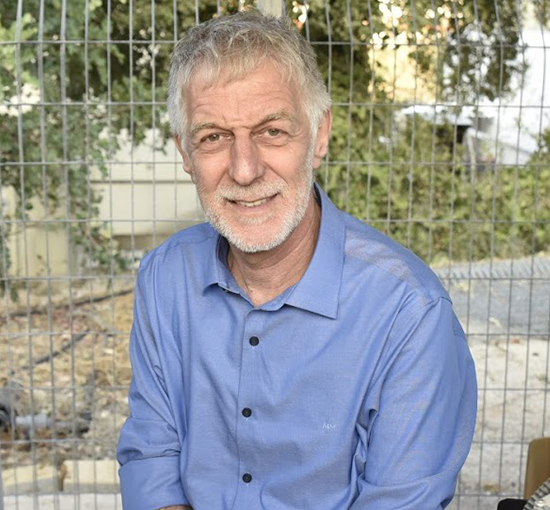
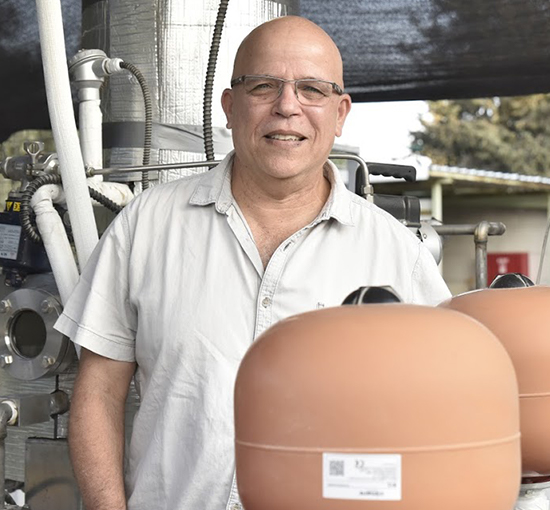
Associate Professor David Broday of the Technion’s Faculty of Civil and Environmental Engineering and Associate Professor Eran Friedler have developed a model for a system that separates the moisture naturally present in the air around us and converts it into drinking water.
“Water Is Available and Free to Everyone”
The system takes advantage of a resource that is constantly and abundantly present around us: the atmosphere.
Humidity is everywhere, even in the arid Sahara Desert. In fact, the amount of moisture in the atmosphere is equal to the amount of liquid fresh water in the world, not accounting for glaciers.
This is a huge volume of water freely available; it just has to be harvested.
Harvesting Moisture from the Air
Companies around the world are currently harvesting moisture from the air using a device similar to a domestic air conditioner. Existing technology takes air and cools it, extracting moisture from the cooled air.
But air only contains 4–5% humidity, and contains lots of other gases like oxygen and nitrogen. These current methods spend a lot of energy to harvest just a tiny amount of water.
The new system developed by the Technion researchers uses an absorbent substance called a desiccant, a highly concentrated saline solution that naturally absorbs moisture from the air upon contact.
After the desiccant collects enough moisture, it is transferred to another part of the system, where conditions cause the desiccant to release the moisture. The moisture is then cooled, condensing it into water.
Drinkable Water in the Middle of the Desert
The proposed system isn’t just more energy-efficient — it also provides cleaner water. After cooling, the water collected in the system should be suitable for immediate drinking. Any bacteria or dust in the air is absorbed by the desiccant, removing it from the moisture that eventually becomes water. In the unlikely event that contaminants do enter the later stages of the process, they will simply dry up, thanks to the desiccant’s extremely concentrated salt solution.
Contrast that with current systems, which require purification to be fit for consumption.
What About Desalination?
No doubt you are familiar with desalination, the process of removing salt from water to make it drinkable. In areas that are close to bodies of water, such as seas or brackish lakes, desalination remains the preferred method for creating drinkable water.
But there are many places that are not close to bodies of water. In those cases, it is incredibly expensive to desalinate and transport drinking water. These areas are where Technion researchers hope their new model may be of use.
The Next Stage
The Technion researchers’ system has not yet been built. But researchers have already performed simulations with a model to see how the system would function in different climates and humidity conditions.
The preliminary results are promising — and researchers are anxiously anticipating the moment when they can move theory into practice.