The Technion’s story has been intertwined with Israel’s for more than a century, from laying the foundations for a new nation to shaping its future.
From medicine to security, explore how the Technion is advancing Israel and improving lives around the world.
View All Impact Areas
Explore stories, news, insights, and data across articles, videos, and podcasts.
view all content types
students
companies founded by graduates and faculty in the last 10 years
in Israel and Europe for research on artificial intelligence
The Technion’s story has been intertwined with Israel’s for more than a century, from laying the foundations for a new nation to shaping its future.
Explore ATS, the Technion, and the people behind the breakthroughs redefining what's possible for Israel and the world.
Learn More About ATSATS is a community of supporters, innovators, and champions of possibility united by one mission: transforming Israel and the world through science and discovery.
Learn MoreFor more than 100 years, the Technion has been Israel's technological engine and leading driver of innovation, technology, and entrepreneurship, transforming ideas into impact.
Learn More
Step inside Israeli innovation at the David and Janet Polak Visitors Center. Experience our 360° immersive movie and tech exhibition. Open to individuals and groups.
Learn MoreFrom medicine to security, explore how the Technion is advancing Israel and improving lives around the world.
View All Impact AreasExplore stories, news, insights, and data across articles, videos, and podcasts.
view all content typesDiscover ways to support, connect, and help drive innovation.
Get InvolvedExplore ATS, the Technion, and the people behind the breakthroughs redefining what's possible for Israel and the world.
Learn More About ATSAs Seen in Tech.cornell.edu
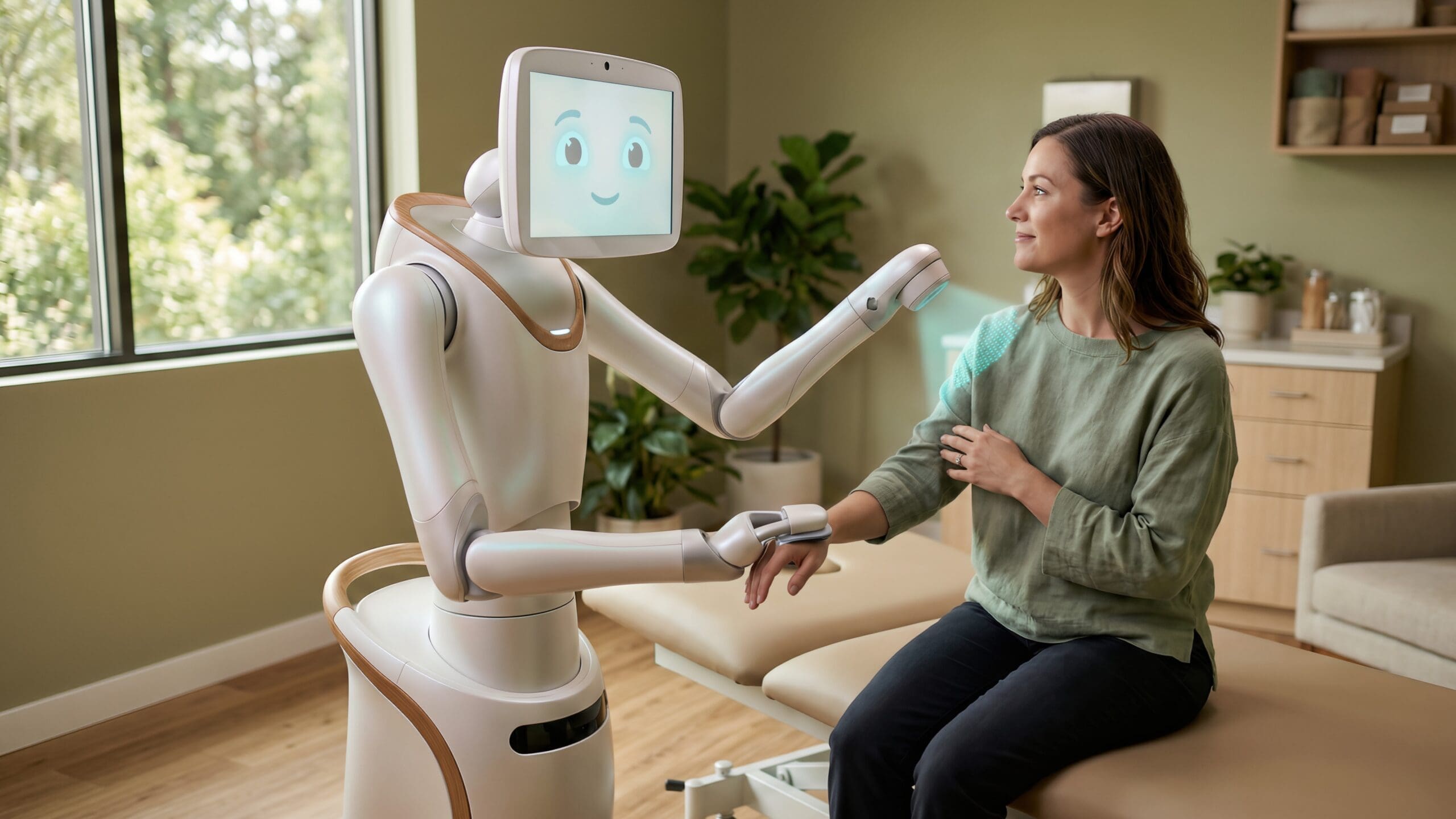
As robots enter hospitals and care facilities, questions remain about whether they actually make care easier for the people who give and receive it. A new Cornell Tech-led study approaches that challenge by inviting healthcare workers, long-term care residents, and community members to help design the robots themselves.
Presented at the 2026 Association for Computing Machinery CHI Conference on Human Factors in Computing Systems, the research documents a 14‑week “co-design” project in which nurses, doctors, nursing center residents, artists, engineers, computer scientists, and craftsmen worked side by side to imagine and physically build robots that could ease daily burdens in healthcare settings.
Rather than starting with technical capabilities, the team began by examining what frustrates healthcare workers, what confuses or stresses patients, and where a robot might realistically help.
“Many healthcare facilities experience challenges managing and caring for patients, yet limited research explores the common issues faced by healthcare workers and patients, and how robot design could help,” said the paper’s co-author Angelique Taylor, the Andrew H. and Ann R. Tisch Assistant Professor at Cornell Tech and a faculty fellow in the Cornell Institute for Healthy Futures.
Photo credit: NBBJ Photography.
by
tech.cornell.edu (opens in a new tab)
on
May 13, 2026
Learn how MakerLAB's co-design approach allows community members to build robots that benefit healthcare settings.
1 min
X (opens in a new tab) / Facebook (opens in a new tab) / LinkedIn (opens in a new tab) / Email / Copy Link
Robotics / Engineering / Jacobs Technion-Cornell Institute /
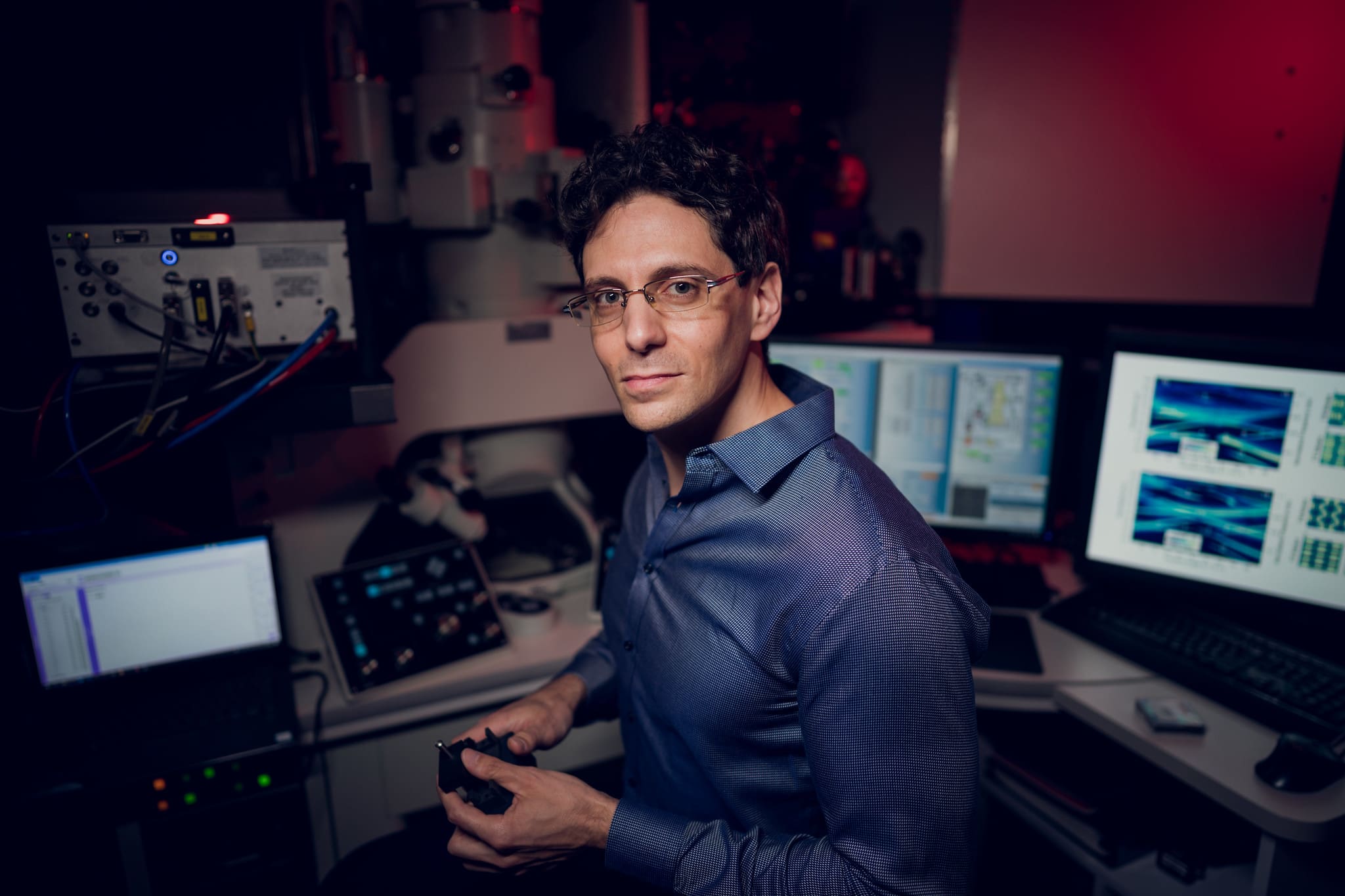
What if diagnosing cancer, Parkinson’s disease, or other serious illnesses could be as simple as breathing into a handheld device? That possibility is moving closer to reality thanks to the work of the Technion’s Prof. Hossam Haick, whose groundbreaking research is changing how diseases are detected around the world. In recognition of his extraordinary achievements, […]
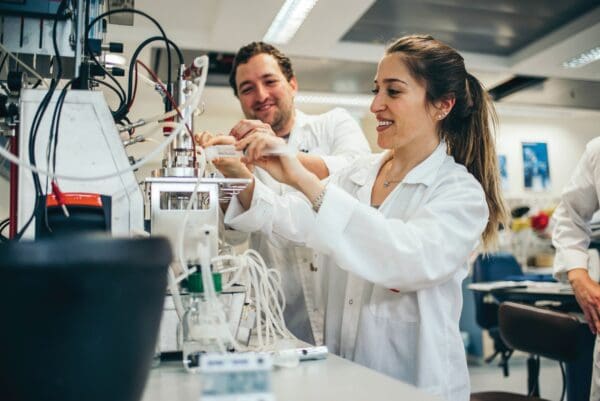
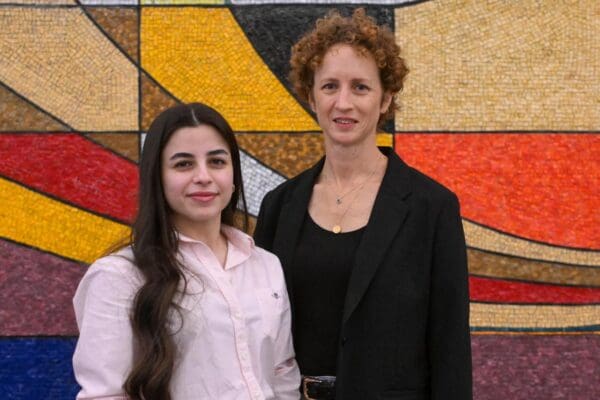
Every year, the European Research Council (ERC) identifies some of the world’s most promising early-career researchers and gives them the freedom to pursue bold ideas. This year, two of those ideas came from the Technion – Israel Institute of Technology. From cancer research to artificial intelligence (AI), breakthroughs that shape the future often begin with […]
As more people turn to AI chatbots for companionship, life advice, or even as a stand-in for therapy, experts say the technology offers both new opportunities and risks when it comes to mental health. Prof. Tanzeem Choudhury is the chief of health innovation in the Joan & Irwin Jacobs Technion-Cornell Institute and has been studying AI and mental health for 15 years. She said AI tools are available any time, often at low cost, making it easier for people to access some form of mental health support.
Stay on top of the latest breaking scientific discoveries from Israel and the Technion. Subscribe to the ATS newsletter.