Something Fresh in the State of Denmark
October 06, 2026





























The Technion’s story has been intertwined with Israel’s for more than a century, from laying the foundations for a new nation to shaping its future.

Step inside Israeli innovation at the David and Janet Polak Visitors Center. Experience our 360° immersive movie and tech exhibition. Open to individuals and groups.
Learn More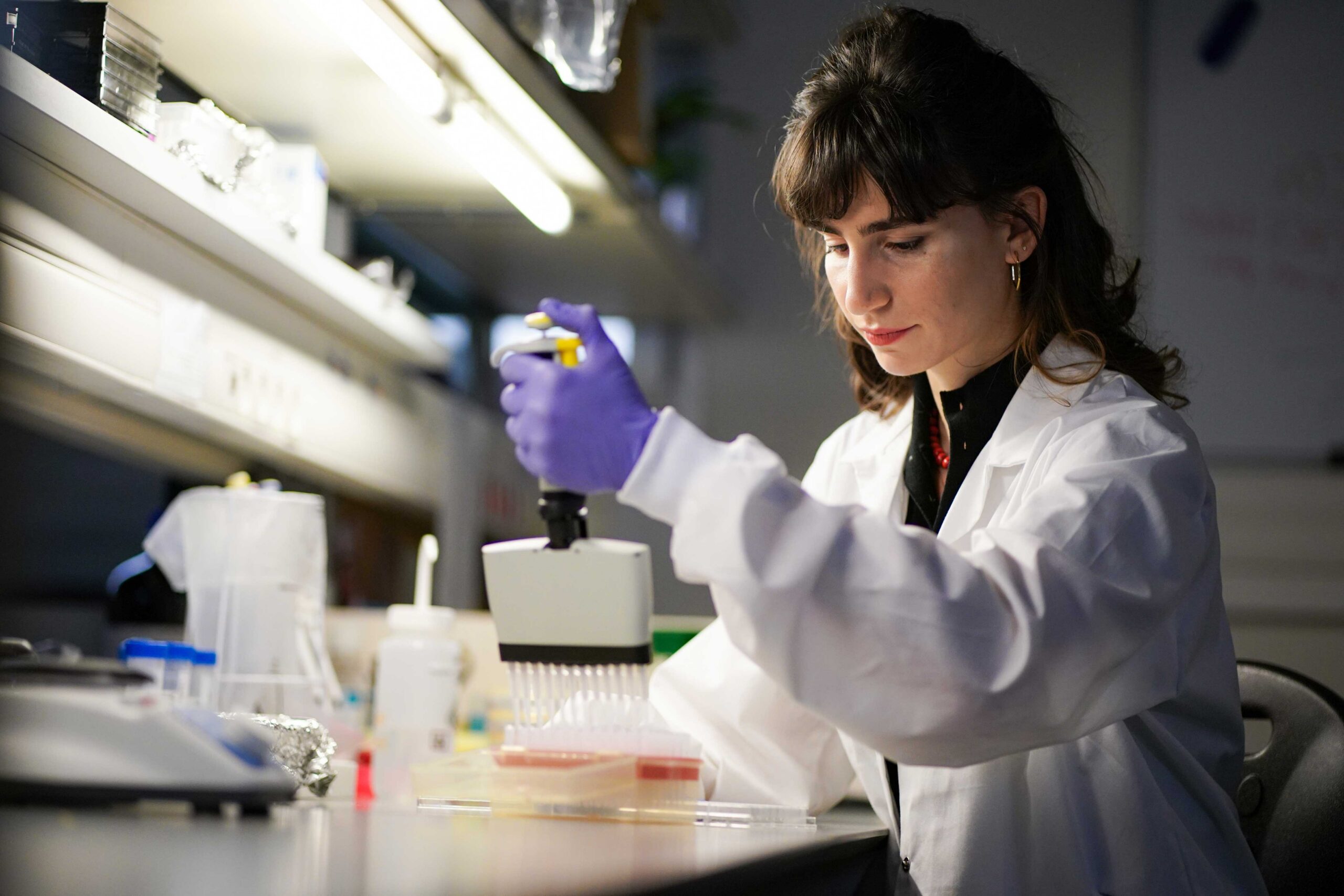
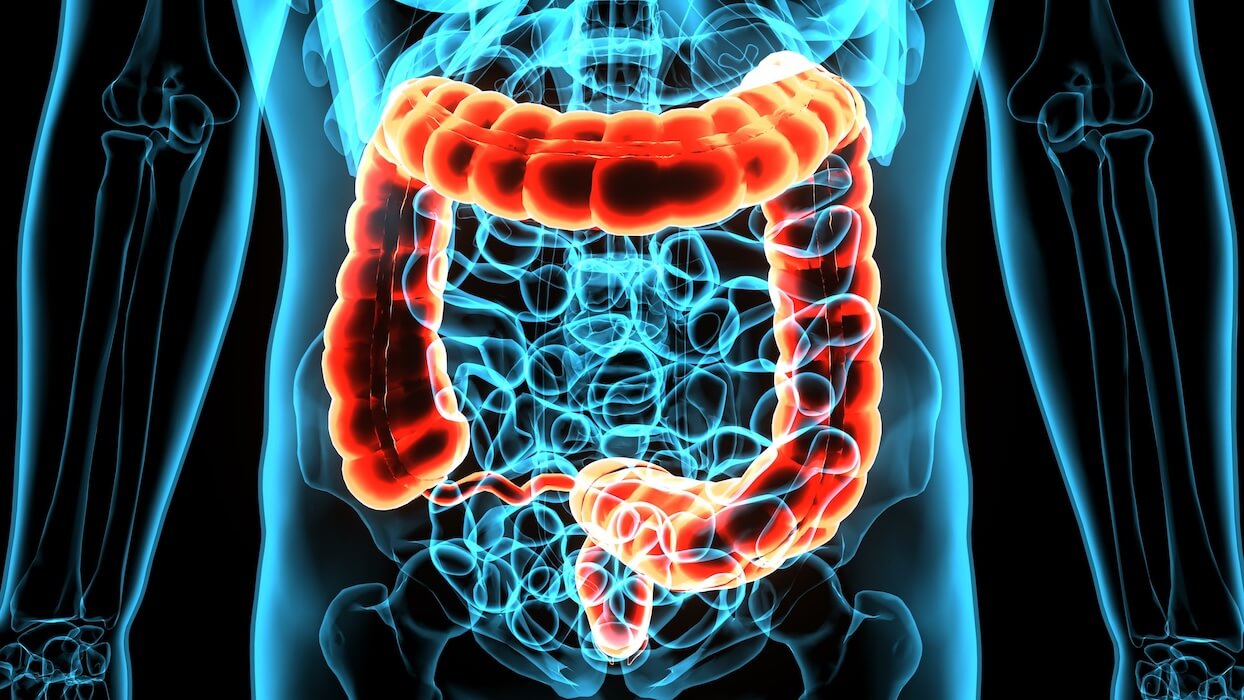
Taking race into account when developing tools to predict a patient’s risk of colorectal cancer leads to more accurate predictions when compared with race-blind algorithms, researchers find. While many medical researchers have argued that race should be removed as a factor from clinical algorithms that predict disease risks, a new study finds that, at least for colorectal cancer, including race can help correct a data issue – inaccurate recording of family history for Black patients. Having relatives with colorectal cancer is a known risk factor for the disease, but Black patients are less likely to have an accurate recorded history…
Yfah Burstin lives in Ramat HaSharon, a Tel Aviv suburb, with her husband and two children (16 and 12). With a degree in industrial engineering and management (1997) from the Technion, she honed her skills in various multinational corporations before founding her own ventures. On October 7, 2023, she was launching Better Bite, a management […]

Technion alumna Dr. Anastasia Braginsky works full time in the high-tech industry, teaches at the University, is a professional dancer, a ballroom dance instructor, and a mother of two, and not necessarily in that order. How does she do it all? “Proper time management, without movies, TV, and other distractions,” she said. “I love everything I do and don’t want to give any of it up, so I need to be focused and efficient on all fronts. I have no doubt it’s worth it.” Her daily schedule is divided into half-hour slots, with a task appearing in her app every…

Technion’s Entrepreneurial Impact In laboratories across the Technion campus, scientists are turning once unfathomable ideas into research they hope will become the next lifesaving cancer treatment, indispensable assistive device, or environmental discovery. The road to commercialization isn’t easy. But you wouldn’t know that from the success stories coming out of the Technion and the Jacobs […]

Children and teenagers with pneumonia seem to spend less time in hospital if they are visited by a medical clown, who helps to reduce their heart rates and encourage independence. Visits from a medical clown, who may help children role-play or distract them during treatments, have previously been linked to reduced stress and anxiety among young people in hospital. Now, Karin Yaacoby-Bianu at the Carmel Medical Center in Haifa, Israel, and her colleagues have specifically studied their effect among children who were hospitalised with pneumonia, which is inflammation of the lungs. The team randomly assigned 26 children and teenagers, aged…

For many people around the world, a doctor’s visit can be exceptionally fraught due to a language barrier in a scenario where accuracy and the ability to understand and be understood are of utmost importance. But four former and current students of the Technion – Israel Institute of Technology in Haifa have developed a new tool that could mean an end to such situations, with an automatic translation platform that is designed specifically for encounters between patients and their physicians. “It is a simultaneous translator between doctors and patients who have both language and cultural challenges,” explains CommU CEO Hadar…

The oldest and leading Arab-owned med-tech company in Israel started in a city in the Israeli periphery known more as Jesus’s hometown than a high-tech hub. But for Reem Younis, 59, who grew up in a working-class Christian family in Nazareth, there was no better location to found what has become a giant in Israel’s med-tech industry. In 1993, alongside her husband, Imad, she established Alpha Omega, one of the world’s top manufacturers of electrodes and other medical devices that record the activity of neurons from within the brain. Today, researchers and neurosurgeons worldwide use Alpha Omega equipment to guide…

An Israeli startup has developed a non-surgical device to help prevent preterm births (PTB) – babies born before completing 37 weeks of gestation. PregnanTech says that 1 in 10 babies are born preterm, which translates to 15 million global births each year. And according to the World Health Organization, complications from preterm birth are the leading cause of death among children under the age of 5 years. The Lioness device developed by PregnanTech is a silicon ring that is placed around the cervix by a physician in what the company says is a quick, non-surgical procedure. According to PregnanTech, the…

Nine Israeli scientists, including three from the Technion, were tapped as new members of EMBO, the European Molecular Biology Organization (EMBO), which supports talented life sciences researchers at all phases of their careers. Professors Oded Beja, Benjamin Podbilewicz, and Asya Rolls, join the rarified ranks of EMBO members that include Nobel laureates James D. Watson and Francis H.C. Crick, co-discoverers of the double-helix structure of DNA; Isidor Isaac Rabi, whose work ushered in MRI technology; modern day pioneer of CRISPR gene editing, Emmanuelle Charpentier; and Technion Distinguished Professors Aaron Ciechanover and Avram Hershko, co-discoverers of the ubiquitin-mediated protein degradation system.

R.B.Z.E. is about to complete her doctorate in the Technion’s Ruth and Bruce Rappaport Faculty of Medicine. She is also a mother of two boys, ages 6 years and 16 months, and chief executive officer of Wisemama, which supports women who are combining parenthood and academic studies. While R.B.Z.E. was working on her master’s degree with a toddler at home, she relied on a friend who had completed an advanced degree with children. “She helped me through challenges unique to student mothers, and I couldn’t have done it without her,” she said. “That’s why I started Wisemama.” The mentoring project…
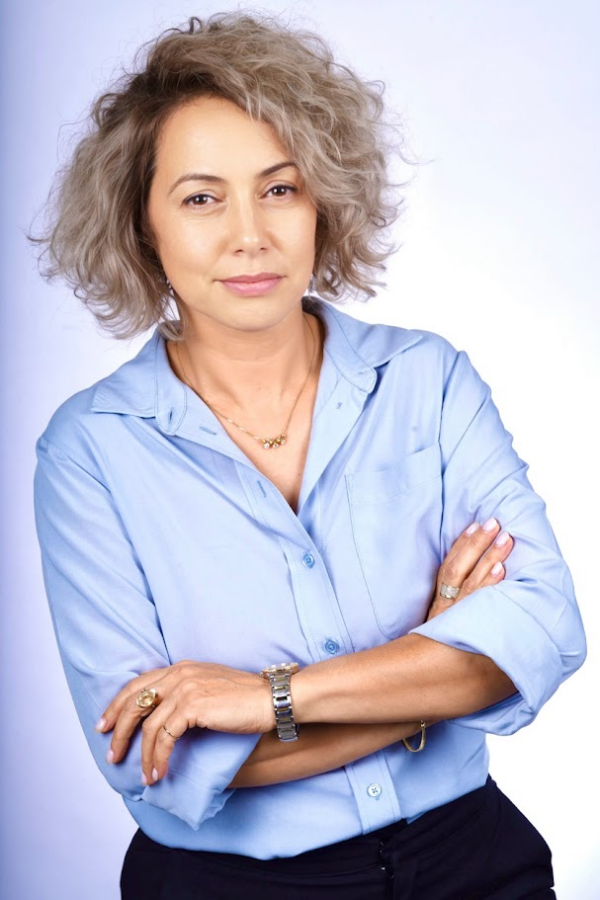
“I’m part of the division that protects civilians in Israel and that makes me very proud,” said Technion alumna Maya Shnur. “Every morning when I go to work, I feel like I’m on a mission.” Shnur works at the vaunted Israeli defense company Rafael Advanced Defense Systems as the deputy general manager of Mergers, Acquisitions, […]

“Stay positive,” we’re told when suffering from an illness. It’s easy to dismiss such comments as platitudes from well-meaning friends. But Technion scientists have demonstrated that activation of the brain’s reward system can boost recovery from a heart attack. Establishing the connection between the two can potentially lead to therapeutic avenues for intervention. “It’s time that both researchers and clinicians take the link between psychology and physiology seriously,” said Technion Associate Professor Asya Rolls, a psychoneuroimmunologist and pioneer in mind-body interactions. Scientists have previously shown that the emotional state can influence the course of disease following a heart attack. But…