Something Fresh in the State of Denmark
October 06, 2026




















The Technion’s story has been intertwined with Israel’s for more than a century, from laying the foundations for a new nation to shaping its future.

Step inside Israeli innovation at the David and Janet Polak Visitors Center. Experience our 360° immersive movie and tech exhibition. Open to individuals and groups.
Learn More
“Stay positive,” we’re told when suffering from an illness. It’s easy to dismiss such comments as platitudes from well-meaning friends. But Technion scientists have demonstrated that activation of the brain’s reward system can boost recovery from a heart attack. Establishing the connection between the two can potentially lead to therapeutic avenues for intervention.
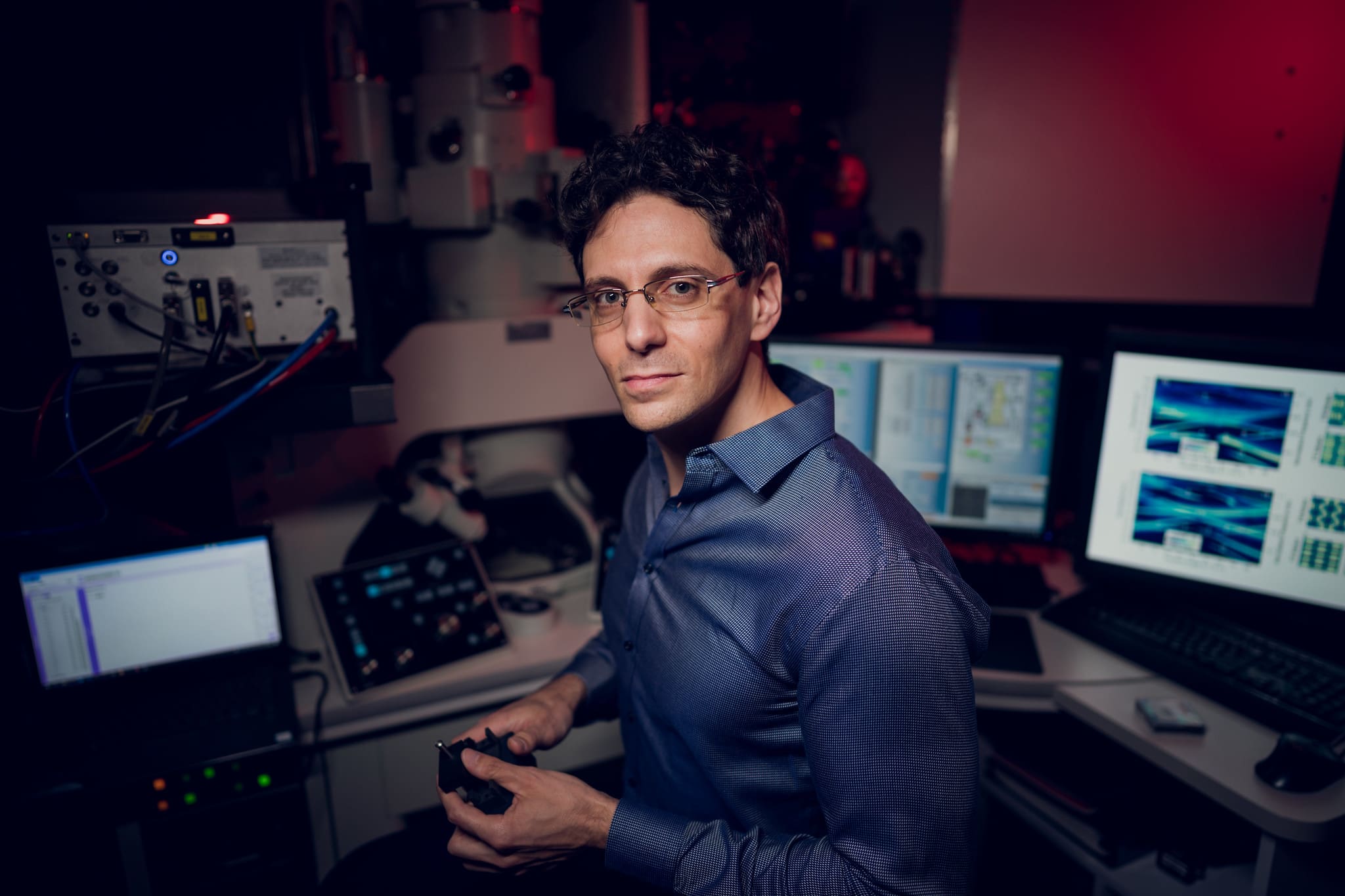
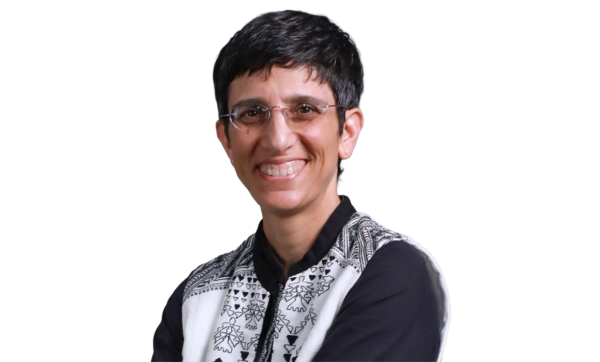
“It’s time that both researchers and clinicians take the link between psychology and physiology seriously,” said Technion Associate Professor Asya Rolls, a psychoneuroimmunologist and pioneer in mind-body interactions.
Scientists have previously shown that the emotional state can influence the course of disease following a heart attack. But until now, the underlying physiological mechanisms were not well understood.
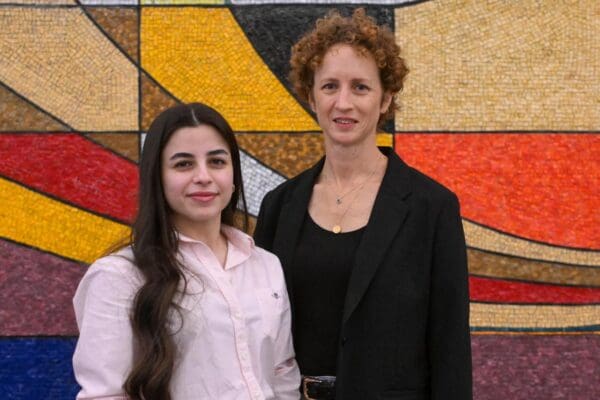
Prof. Rolls worked with renowned cardiac researcher Professor Lior Gepstein and Hedva Haykin, Ph.D. ’23, in the Ruth and Bruce Rappaport Faculty of Medicine to manipulate the area of the brain responsible for inducing positive emotion and motivation in heart-diseased mice. The stimulation resulted in a favorable immune response that helped heal cardiac scarring, increased blood vessel formation, and improved cardiac performance. Their work, published in Nature Cardiovascular Research, found that these beneficial effects on the heart are mediated in part by the secretion of C3, a protein of the body’s “complement system,” which is the front line of defense for the immune system.
Since there are many non-invasive methods for stimulating the reward system in humans, such as drugs, biofeedback, and focused ultrasound, the team’s discovery could have meaningful future implications for the treatment of heart attacks.
“You can call something psychosomatic, but in the end, it’s somatic,” said Prof. Rolls. “How long can we ignore what is there?”
Prof. Asya Rolls is part of a growing group of scientists who are mapping out the brain’s control over the body’s immune system responses. Her earlier research has made inroads into understanding and treating autoimmune diseases such as Crohn’s disease, and has even shown that triggering the brain’s reward system can stop tumor growth in mice.
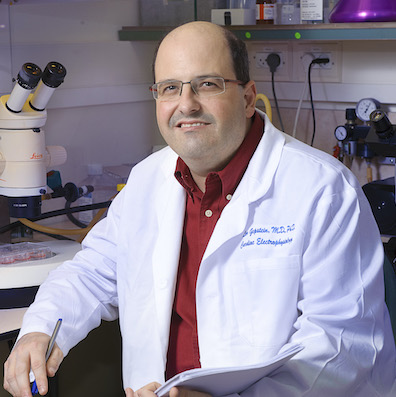
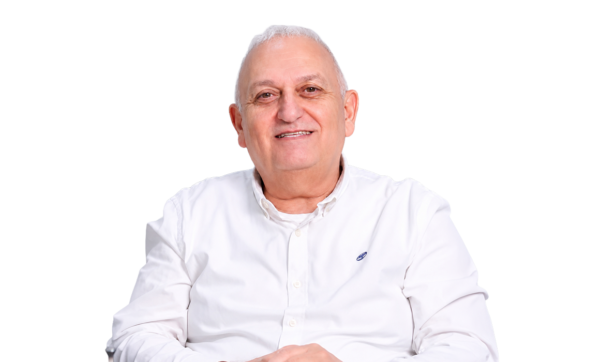
Prof. Lior Gepstein is the director of the Cardiology Department at Rambam Health Care Campus and an academic staff member in the Technion’s Faculty of Medicine. His diverse research has explored the generation of heart tissue from human embryonic stem cells, treatment for cardiac arrythmias, and the development of a biological pacemaker.
Dr. Hevda Haykin recently completed her doctoral studies under the supervision of Profs. Rolls and Gepstein, and was awarded the Israel Heart Society’s J.J. Kellerman Young Investigator Award for 2024.