Why the Perfect Pitch is Your Biggest Mistake
September 23, 2026
















The Technion’s story has been intertwined with Israel’s for more than a century, from laying the foundations for a new nation to shaping its future.

Step inside Israeli innovation at the David and Janet Polak Visitors Center. Experience our 360° immersive movie and tech exhibition. Open to individuals and groups.
Learn More
Lior Jankelson is professor of medicine and biomedical engineering at NYU, where he is a Cardiac Electrophysiologist, and serves as director of the Inherited Arrhythmia Program; as well as leading the “AI in Cardiology group”. He is an entrepreneur, a surfer, and – a proud Technion Alum! In this episode we talk about AI and […]


From regenerative implants to smarter therapies, Israel’s innovation ecosystem keeps delivering life-saving advances. Researchers from Haifa’s Technion – Israel Institue of Technology unveiled a breakthrough biological implant that could end daily insulin injections for millions with Type 1 diabetes by producing insulin inside the body without rejection. Hebrew University discovered a tiny RNA molecule that bacteriophages use to combat bacteria, offering fresh hope in the fight against antibiotic-resistant “superbugs.”

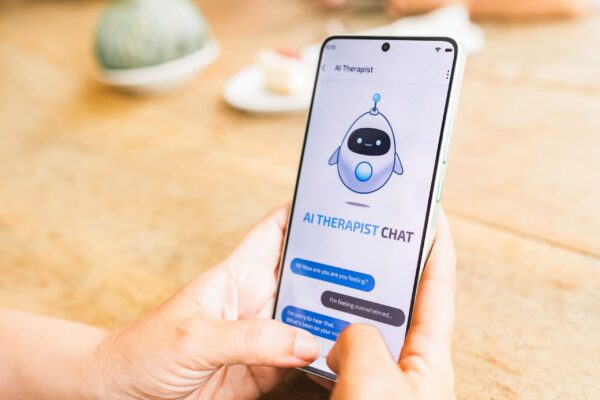
At the Zimin Institute for AI Solutions in Health Care, innovation meets impact. Founded in 2022 through a partnership between the Zimin Foundation and the Technion’s Tech.AI.BioMed arm, the institute supports transformative research that applies artificial intelligence to real-world medical challenges. From diagnostics to drug discovery and patient care, AI is redefining what’s possible in […]
In this webinar, discover how the Technion’s leading minds are realizing this vision while also tackling issues of how to overcome age-related motor and cognitive decline. Technion alumnus Prof. Nir Barzilai, M.D., and Prof. Firas Mawase discuss their groundbreaking research on health across the lifespan — and how their work promises to make life’s next chapter the best one yet. Hosted by Judy Sager, ATS executive director of planned giving. Click on the image above to experience this webinar.

Under the shadow of geopolitical tension and global uncertainty around the future of Israel, doubling down on international academic collaboration can serve as an antidote that allows us to envision a brighter version of this future. Calls for boycotts of Israeli institutions ignore the fundamental function of academia as an open forum of ideas and eliminates the infinite potential for innovation when cross-cultural work prevails. Reflecting on Israel’s global collaborations reminds us of what is possible when we meet face-to-face with our peers from halfway across the world and harness the full power of our compassion for each other. The Michigan-Israel…
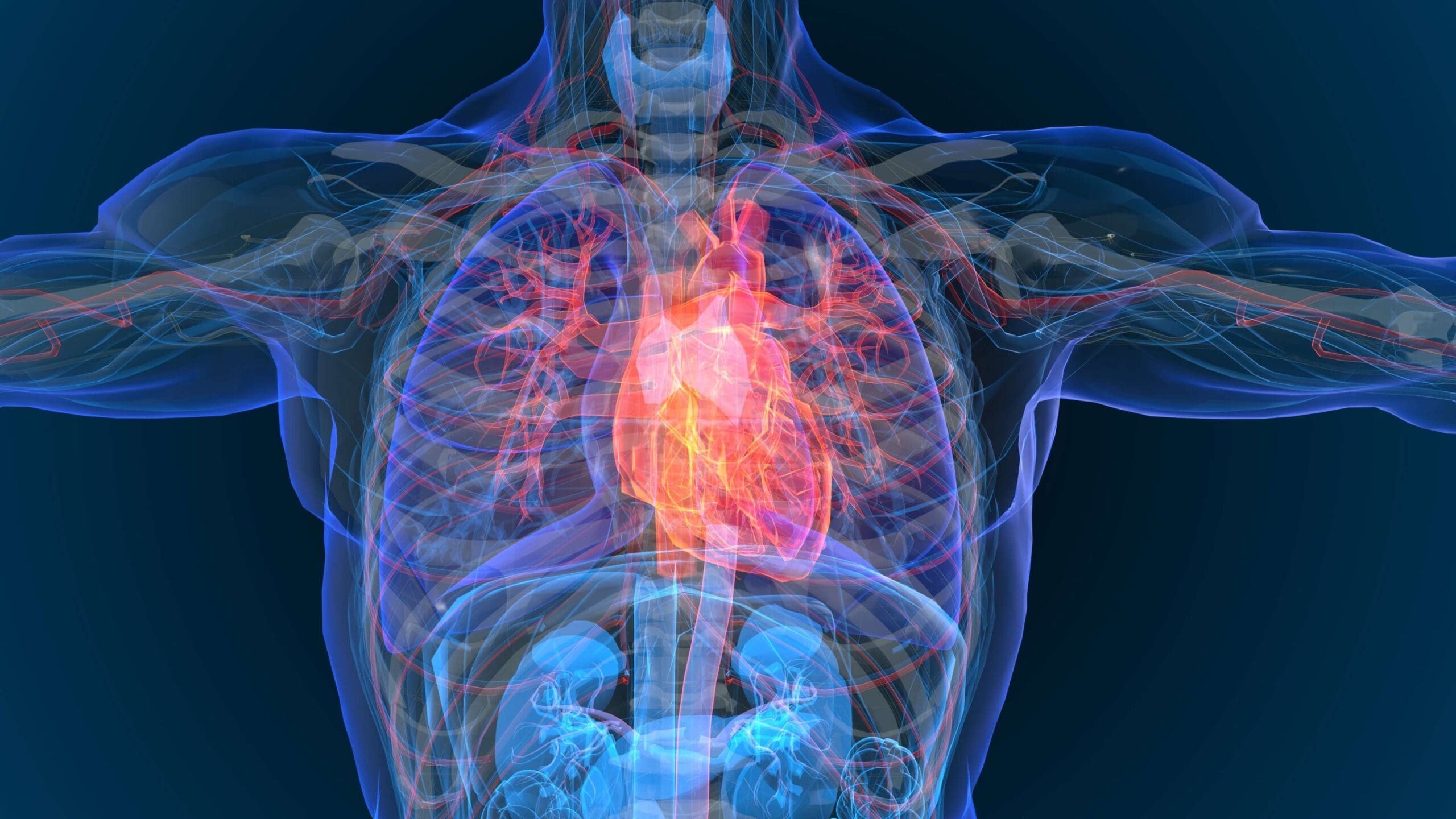
A discovery by Prof. Ami Aronheim and his team at the Technion–Israel Institute of Technology shows that the growth of cancerous tumors may actually combat cardiac dysfunction and reduce fibrosis, the scarring process that stiffens the heart muscle. “The failing heart can beat much better in the presence of cancer cells or a tumor,” said lead investigator Aronheim, dean of the Technion’s Ruth and Bruce Rappaport Faculty of Medicine, speaking to The Times of Israel. “This is very surprising,” Aronheim said. Currently, no drugs exist that can reverse fibrosis or improve the heart muscle once it has been damaged, he…
Shai Shen-Orr on the Future of Disease Modeling In this newly released podcast, Shai Shen-Orr, co-founder and chief scientist at CytoReason and professor at the Technion – Israel Institute of Technology, dives into the next frontier of health care: disease modeling. He explains how CytoReason transforms today’s overwhelming biological data into actionable insights that power […]

Dr. Eyal Orion did not dream of being an entrepreneur, certainly not a serial entrepreneur. He knew little about economics or entrepreneurship. By the age of 30, he had not yet decided what he truly wanted to do in life. Even while on a seemingly safe path at the Technion’s medical school, doubts about whether medicine was the right choice never gave him any rest. Today, nearly two decades later, he is one of the most prominent figures in Israel’s medical device industry. He spent his childhood in Ramat Efal as one of four siblings. His parents still live in…

The electrocardiogram (ECG) is one of the most essential tools in modern medicine, used to detect heart problems ranging from arrhythmias to structural abnormalities. In the U.S. alone, millions of ECGs are performed each year, whether in emergency rooms or routine doctor visits. As artificial intelligence (AI) systems become more advanced, they are increasingly being used to analyze ECGs—sometimes even detecting conditions that doctors might miss. The problem with this is that doctors need to understand why an AI system is making a certain diagnosis. While AI-powered ECG analysis can achieve high accuracy, it often works like a “black box,”…
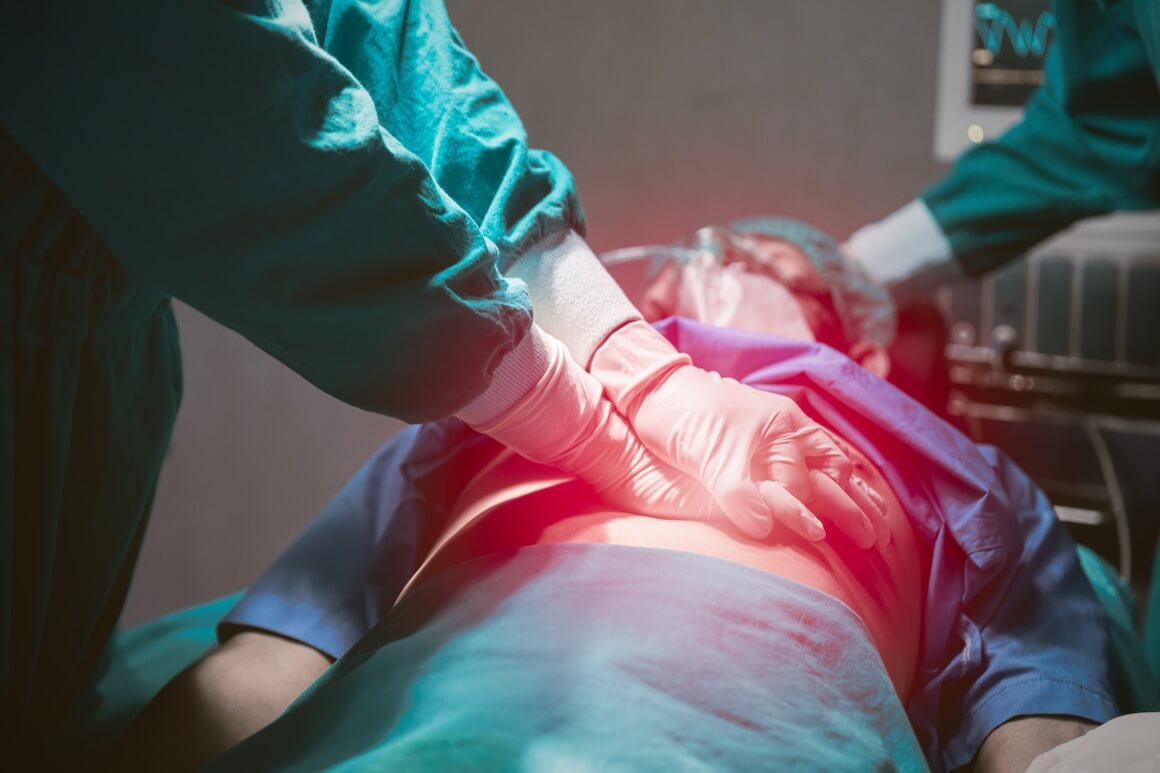
A young man was brought to the emergency room of Hadassah University Medical Center in Jerusalem in traumatic cardiac arrest after shrapnel tore his inferior vena cava, the big vein in the middle of the belly. The young trauma surgeon opened the young man’s chest to start internal cardiac massage. At the same time, he instructed his team to use HemaShock, which they’d learned about when treating soldiers during army reserve duty. Applied in emergency cases of dangerously low systolic blood pressure caused by hemorrhagic shock or cardiac arrest, this unique exsanguination tourniquet squeezes all the blood from the patient’s…
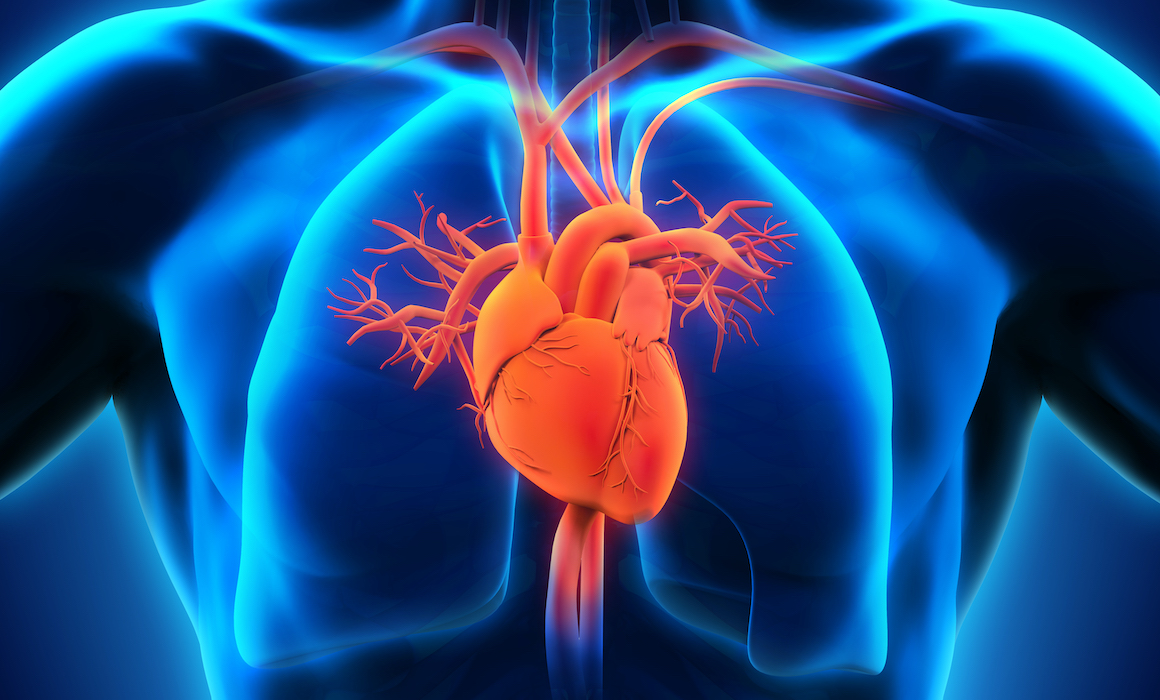
AISAP, an Israeli medical startup pioneering AI-driven diagnostics, has been recognized as one of the world’s most innovative and promising companies for 2025 by Fast Company. The company secured fourth place globally in the healthcare category, a remarkable achievement that underscores the international recognition of its groundbreaking technology and its impact on the future of medicine. AISAP was founded by Adiel Am-Shalom, a former officer in Israel’s elite 8200 intelligence unit, alongside leading medical professionals: Professor Ehud Raanani, Professor Robert Klempner, and Professor Ehud Schwammenthal. The company has raised approximately $13 million in funding from investors including Harel Insurance, Shoni…