Something Fresh in the State of Denmark
October 06, 2026





















The Technion’s story has been intertwined with Israel’s for more than a century, from laying the foundations for a new nation to shaping its future.

Step inside Israeli innovation at the David and Janet Polak Visitors Center. Experience our 360° immersive movie and tech exhibition. Open to individuals and groups.
Learn More

The world’s smallest heart pump, which was developed by an Israeli startup, is now being used in the treatment of two heart patients in New York as part of an FDA-approved study. The study is the first step to securing approval for the use of Magenta Medical’s Elevate heart pump in the US. It will evaluate the device’s safety and feasibility in providing temporary support during procedures used to open clogged arteries in the heart. The Elevate pump can support the heart’s activity, and even temporarily replace the organ for several days by opening clogged arteries of cardiac patients, and reducing…
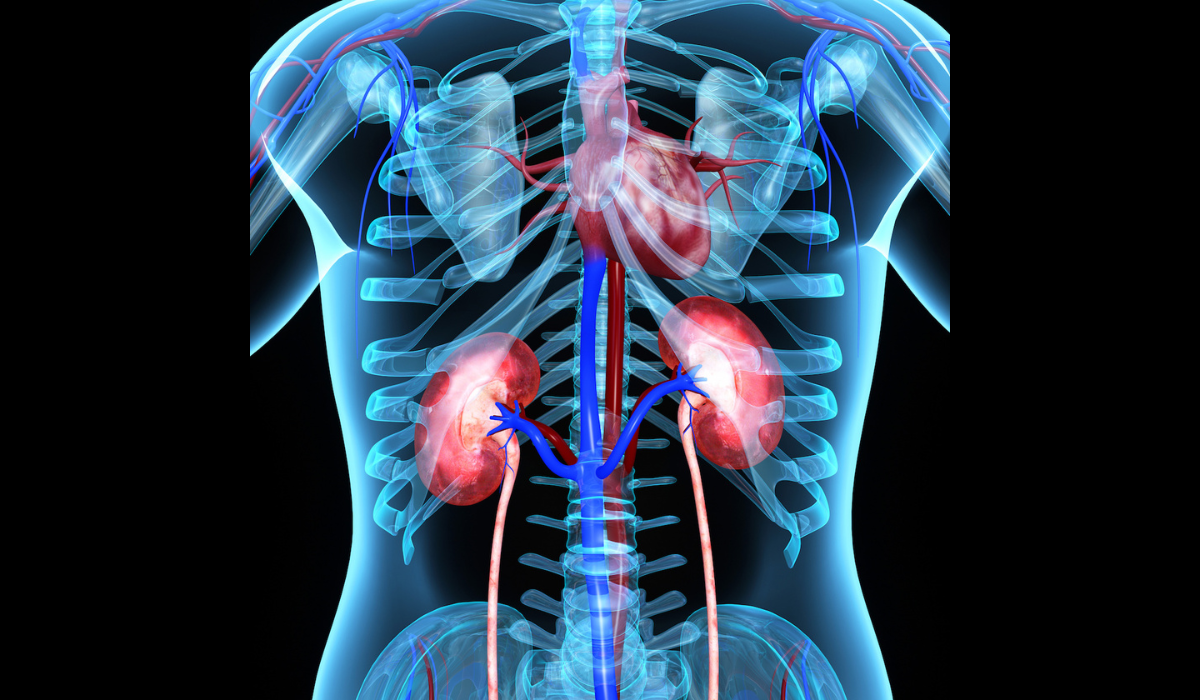
Heart disease is the leading cause of death for both men and women, and one common complication of the condition is a buildup of fluid around the heart. Similarly, renal failure affects 2 million people worldwide, and also causes excess fluid retention in the body. Retaining fluids can cause capillary damage, swelling, breathing difficulties, and mobility problems, and current methods for treating this buildup can have negative side effects. To help solve this pressing issue, AquaPass Medical – founded and led in part by company CTO and Technion alumnus Yaacov Nitzan – has created a suit that comfortably removes fluid…
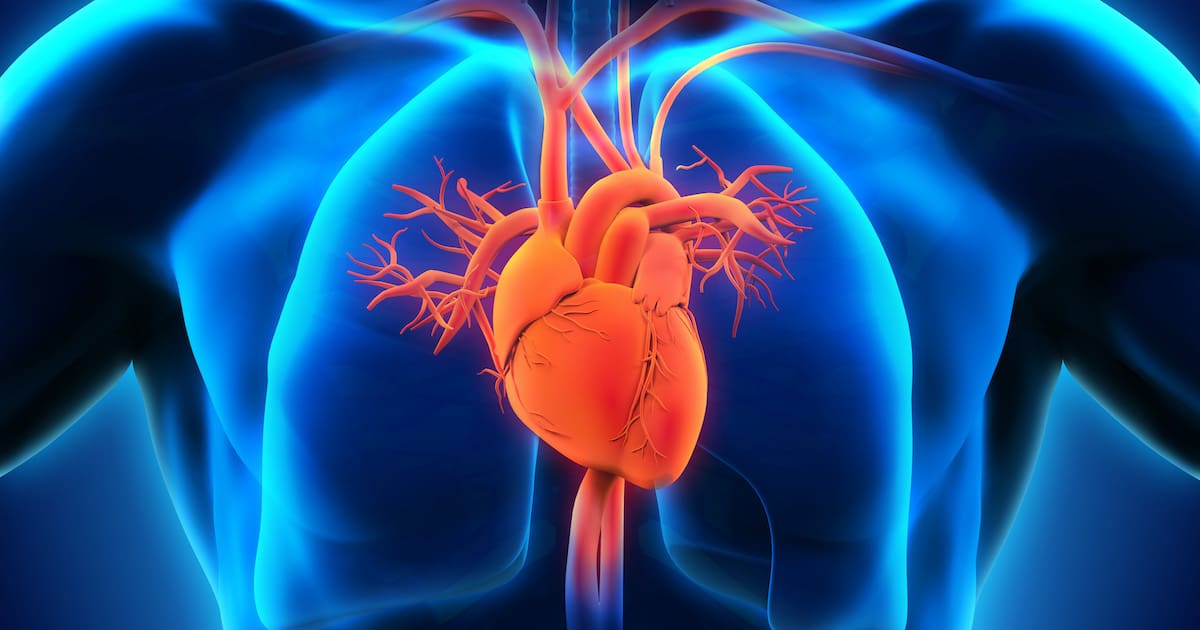
Heart failure affects more than 64 million people globally, making it one of the world’s greatest health challenges. Researchers at the Technion-affiliated Rambam Health Care Campus – Hospital are working to mitigate the prevalence of this disease. The hospital’s Heart Failure Unit, led by director and Technion alumnus Dr. Oren Caspi, has found a way […]

The Technion Human Health Initiative Brings Medical Research and Technology to the Next Level It takes a village of scientists to tackle the increasingly complex health and medical issues of our time. The Technion is assembling a venture to do just that. Learn about the new Technion Human Health Initiative (THHI), a gathering of Technion […]

Valvular heart disease is the term used to describe when any valve in the heart is damaged or diseased. According to the U.S. Centers for Disease Control and Prevention, about 2.5% of the U.S. population has valvular heart disease – but it is more common in older adults. When any of the heart’s valves are diseased, they are unable to fully open or close to allow proper blood flow from one area of the heart to the next or in the correct direction it needs to move. In more severe cases, treatment can require open heart surgery. A new alternative…

Pictured Above / BizTEC 2021 winners Team Defi (L to R): Prof. Ezri Tarazi , Ravit Abel, Idan Shenfeld, Alon Gilad, Yaron Arbel, Eyal Kellner, and Ohad Yaniv The Defi team, established by Technion students, won first prize and $10,000 in the BizTEC 2021 entrepreneurship competition, which took place in Tel Aviv. The prize was awarded to the team members for the development of a compact portable defibrillator, which is inexpensive and easy to use. Two teams took second place: BrainSense, which developed a system that monitors stroke events by identifying changes in brain activity and whose members are Technion…

There is no guarantee for preventing stroke, but eating healthy, exercising, and regular medical check-ups go a long way. Now it seems we can reduce stroke risks even more with computer science. Two Technion master’s degree students have written a machine learning algorithm that can accurately predict whether a person will develop the irregular heart rhythm atrial fibrillation (AFib) — a condition that causes one in seven strokes. Working under the supervision of Assistant Professor Joachim A. Behar, head of the Artificial Intelligence Laboratory in Medicine, Shany Biton and Sheina Gendelman accessed more than one million ECG recordings from more…
Featuring Technion President Uri Sivan and Distinguished Professor and Nobel Laureate Aaron Ciechanover Moderated by Andrea Wolfe When all is said and done, the coronavirus pandemic brought seismic changes and new ethical questions to the world of medicine. And the Technion was ready. Learn about the Technion’s major initiative aimed at advancing the standard of […]

Technion Webinar Should we consume more protein and antioxidants? Are processed foods always bad? Hear Professors Uri Lesmes and Avi Shpigelman from the Technion Faculty of Biotechnology and Food Engineering discuss nutritional misconceptions and the use of technology to improve diets, boost health, and lower negative environmental impact. Technion scientists are experimenting with emerging food […]