Something Fresh in the State of Denmark
October 06, 2026






























The Technion’s story has been intertwined with Israel’s for more than a century, from laying the foundations for a new nation to shaping its future.

Step inside Israeli innovation at the David and Janet Polak Visitors Center. Experience our 360° immersive movie and tech exhibition. Open to individuals and groups.
Learn More
In a paper published in Proceedings of the National Academy of Sciences, researchers from the Technion – Israel Institute of Technology and Tel Aviv University present BetaDescribe, an AI system that translates protein sequences into natural-language descriptions, opening a new path toward understanding protein functions and accelerating drug development and material design. Protein analysis is essential in medicine and biotechnology, as demonstrated by breakthroughs such as Ozempic, a drug whose development was inspired by a peptide found in the saliva of a rare desert lizard and is used to treat obesity, diabetes and other conditions. However, experimental protein characterization remains…

A study published in Oncogene presents an innovative strategy for the particularly complex medical challenge of destroying aggressive, treatment-resistant tumors. The research was jointly led by early-career scientists Dr. Avital Oknin Vaisman and Dr. Deepanjan Panda from the laboratories of Prof. Amir Orian, head of the Rappaport Center for Cancer Research at the Technion – Israel Institute of Technology, and a faculty member in the Ruth and Bruce Rappaport Faculty of Medicine, and Prof. Ashraf Brik of the Schulich Faculty of Chemistry. Aggressive cancers such as bone tumors (sarcomas) and melanoma that do not respond to molecular therapies have very…
An innovative technology developed by researchers at the Technion – Israel Institute of Technology could lead to a fundamental shift in the cancer treatment paradigm. They created advanced nanoparticles that successfully halt aggressive triple-negative breast cancer tumors – without releasing a single drug molecule. The particles operate through a sophisticated interaction with the immune system, changing the rules of the game by delivering a biological message to the tumor microenvironment and to immune system cells. Published in ACS Nano, the study was led by Ph.D. candidate Ofri Vizenblit, with the assistance of Ph.D. candidate Rawan Mhajne, under the supervision of…

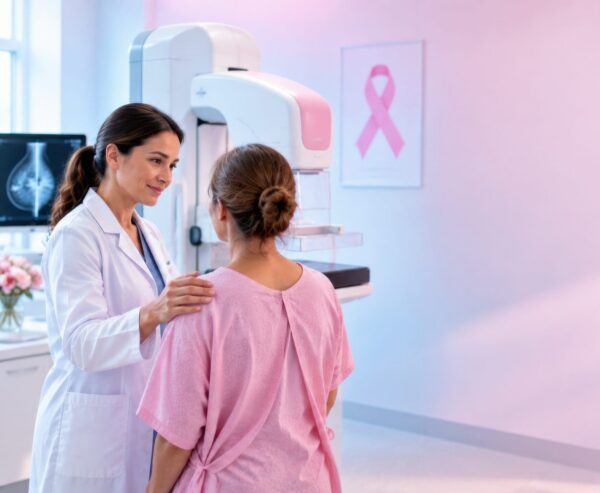
Researchers at the Technion – Israel Institute of Technology have developed an artificial intelligence (AI) model designed to help guide whether to administer chemotherapy directly after tumor resection in breast cancer patients. The model, which uses high-resolution images from hematoxylin and eosin (H&E)-stained tumor samples collected at the time of diagnosis, predicts both the risk of cancer recurrence and the likelihood that a patient will benefit from chemotherapy. The research, published in The Lancet Oncology, identifies patterns and signals in the tumor that might otherwise escape detection. “These are complex biological signals that the human eye cannot consistently quantify,” said…
From regenerative implants to smarter therapies, Israel’s innovation ecosystem keeps delivering life-saving advances. Researchers from Haifa’s Technion – Israel Institue of Technology unveiled a breakthrough biological implant that could end daily insulin injections for millions with Type 1 diabetes by producing insulin inside the body without rejection. Hebrew University discovered a tiny RNA molecule that bacteriophages use to combat bacteria, offering fresh hope in the fight against antibiotic-resistant “superbugs.”
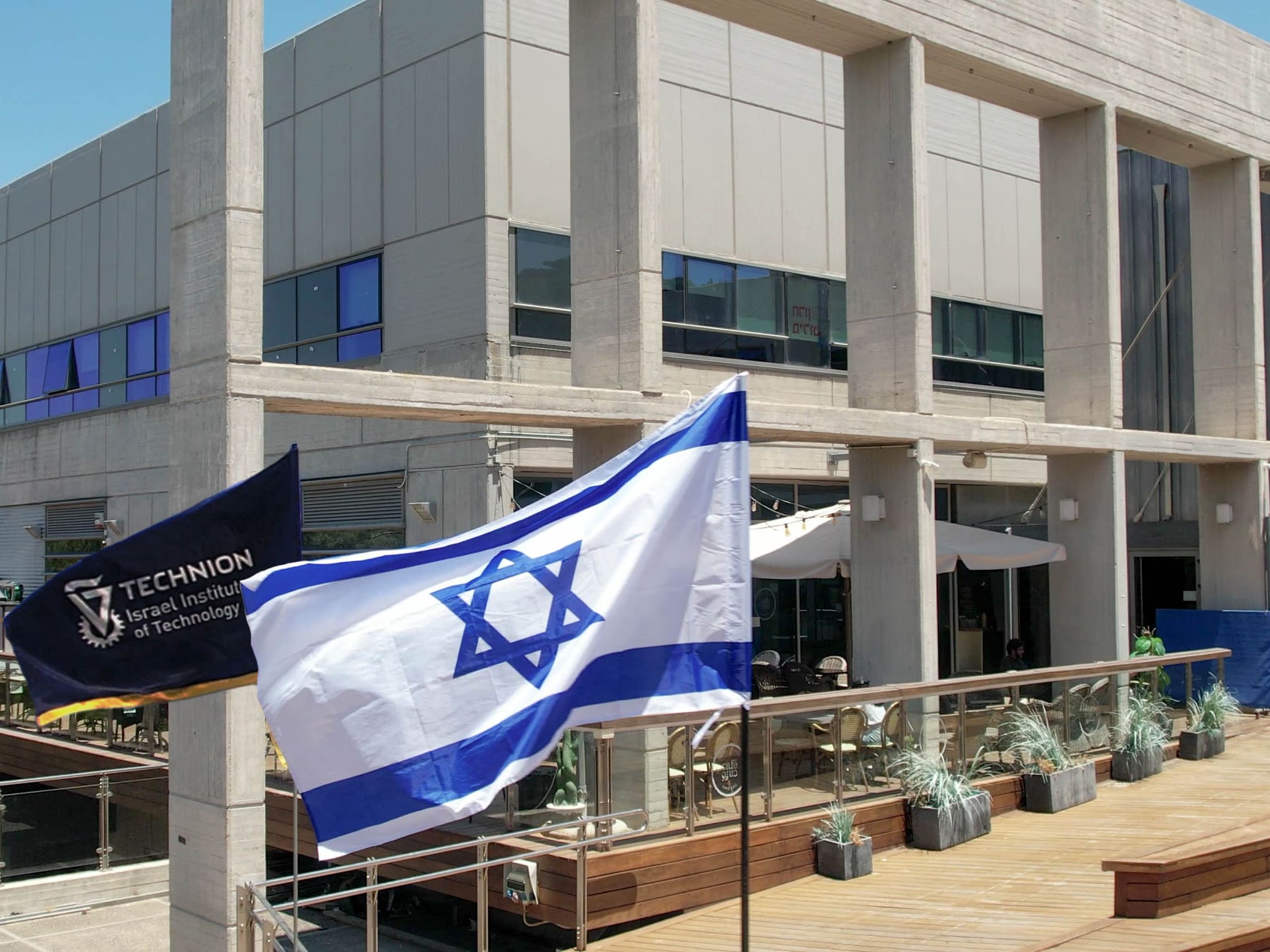
Patent registration involves prestige as well as significant money. Commercial companies file patents and reap major profits, but academic institutions also benefit from the innovations developed by their researchers. Israel holds a respected position in this arena, and for the fifth consecutive year, the Technion – Israel Institute of Technology ranked among the Top 100 institutions for U.S. patent approvals. The latest ranking places the Technion first in Israel, second in Europe, and within the list of the world’s 100 leading institutions for U.S. patent approvals in 2025. The Technion ranked 81st globally, with 46 patents approved during the year,…
Artificial intelligence is so much more than the latest buzzword. By blurring the line between human and technology, AI has proven its staying power and will undoubtedly shape the future of life on Earth. It is also no secret that when it comes to AI innovation, Israel punches above its weight class. I recently called upon the brightest minds in Israel to take an active role in shaping AI applications on a global scale, setting ethical standards and ensuring that this technology is used for good. When I think of Israel’s AI prowess, I can’t help but place the Technion…

A new implant developed at the Technion – Israel Institute of Technology may offer a self-regulating treatment for diabetes, according to a new study in collaboration with MIT, Harvard, Johns Hopkins University, and the University of Massachusetts. The study, led by Assistant Professor Shady Farah of the Faculty of Chemical Engineering at the Technion, was peer-reviewed and was published in Science. It introduced a “living, cell-based implant” that works as a pancreas and is protected against immune rejection by a novel system. According to the statement, the implant “continuously senses blood-glucose levels, produces insulin within the implant itself, and releases…

At the Zimin Institute for AI Solutions in Health Care, innovation meets impact. Founded in 2022 through a partnership between the Zimin Foundation and the Technion’s Tech.AI.BioMed arm, the institute supports transformative research that applies artificial intelligence to real-world medical challenges. From diagnostics to drug discovery and patient care, AI is redefining what’s possible in […]
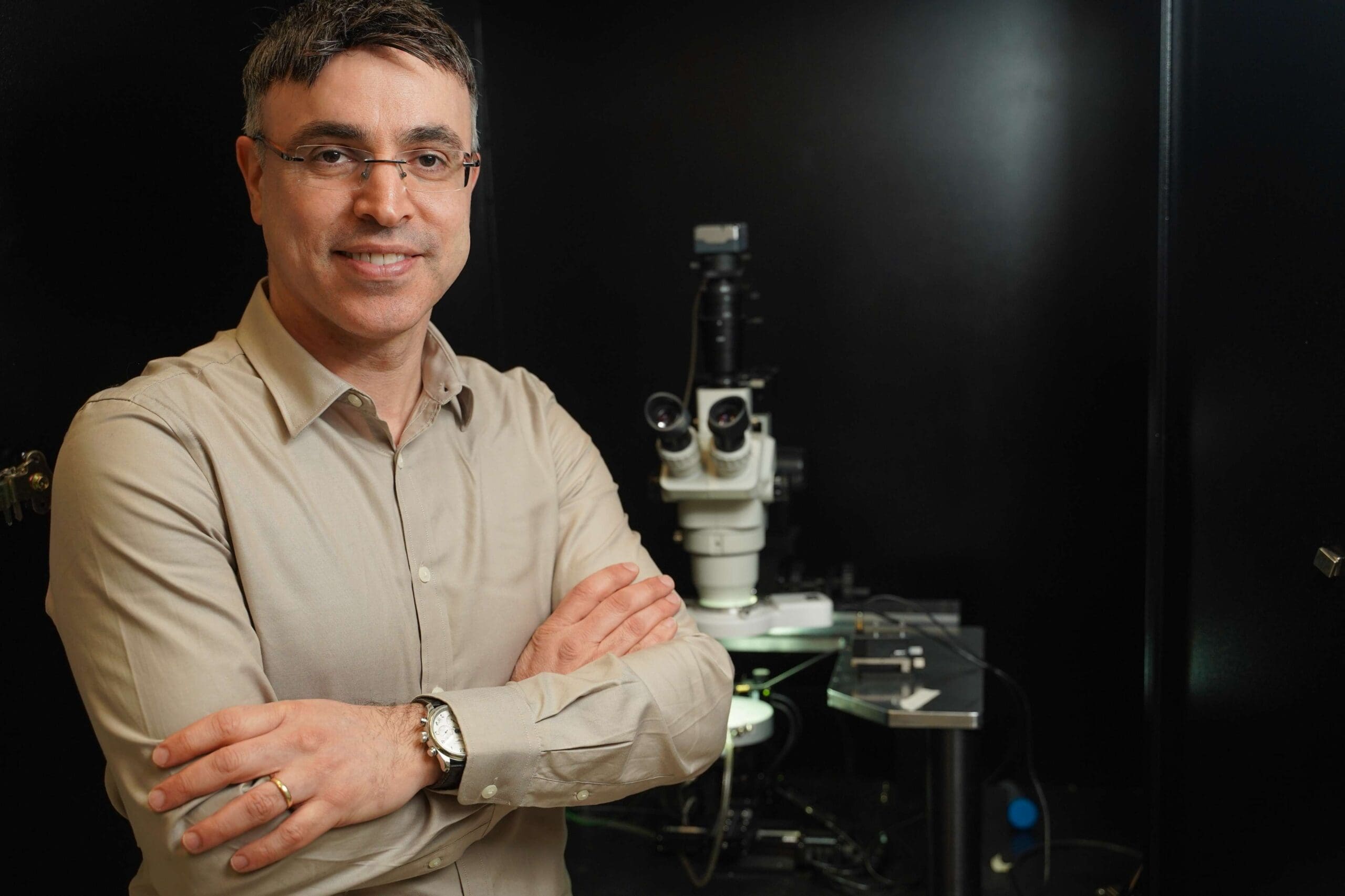
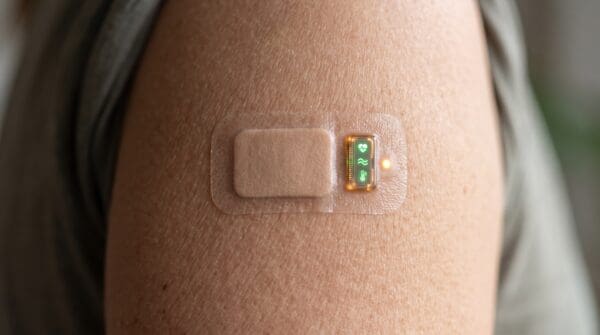
What if a single breath — or a small wearable patch — could reveal disease long before symptoms appear? For years, Prof. Hossam Haick of the Technion – Israel Institute of Technology has been turning that revolutionary idea into a reality. By identifying invisible chemical signals emitted by the human body, Prof. Haick has helped […]
Israeli researchers have developed an innovative method that enables medicine to be manufactured within the body itself. The pioneering approach, not yet tested on humans, uses live, harmless bacteria that act like tiny factories, producing therapeutic proteins inside the body, exactly where they are needed. “We are accustomed to thinking that to introduce a drug into the body, it must be manufactured in a factory and then delivered via a capsule or an injection,” said Prof. Boaz Mizrahi of the Technion – Israel Institute of Technology’s lab for biomaterials in the Faculty of Biotechnology and Food Engineering. “This could be…