Something Fresh in the State of Denmark
October 06, 2026































The Technion’s story has been intertwined with Israel’s for more than a century, from laying the foundations for a new nation to shaping its future.

Step inside Israeli innovation at the David and Janet Polak Visitors Center. Experience our 360° immersive movie and tech exhibition. Open to individuals and groups.
Learn More

About 200 million people worldwide suffer from age-related macular degeneration (AMD), and that number is expected to increase to nearly 300 million by 2040. AMD is an eye disease that can blur central vision. It is the leading causes of blindness in Western countries, where people live long enough to experience such “first world” ocular issues. One in eight Westerners over the age of 60 can expect to develop AMD. Already in 2021, the market for AMD treatment was estimated at $7.4 billion. The United States made up 52% of that market, the European Union 41% and Japan just over…

An innovative, noninvasive Israeli medication administered through the nose hopes to be a life-changer for people suffering acute spinal cord injuries – even helping them to walk again. NurExone Biologic Inc. developed ExoPTEN, which treats damage to the nervous system, from a concept created by two members of its Scientific Advisory Board: Prof. Shulamit Levenberg of the Technion – Israel Institute of Technology and Prof. Daniel Offen from Tel Aviv University. (Another member of the board is Prof. Gabriel Zeilig, the head of the National Spinal Cord Injury Rehabilitation Unit at Sheba Medical Center, Israel’s largest and globally renowned hospital.)

Israeli AI-assisted colonoscopy technology has been given the seal of approval from the internationally respected Lancet Digital Health journal, following an extensive study of its capabilities. The novel polyp detection system developed by Haifa-based MAGENTIQ-EYE was studied by the Lancet over a 14-month period at 10 leading medical centers around the world, involving 31 endoscopists and 952 patients. The study, titled “A computer-aided polyp detection system in screening and surveillance colonoscopy: an international, multicentre, randomised, tandem trial,” found that the MAGNETIQ-EYE platform increases the average detection rate for adenoma (non-cancerous or pre-cancerous tumors) by 7 percent, and had a 17-percent lower rate of missed…
Hours in surgery, weeks in hospitals and months of recuperation – or a five-minute procedure under local anesthesia and straight back home with no side effects. That’s the difference that AI (artificial intelligence) developed in Israel will now be making for patients diagnosed with liver cancer. Techsomed, a medical imaging startup, allows physicians for the first time to see exactly what’s happening in real time while they destroy (or ablate) a tumor using targeted heat through a needle. Thermal ablation therapy, a minimally invasive procedure for small tumors, has huge benefits over surgery or chemotherapy for the patients.

Associate Professor Shenhav Shemer from the Technion’s Faculty of Biology has joined the DREAMS team, a European Union-funded project to discover treatments for five rare neuromuscular disorders. DREAMS (Drug REpurposing and Artificial intelligence for Muscular disorderS) will focus on treatments for Duchenne muscular dystrophy, centronuclear myopathy, Emery-Dreifuss muscular dystrophy, Pompe disease, and Danon disease. Approximately 400,000 people worldwide suffer from these diseases. “My group is engaged in various phases of the project, including the key phases of identifying biomarkers and therapeutic targets, assessing the efficacy of molecules as novel drugs to inhibit these targets and address the disease, validating…
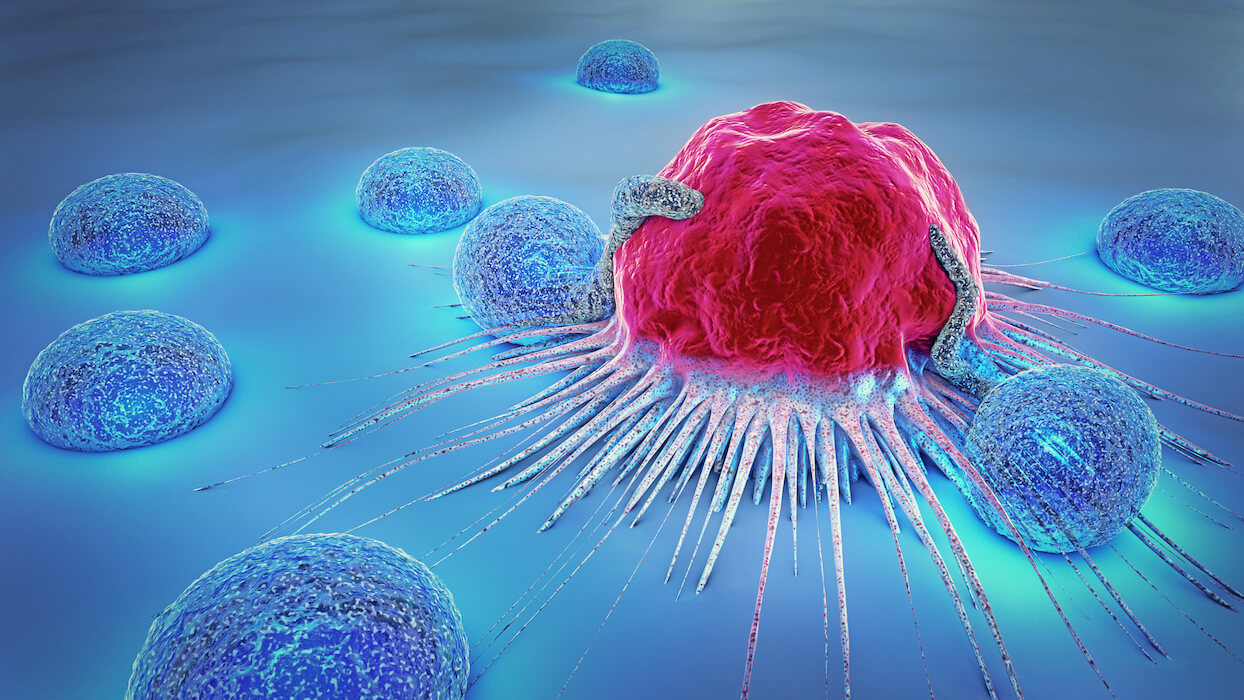
Researchers in the Technion’s Faculty of Materials Science and Engineering and Rappaport Technion Integrated Cancer Center have developed a new patented technology to treat tumors. They estimate it could accelerate the development of personalized treatments for various types of cancer. Typical cancer treatments, such as chemotherapy and radiation, often cause serious side effects, because in addition to attacking the cancerous cells, they damage healthy ones. Moreover, certain types of cancer don’t respond well to chemotherapy. Professor Alejandro Sosnik and doctoral student Ivan Zlotver have developed a treatment that combines sonodynamic therapy with a special formula of nanoparticles. Sonodynamic therapy is…

Ra’anana-based Inspira Technologies today announced the signing of a non-binding Letter of Intent with Shamir Medical Center (Assaf Harofeh), a step the company hopes will lead to providing better respiratory care both here in Israel and in the global community. “With the anticipated FDA approval on the horizon, I am confident that this prospective collaboration with Shamir Medical Center will enhance the efficacy of life-support care and establish a pathway for its adoption in both local and international markets,” president of Inspira Technologies Joe Hayo said in a press release. The Letter of Intent (LOI) with Shamir will test the performance of the INSPIRA…

Soon, cancer patients will have an additional treatment option, moving away from relying solely on chemotherapy, which often has deleterious side effects. The current one-size-fits-all approach to treating many diseases will soon be replaced by personalized (or precision) medicine. Essentially, the patient’s DNA will be sequenced, to analyze subclass diseases and identify the cause of the mutation. With a better understanding of disease mechanisms, patients can be diagnosed with great precision and the treatment can be tailored specifically to the target. For breast cancer alone, there will be more than 20 drugs designed to cure each specific type. Thai PBS…

To bring a new drug to market costs on average $1.3 billion, according to a recent report in the Journal of the American Medical Association, and takes up to 20 years. These astronomical sums do factor in the billions of dollars and years of research invested in what potentially promising therapies that ultimately lead nowhere, according to David Harel, the co-founder and CEO of CytoReason, an Israeli startup using AI and reams of data on the human body to create computational models of diseases affecting mankind. “Developing new drugs is very, very expensive. And the reason it’s expensive is not only…
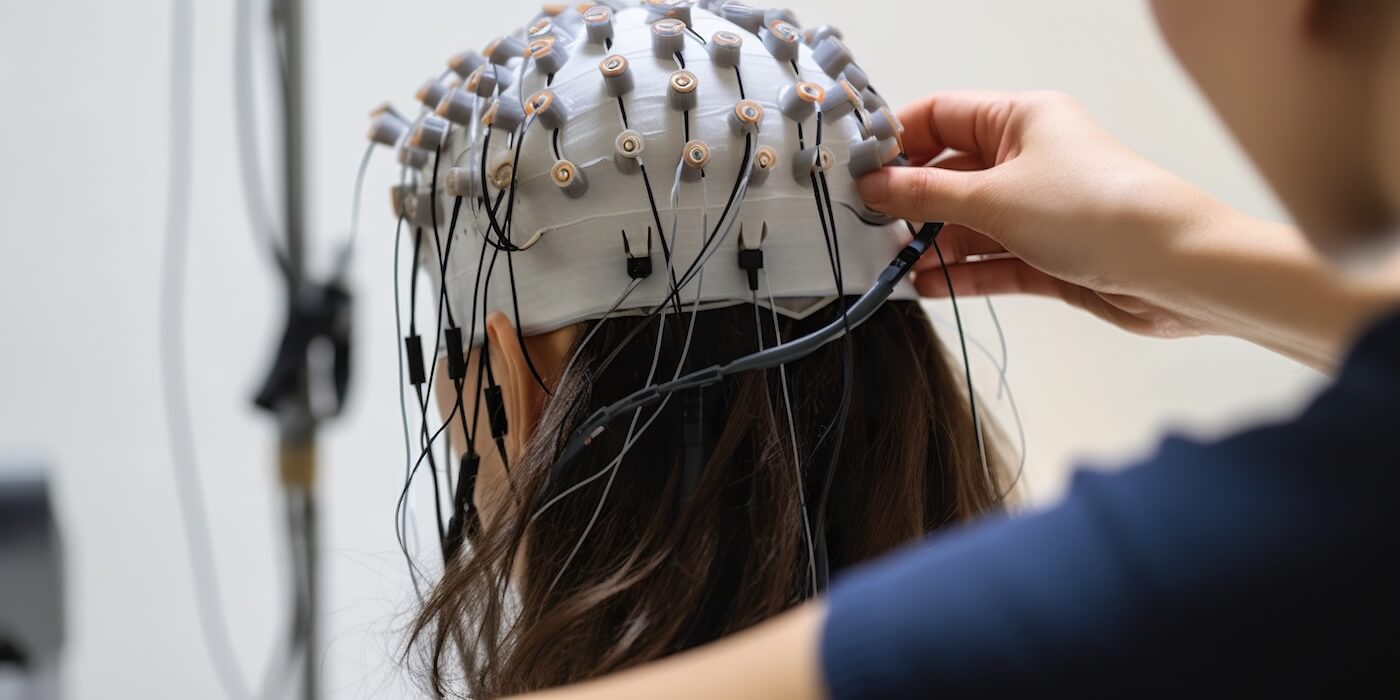
A study by GrayMatters Health, which develops digital training therapies to help the brain regulate mental health care, has shown that its FDA-approved Prism device is effective in the treatment of post-traumatic stress disorder (PTSD). The device, now available in selected clinics in the US, shows a patient’s brain activity in the amygdala, the small region of the brain associated with emotions and memory, while interacting with different scenarios. This can help patients with PTSD control their symptoms by better understanding what triggers that heightened activity in that part of the brain.

A frustrating experience as a caregiver for her then-boyfriend with cancer made Maayan Cohen realize that non-medical personnel in a medical setting needed help understanding the information in front of them. Despite dutifully tracking his treatment herself, Cohen realized that noting down his vitals in a binder full of papers was not helping her understand his condition or manage his medical records. Many others in a similar situation, she realized, were also tracking the vital signs of sick loved ones. But without a doctor at hand, it was hard to know what could help or hinder the condition.

Researchers at the Technion – Israel Institute of Technology in Haifa have developed a new tool to determine whether a cancer patient is predisposed to an advanced kind of treatment called immunotherapy. The immune system contains “checkpoints” to prevent it from attacking cancer cells too strongly, as this would also potentially damage nearby healthy cells. Immune checkpoint inhibitors (ICI) suppress this action and allow the immune system to attack the cancer cells, but they are only effective in less than 40 percent of patients and tools currently being used to predict the drug’s efficacy are not completely accurate. Keep reading at nocamels.com.