Something Fresh in the State of Denmark
October 06, 2026





























The Technion’s story has been intertwined with Israel’s for more than a century, from laying the foundations for a new nation to shaping its future.

Step inside Israeli innovation at the David and Janet Polak Visitors Center. Experience our 360° immersive movie and tech exhibition. Open to individuals and groups.
Learn More

Researchers at the Technion, led by Professor Nabieh Ayoub and his team, are paving the way for future cancer treatments with a new study that could change how we tackle lung cancer. The team explored a specific form of lung cancer called lung adenocarcinoma (LUAD), which is often diagnosed in its advanced stages, leaving patients with limited […]
Israeli medical diagnostic company MeMed has announced the successful completion of the first randomized controlled trial in the US of its test to differentiate between bacterial and viral infections. The test could reduce the amount of use of antibiotics, which do not work on viral infections but whose prescription for them plays a part in the growing problem of antibiotic resistance in bacteria. The company says the trial of the MeMed BV test successfully demonstrates its clinical utility in promoting appropriate antibiotic use, highlighting its potential to improve patient outcomes and healthcare decision making. It also called the trial a…

A hunch by a respected Israeli biochemist about a molecule found in papaya has opened the door to revolutionize the treatment for metabolic and respiratory disorders, including cystic fibrosis (CF) in children. Inspired by the hunch, Israeli biotech startup ODE Pharma was founded with the mission of developing safe and cost-effective treatments for children suffering from the genetic disease. CF is caused by a defective gene that makes the body produce thick and sticky mucus in the lungs and other organs, which leads to a variety of serious lifelong issues, including chronic respiratory problems and recurrent lung infections. There is…

There’s a common situation that occurs during a doctor’s visit. The patient comes in with an ailment, perhaps it’s a cough, a congested chest or ear ache. The doctor raises possibilities of what could be causing the sickness – pneumonia, strep throat, an ear infection and so on. Chests are listened to, ears are examined, noses are swabbed and some tests are sent off to the lab. In the meantime, as the results may take days to come in, the doctor recommends that the patient get started on a round of antibiotics, making an educated guess to diagnose a possible…

“Stay positive,” we’re told when suffering from an illness. It’s easy to dismiss such comments as platitudes from well-meaning friends. But Technion scientists have demonstrated that activation of the brain’s reward system can boost recovery from a heart attack. Establishing the connection between the two can potentially lead to therapeutic avenues for intervention. “It’s time that both researchers and clinicians take the link between psychology and physiology seriously,” said Technion Associate Professor Asya Rolls, a psychoneuroimmunologist and pioneer in mind-body interactions. Scientists have previously shown that the emotional state can influence the course of disease following a heart attack. But…
Modern medicine allows people to live longer and better, but with these life-enhancing therapies comes a risk of what clinicians call an adverse drug reaction (ADR) and laymen know as side effects. This is especially the case with polypharmacy (when patients take five or more drugs at the same time), says Liat Primor, veteran of the pharmaceutical industry and CEO and co-founder of FeelBetter, a startup dedicated to improving outcomes for patients taking multiple medications. “Sometimes patients have not only one condition, they have plenty – 10 or 15 – and they take so many medications,” Primor tells NoCamels. “They…
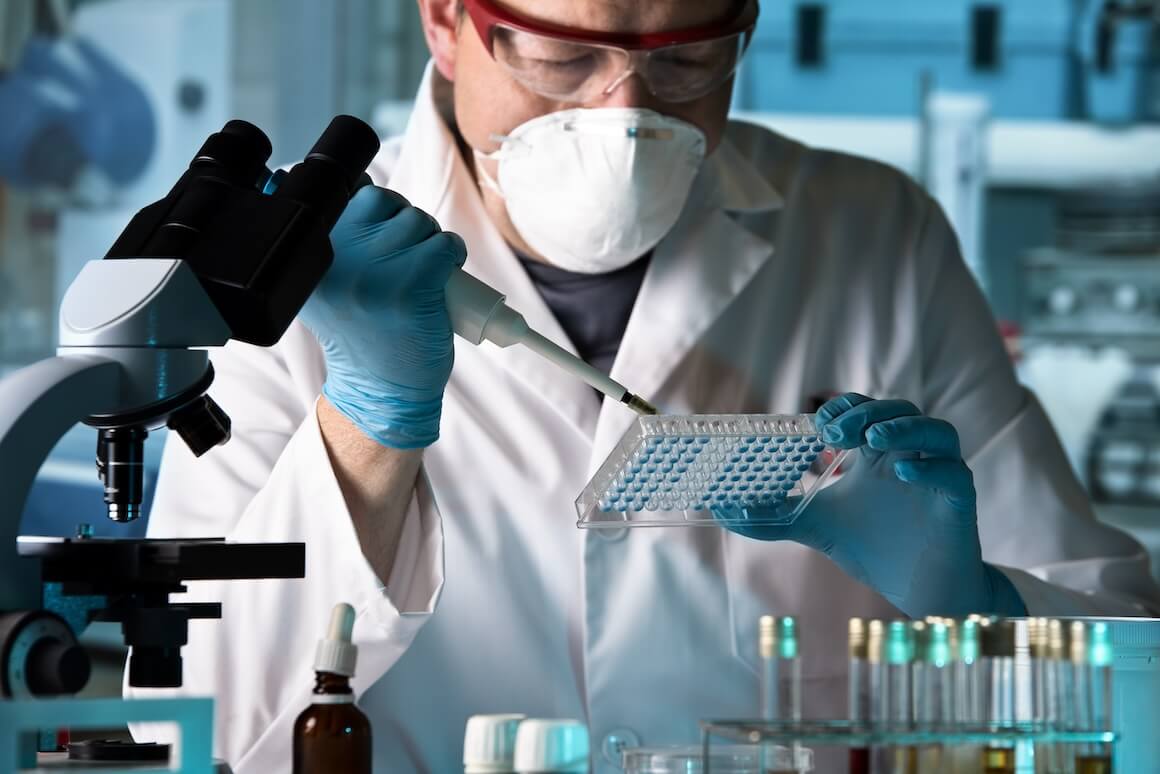
Back in ancient Greece, medical whiz kids like Hippocrates and Alcmaeon of Croton were hot on the idea that blood, phlegm, yellow bile and black bile — known as the body’s “humors” — held the keys to the kingdom of good health and a long life. While humorism theory has since fallen out of medical fashion, one of its core ideas has remained steadfast: There’s a lot to be gleaned from a closer look at the juices inside of our bodies. Those juices have so much potential, in fact, that in recent months medtech experts around the world and specifically…
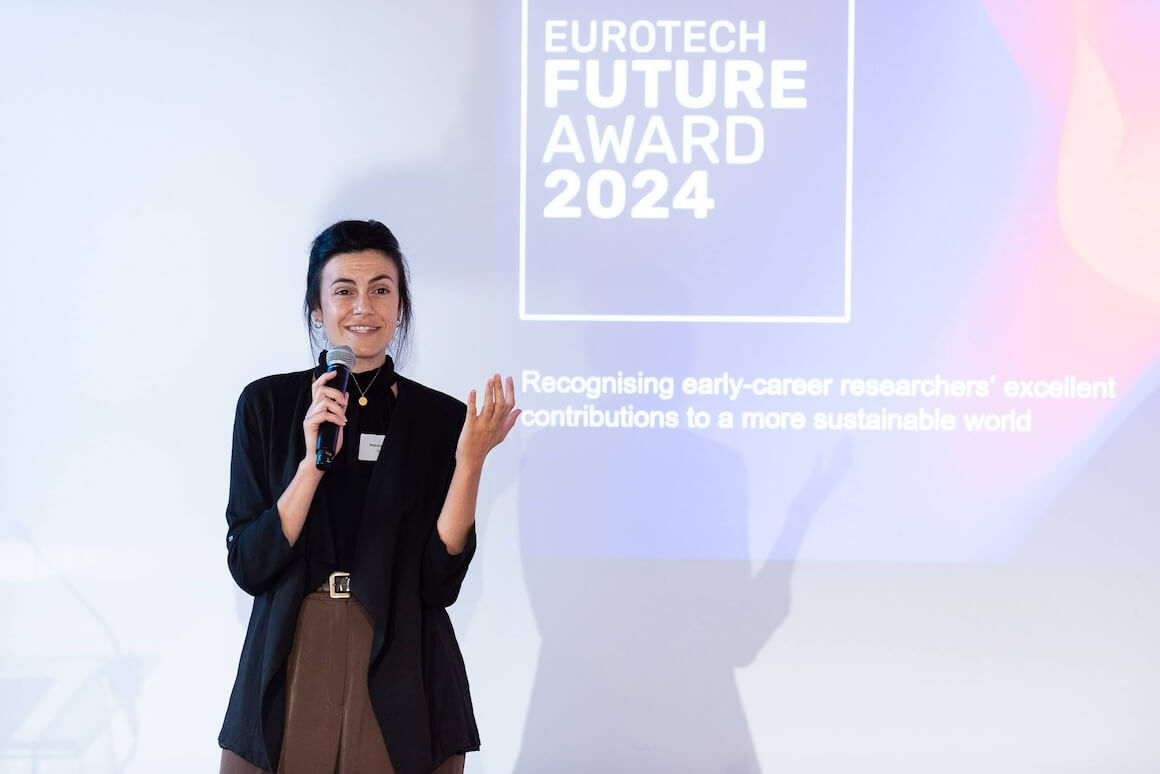
Imagine if music turned out to be the panacea for treating Alzheimer’s disease and other neurological disorders. Dr. Patricia Mora-Raimundo, a postdoctoral researcher in the Technion’s Wolfson Faculty of Chemical Engineering, is investigating the possibility. Like the Pied Piper, she developed a model to improve nanomedicine delivery directly to the injured parts of the brain through music. Nanometric drugs have the potential to produce much better treatment outcomes for neurological diseases than conventional treatments. However, one of the main challenges is the blood-brain barrier. This barrier protects the brain from infections but is also a complex obstacle to drug delivery….
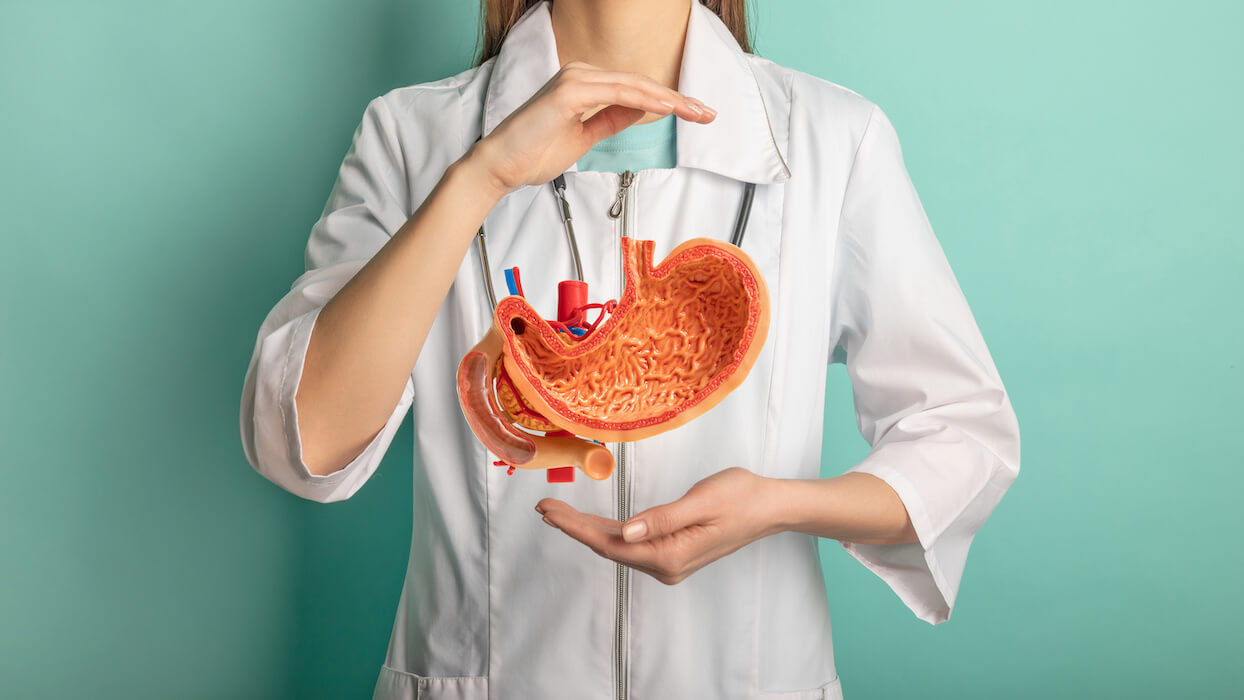
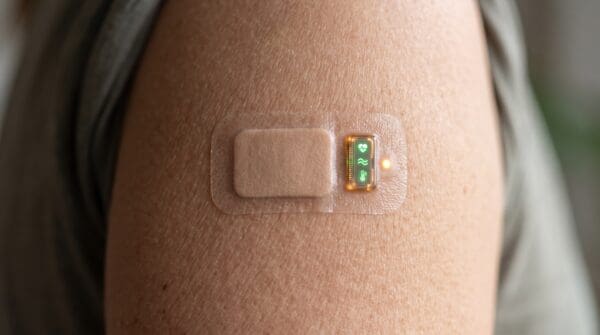
Undergoing major gastrointestinal (GI) surgery can be challenging enough for a patient without the worry of a grave yet common aftereffect that requires urgent corrective surgery and a lengthy hospital stay – or worse. Israeli startup Exero Medical has come up with a way of keeping tabs on the surgical site after such a procedure, looking for a localized rupture that has hitherto been extremely difficult to detect. Every year, millions of people undergo surgery in the digestive tract – in most cases, for the removal of a part of the digestive system due to issues such as cancer or diverticulitis, Exero…

An Israeli professor is among 10 international recipients of an award for innovative neurobiological and behavioral research. Prof. Dorit Ben-Shachar from the Technion – Israel Institute of Technology is one of the 10 senior-level scientists to equally share the grant of $1 million from the Brain & Behavior Research Foundation (BBRF). Ben-Shachar aims to target mitochondria (the producers of energy within a cell) with a treatment that can help with biological and behavioral problems in schizophrenia. If successful, it can offer a better understanding of the role of mitochondria in schizophrenia, and potentially a new way of treating the condition.

The bacteria in the gut – known as the microbiome – have in recent years emerged as a focal point of scientific exploration, with their intricate roles in our metabolism, nutrition, and overall health coming into sharp focus. Researchers at the Technion-Israel Institute of Technology in Haifa have now made a discovery that could lead to a better understanding of and treatment for inflammatory bowel diseases (IBD) such as colitis and Crohn’s disease. Over millions of years of co-evolution with humans, gut bacteria have become indispensable for the proper functioning of our immune system. The gut is a constantly changing organ,…
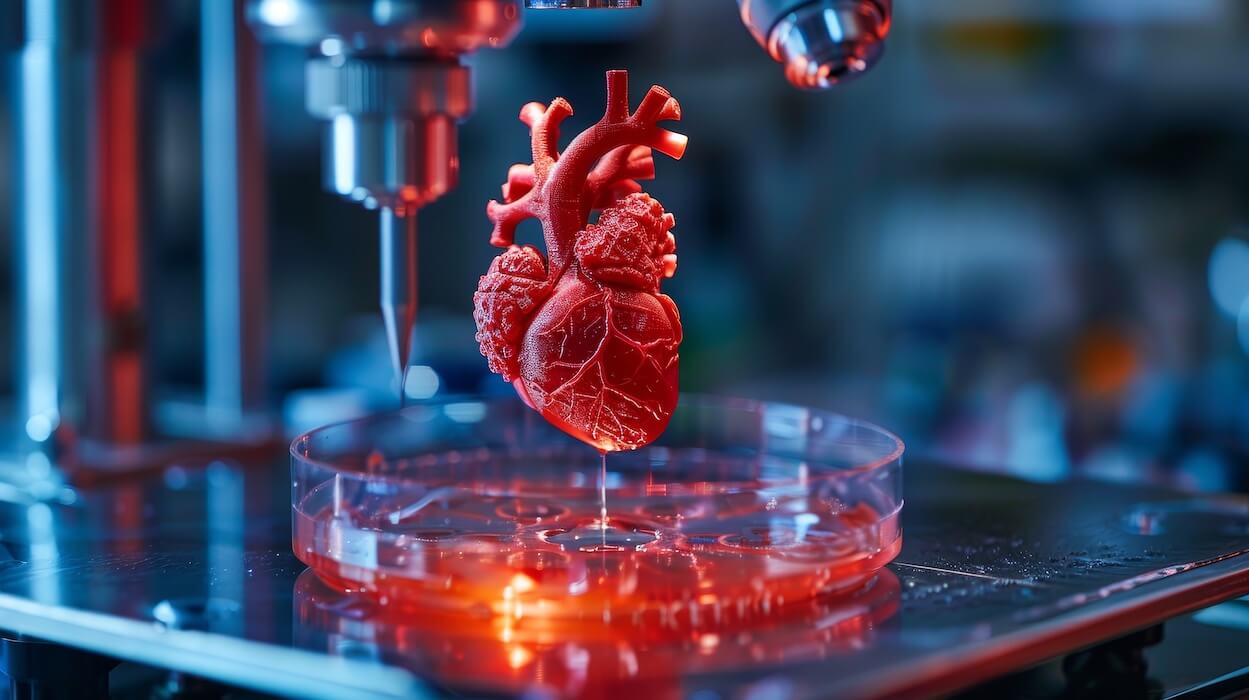
Globally, there is a persistent shortage of viable organs for transplantation. This unmet need has spurred the development of “engineered organs” — cultivated tissue that mimics the structure and function of livers, hearts, lungs and other vital viscera. While these in-vitro inside parts can be used to fill the gap in organ supply, it’s really hard to supply blood throughout the newly transplanted tissue. To solve this problem, Bonus Biogroup, an Israeli biotechnology company specializing in next-generation tissue regeneration therapies, has developed a method of producing a sophisticated network of artificial blood vessels that will enable reliable blood flow to transplanted artificial organs, drastically…