The Technion’s story has been intertwined with Israel’s for more than a century, from laying the foundations for a new nation to shaping its future.

From medicine to security, explore how the Technion is advancing Israel and improving lives around the world.
View All Impact Areas
Explore stories, news, insights, and data across articles, videos, and podcasts.
view all content types
of the student body are Arab Israeli
of all universities in the world*
in Israel and Europe for research on artificial intelligence
The Technion’s story has been intertwined with Israel’s for more than a century, from laying the foundations for a new nation to shaping its future.
Explore ATS, the Technion, and the people behind the breakthroughs redefining what's possible for Israel and the world.
Learn More About ATSATS is a community of supporters, innovators, and champions of possibility united by one mission: transforming Israel and the world through science and discovery.
Learn MoreFor more than 100 years, the Technion has been Israel's technological engine and leading driver of innovation, technology, and entrepreneurship, transforming ideas into impact.
Learn More
Step inside Israeli innovation at the David and Janet Polak Visitors Center. Experience our 360° immersive movie and tech exhibition. Open to individuals and groups.
Learn MoreFrom medicine to security, explore how the Technion is advancing Israel and improving lives around the world.
View All Impact AreasExplore stories, news, insights, and data across articles, videos, and podcasts.
view all content typesExplore ATS, the Technion, and the people behind the breakthroughs redefining what's possible for Israel and the world.
Learn More About ATSAs Seen in nocamels.com
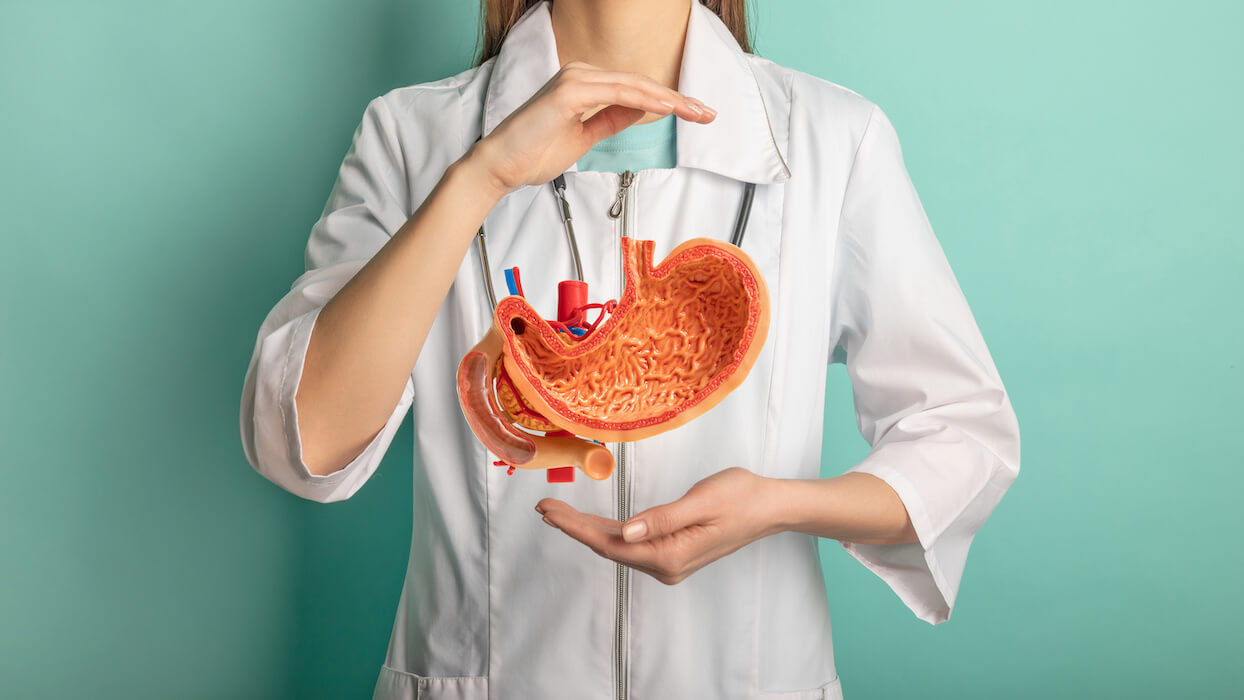
Undergoing major gastrointestinal (GI) surgery can be challenging enough for a patient without the worry of a grave yet common aftereffect that requires urgent corrective surgery and a lengthy hospital stay – or worse.
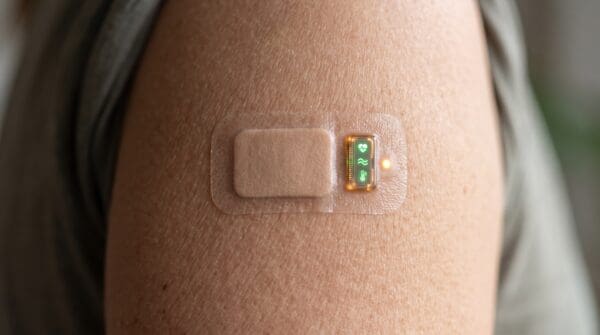
Israeli startup Exero Medical (opens in a new tab) has come up with a way of keeping tabs on the surgical site after such a procedure, looking for a localized rupture that has hitherto been extremely difficult to detect.
Every year, millions of people undergo surgery in the digestive tract – in most cases, for the removal of a part of the digestive system due to issues such as cancer or diverticulitis, Exero CEO and co-founder Erez Shor tells NoCamels.
And even if the surgery is uneventful and successful, he says, it is difficult to fully monitor the site of the operation for any post-surgical complications.
Exero Medical CEO Erez Shor is a Technion alumnus.
by
nocamels.com (opens in a new tab)
on
April 03, 2024
Learn about the challenges of stomach surgery and how Exero Medical's sensor monitors surgical sites for complications.
1 min
X (opens in a new tab) / Facebook (opens in a new tab) / LinkedIn (opens in a new tab) / Email / Copy Link
Biotech / Alumni / Intelligent Drugs / Startups /
Bringing these diverse fields together under one roof is intended to shorten the journey from discovery to application, creating an environment where medical needs can spark new research and promising innovations can move more quickly toward the patients who need them. “The combination of a research hospital and a technological university provides the entire value […]
Prof. Hossam Haick of the Technion – Israel Institute of Technology, one of Israel’s most successful scientists, is really a frustrated karate fighter. As a boy in Nazareth, he joined a karate class and seemed to have found his calling. “I was incredibly competitive,” he says. “I went from one achievement to the next.” But […]
The Nobel Assembly at Karolinska Institutet announced Monday that professors Karl Deisseroth, Peter Hegemann, and Georg Nagel were awarded the 2026 Nobel Prize in Medicine, with two of the three laureates having received the Technion-Israel Institute of Technology Harvey Prize. Prof. Deisseroth of the Howard Hughes Medical Institute and Stanford University, USA, and Prof. Hegemann […]
Stay on top of the latest breaking scientific discoveries from Israel and the Technion. Subscribe to the ATS newsletter.