Something Fresh in the State of Denmark
October 06, 2026
















The Technion’s story has been intertwined with Israel’s for more than a century, from laying the foundations for a new nation to shaping its future.

Step inside Israeli innovation at the David and Janet Polak Visitors Center. Experience our 360° immersive movie and tech exhibition. Open to individuals and groups.
Learn More
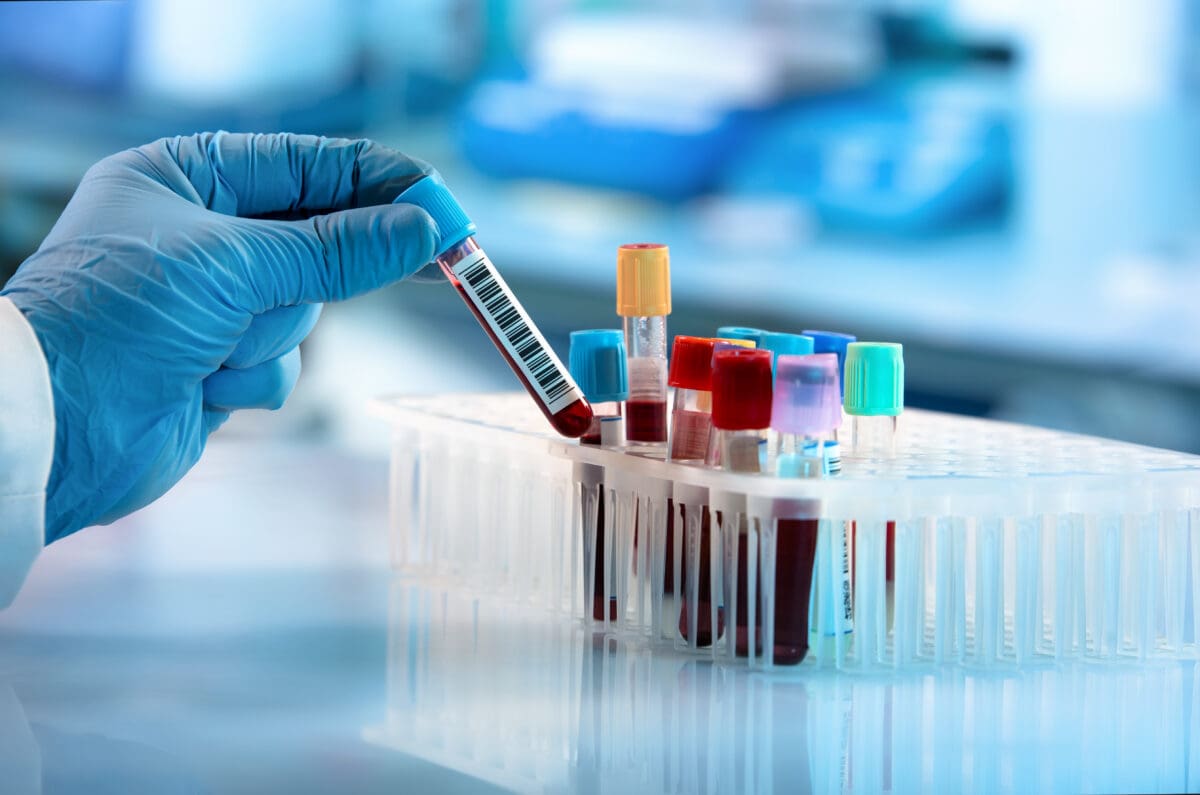
Few medical decisions seem so simple, yet create so much uncertainty: Is the infection bacterial, and therefore potentially in need of antibiotics, or viral, meaning antibiotics will not help? For years, physicians have tried to answer that question using symptoms, blood tests and tests that directly search for the virus or bacteria. Israeli company MeMed […]
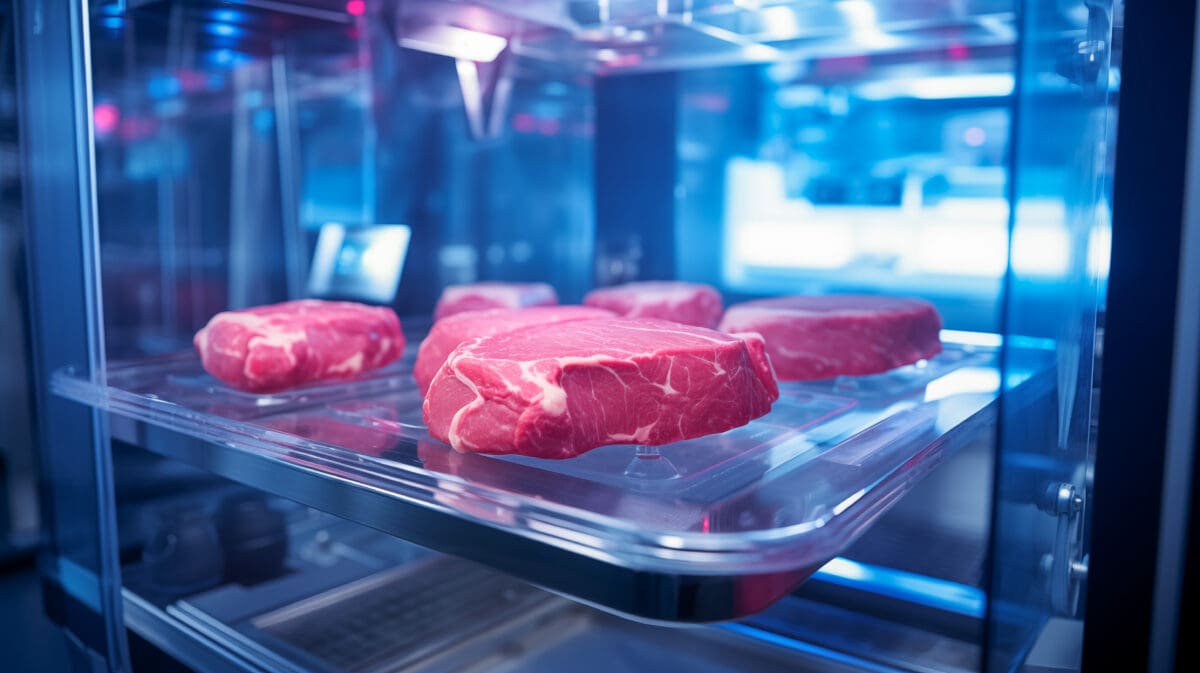
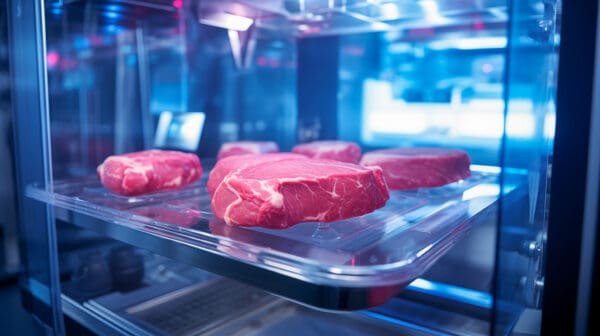
In 2013, the world’s first lab-grown hamburger was served in London. Made from cattle cells, it cost around €250,000 at the time and was more a proof of concept than a lunch. The idea seemed almost like science fiction: producing real meat without raising and slaughtering an entire animal. A little more than a decade […]
In a paper published in Proceedings of the National Academy of Sciences, researchers from the Technion – Israel Institute of Technology and Tel Aviv University present BetaDescribe, an AI system that translates protein sequences into natural-language descriptions, opening a new path toward understanding protein functions and accelerating drug development and material design. Protein analysis is essential in medicine and biotechnology, as demonstrated by breakthroughs such as Ozempic, a drug whose development was inspired by a peptide found in the saliva of a rare desert lizard and is used to treat obesity, diabetes and other conditions. However, experimental protein characterization remains…

A study published in Oncogene presents an innovative strategy for the particularly complex medical challenge of destroying aggressive, treatment-resistant tumors. The research was jointly led by early-career scientists Dr. Avital Oknin Vaisman and Dr. Deepanjan Panda from the laboratories of Prof. Amir Orian, head of the Rappaport Center for Cancer Research at the Technion – Israel Institute of Technology, and a faculty member in the Ruth and Bruce Rappaport Faculty of Medicine, and Prof. Ashraf Brik of the Schulich Faculty of Chemistry. Aggressive cancers such as bone tumors (sarcomas) and melanoma that do not respond to molecular therapies have very…
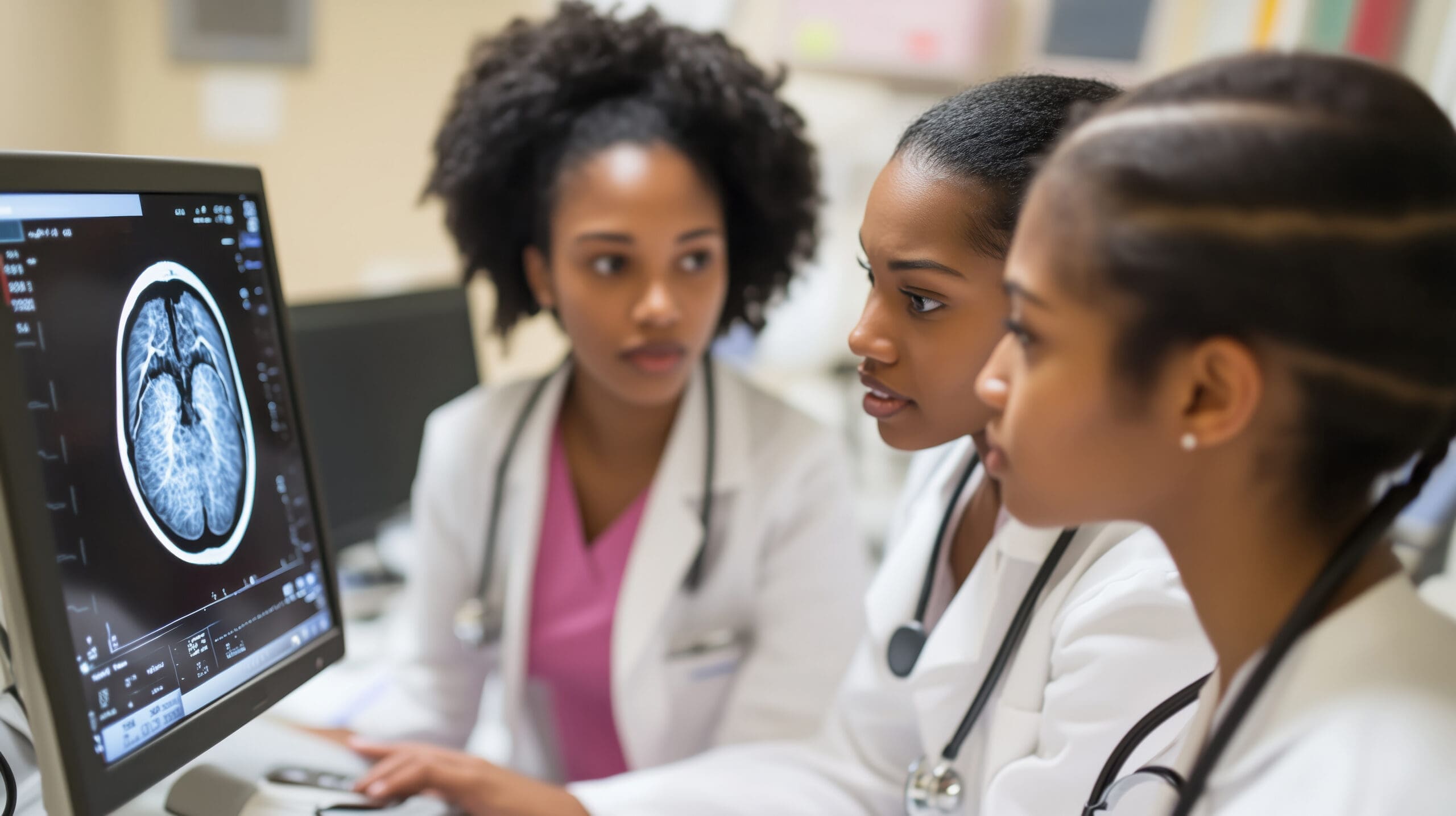
A first-of-its-kind treatment in Israel was recently performed at Rambam Health Care Campus, where specialists helped a man in his 40s detox from an extreme dependence on opioid painkillers, which had reached about 130 pills a day, in a procedure that lasted just 20 minutes. The treatment was carried out using unique Israeli technology developed by Insightec, as part of an international study underway at a small number of medical centers in the United States, and now also in Israel. “This is a new therapeutic platform that allows us to offer a range of noninvasive treatments for many problems affecting…

Concrete shapes the world you live in, but its environmental toll is massive. Imagine, though, if the buildings around you could grow and breathe, helping to heal the planet. This isn’t science fiction. It’s the vision of CyanoCement. Developed by researchers from the Technion – Israel Institute of Technology, this innovative biocement uses ancient microbes to redefine how we think about construction materials. At the heart of CyanoCement are cyanobacteria, tiny photosynthetic organisms responsible for Earth’s first oxygen-rich atmosphere. By leveraging these extraordinary capabilities, the team—Perla Armaly, Yuval Berger, Lubov Iliassafov, Keren Rosenblau, Yechezkel Kashi, and Shany Barath—crafted a process where these microbes bind minerals…

Generations of faculty, students, and alumni have helped build the technologies, companies, and industries that earned Israel its reputation as the “Startup Nation,” with Technion – Israel Institute of Technology graduates founding hundreds of startups and driving breakthroughs in fields ranging from AI and cybersecurity to semiconductors and robotics. Here’s a look at some recent […]

A human ear, engineered and printed in a laboratory, may sound like science fiction — but at the Technion, it is already becoming reality. Prof. Shulamit Levenberg, a member of the Faculty of Biomedical Engineering at the Technion, has successfully developed a method to bioprint cartilage structures designed to replace undeveloped ears. Her work represents […]
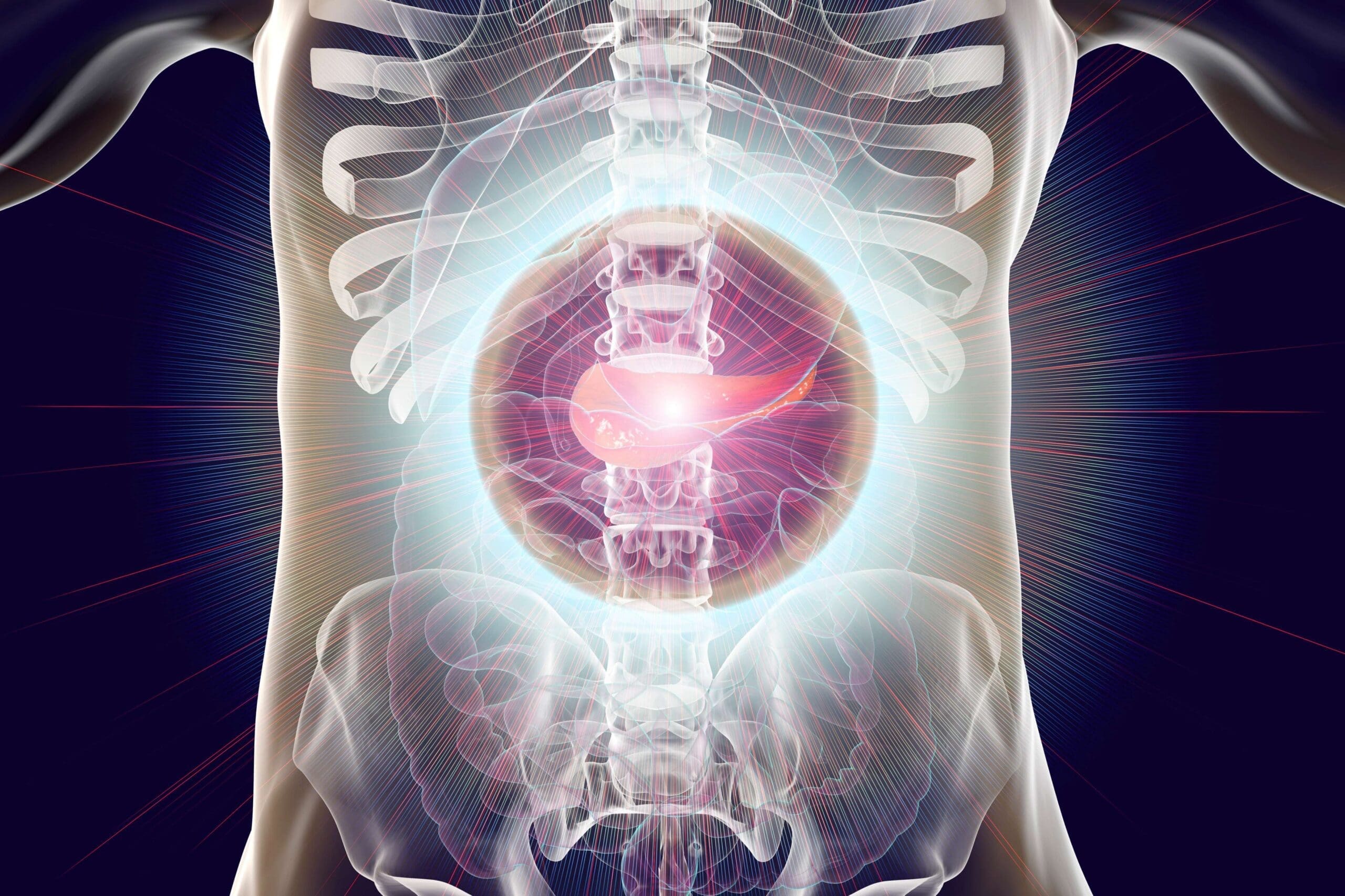
Consider pancreatic cancer – the disease that killed Steve Jobs, e.g., despite the best medical technology money could buy. Approximately 467,000 to 500,000 people die from pancreatic cancer worldwide each year. It is the sixth most common cause of cancer death globally. Due to its high mortality rate and lack of early detection, the number of deaths is projected to rise significantly in the coming decades. And no new drug to treat it has gained FDA approval – for 30 years! Moreover, survival rates are bleak: Metastatic (Stage IV): 3–6 months, though recent advancements may improve this. Locally Advanced (Stage…
Could the entire internet fit inside a shoebox? As our world generates more data than our hard drives can handle, we are rapidly approaching a global storage crisis. Prof. Eitan Yaakobi reveals a solution that has been perfecting itself for billions of years: DNA. He discusses his team’s groundbreaking work to translate digital bits into […]
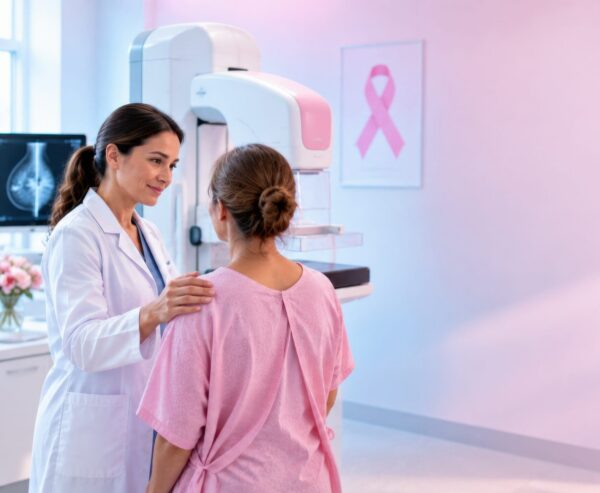
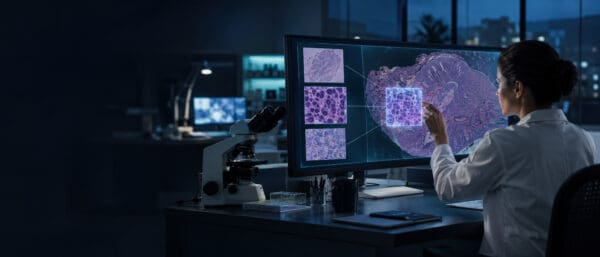
Researchers at the Technion – Israel Institute of Technology have developed an artificial intelligence (AI) model designed to help guide whether to administer chemotherapy directly after tumor resection in breast cancer patients. The model, which uses high-resolution images from hematoxylin and eosin (H&E)-stained tumor samples collected at the time of diagnosis, predicts both the risk of cancer recurrence and the likelihood that a patient will benefit from chemotherapy. The research, published in The Lancet Oncology, identifies patterns and signals in the tumor that might otherwise escape detection. “These are complex biological signals that the human eye cannot consistently quantify,” said…
Six international companies are relocating to Boston as part of an artificial intelligence health care accelerator backed by the Middle East’s largest medical center. Sheba Medical Center in Israel — which has the world’s first AI-powered emergency department — first announced its new U.S. endeavor last May. Now it has officially launched the ARC Innovation Boston location in the city’s downtown, a “soft landing pad” for international startups working to transform the delivery of health care through AI and digital solutions. The Boston hub is joining a network of existing ARC (Accelerate, Redesign, Collaborate) programs in London, Melbourne, Singapore, Berlin…