Something Fresh in the State of Denmark
October 06, 2026




















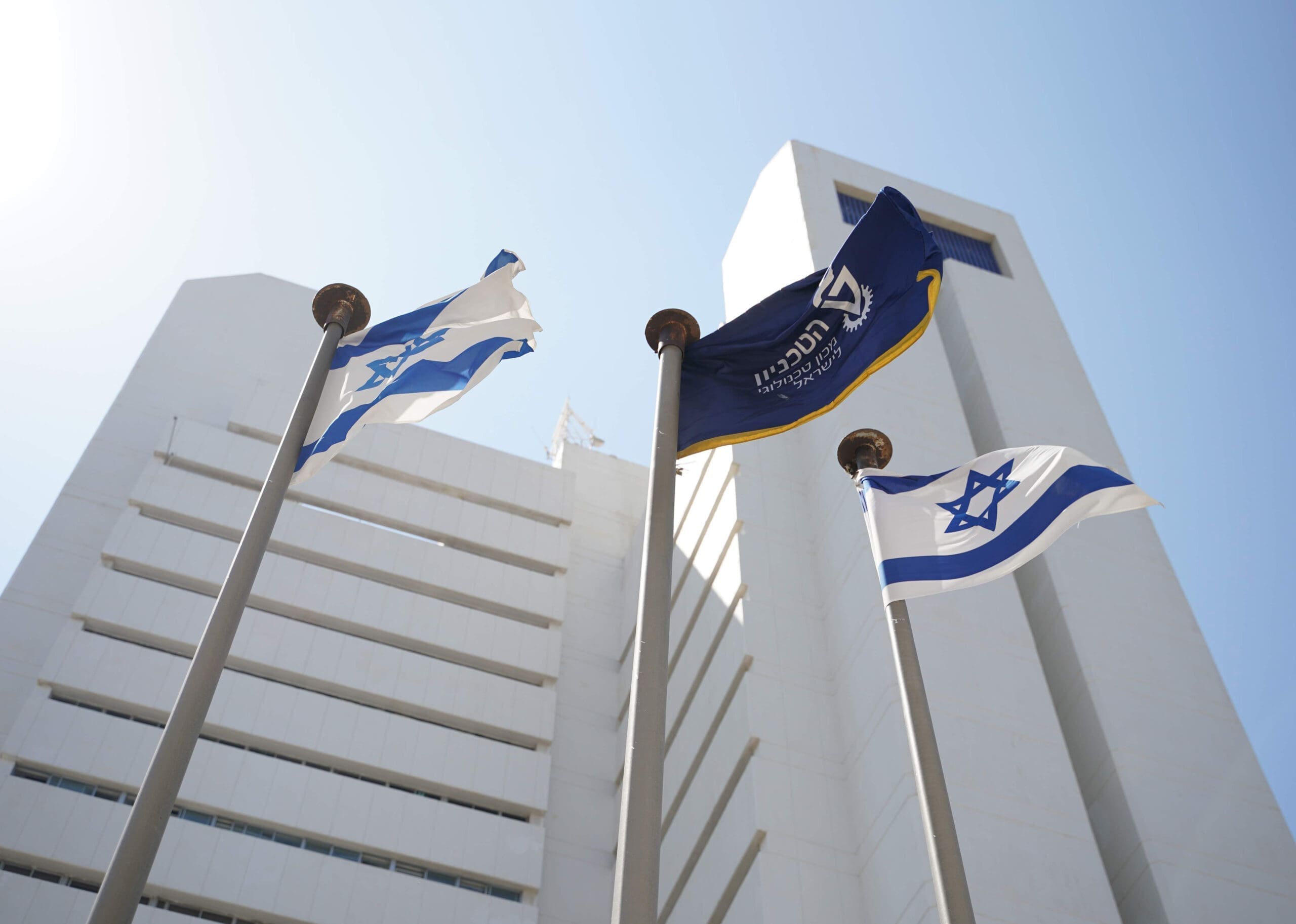







The Technion’s story has been intertwined with Israel’s for more than a century, from laying the foundations for a new nation to shaping its future.

Step inside Israeli innovation at the David and Janet Polak Visitors Center. Experience our 360° immersive movie and tech exhibition. Open to individuals and groups.
Learn More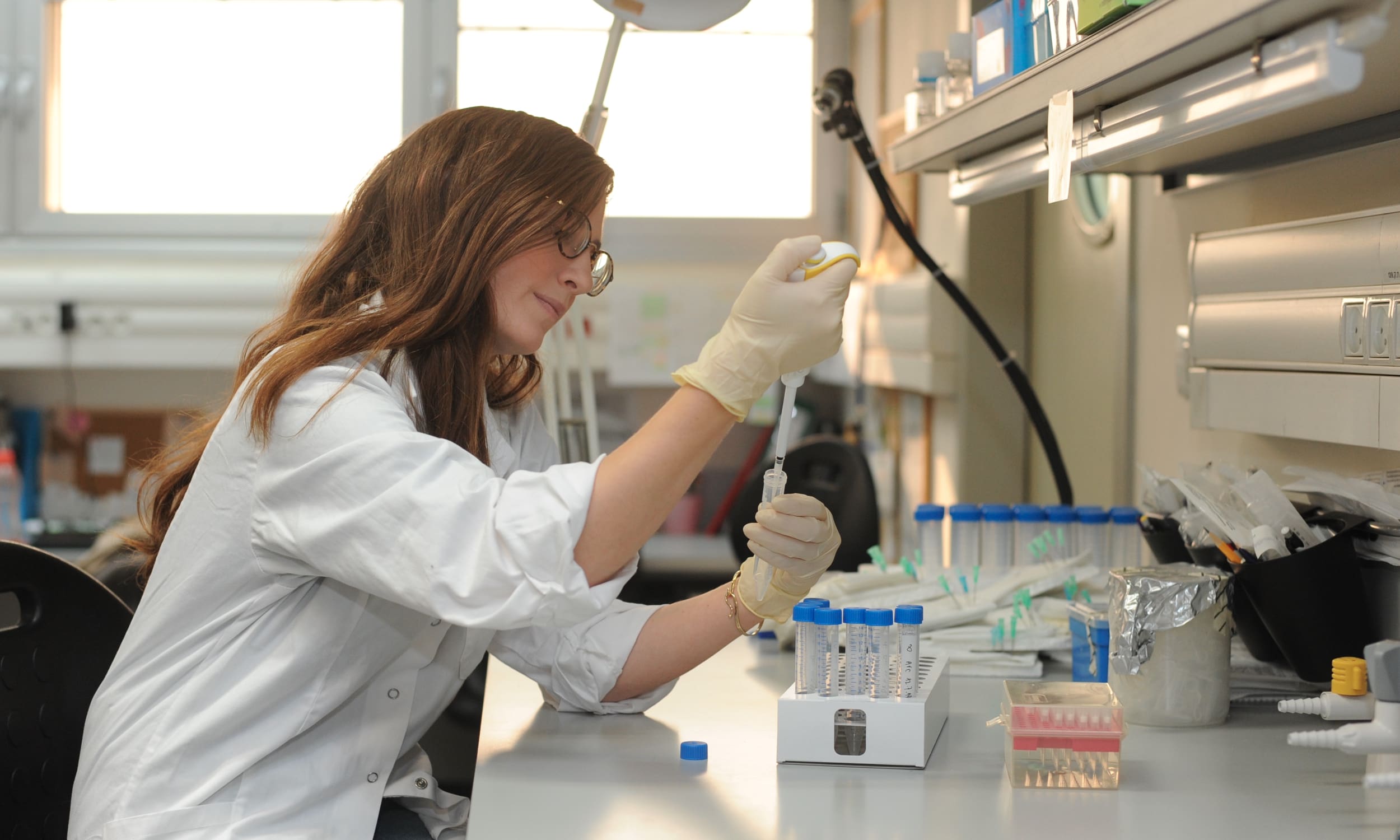

Israeli researchers have developed an innovative method that enables medicine to be manufactured within the body itself. The pioneering approach, not yet tested on humans, uses live, harmless bacteria that act like tiny factories, producing therapeutic proteins inside the body, exactly where they are needed. “We are accustomed to thinking that to introduce a drug into the body, it must be manufactured in a factory and then delivered via a capsule or an injection,” said Prof. Boaz Mizrahi of the Technion – Israel Institute of Technology’s lab for biomaterials in the Faculty of Biotechnology and Food Engineering. “This could be…
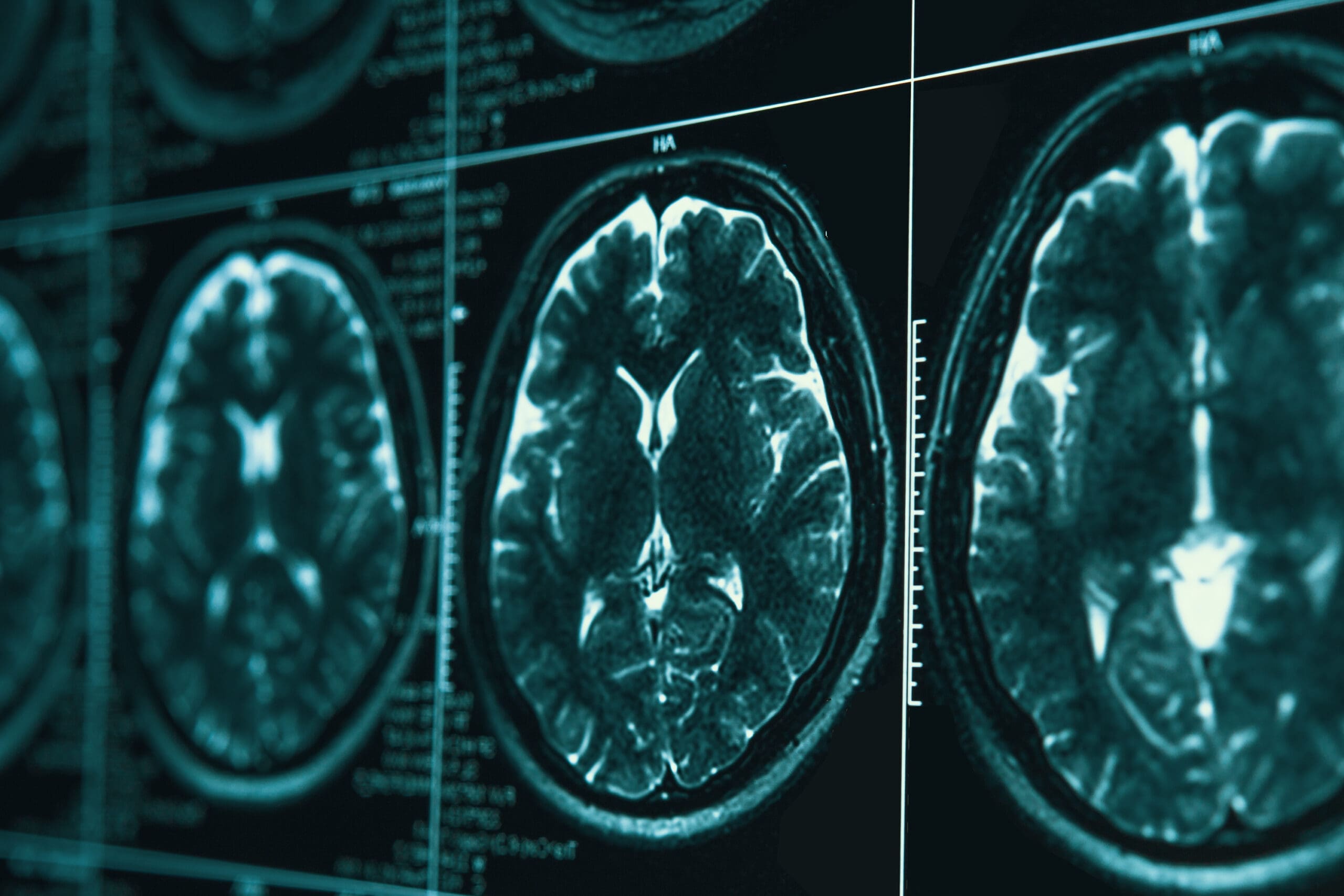
In a surprising discovery, researchers at the Technion – Israel Institute of Technology have found that a cellular system tasked with disposing of toxic proteins—crucial in preventing Alzheimer’s disease—may actually be helping the disease spread across the brain. The study, led by Professor Michael Glickman, dean of the Technion’s Faculty of Biology, and postdoctoral researcher Dr. Ajay Wagh, reveals that, instead of breaking down defective proteins inside the cell, neurons may be pushing this “trash” into surrounding brain tissue. Their findings were published recently in the journal Proceedings of the National Academy of Sciences (PNAS). At the heart of the…
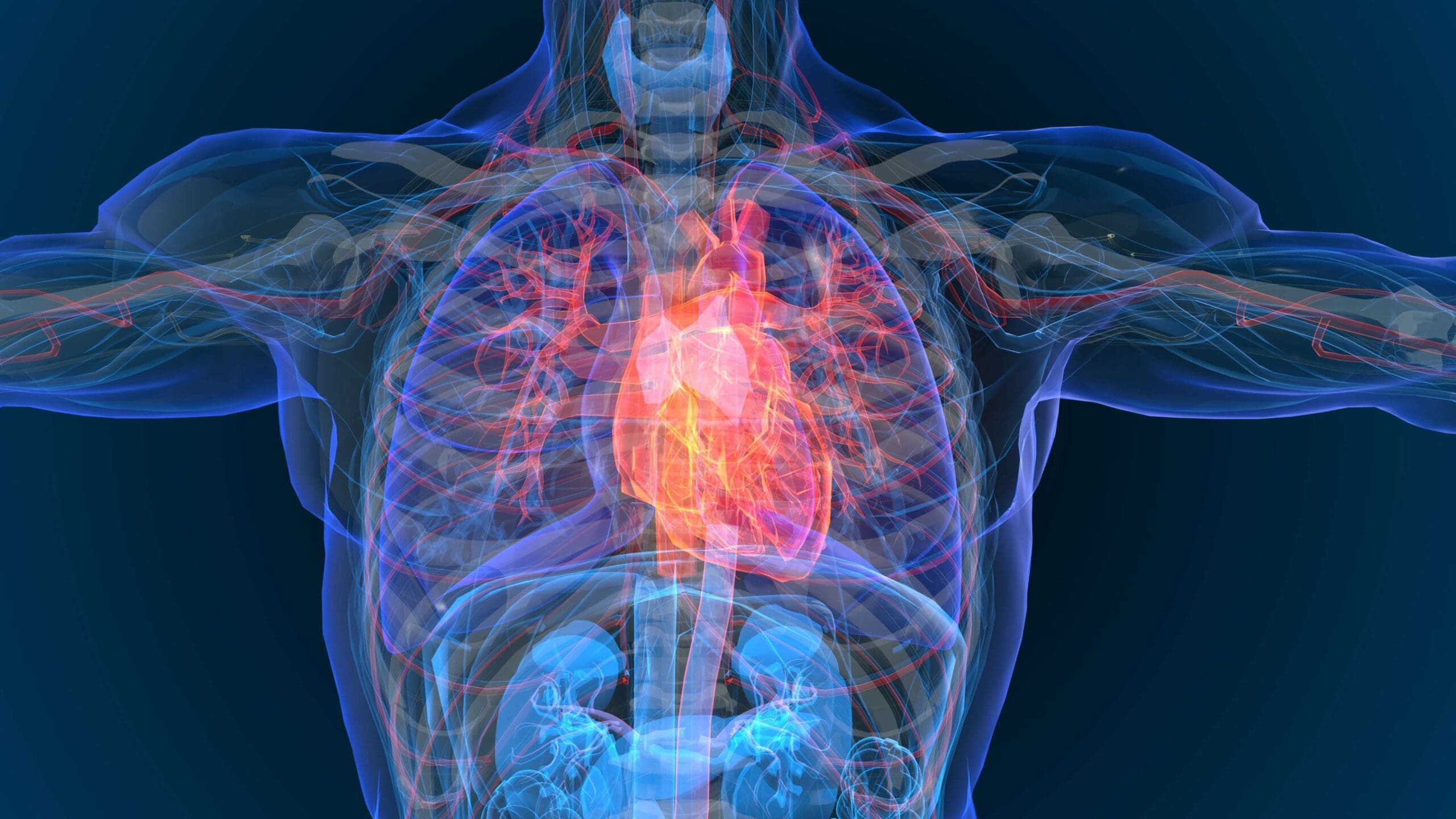
A discovery by Prof. Ami Aronheim and his team at the Technion–Israel Institute of Technology shows that the growth of cancerous tumors may actually combat cardiac dysfunction and reduce fibrosis, the scarring process that stiffens the heart muscle. “The failing heart can beat much better in the presence of cancer cells or a tumor,” said lead investigator Aronheim, dean of the Technion’s Ruth and Bruce Rappaport Faculty of Medicine, speaking to The Times of Israel. “This is very surprising,” Aronheim said. Currently, no drugs exist that can reverse fibrosis or improve the heart muscle once it has been damaged, he…
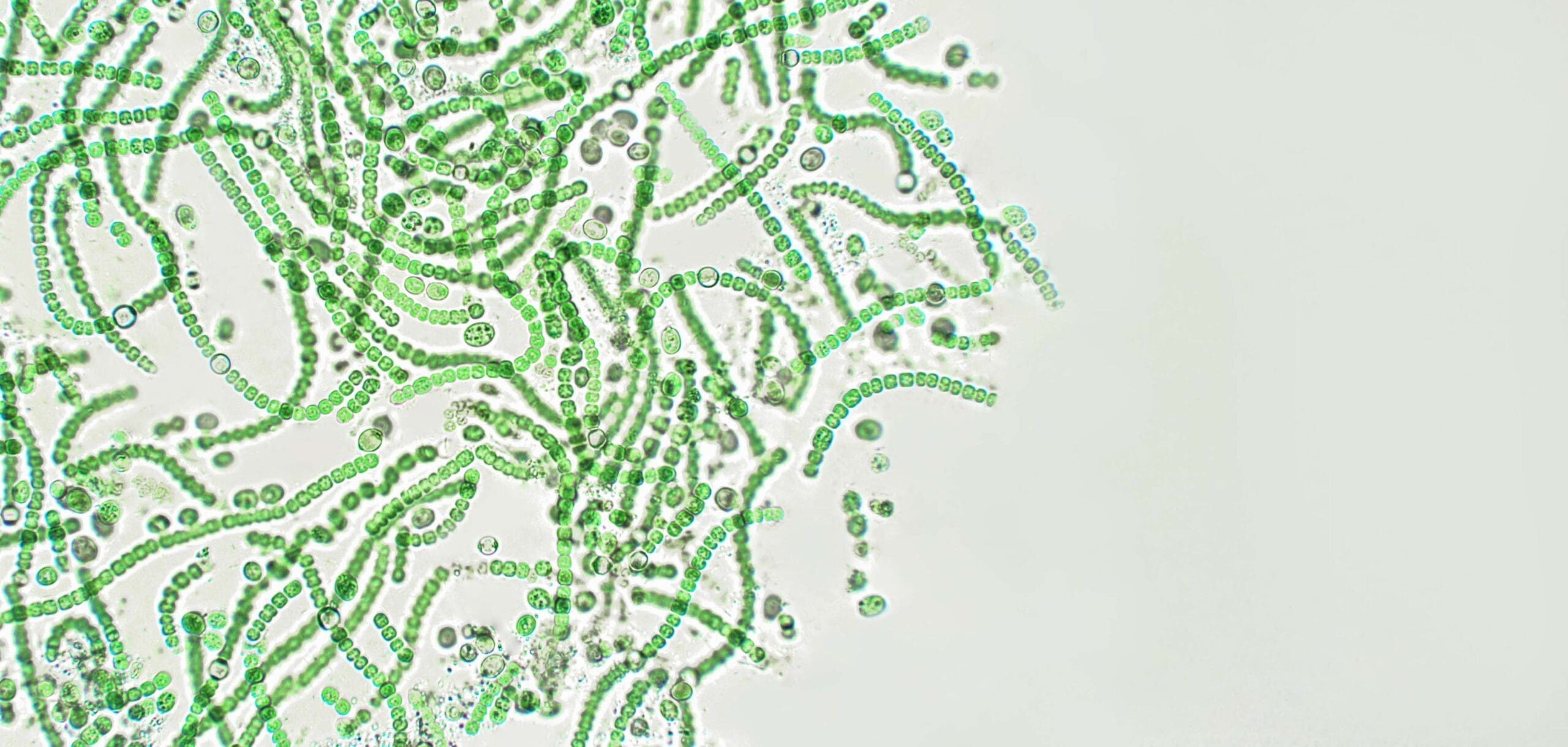
Marine viruses deploy a sophisticated Trojan horse maneuver that enables them to dismantle the energy systems of ocean bacteria and use the breakdown products for self-replication. This finding comes from a study conducted at the Technion Faculty of Biology published in Nature. The article is the result of a unique collaboration among three faculty members, Prof. Debbie Lindell, Prof. Oded Béjà, and Prof. Oded Kleifeld; and three young researchers — Dr. Omer Nadel, Dr. Rawad Hanna, and Dr. Andrey Rozenberg. Tiny cyanobacterial cells that live in the oceans play a crucial role in the global ecosystem, as they carry out photosynthesis to produce…

NeuroKaire’s offices on Yigal Alon Street in Tel Aviv are about as far as one can get from the gleaming workspaces of a typical Israeli high-tech company. The parking lot is dark and dirty, the elevator creaks, and there is no doorman, nor a sea view, unlike the surrounding luxury towers. The surprise begins only after stepping through the wide office doors: giant microscopes, highly sophisticated robots, and some of the world’s most advanced medical equipment, all enabling one of the most complex biological feats in existence, turning ordinary blood cells into human brain cells. “We could have been, like…

A technology developed in the laboratory of Prof. Amit Meller from the Technion—Israel Institute of Technology Faculty of Biomedical Engineering marks a significant advancement toward rapid proteome analysis, with far-reaching implications for both fundamental research and disease diagnosis. A 2023 Nature opinion article identified the seven most important emerging technologies to watch—with single-molecule protein sequencing taking the top spot. The article highlighted the pivotal contributions of Prof. Meller’s research group in advancing key technologies toward the commercialization of protein sequencing systems, paving the way for a true revolution in biological and medical research. Since proteins are the body’s fundamental building blocks, their rapid and…

In a 1966 Hollywood film “Fantastic Voyage”, screenplay by Isaac Asimov, scientists are shrunk to a few millimeters and injected into the bloodstream of a dying scientist who has vital information. Their mission: Navigate to his brain and destroy a blood clot before returning to normal size. Fast forward: On sabbatical in Boston in the early 1980s, Rafael rocket engineer Gabriel Iddan encounters Israeli gastroenterologist, Eitan Scapa. “I can’t reach the small intestine with my endoscope,” he says. Jokingly, to Iddan: “Can you shrink a camera and transmitter small enough to swallow and travel through the intestines?” Iddan’s Israeli startup…

Israeli researchers have discovered a plant-based molecule that can effectively combat pathogenic fungi and serve as a foundation for developing environmentally friendly treatments. The study was led by Dr. Ofri Levi of the MIGAL Galilee Research Institute and Tel-Hai College’s Faculty of Sciences, together with Prof. Benny Horwitz of the Technion’s Faculty of Biology. Their findings were published in mBio, a journal of the American Society for Microbiology, and offer a new approach to addressing one of the fastest-growing threats to public health and agriculture: fungi that have developed resistance to medications and pesticides. Fungal pathogens pose a serious danger…

Shai Shen-Orr on the Future of Disease Modeling In this newly released podcast, Shai Shen-Orr, co-founder and chief scientist at CytoReason and professor at the Technion – Israel Institute of Technology, dives into the next frontier of health care: disease modeling. He explains how CytoReason transforms today’s overwhelming biological data into actionable insights that power […]
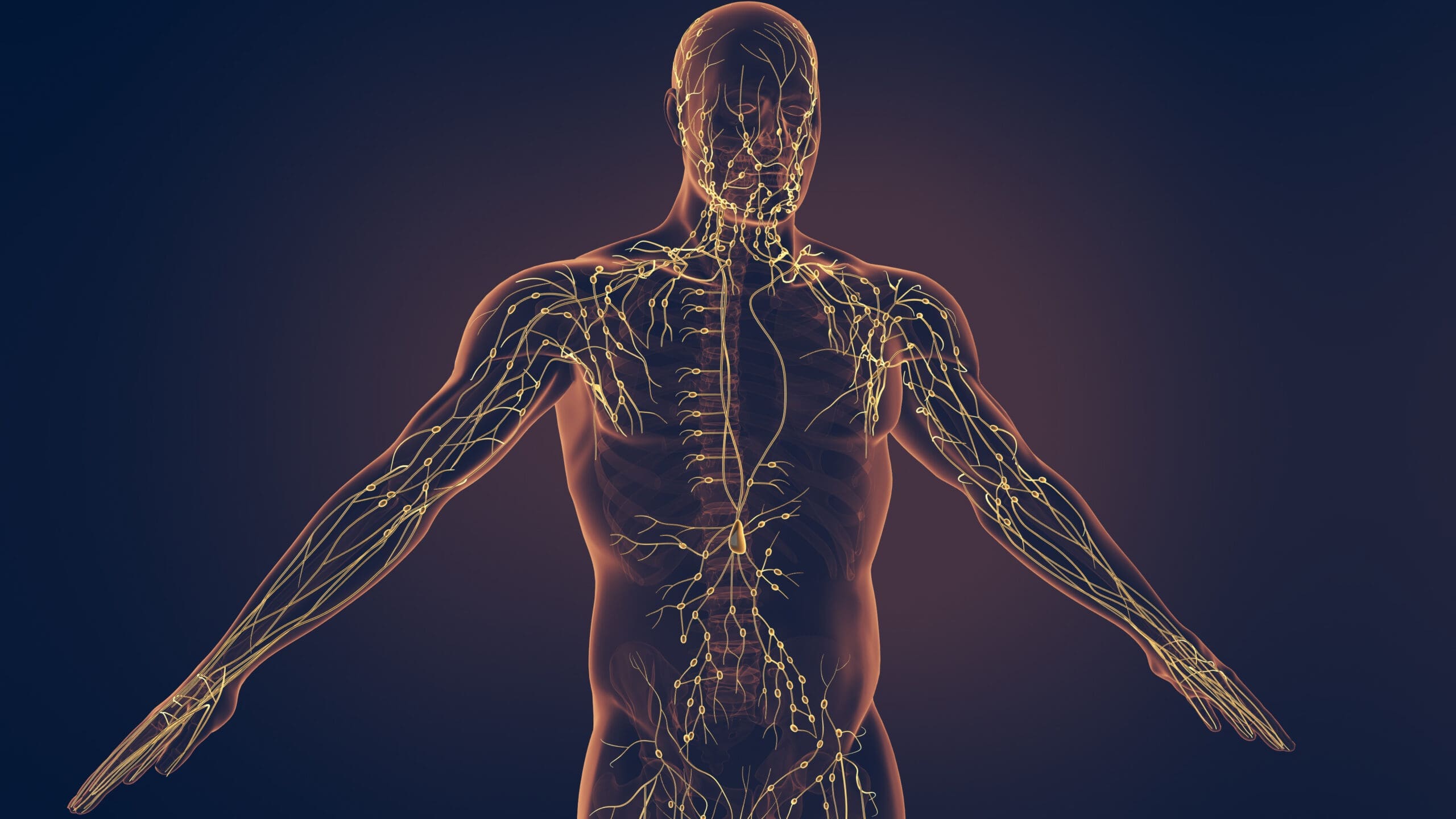
Imagine being able to peer into your immune system and see not just how healthy you are today, but how your body fights, adapts, and ages over time. Journalist David Ewing Duncan recently had the chance to do that. Instead of a standard blood test, he tried a new kind of immune analysis. This test doesn’t look at a handful of markers. It examines nearly a million immune signals with advanced technology and machine learning to create a personal immune health score. The idea is to detect illness before symptoms appear, understand how people will respond to treatments, and even…

IceCure Medical’s tumor-freezing treatment ProSense has nabbed FDA approval, making it the first medical device of its kind to be endorsed for the local treatment of breast cancer. The Israeli medical technology company saw its shares jump more than 17% afterhours Friday, Oct. 3, after the company announced the approval. Shares lost some of their gains by Monday morning and were trading up about 8% from Friday’s close. Treatment with ProSense involves a minimally invasive outpatient procedure that aims to destroy tumors by freezing them, all without the need for surgical removal of breast tissue. This approach also allows for…

Pigs have long carried a bad reputation. They are often described as dirty, greedy animals that eat everything in sight and spend their days lying around. In reality, none of these stereotypes are true. Pigs are intelligent, have a highly developed sense of smell, and like to stay clean. They often roll in mud, not because of laziness but to cool down and protect themselves from parasites. But there is another, far more important fact about pigs: they are now at the center of a medical revolution that could transform the future of organ transplantation. With demand for donor organs…